
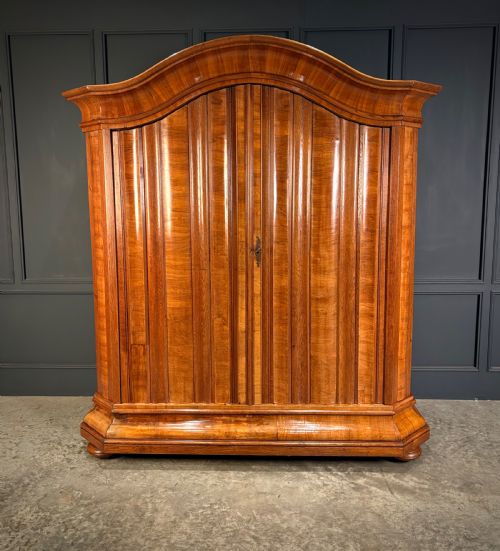
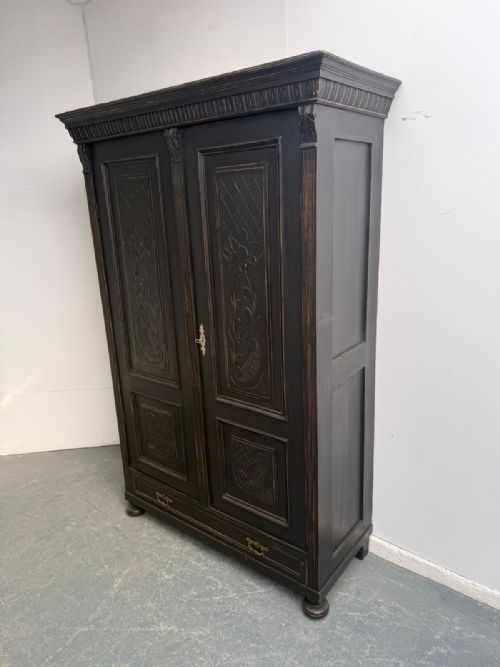
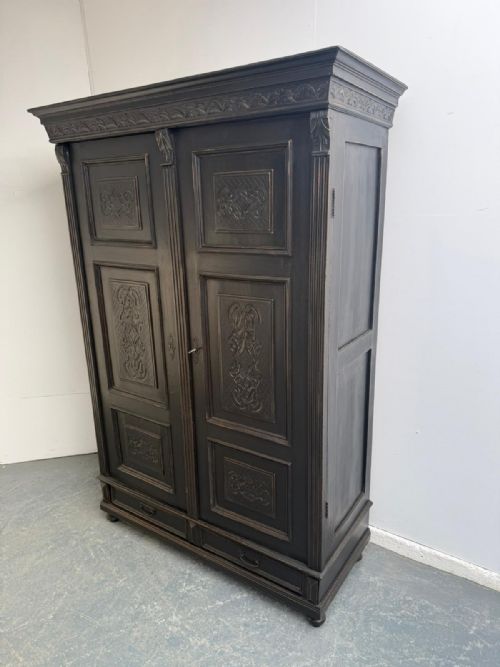


Continental Oak Cupboard
These continental oak cupboard designs bring robust timber and deep regional carving into a room, offering enduring storage built for utility.
Continental Oak Cupboard
A continental oak cupboard encompasses heavy timber storage pieces originating across Europe, spanning centuries of regional cabinet-making traditions. Buyers search for this phrase to find sturdy storage furniture built from durable European timbers rather than lighter domestic alternatives.
The versions most frequently met on this page include tall wardrobes, bedside cabinets, and carved sideboards from various periods. These range from plain country forms to heavily carved Baroque and Renaissance revival examples.
Origins stretch across regions such as Hungary, Flanders, and Holland, bringing distinctive local painting and carving styles to the standard oak carcass. Pieces often combine oak with secondary woods like pine or walnut, reflecting the local timber availability of their specific workshop origin.
How they were made
Construction relies heavily on solid oak timbers, frequently paired with pine or walnut for secondary framing and internal panels. Joinery techniques utilise traditional pegged mortise and tenon joints to withstand heavy daily use across decades.
Surface treatments vary widely between natural waxed finishes that highlight the grain and historical black painted schemes seen on folk art pieces. Carving is executed directly into the solid timber, while hardware typically incorporates forged iron, brass, or glass elements.
Some Hungarian bedside cabinets wear their original black paint like a formal winter coat, hiding pine carcasses beneath sturdy oak fronts.
What varies in quality
Quality separates through the depth and execution of the carved ornamentation, distinguishing spirited regional folk art from standard commercial production. Crisp detailing on mouldings and panels indicates a higher grade of workshop craftsmanship.
The integrity of the timber and the retention of original surface treatments dictate the standing of an individual piece. Original painted finishes or untouched patinated oak surfaces command greater appreciation than heavily restored or stripped examples.
The Continental Oak Cupboard Glossary
- Armoire
- A large standing wardrobe or cupboard used primarily for hanging or folding garments. These pieces often feature deep double doors and substantial internal depth.
- Commode
- A low chest of drawers or cabinet designed for domestic storage. Examples from continental workshops frequently incorporate multiple drawers beneath a polished top.
- Flemish Baroque
- A flamboyant stylistic period defined by exuberant carved decoration, heavy mouldings, and dynamic architectural forms. Cabinets in this style display dramatic relief work.
- Renaissance Revival
- A nineteenth-century movement drawing inspiration from sixteenth-century motifs such as columns, pilasters, and strapwork. Furniture in this style mimics earlier grandeur using contemporary workshop methods.
- Folk Art
- Objects created within traditional community standards, often featuring hand-painted surfaces and vernacular construction methods. Hungarian folk pieces frequently combine black painted pine and oak.
Continental Oak Cupboard: Frequently Asked Questions
Where were these cupboards made?
These pieces originate from various European regions, including Flanders, Holland, and Hungary. Each area imparted distinct stylistic preferences and construction methods to the standard oak carcass.
Local workshop traditions dictated whether a piece received heavy Baroque carving or a simple painted finish.
How do I care for solid oak?
Solid oak benefits from consistent indoor humidity and regular applications of traditional beeswax to nourish the timber. Avoid placing these heavy pieces near direct heat sources to prevent the wood from splitting.
Gentle dusting with a dry cloth preserves the natural patina accumulated over centuries of use.
Are these cupboards suitable for modern clothes?
Many larger wardrobe and armoire variants provide ample internal depth and height for contemporary garments. Smaller bedside cabinets and table cabinets serve well as bedside storage or accent surfaces.
Internal configurations occasionally require minor adjustments for modern hanging rails while keeping the exterior intact.
How can I tell the period?
Dating relies on examining the construction marks, timber selection, and stylistic cues such as Gothic revival tracery or Baroque carving. Earlier examples from the seventeenth and eighteenth centuries show hand-riven timber and pegged joints.
Nineteenth-century pieces often display machine-assisted elements alongside revivalist decoration characteristic of the Victorian era.