






Antique Flemish Cabinet
An antique flemish cabinet brings heavy baroque presence and intricate carved panels into a room, offering deep storage with remarkable craftsmanship.
Antique Flemish Cabinet
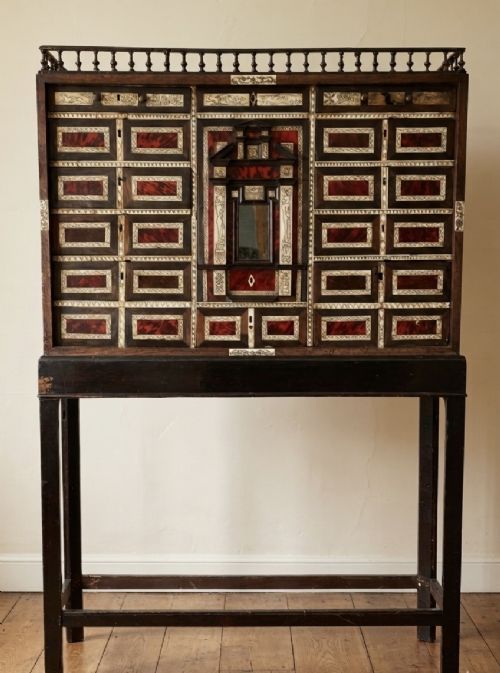
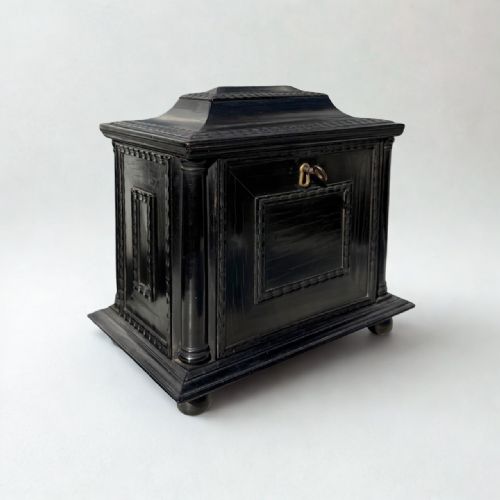
When searching for an antique flemish cabinet, buyers encounter substantial storage pieces ranging from monumental sideboards and hall cupboards down to table caskets and cabinets on stands. These forms span multiple centuries, with significant representation from the seventeenth, eighteenth, and nineteenth centuries, including Renaissance Revival interpretations.
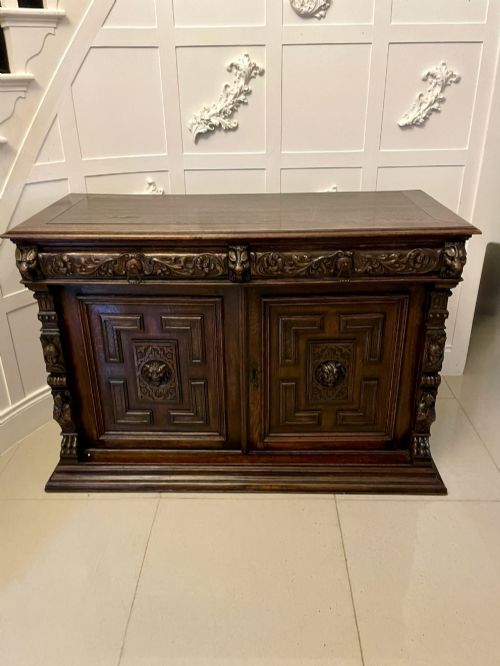
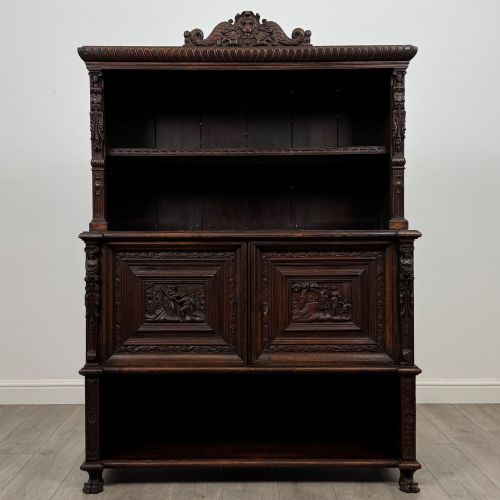
The most common version met on this page is the carved oak cabinet or sideboard, frequently featuring architectural details, lion masks, and rich panel work. Alongside these large freestanding cupboards sit smaller table cabinets and architectural pieces designed for collectors.
Origins stretch across Flemish, Continental, and Victorian workshops, utilising regional baroque and renaissance styles to create imposing focal points for interiors. Buyers select these works for their combination of heavy timber construction and sculptural surface decoration.
How they were made
Makers relied heavily on solid oak and walnut for the primary structure of these large cupboards and sideboards, employing traditional joinery to support deep relief carvings. Smaller table cabinets and architectural pieces incorporated exotic accents such as ebony, kingwood, rosewood, and coromandel.
Surface enrichment frequently involved contrasting materials, utilising tortoiseshell, bone, and intricate parquetry alongside stained glass and brass hardware. Carvers worked directly into the dense timbers to produce figural panels, lion masks, and elaborate scrollwork characteristic of the period.
Listings feature oak, walnut, ebony, and tortoiseshell across centuries spanning from the sixteenth to the late nineteenth.
What varies in quality
The depth and crispness of the hand carving separate standard production from exceptional work, particularly where figures and lion masks appear on the doors and stands. Superior pieces maintain harmony between the architectural proportions and the dense surface ornamentation without appearing cluttered.
Material selection dictates the upper tier of the range, where fine tortoiseshell, ebony, and parquetry veneers remain intact on seventeenth-century architectural examples. The integrity of the original stand or base relative to the upper cabinet also governs the standing of the piece.
The Antique Flemish Cabinet Glossary
- Cabinet on stand
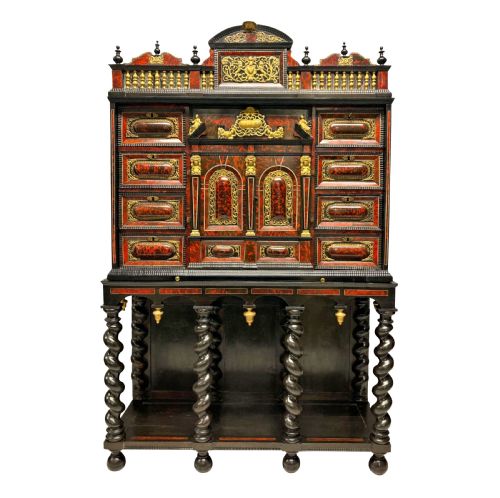
- A freestanding storage box elevated on a dedicated base or framework with legs. This form raises the display surface and often includes elaborate turning or carving on the supporting structure.
- Parquetry
- Geometric wood inlay patterns assembled from small veneer tiles. Makers applied this technique to cabinet doors and table tops to create contrasting visual rhythms.
- Kast
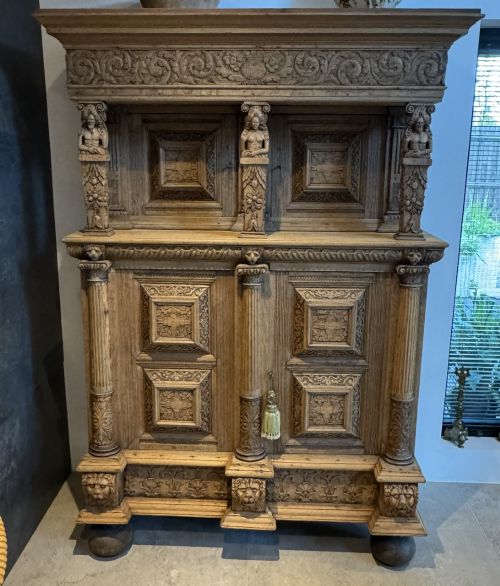
- A large traditional Dutch or Flemish wardrobe or cupboard. These massive storage pieces feature heavy cornices and double doors.
- Architectural cabinet
- A tabletop or stand-mounted piece designed to mimic the facade of a classical building. Such works use columns, niches, and multiple internal drawers for storing valuables.
- Baroque
- An ornate artistic style emphasising movement, contrast, and deep sculptural relief. This aesthetic defined much of the heavy carving found on seventeenth-century continental furniture.
Antique Flemish Cabinet: Frequently Asked Questions
How do I clean an antique oak cabinet?
Dust the carved surfaces regularly with a soft, dry brush to prevent dirt accumulation in the deep recesses of the wood. Apply a traditional wax polish sparingly to nourish the timber and maintain a natural finish.
Avoid using modern liquid cleaners or silicone sprays, which can penetrate old grain and damage historic finishes. Keep the cabinet away from direct heat sources and strong sunlight to prevent the timber from splitting.
Where should I place a large sideboard?
Position the piece against a sturdy interior wall in a dining room, hallway, or spacious living area where the heavy proportions have sufficient breathing room. Ensure the floor can support the substantial weight of solid oak and internal shelving.
Keep the cabinet away from damp exterior walls and radiators to protect the historic joints and prevent the wood from warping over time.
What is the difference between a table cabinet and a kast?
A table cabinet is a compact, portable box with internal drawers designed to sit on a desk or table for storing small valuables and documents. These pieces frequently incorporate exotic veneers like ebony and tortoiseshell.
A kast is a monumental wardrobe or cupboard designed to stand directly on the floor for heavy linen and clothing storage. Kasts feature massive double doors and prominent architectural cornices.