




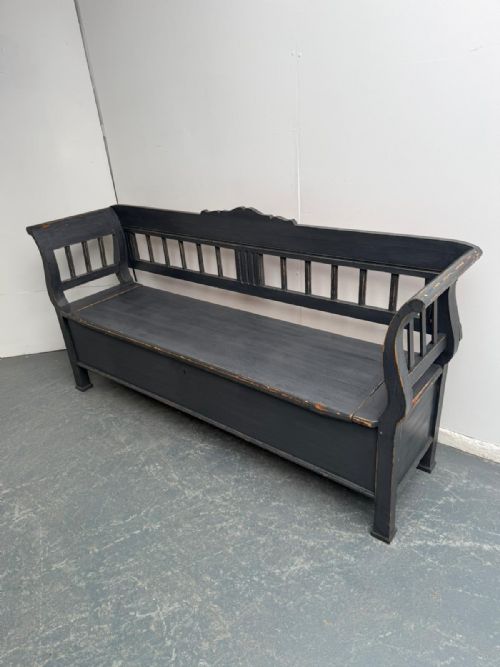


Continental Folk Art
Continental folk art brings together painted pine furniture, carved wooden figures and domestic objects made across Europe through past centuries.
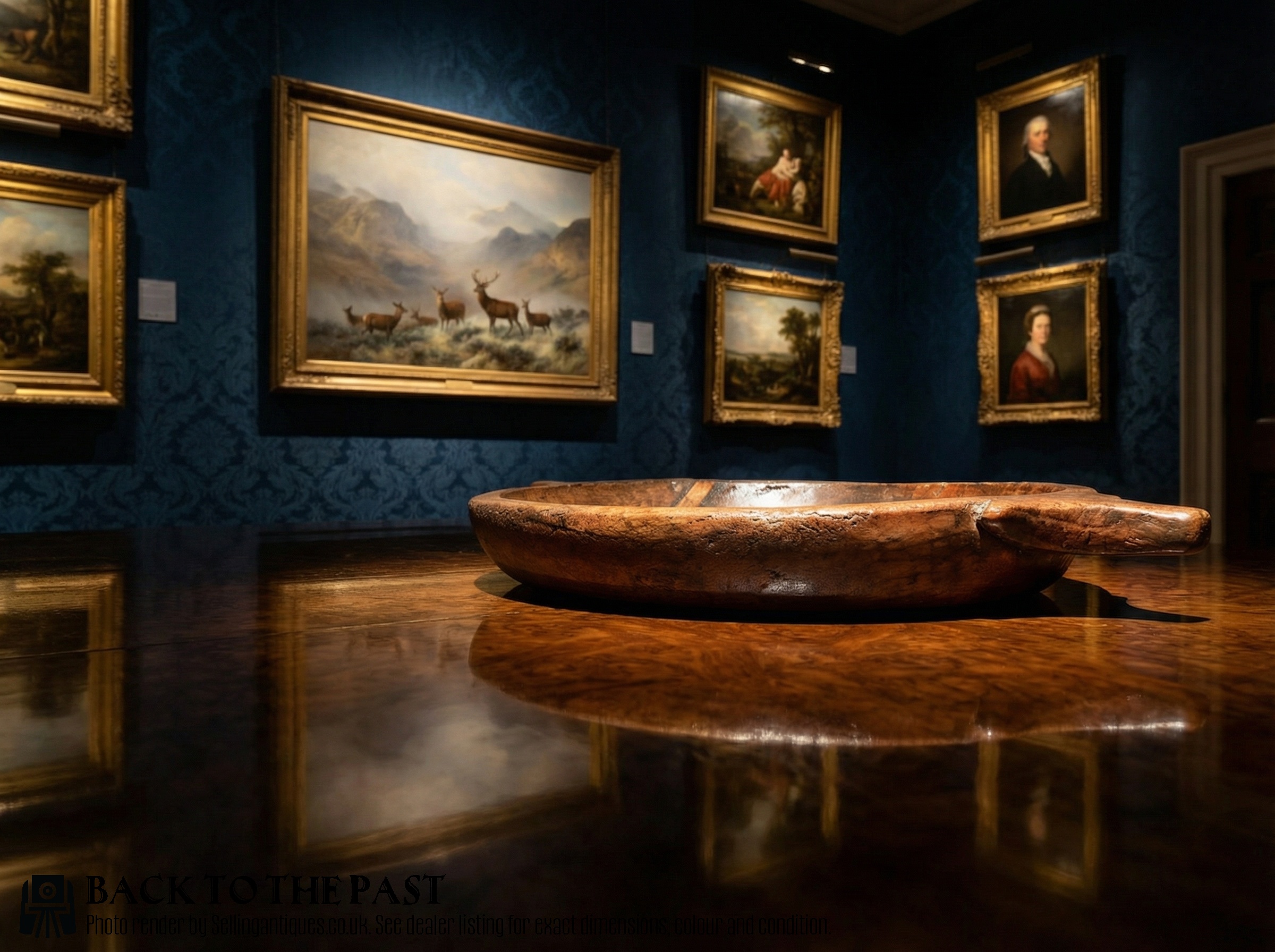
Continental Folk Art
Continental folk art encompasses domestic items, furniture and religious figures made for everyday rural and provincial life across Europe. These pieces often carry painted decoration, chip carving or hand forged ironwork that reflects local traditions.
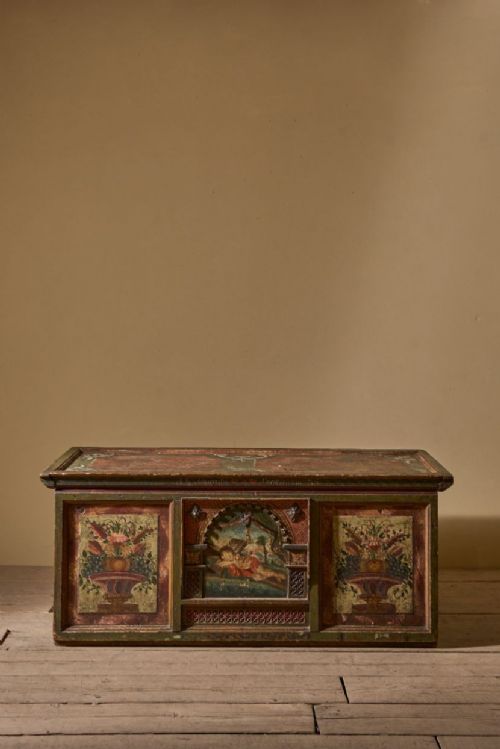
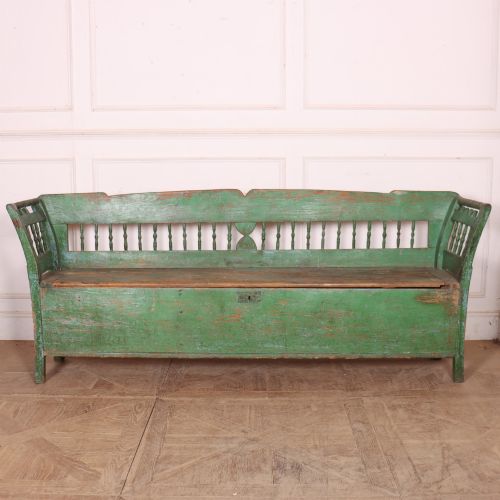
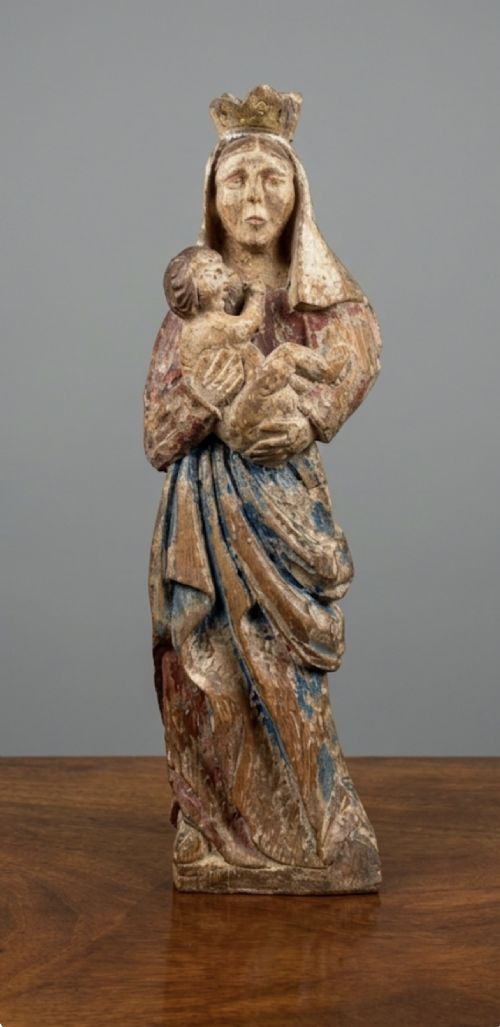
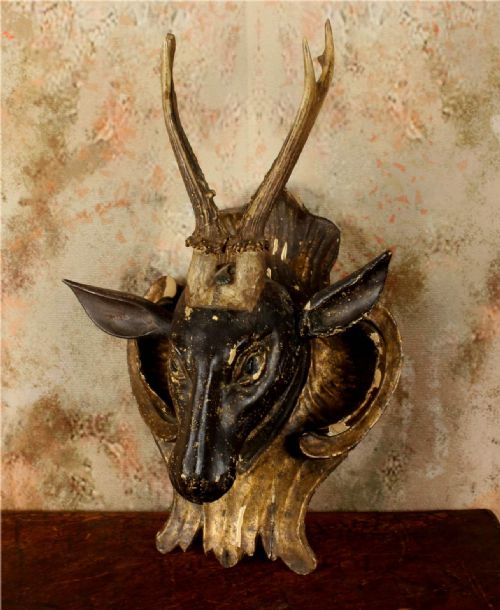
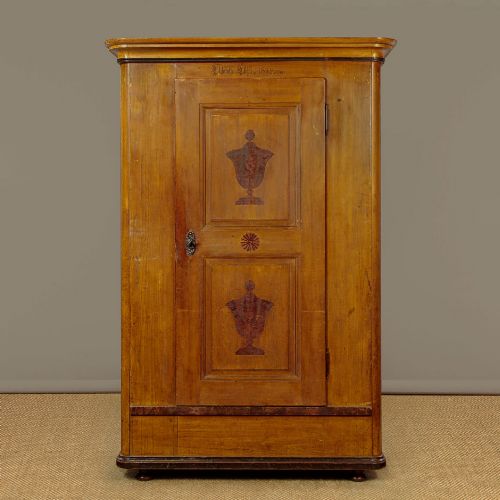
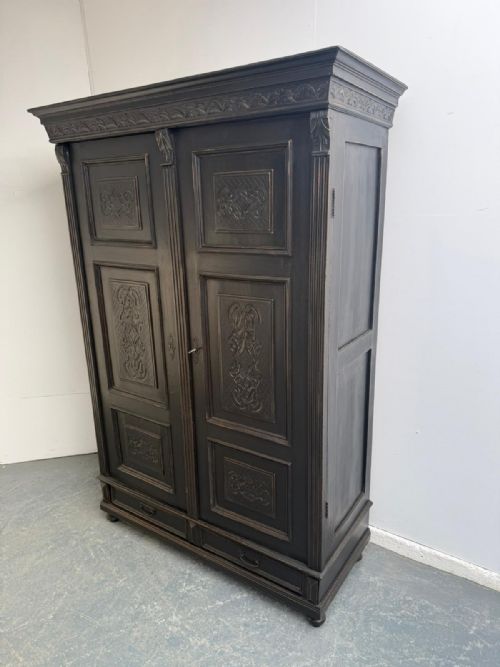
The version most commonly met on this page is painted pine furniture from the nineteenth and eighteenth centuries, including marriage chests, wardrobes and dressers. Alongside these functional items, buyers frequently encounter carved wooden figures, oil paintings and small decorative objects.
Origins span regions such as Hungary, Austria, the Alpine countries, Italy and the Netherlands, each bringing distinct regional styles and colour palettes to the woodwork. Such variety means the category ranges from utilitarian storage boxes to devotional sculptures carved from solid timber.
Materials and construction
Wood forms the primary structural foundation of these pieces, with native timbers such as pine and oak worked using traditional joinery and hand tools. Softwoods like pine provided an accessible canvas for painted decoration, whilst harder woods like oak were utilised for load-bearing furniture and detailed carvings.
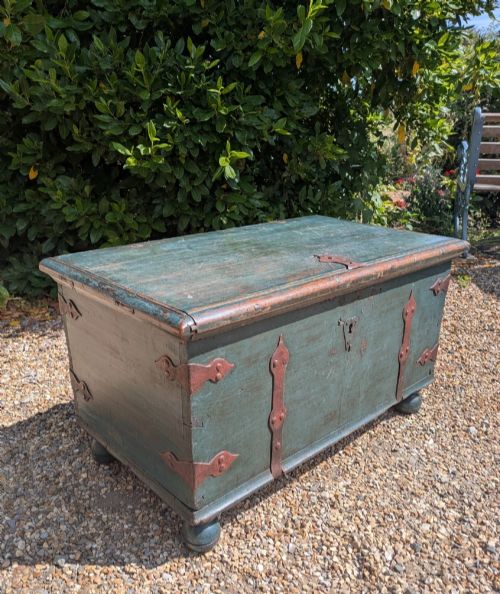
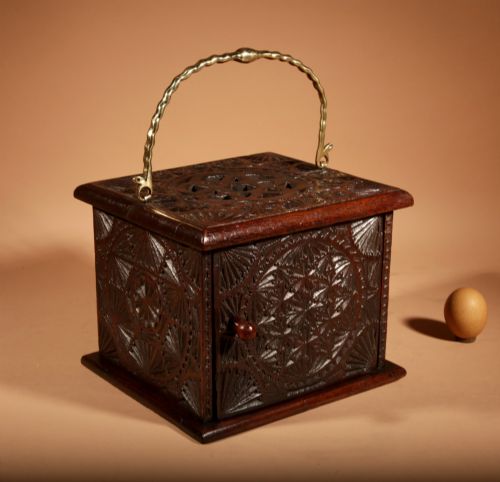
Surface decoration relies heavily on historical paint layers, polychrome pigments and gesso applied directly to the timber, often complemented by hand forged iron strapwork and brass fittings. Carvers utilised chisels and gouges to create chip-carved motifs, figurative sculptures and decorative architectural elements.
Many items display original paint finishes that have acquired a natural patina through decades of domestic use in farmhouses and provincial homes. The combination of simple carpentry, forged iron and surface pigment defines the physical character of the work.
Listings span from the seventeenth century through the Victorian era to the early twentieth century, incorporating pine, oak, brass, iron and gesso.
Evaluating quality and authenticity
Quality in these pieces rests primarily on the integrity of the original surface and the skill of the hand-applied paint or carving. A piece retaining its authentic period polychrome or regional paint layer commands greater interest than one stripped back or heavily retouched.
The execution of the joinery and carving separates utilitarian workshop production from finer provincial craftsmanship. Well-proportioned marriage chests with detailed chip carving or sophisticated figurative work demonstrate a higher level of artisan skill.
Provenance and untouched preservation also dictate standing within the field, as items retaining their original hardware, locks and structural fixings offer a clearer link to their period of origin.
The Continental Folk Art Glossary
- Polychrome
- Decorated in multiple colours. This term describes painted wooden figures, carvings and furniture surfaces finished with various pigments.
- Coffer
- A large box or chest used for storage, often associated with marriage chests and dowry furniture. These robust containers frequently feature painted panels or iron strapwork.
- Chip carving
- A carving technique involving the removal of small chips from a flat wooden surface to create geometric patterns. It appears frequently on regional European utility items and small chests.
- Strapwork
- Ornamental metal bands or straps used to reinforce and decorate wooden chests, doors and coffers. Hand forged iron versions provide both structural strength and visual contrast.
Continental Folk Art: Frequently Asked Questions
What is continental folk art?
Continental folk art consists of utilitarian objects, furniture and decorative pieces made by rural artisans and provincial craftsmen across Europe. It includes painted pine storage chests, carved wooden figures and domestic items.
These items reflect the regional traditions, domestic habits and religious practices of communities outside major urban centres during past centuries.
How were marriage chests used?
Marriage chests and coffers served as practical storage furniture for a bride's household linens, clothing and dowry items. Families often commissioned or decorated them to mark a wedding.
Placed within the farmhouse, these large painted trunks doubled as seating and formed a central part of domestic life and family heritage.
How do I care for painted pine furniture?
Painted pine furniture requires stable indoor humidity levels and protection from direct sunlight to preserve historical pigment and prevent timber movement. Dusting gently with a dry cloth keeps the surface clean without moisture damage.
Avoid chemical polishes or modern cleaning agents, as these can strip or soften fragile original paint layers and patinas.
How can I tell the age of these pieces?
Dating relies on examining construction methods, tool marks, timber shrinkage, and the composition of the paint or gesso layers. Hand forged ironwork and traditional joinery without modern fasteners indicate older periods.
Comparing regional styles, painted motifs and dated examples helps place items within the eighteenth, nineteenth or early twentieth centuries.