





Continental Folk Art Carving
Continental folk art carving gathers centuries of hand-carved rural figures and domestic objects from European workshops.
Continental Folk Art Carving
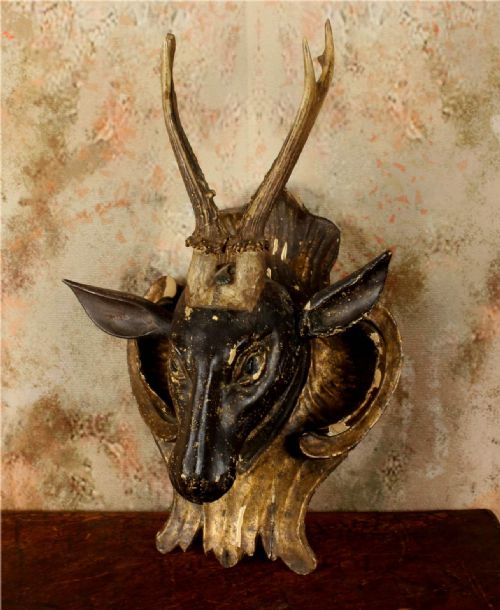
Continental folk art carving encompasses a range of hand-worked objects produced across European regions, spanning from the seventeenth century through to the early twentieth century. When buyers search for continental folk art carving, they encounter vernacular religious sculptures, carved animal trophies, household furniture, and utilitarian treen.
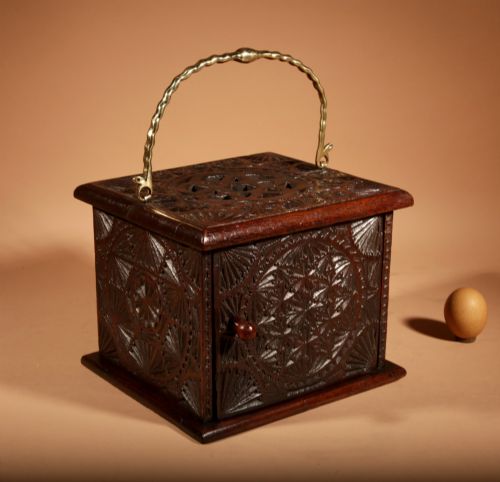
The objects on this page bridge domestic utility and religious devotion, represented by items such as foot warmers, wall sculptures, wardrobes, dining tables, side chairs, and serving boards. Pieces originate from distinct regional traditions including Frisian, Hungarian, and Tyrolean Swiss mountain styles.
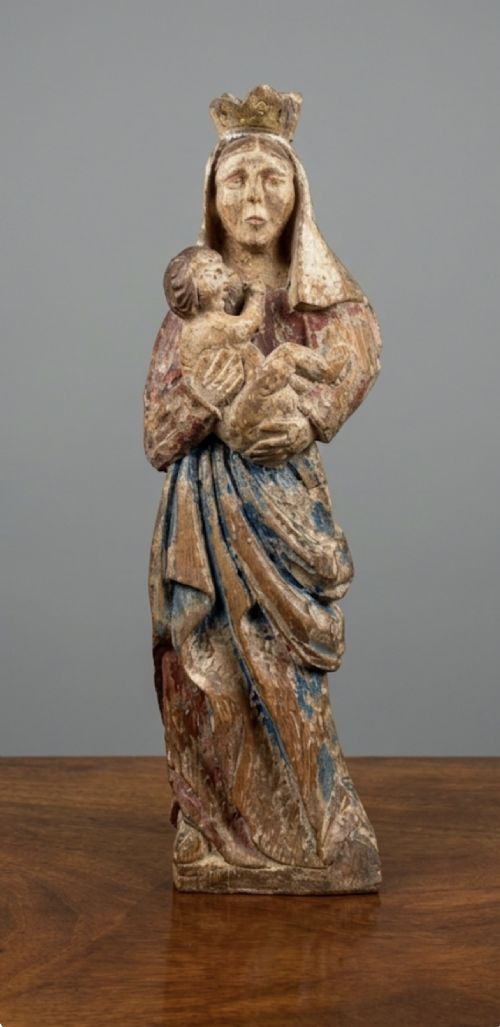
Religious figures form a substantial portion of these listings, featuring carved depictions of Mary and Jesus, Saint Nicholas, Saint Roche, and Christ.Alongside these devotional works appear domestic and decorative forms like the carousel horse, shepherd carvings, and rustic birch platters.
How they were made
Makers shaped these pieces predominantly from solid timbers, utilising oak, pine, birch, and assorted hardwoods suited to local availability. Woodworkers employed hand-carving techniques, chip carving, and straightforward joinery to construct both figurative sculptures and utilitarian furniture.
Surfaces frequently received applications of paint, gesso, or polychrome finishes to enhance the carved details of figures and decorative panels. Unpainted items rely entirely on the natural grain of the wood and the patination acquired through decades of handling and domestic use.
Listings include materials such as wood, gesso, paint, carved wood, oak, polychrome, pine, and hardwood across multiple centuries.
What varies in quality
The standard of a carving depends on the confidence of the hand behind the tool, distinguishing stiff, simplistic forms from expressive, fluidly rendered figures and objects. Proportion and anatomical understanding in sculptural works indicate the maker's skill and the piece's origin within a traditional workshop.
Surface preservation significantly affects the character of these items, particularly where original polychrome paint or historic gesso remains intact beneath layers of wear. The depth of chip carving and the structural integrity of larger furniture pieces also delineate finer examples from everyday utilitarian items.
The Continental Folk Art Carving Glossary
- Polychrome
- Decorated in multiple colours, often applied to gesso or directly onto carved wooden religious figures to bring realism to drapery and faces.
- Chip carved
- Formed by removing small chips from a wooden surface in geometric patterns, commonly seen on domestic items like foot stoves.
- Treen
- Small, functional wooden household objects made by hand, such as platters, serving boards, and bowls fashioned for daily use.
- Gesso
- A plaster-like mixture applied to wood surfaces to prepare them for painting and gilding, frequently found on older religious sculptures.
- Jogltisch
- A traditional style of regional European table construction associated with vernacular dining furniture.
Continental Folk Art Carving: Frequently Asked Questions
What is continental folk art carving?
Continental folk art carving comprises hand-carved wooden objects, religious figures, and rustic furniture made across various European regions from the seventeenth to the twentieth century.
These pieces reflect local traditions, ranging from devotional church sculptures to everyday domestic items fashioned by regional woodworkers.
How do I date these carvings?
Dating relies on stylistic markers, tool marks, timber types, and documented period characteristics associated with specific centuries or regional movements.
Evidence from regional styles and construction methods helps place objects within periods like the seventeenth, eighteenth, or nineteenth centuries.
Are these carvings painted?
Many figurative sculptures and decorative objects feature original painted surfaces, gesso layers, or polychrome decoration applied to the carved wood.
Other items, particularly utilitarian treen and chip-carved pieces, display the natural grain of woods such as oak, pine, and birch.
Where were these pieces made?
These works originate from various European localities, with specific pieces linked to Frisian, Hungarian, and Tyrolean Swiss mountain traditions.
Makers worked within regional folk art styles that dictated the forms of both religious figures and household furnishings.