
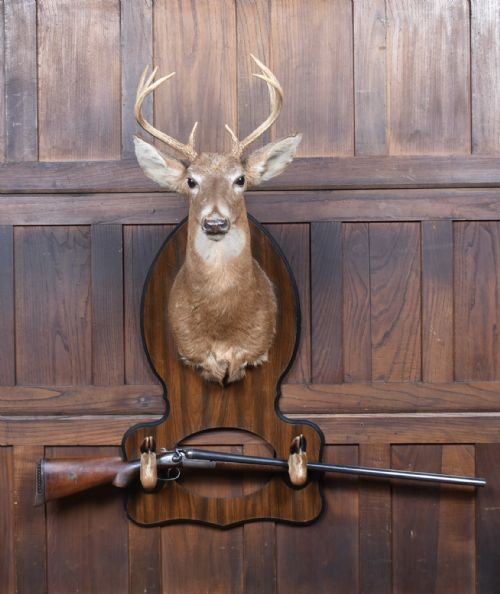
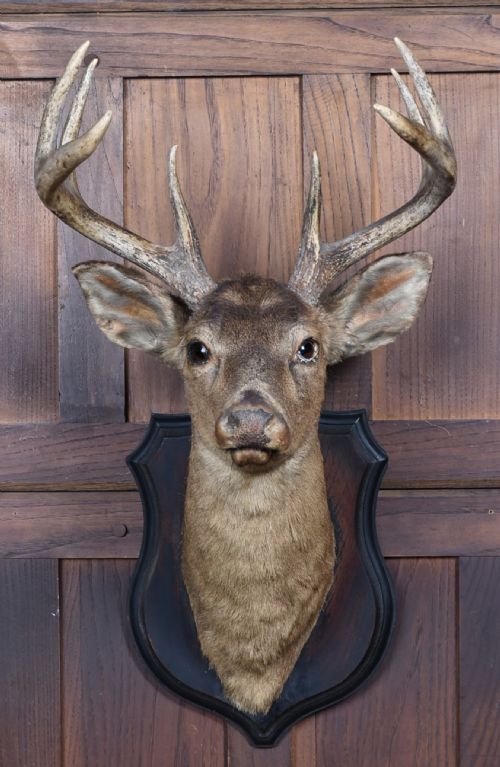


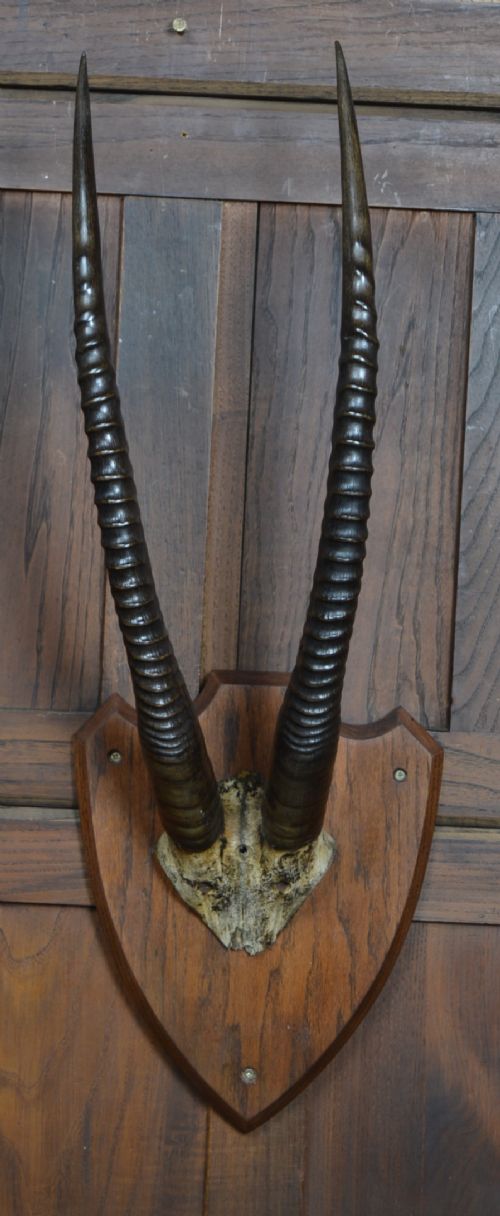
Antique Wooden Hunting Trophy
These antique wooden hunting trophy pieces bring rugged character indoors through carved timber mounts, antlers, and taxidermy.
Antique Wooden Hunting Trophy
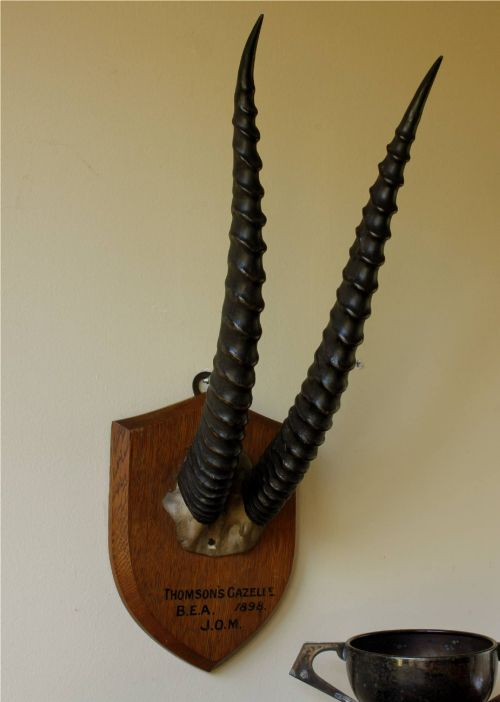
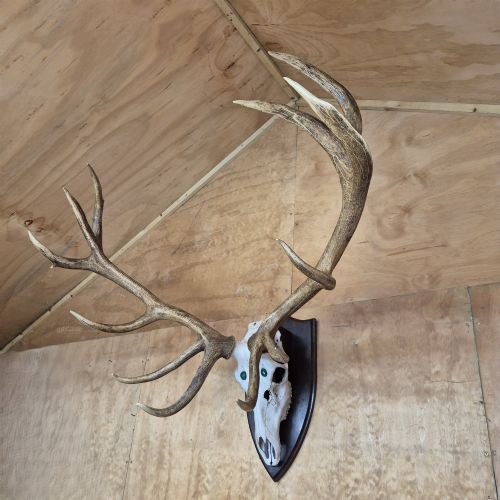
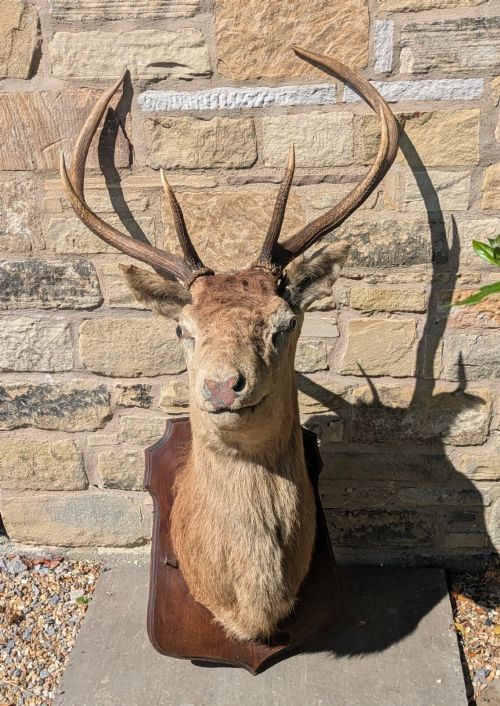
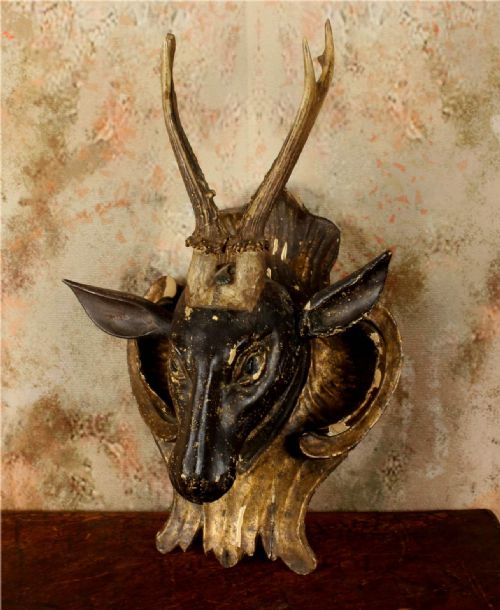
An antique wooden hunting trophy combines carved timber panels, shields, and plaques with natural elements like deer antlers, horns, and taxidermy hides. These pieces span periods from the nineteenth century through the mid twentieth century, reflecting Highland traditional, folk art, and Black Forest styles.
Materials and construction
Maker workshops utilised solid timbers such as oak and general wood, shaping them into carved panels, shields, and plaques using traditional woodworking hand tools. These wooden supports were then combined with natural materials including bone, horn, natural hide, and taxidermy hide.
Taxidermy elements and antlers were secured to the timber mounts using metal brackets and fixings concealed behind the shields. Glass eyes were frequently utilised in animal heads and masks to create a lifelike appearance.
Even a famously noted fox hound named Dairy Maid managed to find lasting immortality mounted by a royal taxidermist.
What separates the fine examples
Quality rests in the anatomical accuracy of the taxidermy work and the depth of the wood carving on the supporting shield. Master taxidermists and skilled woodcarvers produced pieces with superior expression, lifelike posture, and crisp relief detail on the oak plaques.
Condition of the natural materials also determines distinction, as well-preserved hides, intact antler points, and stable timber without excessive splitting separate superior pieces from simpler utilitarian mountings.
Peter Spicer·P. Spicer and Sons
The Antique Wooden Hunting Trophy Glossary
- Taxidermy mount
- The art of preparing, stuffing, and mounting the skin of animals with horns or antlers for display. These mounts serve as the central focal point of many sporting trophies.
- Black Forest style
- A nineteenth century decorative carving tradition originating in central Europe known for realistic animal forms and foliage. Pieces in this style often feature deeply carved wooden plaques depicting forest fauna.
- Folk art
- Utilitarian or decorative objects made by self-trained artisans using local materials. These vernacular pieces display charming individuality rather than strict academic adherence to classical proportions.
- Shield mount
- A wooden plaque shaped like a heraldic shield designed specifically for hanging animal horns and heads on walls. This traditional backing protected the wall surface while framing the trophy.
Antique Wooden Hunting Trophy: Frequently Asked Questions
Where were hunting trophies displayed historically?
Victorian and Edwardian homes featured these items prominently in entrance halls, libraries, smoking rooms, and dedicated hunting lodges. They served as tangible reminders of sporting expeditions and countryside pursuits.
Today, they transition easily into modern rustic interiors, living rooms, and studies where they add texture and historical narrative to the wall space.
How do I clean taxidermy and wood?
Dust wooden shields and carved panels gently with a dry, soft cloth, avoiding harsh chemical polishes that can damage antique finishes. Natural hide and taxidermy elements require very gentle brushing to remove surface dust.
Keep these pieces away from direct sunlight and excessive humidity to prevent the timber from warping and the natural hide or antlers from drying out.
What does a royal set of antlers mean?
A royal designation historically referred to a red deer stag carrying antlers with twelve or more distinct points on the beam. These impressive sets were prized by sportsmen as exceptional specimens of their kind.
On this page, such configurations denote larger, more imposing pieces that require considerable wall space for proper display.