


Continental Carved Candle Stand
A continental carved candle stand brings sculptural presence and centuries of hand-carved history directly into a room.
Continental Carved Candle Stand
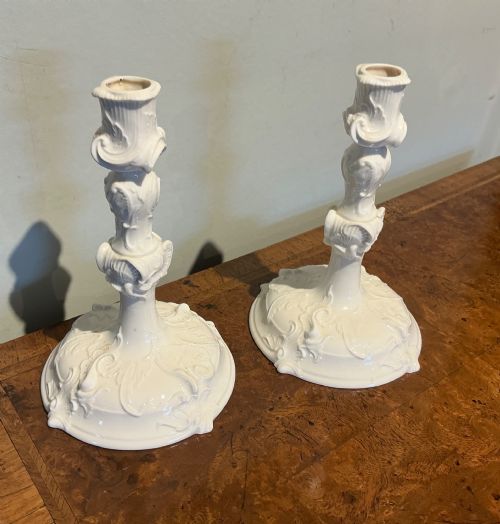
A continental carved candle stand encompasses candlesticks, torchières, pricket sticks, and altar-type candle-holders originating from European workshops. These pieces range from substantial 18th century giltwood baroque designs to smaller 19th century hand-carved wooden forms and 1920 glazed porcelain items.
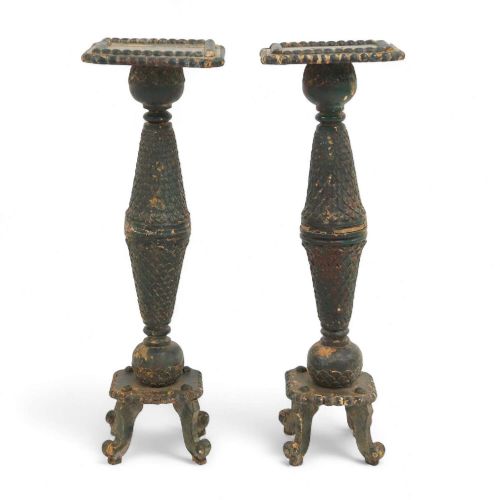
Buyers encountering this selection will most frequently find wooden examples, often finished with giltwood, gesso, or original green paint. The forms span stylistic expressions including Baroque, Rococo, Gothic Revival, and French Neoclassical, reflecting the diverse decorative traditions of continental Europe.
Standing devices such as torchières and pedestals elevate the light source, while figural elements appear in pieces like female figure candlesticks and carved angel candlesticks. Each object demonstrates the distinct regional aesthetics and sculptural ambitions of its period of origin.
Materials and construction methods
Carved wood and hardwood serve as the primary foundational materials for these pieces, shaped entirely by hand with gouges and chisels. Artisans then applied gesso as a smooth preparatory layer to receive subsequent decorative finishes.
Surface ornamentation frequently involved giltwood application or the use of original paint to accentuate the intricate carving. Iron elements occasionally provide structural reinforcement or functional components within pricket sticks and candle holders.
Current listings span four distinct centuries, ranging from seventeenth century devotional figures to twentieth century porcelain.
Distinctions in craftsmanship and finish
The sophistication of the hand-carving determines the visual impact of the piece, separating rigid or mechanical execution from fluid, deeply undercut sculptural work. Proportions play a vital role, particularly in larger altar-type candle-holders and torchières where balance defines the silhouette.
The integrity of original surface treatments, such as giltwood or historic green paint, distinguishes pieces that retain their authentic decorative character from those with heavy later interventions.
The Continental Carved Candle Stand Glossary
- Torchiere
- A tall ornamental stand or candlestick designed to elevate a light source. These floor-standing pieces often feature elaborate carved decoration and substantial proportions.
- Pricket stick
- A type of candlestick featuring a sharp metal spike, or pricket, designed to impound the base of a candle. They frequently date to ecclesiastical contexts.
- Giltwood
- Wood that has been coated with a thin layer of gold leaf or gold paint. This finish creates a reflective surface that catches flickering candle flames.
- Gesso
- A plaster-like mixture applied to wood surfaces as a base for paint or gilding. It allows artisans to crisp up fine details before applying the final finish.
- Socle base
- A short plinth or pedestal supporting a sculpture, figure, or candlestick. It provides stability and visual elevation to the object above.
Continental Carved Candle Stand: Frequently Asked Questions
How were these candle stands used historically?
These pieces provided essential illumination in European homes, churches, and grand interiors before the advent of electricity. Taller torchières stood on the floor to light corners or entryways, while smaller candlesticks sat on tables and altars.
Religious settings utilised heavy pricket sticks for large wax tapers during services. Domestic spaces relied on movable wooden holders that could be carried or repositioned as daylight faded.
What periods do these pieces date from?
The available pieces span multiple centuries, reaching back to the seventeenth century with carved angel examples. Eighteenth century items frequently exhibit baroque and rococo giltwood characteristics.
Nineteenth century pieces introduce diverse revivals alongside original painted finishes, while twentieth century production includes glazed porcelain examples from makers like Nymphenburg.
Where should I place a torchiere?
A torchière requires a prominent position where its height and sculptural silhouette can be fully appreciated. Placed in a corner or beside a piece of furniture, it adds vertical interest to a room.
Because these stands were originally designed for candle illumination, pairing them with modern warm lighting or unlit candles preserves their decorative intent.
What is the difference between giltwood and paint?
Giltwood involves applying gold leaf over a gesso and bole foundation to achieve a luminous, metallic brilliance. This finish was favoured for formal baroque and neoclassical interiors.
Original paint surfaces, such as historic green paint found on nineteenth century pieces, offer a more muted, matte aesthetic. Both treatments were applied by hand to enhance the carved wooden forms.