
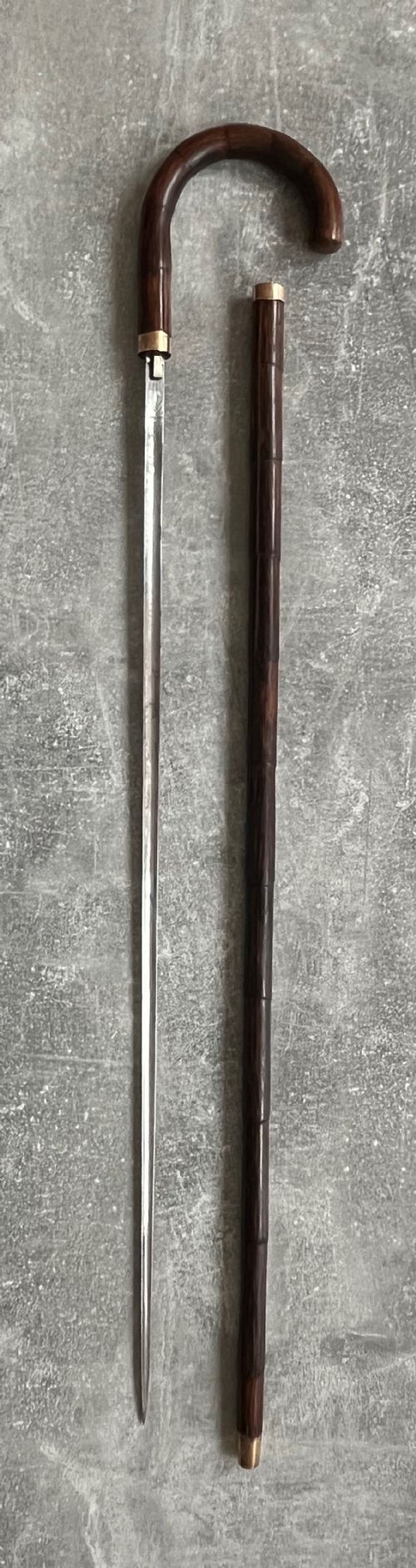
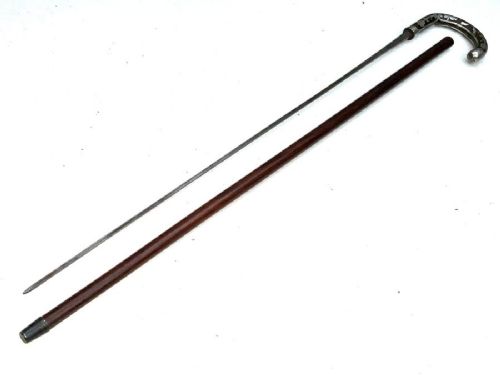
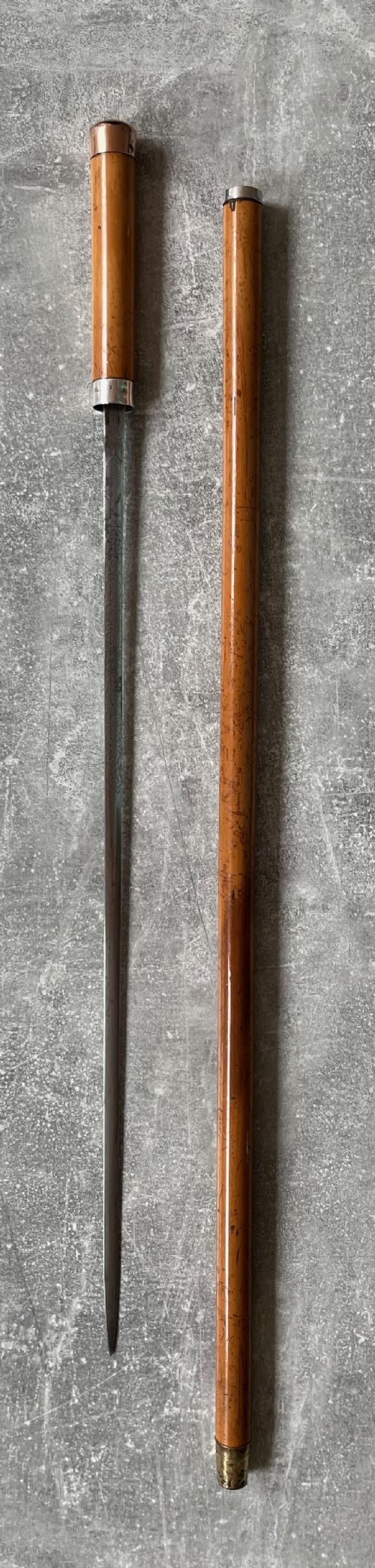
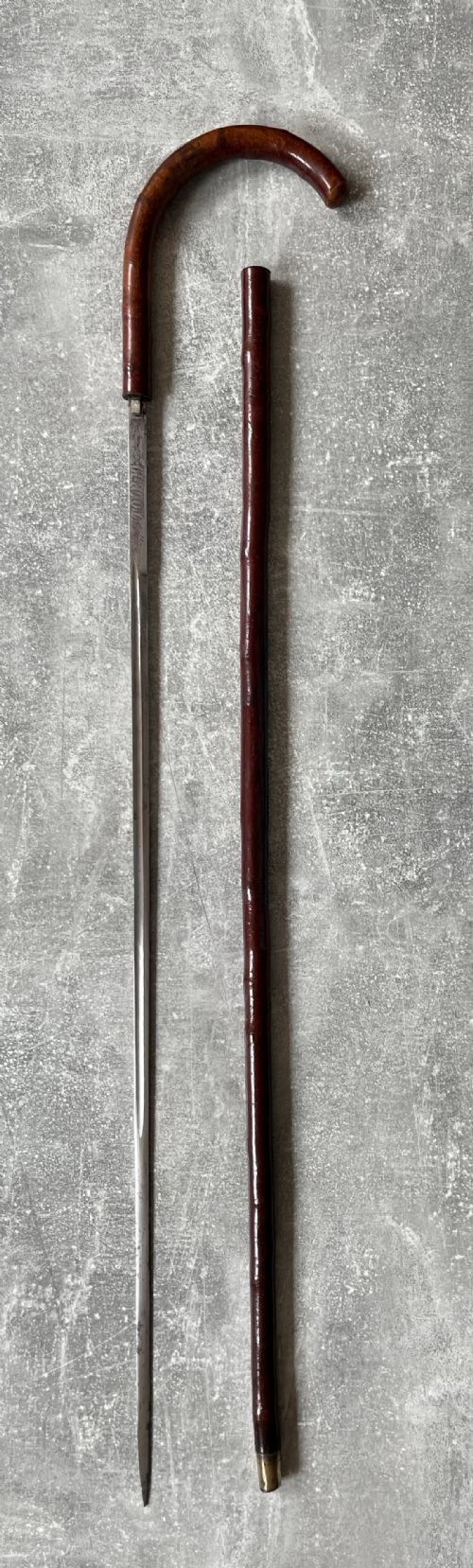
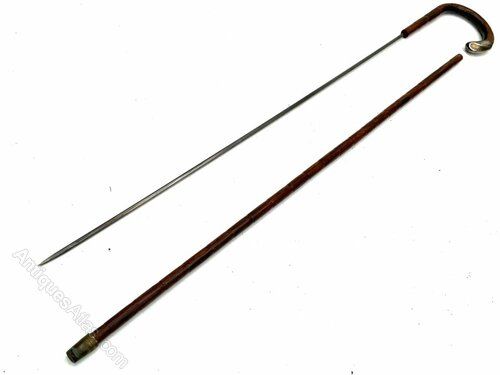
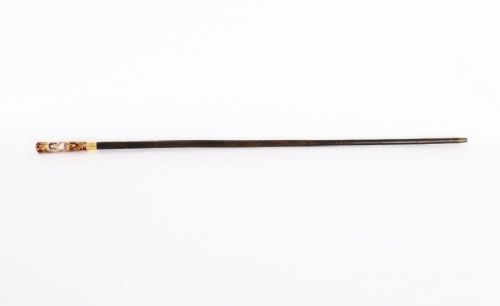
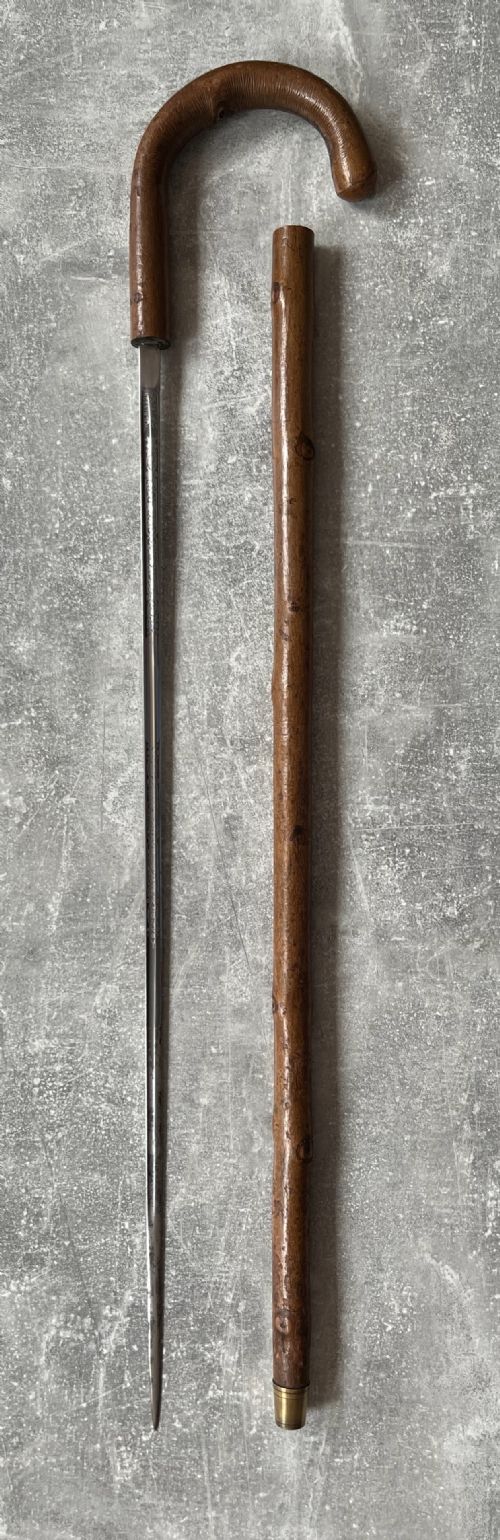
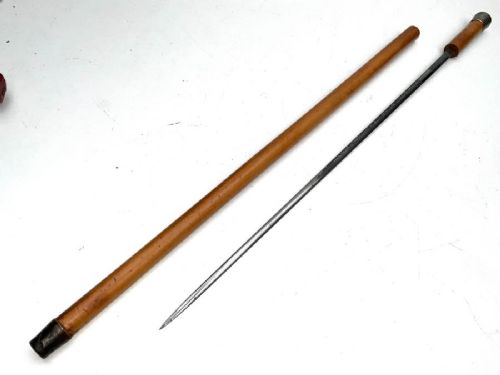




Concealed Weapon Cane
These concealed weapon cane pieces are discreet personal defence tools housed inside traditional walking sticks, offering a fascinating glimpse into historical urban protection.
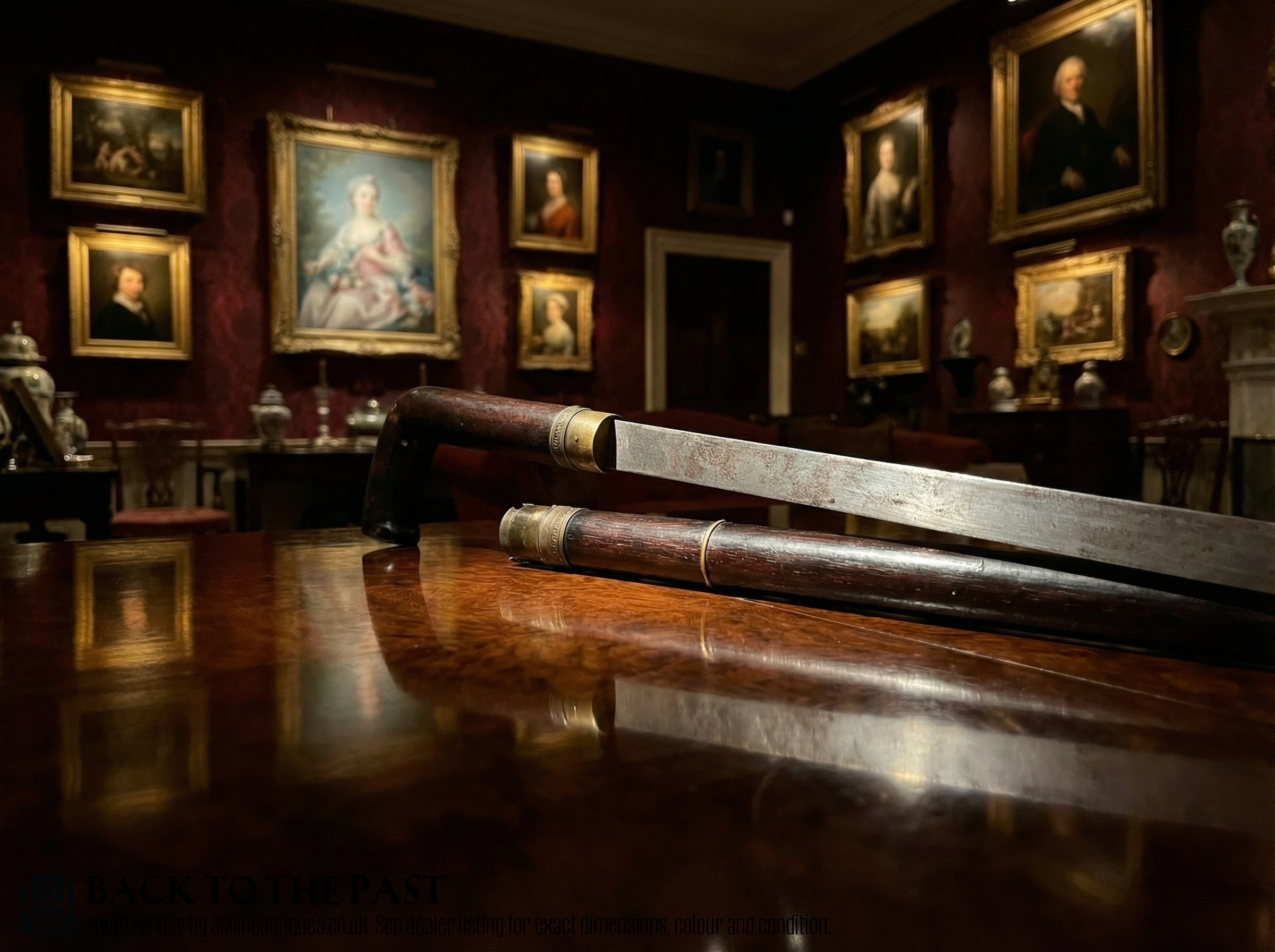
What concealed weapon cane pieces are
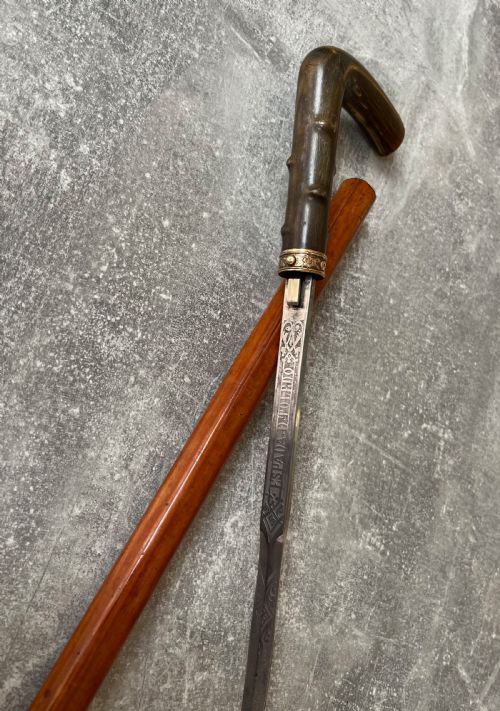
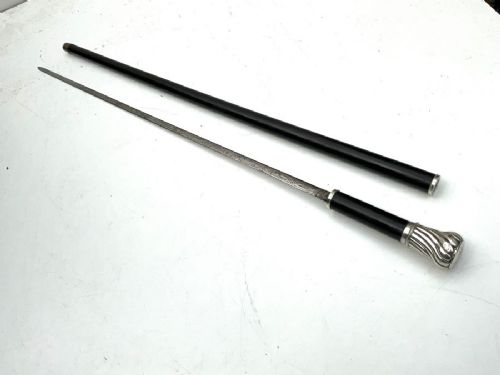
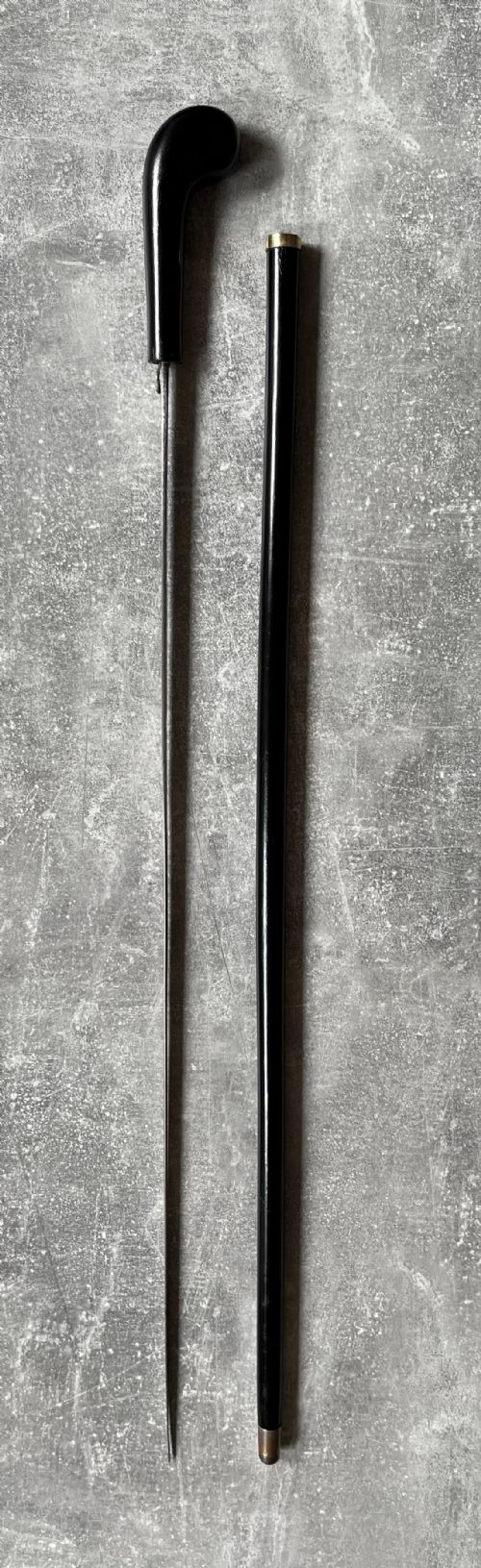
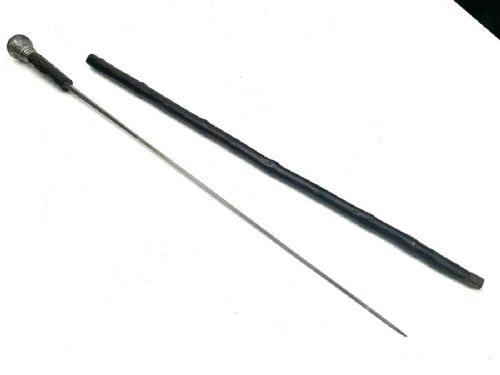
A concealed weapon cane functions primarily as a walking stick while housing a hidden blade or sharp implement within its shaft. These items serve collectors interested in Victorian personal protection equipment and historical weaponry.
The pieces listed on this page encompass various configurations from the Victorian, Edwardian, 1880, 1900, and 1920 periods. Walking sticks and sword sticks represent the core object types available to buyers.
Most examples combine standard walking stick forms with concealed Toledo blades or silver mounts. Buyers encounter diverse regional origins and period-specific manufacturing traits across these items.
How they were made
Maker construction relies heavily on durable natural materials such as ebonised wood, cherrywood, rosewood, malacca, and horn for the exterior shafts. Artisans shape these woods to mimic ordinary walking sticks while concealing internal cavities.
Internal components incorporate forged steel for the blades, alongside brass and silver for mounts, collars, and handles. Metalworking techniques ensure the blades fit securely within the wooden housings while remaining accessible.
Retail Price Guide 2026
Typical UK retail prices for concealed weapon cane, calculated from the Sellingantiques database of over a million retail prices indexed since 2003. This retail price guide relies exclusively on Sellingantiques data; no external sources or auction records are used, so the figures do not describe the wider market.
Current listings feature materials including steel, brass, silver, ebonised wood, horn, cherrywood, and rosewood across the Victorian, Edwardian, 1880, 1900, and 1920 periods.
What varies in quality
Quality differences stem from the selection of shaft materials, ranging from standard woods to finely finished rosewood, cherrywood, and ebonised wood. The presence of precious metals like silver mounts elevates the overall standard of the piece.
Blade construction also differentiates examples, particularly when featuring inscribed Toledo steel blades. The precision of the fit between the shaft and the internal weapon dictates the overall craftsmanship level.
The Concealed Weapon Cane Glossary
- Sword stick
- A walking cane containing a hidden blade secured within its wooden shaft. This dual-purpose design allowed Victorian gentlemen to walk with apparent support while carrying hidden defence.
- Toledo blade
- A steel blade produced in Toledo, Spain, renowned historically for its metalworking quality and resilience. These blades often appear in nineteenth-century walking sticks.
- Ebonised wood
- Timber treated to imitate the dark, dense appearance of ebony. This finish provided a sleek, formal aesthetic for Victorian walking canes.
- Silver mounted
- Walking sticks adorned with silver collars, bands, or handles. These metallic additions frequently display hallmarks indicating the assay office and year of creation.
Frequently Asked Questions
What is a concealed weapon cane?
A concealed weapon cane is a walking stick designed to house a hidden blade or sharp implement inside the wooden shaft. These items functioned as practical walking aids while providing discreet personal defence.
Historical examples date primarily from the Victorian and Edwardian eras, combining traditional woodworking with metal weaponry.
How do you open a sword stick?
Sword sticks generally utilise a locking mechanism, screw fit, or friction catch to secure the blade inside the shaft. Pulling the handle releases the internal steel blade from its wooden housing.
Careful handling is necessary to inspect the mechanism and preserve the original fit of the components.
What materials were used for these canes?
Makers constructed the exterior shafts from woods such as cherrywood, rosewood, malacca, and ebonised wood. Horn and solid wood sections frequently formed the handles and grips.
Internal blades consist of steel, often including Toledo blades, while mounts and collars utilise brass and silver.
How do you date a walking stick sword?
Dating relies on stylistic markers, material choices, and any accompanying hallmarks found on silver mounts. Items from the 1880, 1900, and 1920 periods exhibit distinct manufacturing traits.
London hallmarks on silver mounts provide precise years of assay, helping establish the timeline of the piece.