
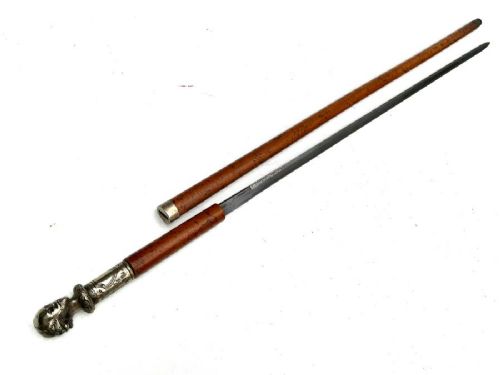
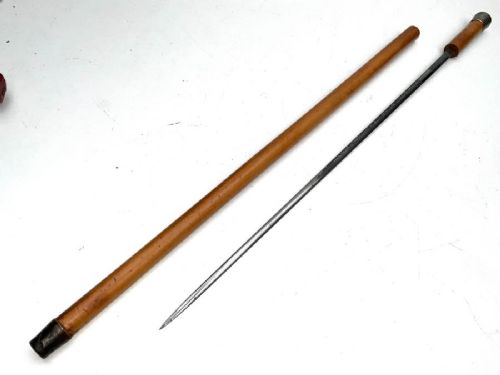
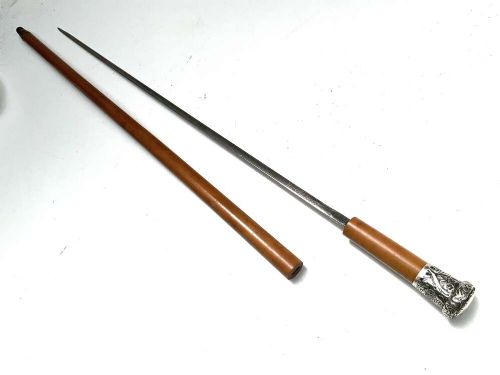
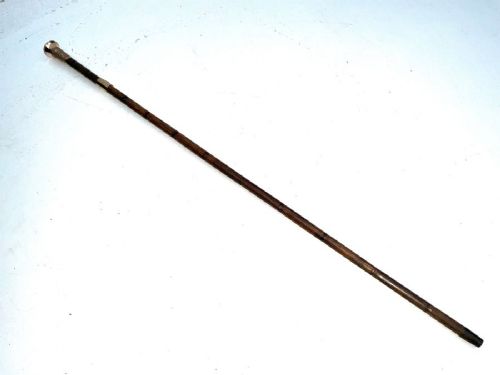
Concealed Sword Walking Stick
A concealed sword walking stick combines everyday gentleman's support with a hidden blade, offering a blend of utility and personal defence from the Victorian era onwards.
Concealed Sword Walking Stick
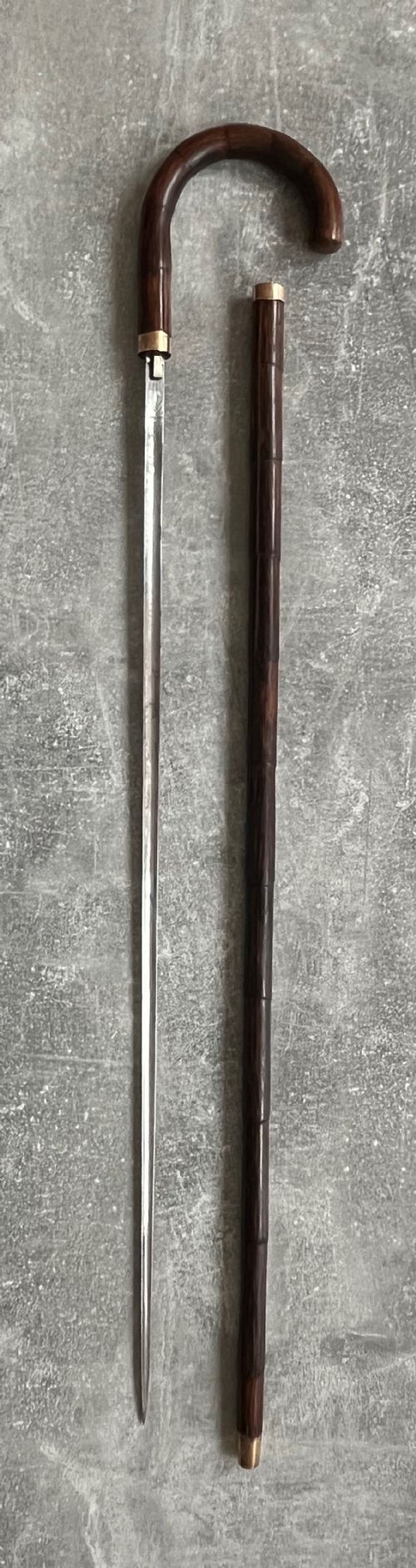
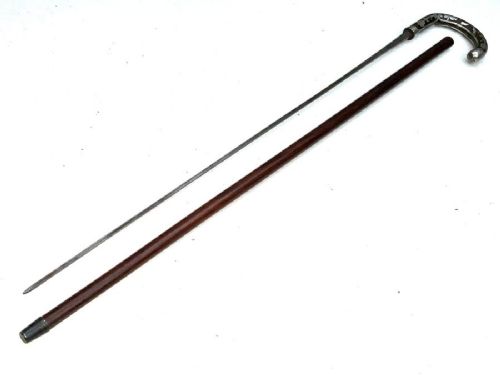
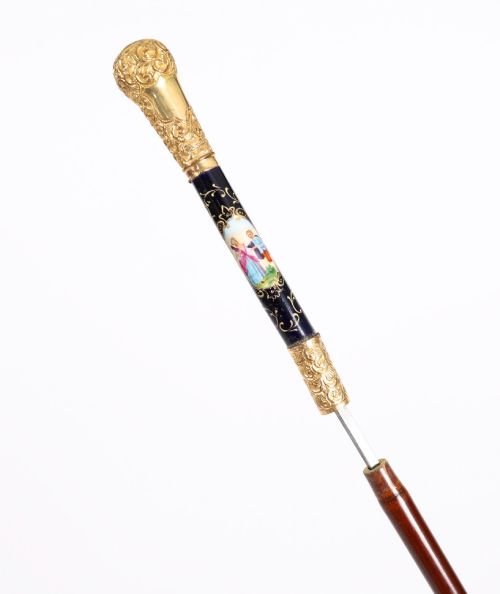
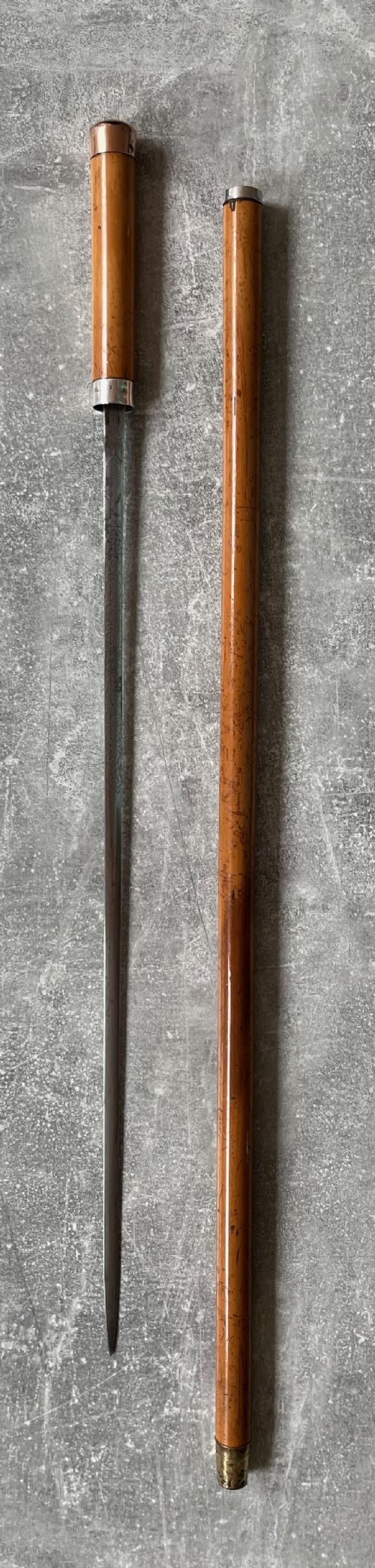
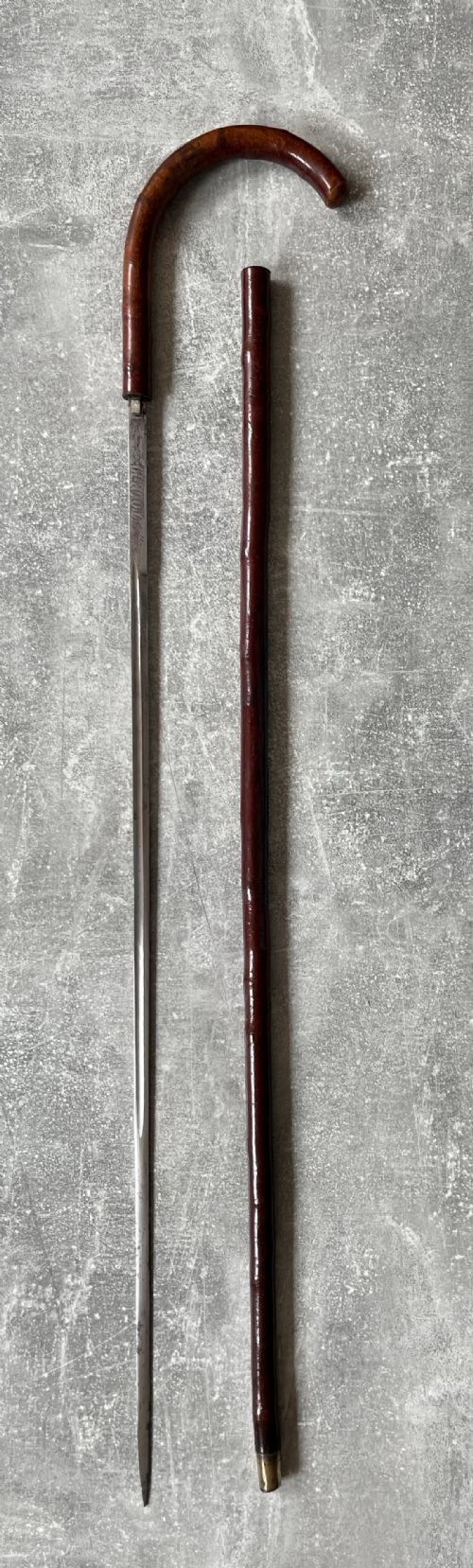
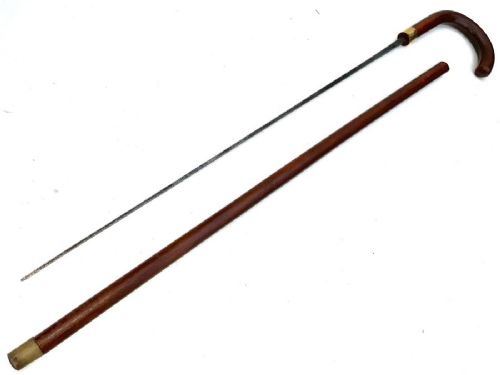
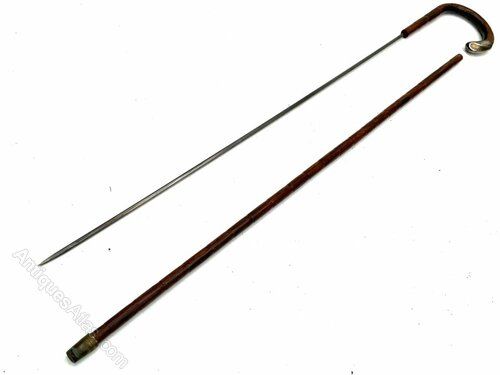
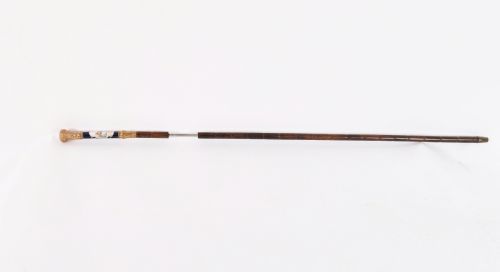
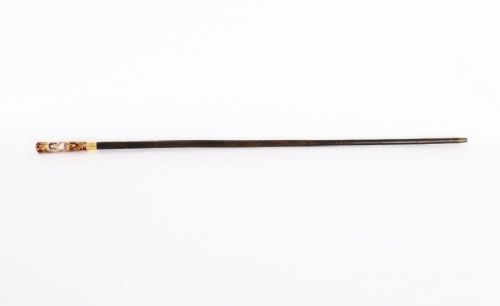
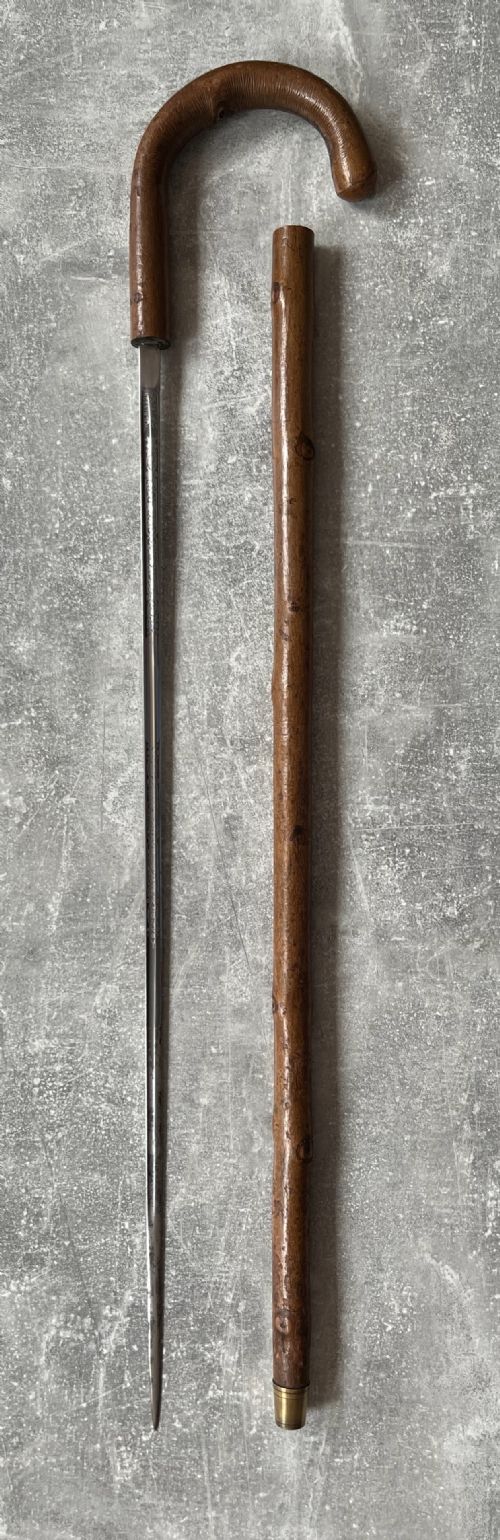
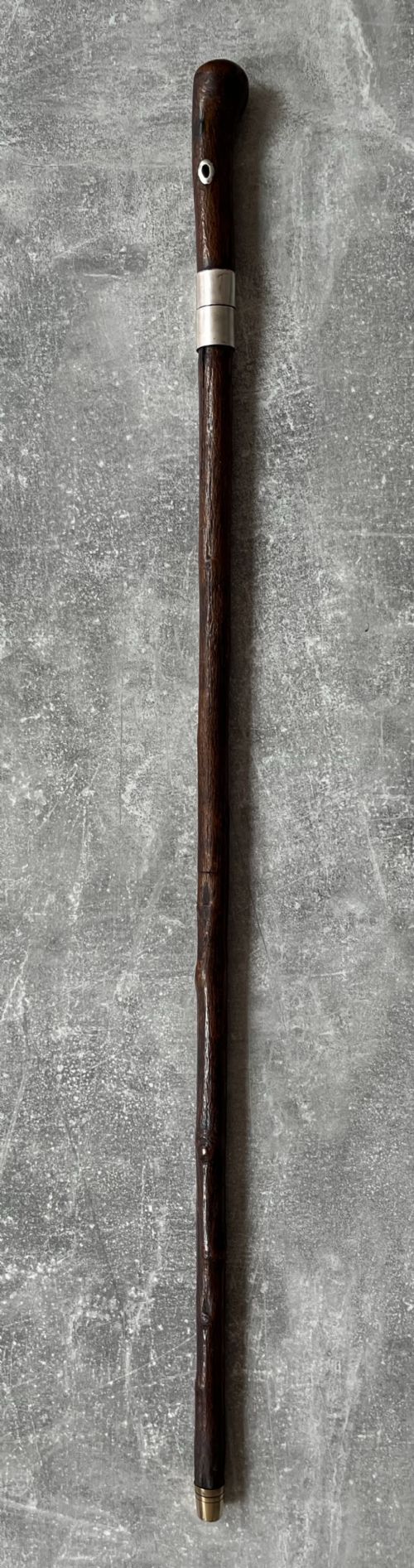
A concealed sword walking stick is a dual-purpose object housing a hidden blade within a wooden or cane shaft, designed for gentlemen requiring discretion and protection during the nineteenth and early twentieth centuries. These pieces appear in forms ranging from plain timber shafts to decorated examples with porcelain handles and metal mounts.
The varieties seen on this page span several decades, including Victorian, Edwardian, and later twentieth-century iterations up to 1920. Makers utilised materials such as malacca cane, partridge wood, hazel, cherrywood, and ebonised wood to form the exterior shafts.
Military and fraternal connections emerge frequently among the listings, encompassing regimental swagger sticks, Imperial German military items, and Masonic symbols. Buyers encounter civilian walking canes alongside pieces tied to specific battalions and officers.
How they were made
Makers constructed the outer shafts from natural woods and canes, shaping materials like malacca, bamboo, holly, rosewood, and blackthorn into supportive walking implements. Craftsmen fitted silver collars, gold plate, bone knops, horn handles, and Sevres porcelain to the grips.
The internal blades rely on steel, with makers such as Wilkinson and Toledo supplying durable metal for the concealed weapons. Button release mechanisms and secure collars kept the blade enclosed within the wooden housing until needed.
Listings feature woods such as rosewood, hazel, holly, and partridge wood alongside malacca cane and bamboo.
What varies in quality
The standard of a concealed sword walking stick depends upon the integration of the handle and the origin of the blade, with Toledo and Wilkinson steel representing high manufacturing marks. Superior examples feature well-fitted button releases and solid silver mounts rather than plated substitutes.
Artistic and material elaboration also distinguish the range, as seen in pieces incorporating hand-painted Sevres porcelain, detailed horn grips, or etched blade decoration. Simpler utility canes contrast with ornately mounted military and Masonic items.
Brigg·Wilkinson
The Concealed Sword Walking Stick Glossary
- Malacca cane
- A strong, spotted rattan stem imported from Southeast Asia and prized for its flexibility and durability as a walking stick shaft.
- Swagger stick
- A short, light stick carried by uniform officers as a symbol of authority rather than for physical support.
- Toledo blade
- A steel blade produced in the Spanish city of Toledo, recognised historically for its strength and resilience.
- Ebonised wood
- Timber treated to imitate the dark, dense appearance of ebony.
- Knop
- A rounded knob or ornamental handle at the top of a walking stick.
Concealed Sword Walking Stick: Frequently Asked Questions
How do you release the hidden blade?
Most concealed sword walking sticks utilise a mechanical button release or a threaded collar mechanism that locks the blade safely inside the wooden shaft until required for use.
Owners press or twist the release to draw the steel blade from the cane body.
What periods do these sticks come from?
The listings on this page originate predominantly from the late nineteenth century and the early twentieth century, spanning the Victorian and Edwardian eras up to 1920.
Earlier examples date from the 1880s and 1890s, while military and Masonic pieces often carry specific dates from the First World War period.
Were these used for military purposes?
Many examples on the market relate directly to military officers and regiments, functioning as swagger sticks or service pieces during the nineteenth and early twentieth centuries.
Fraternal organisations like the Freemasons also commissioned specialised sticks bearing specific symbols and hidden blades.
What materials were used for the handles?
Handles varied widely depending on the intended owner and cost, ranging from carved horn and bone knops to root-ended wood and decorated Sevres porcelain.
Metal collars in silver or gold plate frequently reinforced the join between the handle and the wooden shaft.