
Concealed Blade Stick
A concealed blade stick is a gentleman's walking cane housing a hidden steel weapon, offering discreet personal defence and utility.

Concealed Blade Stick
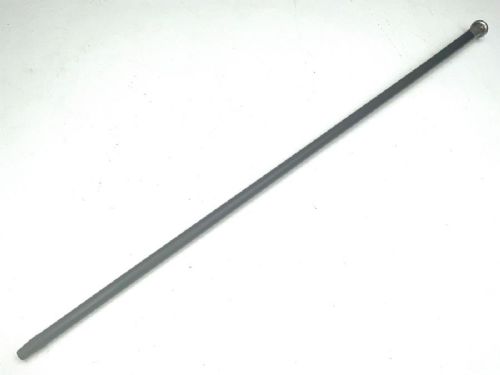
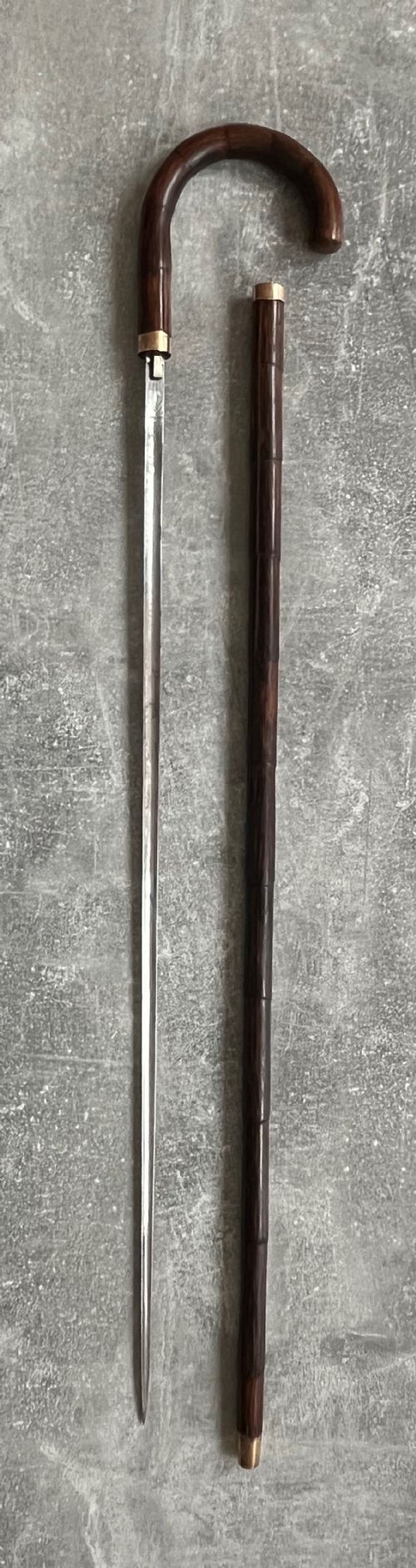
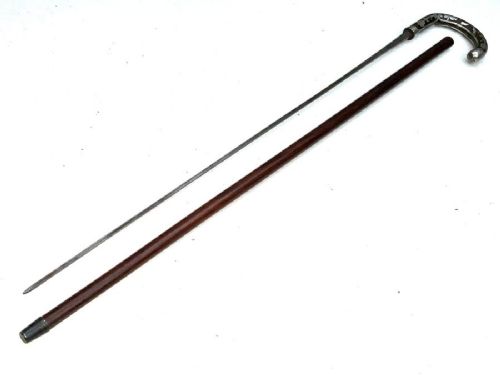
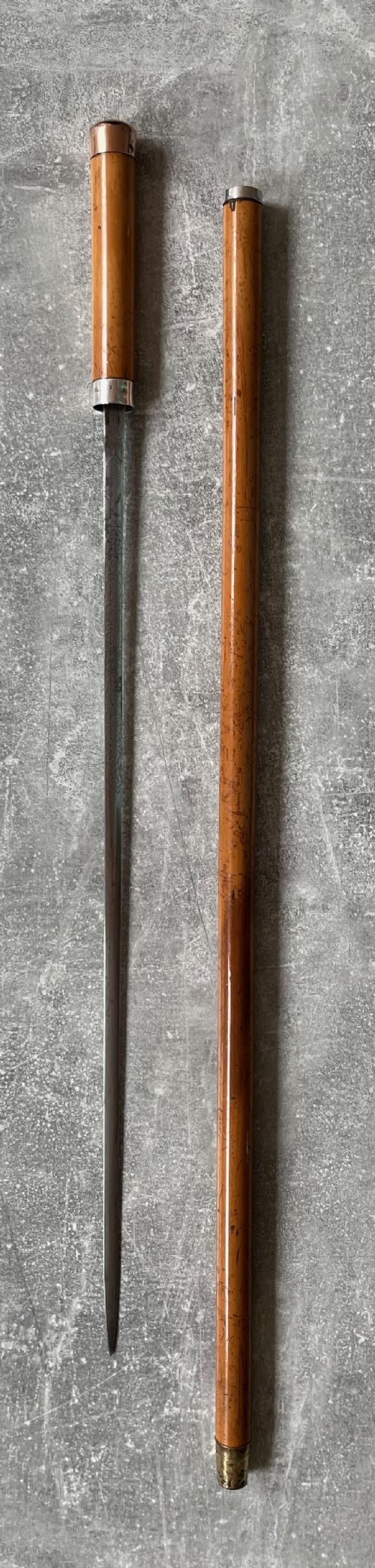
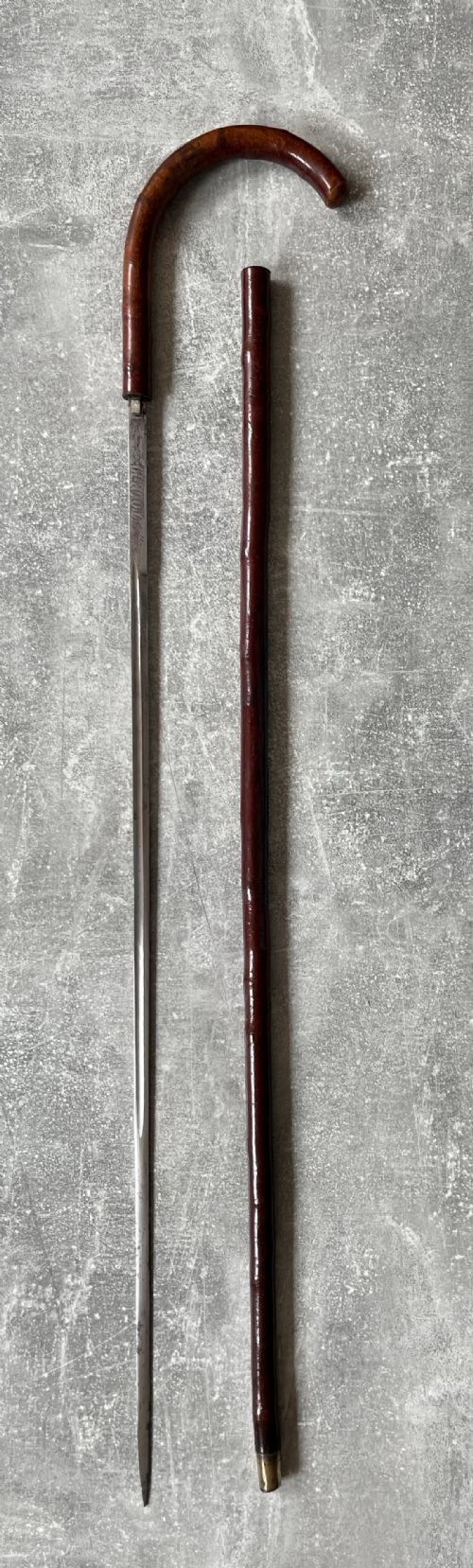
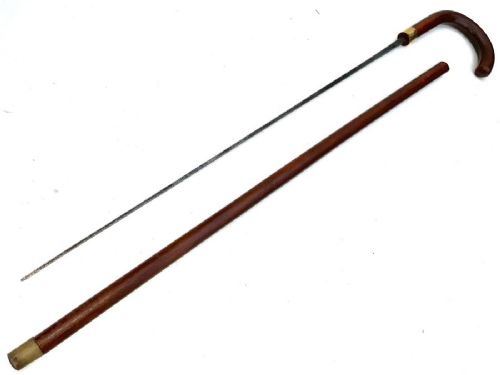
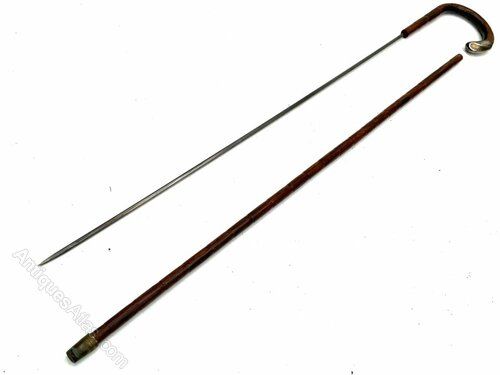
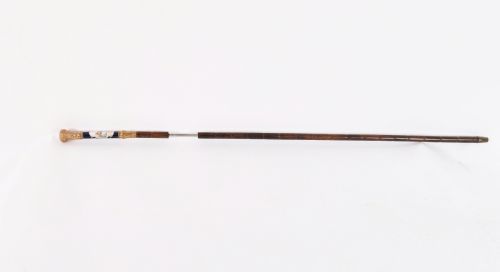
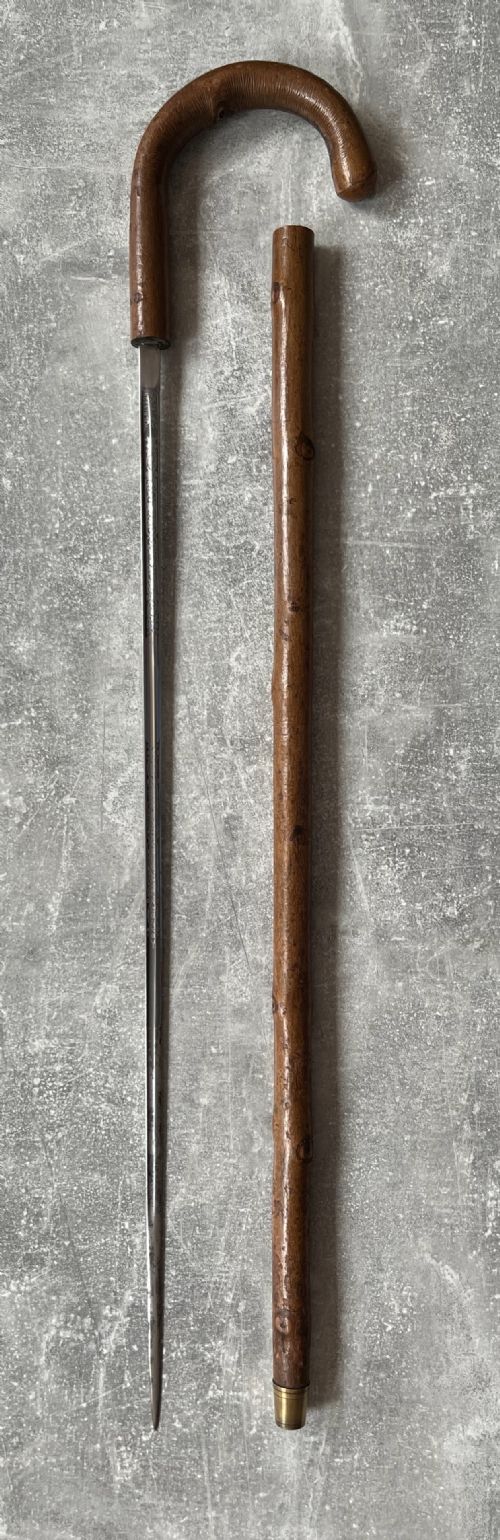
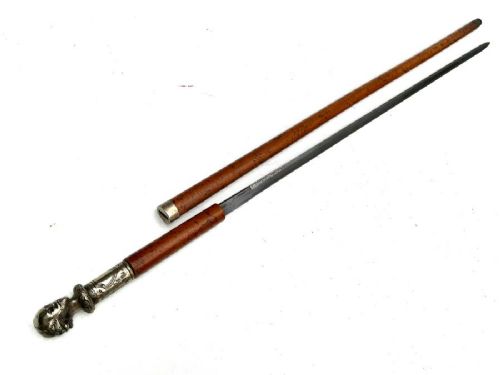
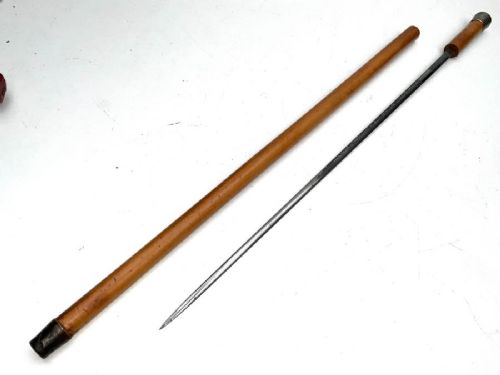
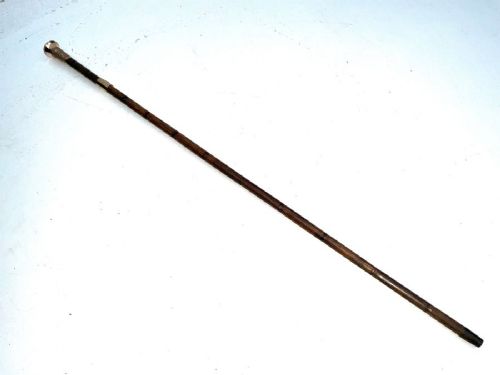
A concealed blade stick combines everyday support with a hidden weapon, often taking the form of a gentleman's walking cane, sword stick, or swagger stick. These pieces emerge predominantly from the Victorian and Edwardian eras, spanning the late nineteenth century into the early twentieth century.
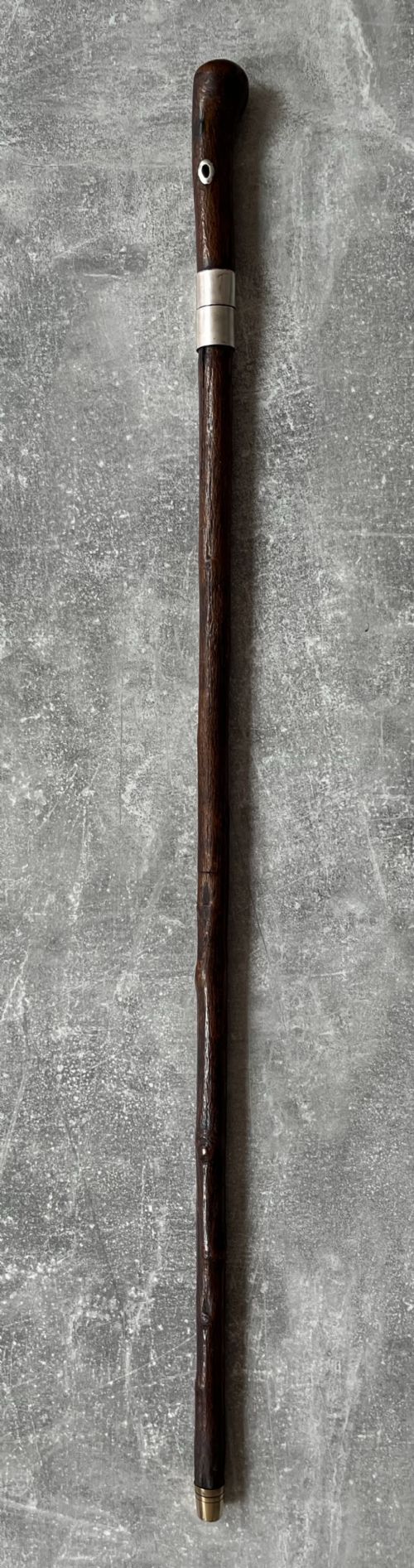
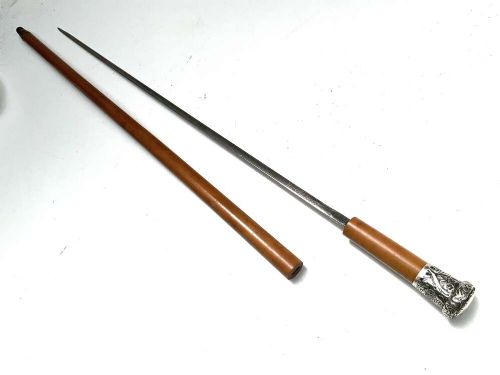
The versions met most frequently on this page include traditional walking canes fitted with button releases, silver collars, and handles fashioned from malacca, hazel, partridge wood, cherrywood, or ebonised wood. Military examples and pieces bearing masonic connections also appear among the selections.
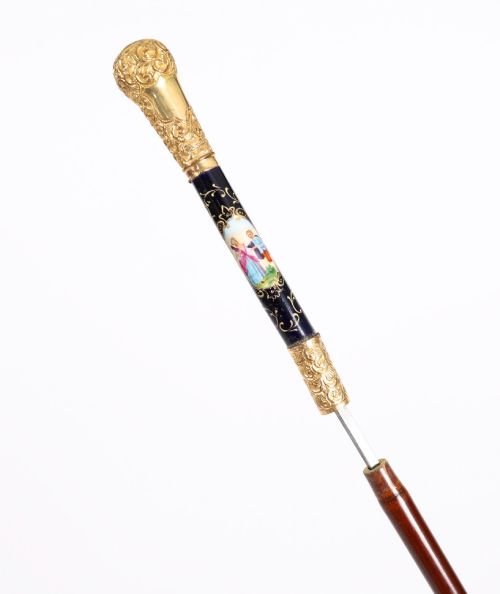
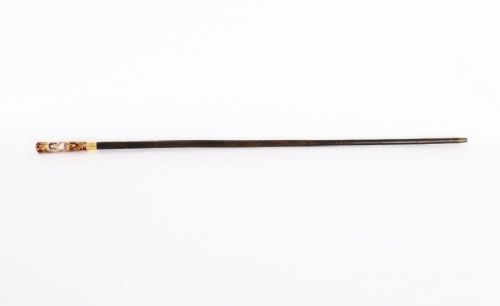
Makers and owners utilised diverse materials ranging from simple bamboo and horn to porcelain and gold plate, housing Toledo or Wilkinson blades inside. The design prioritises discretion, presenting an ordinary walking stick to the casual observer while concealing steel beneath the shaft.
Materials and Construction
Shafts are turned and fitted from natural timbers such as malacca cane, partridge wood, hazel, cherrywood, and ebonised wood, alongside faux bamboo and blackthorn. These woods provide the rigidity required to house an internal metal blade while serving as a sturdy walking aid.
Steel blades, notably originating from Toledo or makers like Wilkinson, sit snugly within the wooden channels, secured by mechanisms such as button releases. Mounts, collars, and handles incorporate silver, brass, gold plate, horn, bone, and Sevres porcelain to finish the exterior.
Concealed Blade Stick Retail Price Guide 2026
Typical asking prices for concealed blade stick among the pieces listed under this phrase on Sellingantiques today, from the lower quarter to the upper quarter. They describe what is for sale here now, not the wider market.
Listings feature pieces spanning the Victorian and Edwardian periods, utilising materials such as malacca cane, silver, brass, horn, and ebonised wood.
Distinctions in Quality
Quality rests in the precision of the joinery between the handle and the shaft, where superior examples maintain a seamless line when closed. The refinement of the button release mechanism and the stability of the fit determine how cleanly the blade withdraws from its wooden housing.
The grade of materials elevates certain pieces above standard utility items, distinguishing basic timbers fitted with plain steel from malacca shafts bearing silver collars, bone knops, and etched Toledo blades. The presence of named military regiments or specialist porcelain mounts further separates standard civilian walking sticks from higher tier specimens.
Brigg·Wilkinson
The Concealed Blade Stick Glossary
- Sword stick
- A walking cane containing a concealed steel blade. This combination serves as both a walking aid and a hidden weapon.
- Swagger stick
- A short, light stick carried by military officers. These items often house concealed blades or serve as symbols of authority.
- Toledo blade
- A steel blade forged in the Spanish city of Toledo. These blades are recognised historically for their tempering and resilience.
- Button release
- A mechanical catch operated by pressing a small stud. This mechanism secures the handle to the shaft until the user wishes to draw the blade.
Concealed Blade Stick: Frequently Asked Questions
How do you open a concealed blade stick?
Most pieces utilise a button release mechanism near the collar which disengages the internal catch holding the handle in place. Pulling the handle straight out separates the wooden shaft from the concealed steel blade.
Care must be taken to pull the handle axially without bending the blade inside its wooden channel. Regular inspection of the release catch prevents the mechanism from sticking over time.
What were concealed blade sticks used for?
Gentlemen carried these items during the Victorian and Edwardian periods for personal defence and as fashionable accessories for daily walks. Military officers also utilised specific swagger sticks and sword sticks as part of their uniform.
The hidden blade provided a discreet means of protection in urban environments where personal security was a concern. The walking stick itself remained an essential part of formal gentlemanly attire.
How do you date a concealed blade stick?
Dating relies on examining the materials, construction styles, hallmarks on silver mounts, and any military or masonic insignia present on the piece. Victorian and Edwardian examples often feature specific wood choices, such as ebonised wood or malacca, paired with etched steel blades.
Comparative analysis with dated examples from military contexts or marked London pieces helps narrow the decade of manufacture. Consulting the style of the handle and mountings provides further chronological indicators.
How should I care for a sword stick?
Keep the wooden shaft and internal blade dry to prevent warping of the timber and corrosion of the steel. Periodically clean the blade with a light oil and check that the locking mechanism functions smoothly without forcing the components.
Display the stick assembled in a stable environment away from direct heat sources. Avoid exposing the porcelain, bone, or silver mounts to harsh cleaning agents.