


Compact Wooden Tallboy
A compact wooden tallboy is a space-saving master of storage, bringing vertical elegance and rich timber grain to any bedroom.
Compact Wooden Tallboy
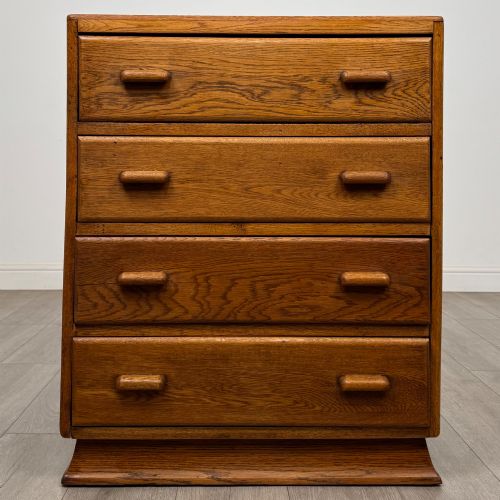
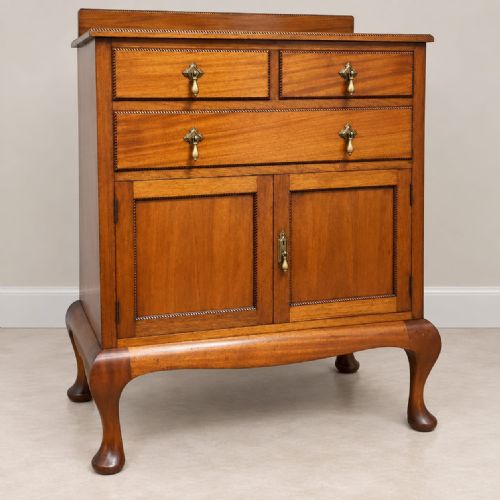
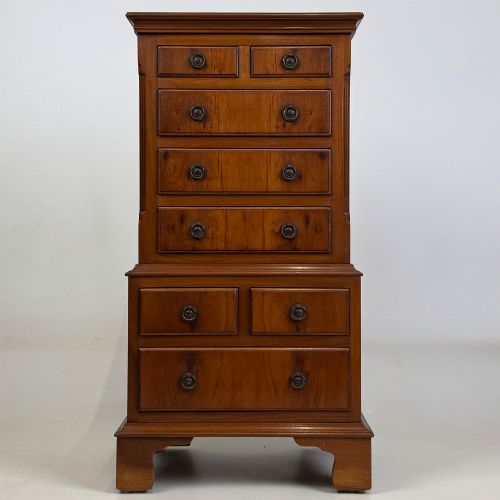
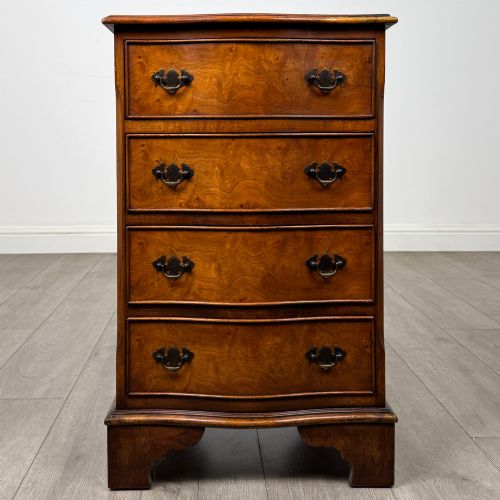
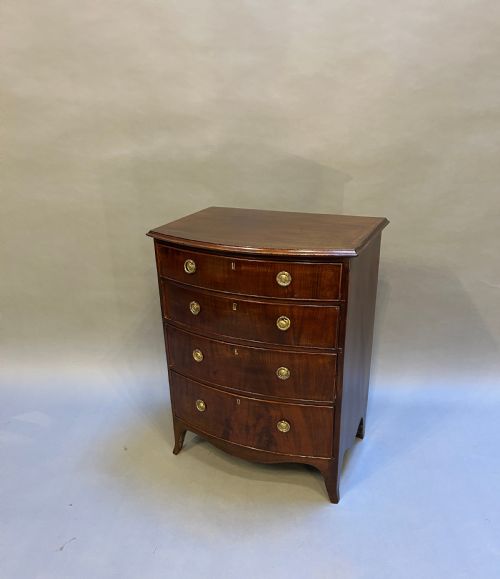
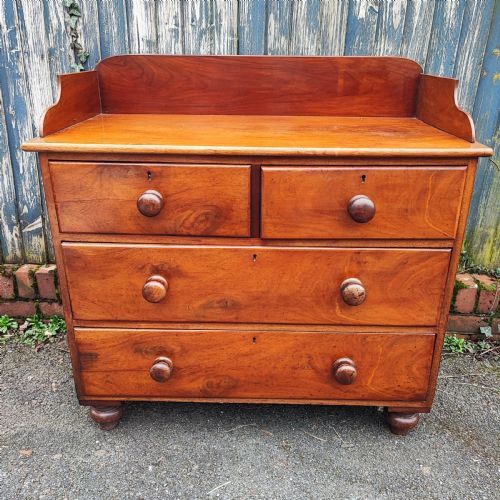
A compact wooden tallboy or narrow chest of drawers rises higher than it is wide, offering substantial storage within a small floor footprint. These pieces span periods from the eighteenth century through the Edwardian era, Victorian times, and early twentieth century.
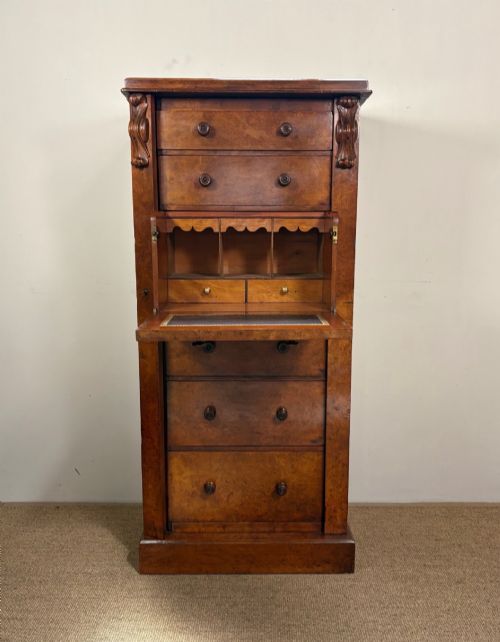
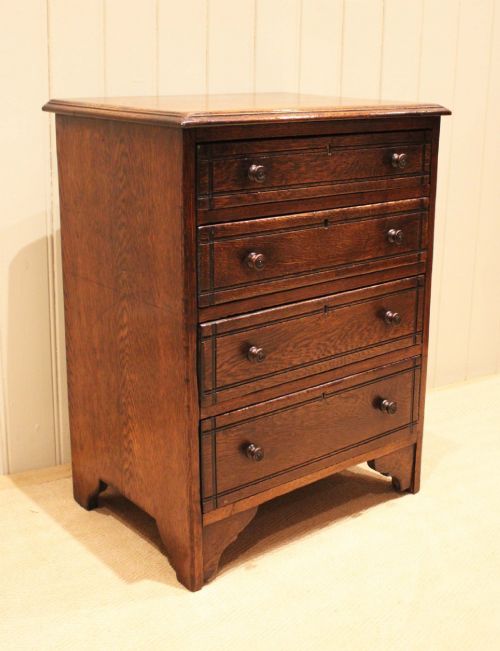
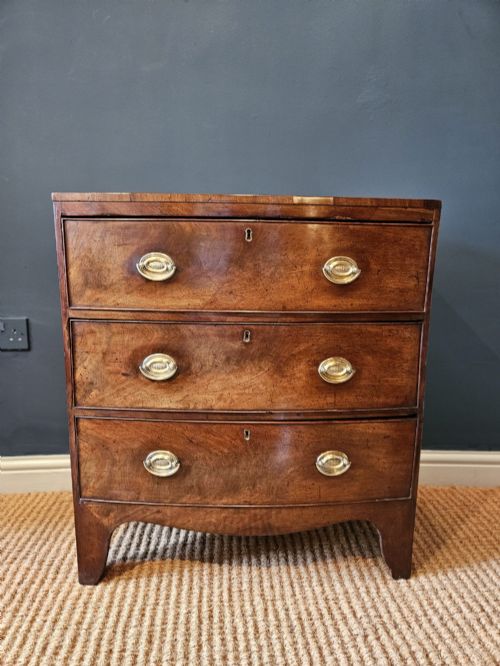
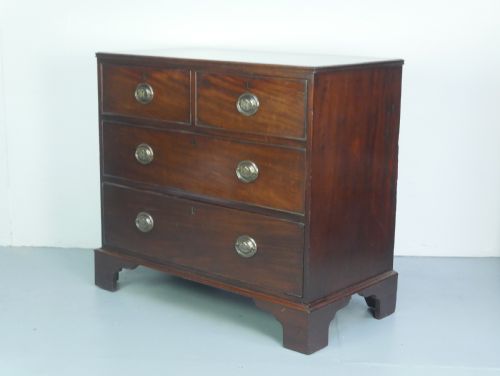
The selection here includes solid oak, mahogany, burr walnut, yew, teak, and ash pieces. Forms range from traditional tallboys and Wellington chests to bachelor chests and serpentine chests of drawers.
Georgian, Regency, and Victorian styles sit alongside Edwardian, Art Deco, and Georgian Revival interpretations. You will find small proportioned models alongside neat period pieces designed for modest chambers.
Materials and construction
Cabinet makers utilised dense hardwoods such as mahogany and oak alongside figured veneers like burr walnut and fiddle back mahogany. Solid timber provides structural integrity for narrow frames while choice veneers display dramatic grain patterns.
Traditional joinery unites frame and drawer components, often incorporating brass handles and escutcheons. Secondary details include leather writing surfaces on specialised forms like bachelor chests and locking mechanisms on Wellington chests.
Listings feature timbers including mahogany, oak, walnut, yew, ash, and teak across Georgian, Victorian, and Edwardian periods.
Judging quality and proportion
The distinction between tiers rests upon timber selection and proportion. Highly figured grain and clean lines on narrow proportions elevate a piece far above utilitarian examples.
Original hardware, sound drawer runners, and crisp moulding details indicate superior craftsmanship. The integrity of the timber finish and the restraint shown in period restorations preserve the character of each chest.
Gillows of Lancaster
The Compact Wooden Tallboy Glossary
- Tallboy
- A tall chest of drawers, typically comprising a double chest or a chest mounted on a stand. It provides maximum vertical storage capacity.
- Wellington chest
- A tall, narrow chest of drawers secured by a hinged vertical locking stile on one side. This mechanism locks all drawers simultaneously with a single key.
- Bachelor's chest
- A small folding-top chest of drawers used for gentlemen's dressing or correspondence. It often incorporates a slide above the drawer tiers.
- Serpentine
- A curved furniture front characterised by a convex centre flanked by concave ends. This contour requires skilled woodworking.
- Fiddle back
- Figured mahogany grain showing undulating transverse patterns resembling the back of a violin. It is prized for its decorative optical depth.
Compact Wooden Tallboy: Frequently Asked Questions
Where should I place a tallboy?
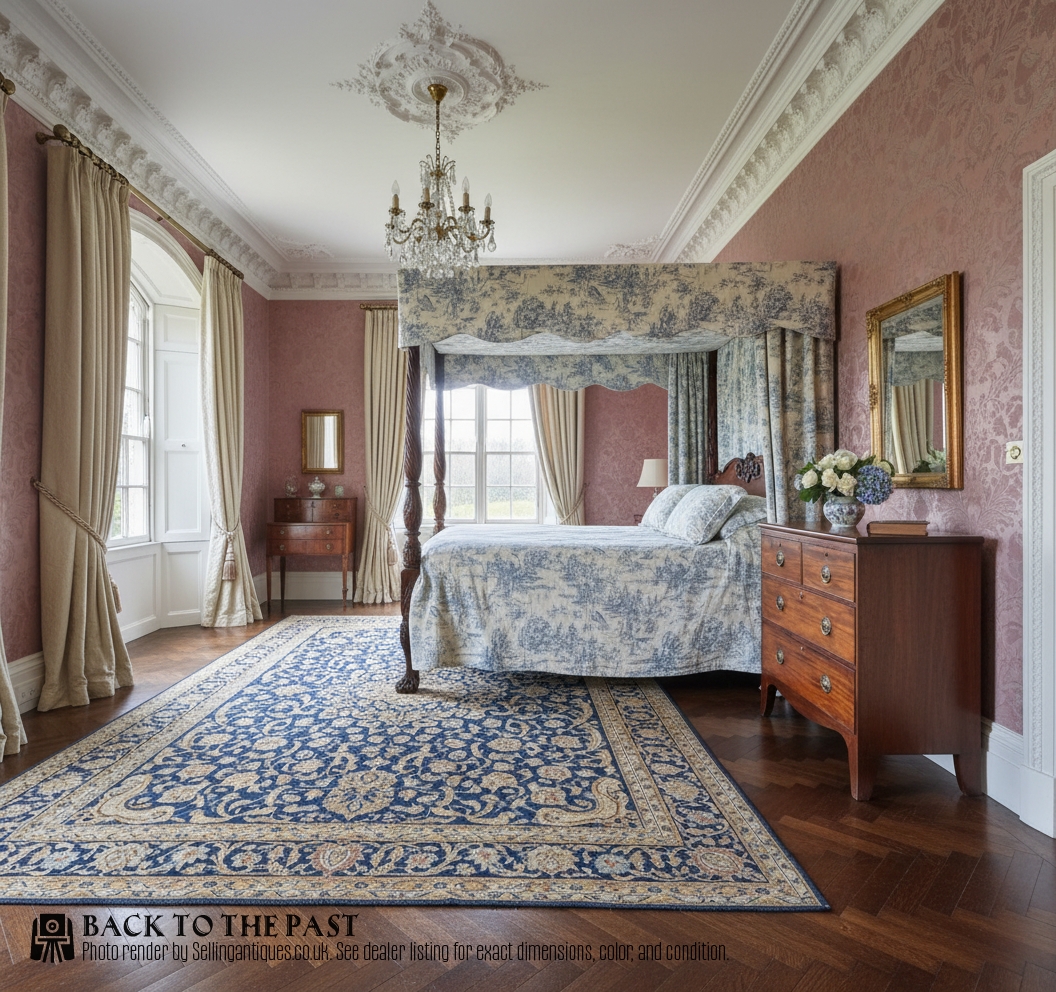
These vertical chests suit smaller bedrooms, hallways, or dressing areas where floor space is limited. Their height draws the eye upward while demanding minimal square footage.
Ensure clearance for opening drawers and any hinged elements, keeping the piece away from direct heat sources to protect the timber.
How do I care for antique wood?
Dust regularly with a soft, dry cloth and feed the timber periodically with traditional beeswax to maintain the lustre. Avoid synthetic polishes and silicone sprays.
Keep pieces out of direct sunlight and maintain stable indoor humidity to prevent the wood or veneer from splitting.
What is a Wellington chest?
A Wellington chest is a tall, narrow drawer unit featuring a locking side bar. This hinged wooden flap fastens with a key to secure all drawers at once.
Originating in the nineteenth century, this design allowed secure storage for papers and valuables in private chambers.
How do I distinguish periods?
Eighteenth-century pieces often exhibit simple oak or mahogany carcases with hand-cut dovetails and patinated surfaces. Victorian and Edwardian examples introduce varied timbers like yew, ash, and teak alongside machine-assisted precision.
Examine the drawer linings, backboards, and hardware styles to ascertain the era of manufacture.