
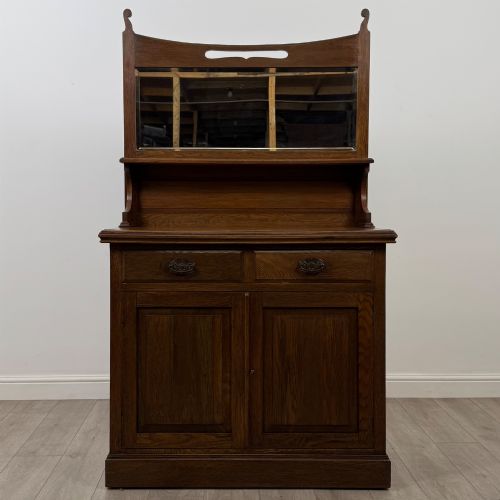
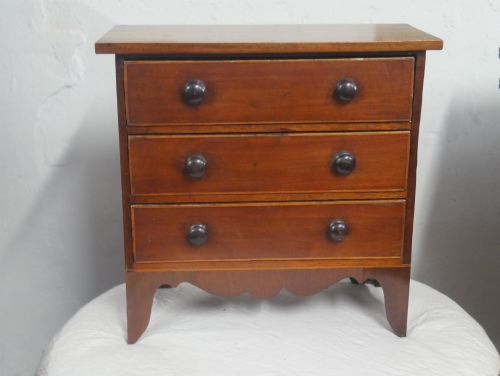
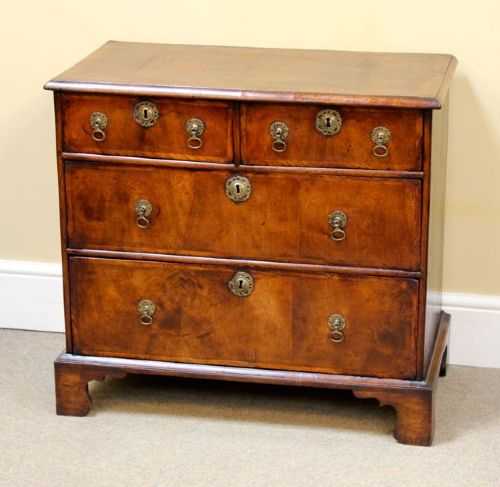
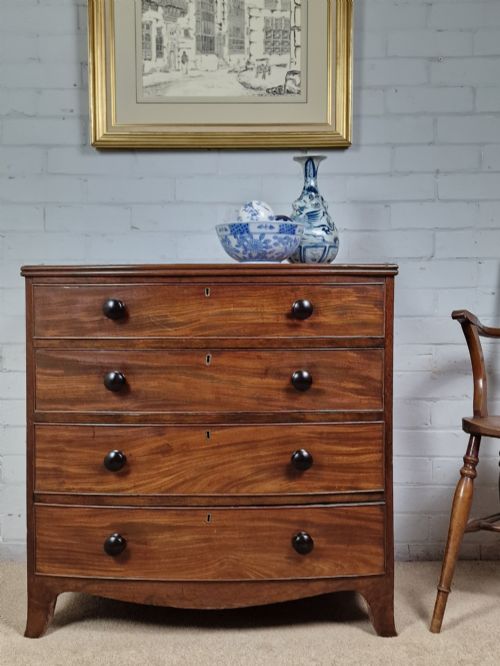




Small Wooden Dresser Cabinet
These small wooden dresser cabinet pieces bring compact period storage to tight spaces, offering timeless craftsmanship in miniature proportions.
Small Wooden Dresser Cabinet
A small wooden dresser cabinet encompasses miniature furniture, diminutive chests of drawers, and compact cupboards originating from periods spanning the eighteenth century through to the Art Deco era of the nineteen-thirties. Buyers searching for a small wooden dresser cabinet frequently encounter apprentice pieces, bow front chests, and low side cupboards designed for modest domestic interiors.
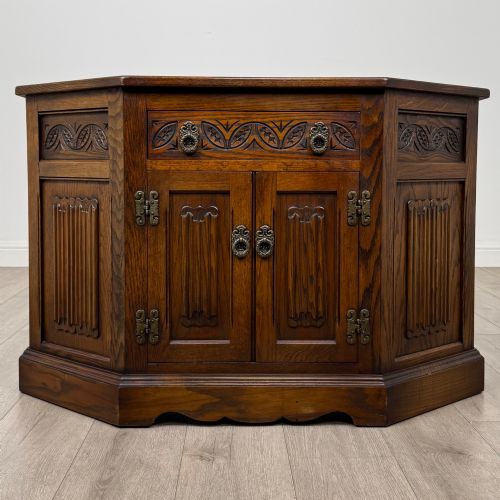
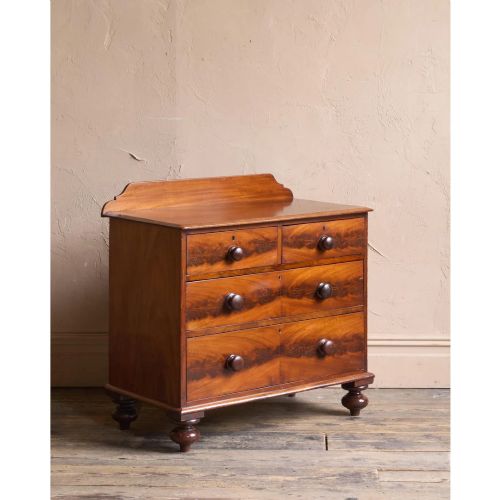
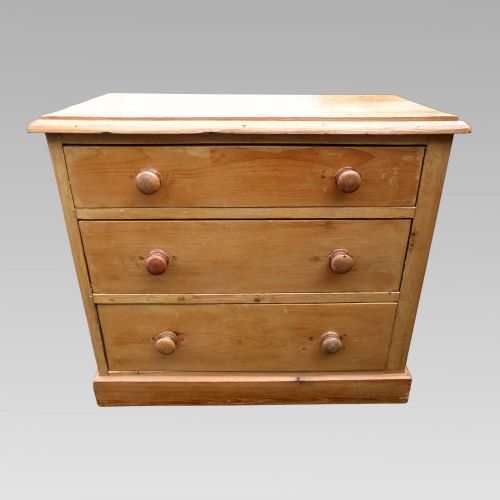
The regional variations found in these small wooden dresser cabinet listings range from Scottish apprentice pieces to Chinese provincial elm tables and George III mahogany designs. Oak, walnut, and pine predominate, often enhanced by flame mahogany veneer or detailed with linenfold carving.
Makers utilised diverse timber species, yielding pieces that function as bedside storage, tabletop display units, or compact hallway chests. Each small wooden dresser cabinet reflects the domestic requirements of its respective era, from Georgian formality to Victorian utility.
Materials and construction techniques
Cabinet makers constructed these small wooden dresser cabinet examples using solid hardwoods like oak, walnut, and mahogany, frequently applying flame mahogany veneer over secondary woods to achieve figured surface patterns. Joinery relied on traditional methods such as dovetailing for drawer construction and pegged mortise and tenon frames for cupboards.
Surface finishing involved hand-applied wax or polish to protect the timber while accentuating natural grain variations. Brass handles, escutcheons, and occasional Bakelite fittings completed the hardware, secured directly to drawer fronts and cupboard doors.
Listings span Georgian, Victorian, and Edwardian periods, utilising mahogany, walnut, oak, pine, and limewood across various chest and cupboard formats.
Assessing quality in compact cabinetry
The distinction between standard domestic items and superior small wooden dresser cabinet examples lies in the selection of timbers and the precision of the joinery. Fine pieces display well-figured veneer alignment, hand-cut dovetails that remain tight, and original hardware without modern replacements.
Proportion and architectural harmony separate exceptional items from utilitarian ones, particularly in miniature and apprentice pieces where scale dictates the overall balance. Original surface patination and untouched secondary timbers further elevate the standing of a piece.
The Small Wooden Dresser Cabinet Glossary
- Apprentice piece
- A small-scale item created by a journeyman to demonstrate mastery of cabinet-making skills before admission to a guild. These miniature cabinets mirror full-sized furniture in construction detail.
- Bow front
- A convex, curved front elevation popular on Georgian and Edwardian chests of drawers. This styling requires specialist joinery to bend or shape solid timber and veneer.
- Chiffonier
- A compact sideboard or low cupboard developed in the nineteenth century, often featuring enclosed shelving below and open shelves above. They served as versatile storage in smaller dining rooms.
- Court cupboard
- A traditional English cupboard featuring recessed upper sections supported by pillars, originating centuries before the Victorian era. These sturdy oak pieces provide shallow storage space.
- Linenfold
- A style of wood carving that imitates folded parchment or linen, frequently seen on Tudor Revival and early twentieth-century oak panels. Cabinet makers carved these designs in low relief.
- Flame mahogany veneer
- A decorative wood slicing displaying a distinctive flickering flame pattern derived from the branch junctions of mahogany trees. Craftsmen applied these veneers symmetrically to primary drawer fronts.
Small Wooden Dresser Cabinet: Frequently Asked Questions
What is an apprentice chest?
An apprentice chest is a miniature piece of furniture constructed by a craftsman in training to prove his technical competence to a trade guild.
These smaller items replicated every structural detail of full-sized furniture, including functional drawers and traditional joinery, scaled down for display or transport.
How do I date a small wooden cabinet?
Dating relies on observing timber choices, construction methods, and stylistic details such as bracket feet, handles, and veneer types. Georgian pieces typically show fine dovetailing in oak linings, whereas later Victorian examples utilise pine and machine-sawn elements.
Comparing hardware fixings and secondary woods provides further clues to the manufacturing decade.
Where should I place a small dresser cabinet?
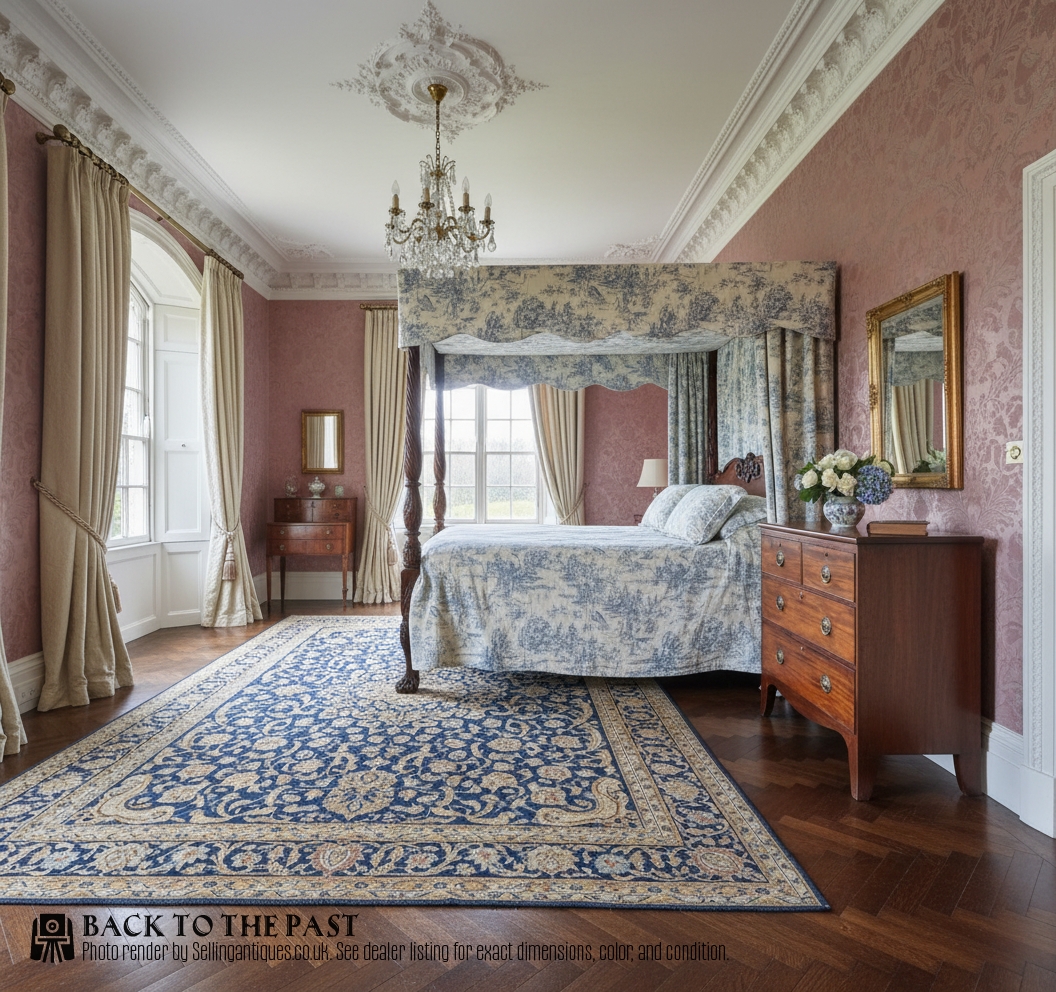
These compact units suit hallways, bedrooms, or living spaces where floor area is limited yet period character is desired. Their diminutive scale allows them to function as bedside tables, auxiliary storage, or surface display units.
Placing them away from direct heat sources protects the antique timber and delicate veneers from drying out.
Are these cabinets made of solid wood?
Many examples utilise solid timbers such as oak, walnut, pine, and elm throughout their primary and secondary structures. Finer decorative pieces incorporate thin veneers applied over stable softwood or hardwood bases to create striking grain patterns.
Examining the drawer linings and interior panels reveals the underlying construction materials.