


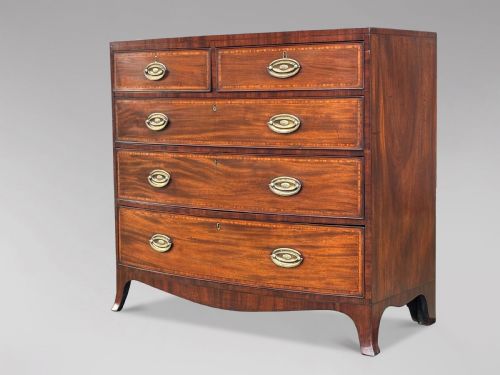


Regency Brass Handle Bureau
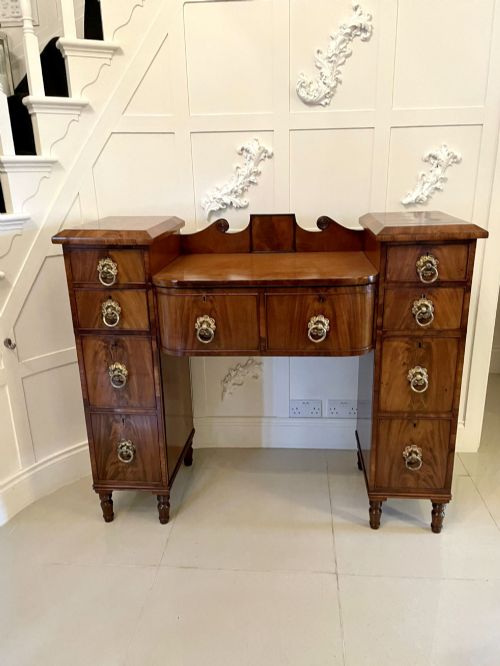
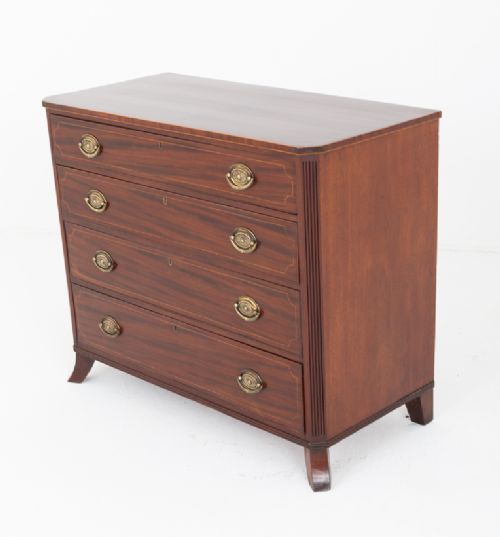
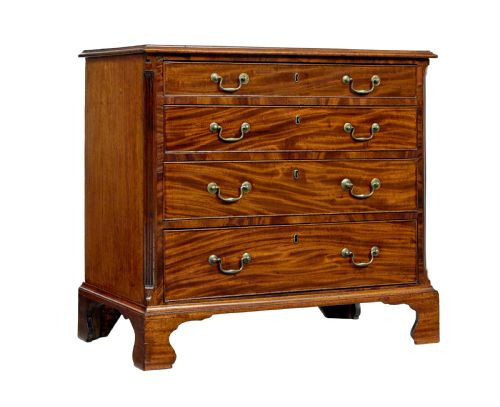
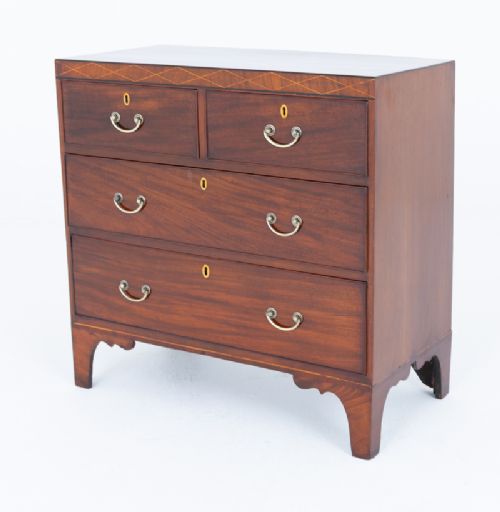
Regency brass handle bureau pieces are classic mahogany and flame mahogany desks and chests designed for writing and storage.
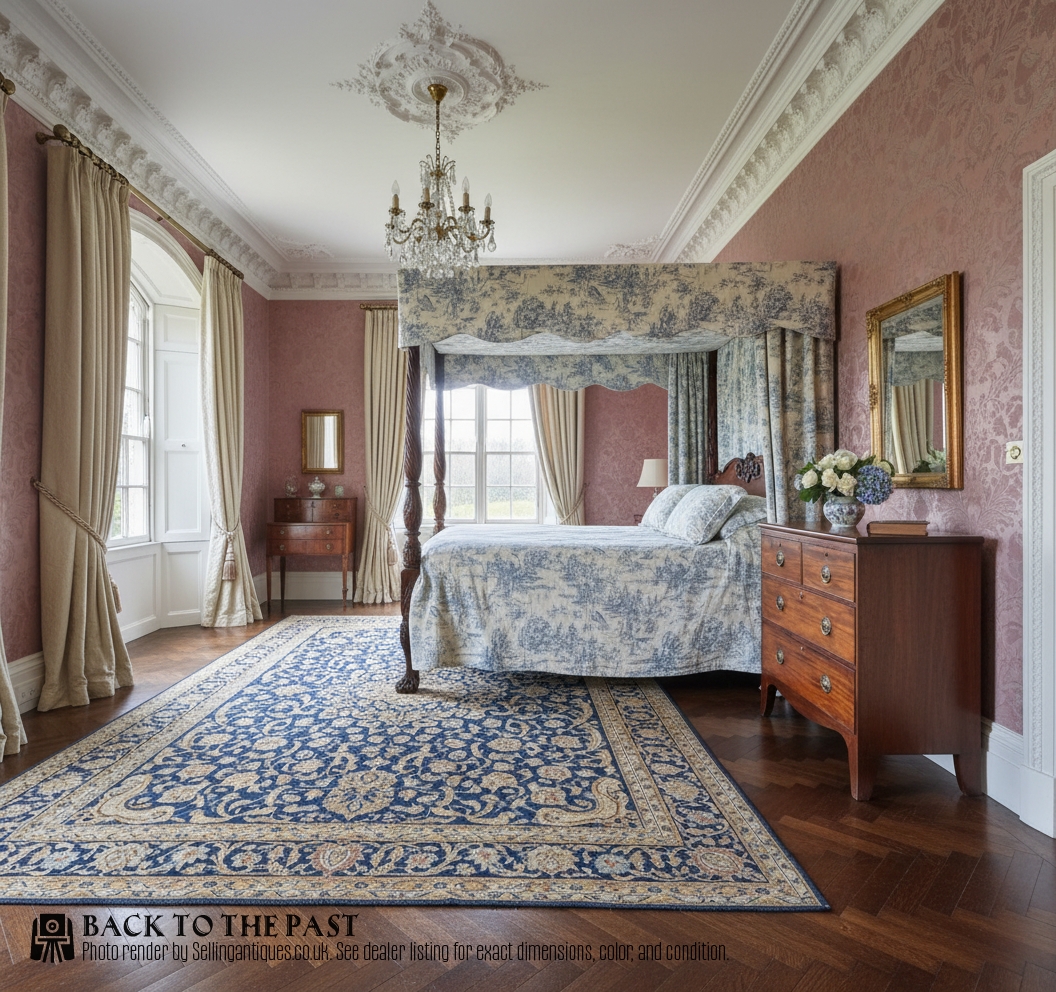
Regency Brass Handle Bureau
A regency brass handle bureau combines practical storage with dedicated writing surfaces, appearing predominantly as chests of drawers, cylinder desks, and secretaire chests. These pieces originate primarily from the Regency and Georgian periods, showcasing the classic proportions and clean lines typical of early nineteenth-century cabinetmaking.
Buyers browsing this selection will most frequently encounter mahogany and flame mahogany chests of drawers alongside specialised desks fitted with brass ring handles. The inventory spans straightforward four-drawer chests to more intricate cylinder desks and secretaire variants featuring internal compartments for correspondence.
Materials and construction
Cabinetmakers constructed these pieces using solid mahogany, flame mahogany, and oak, often incorporating secondary timbers such as elm and boxwood for internal elements. Timber selection dictated the visual weight of the furniture, with figured mahogany providing dramatic grain patterns across drawer fronts.
Decorative detailing relied on precision craftsmanship rather than excessive ornamentation, utilising ebony inlay, bone accents, and cast brass ring handles. Drawer construction typically featured graduated depths and fine dovetail joints designed to endure daily use.
Current listings feature materials including mahogany, flame mahogany, oak, elm, ebony, bone, and boxwood.
Distinguishing quality across the range
Quality in these pieces is dictated by the selection of timber veneers, particularly the choice of figured and flame mahogany across the primary surfaces. Superior examples demonstrate careful grain matching and precise inlay work in ebony and boxwood.
The refinement of internal fittings, such as fitted secretaire drawers with pigeonholes and small compartments, separates standard storage chests from higher-status writing furniture. Furthermore, the crispness of the brass handle castings and the integrity of the secondary timbers indicate the original maker's skill.
The Regency Brass Handle Bureau Glossary
- Secretaire chest
- A cabinet that appears to be a standard chest of drawers but conceals a drop-front writing drawer fitted with internal compartments. This clever dual-purpose design was particularly popular during the Regency era.
- Cylinder desk
- A writing desk featuring a rolling curved wooden cylinder that encloses the desk surface and pigeonholes when closed. It offers a neat appearance while securing private correspondence.
- Flame mahogany
- A highly figured veneer cut from the fork of a mahogany tree where the branch meets the trunk. This produces a distinctive flickering flame pattern highly prized by period cabinetmakers.
- Bow front
- A convex curved cabinet front that swells outward toward the centre. This curved profile softens the rectangular geometry typical of standard chests.
- Brushing slide
- A pull-out wooden shelf positioned above the top drawers of a chest, historically used for dusting garments or temporarily holding papers.
Regency Brass Handle Bureau: Frequently Asked Questions
What is a secretaire chest?
A secretaire chest combines the outward appearance of a standard drawer unit with a functional writing desk hidden behind a drop-front top drawer. Inside, you typically find a collection of small drawers and pigeonholes.
This form allowed homeowners to manage correspondence without dedicating a separate room to a full-sized desk. It represents a practical solution for compact Regency interiors.
Where should I place a bow front chest?
A bow front chest works well in a bedroom, hallway, or living space where its curved facade softens the room's angles. Ensure you allow adequate clearance in front of the piece for the drawers to open fully.
Because these chests often feature rich flame mahogany veneers, positioning them away from direct sunlight preserves the timber colour.
How do I care for mahogany furniture?
Maintain mahogany surfaces by dusting regularly with a soft, dry cloth and avoiding silicone-based polishes that build up over time. Keeping the furniture away from direct heat sources prevents the timber and veneer from splitting.
Applying a traditional beeswax periodically nourishes the wood and enhances the natural warmth of the grain.