



Compact Wooden Dining Table
A compact wooden dining table solves the perennial problem of small rooms by folding down or extending when guests arrive.
Compact Wooden Dining Table
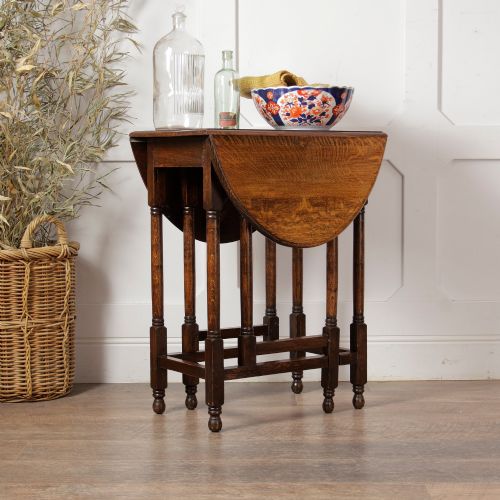
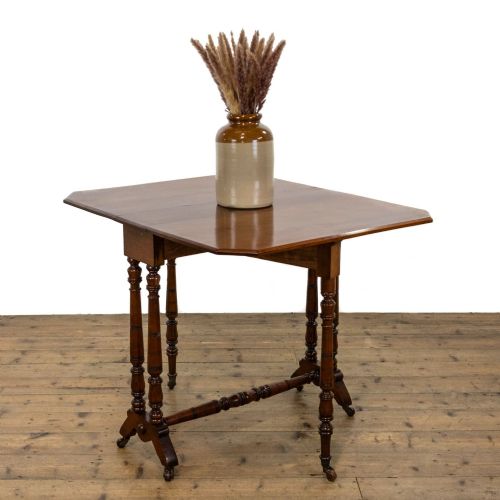
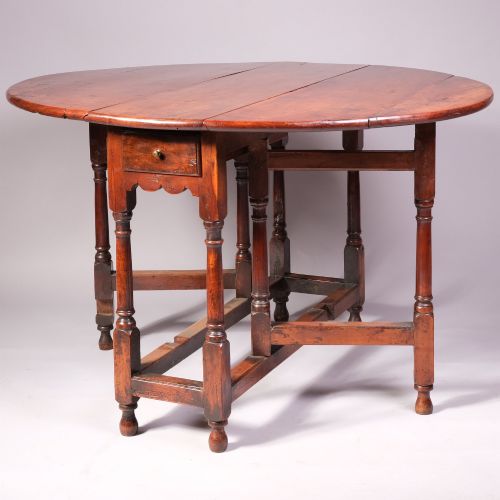
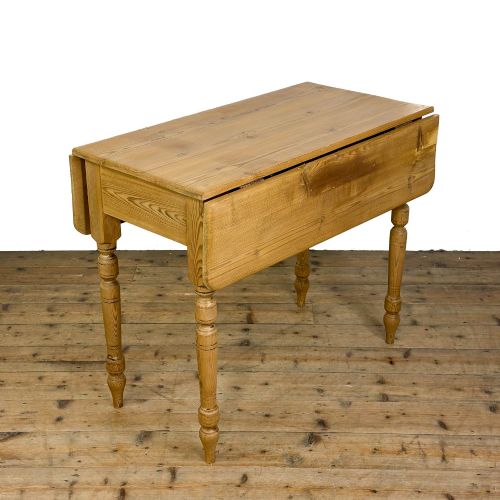
When searching for a compact wooden dining table, buyers encounter a variety of period folding and drop leaf designs that save space. These pieces adapt easily to smaller dining rooms and kitchens while offering genuine antique character.
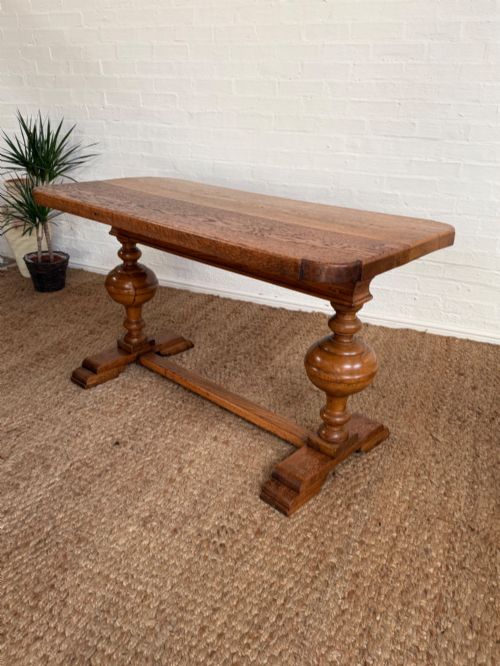
The selections on this page span from the eighteenth century through to the early twentieth century, taking forms such as gateleg tables, Sutherland tables, Pembroke tables, and refectory styles. Pine, oak, mahogany, and walnut appear frequently in these smaller formats.
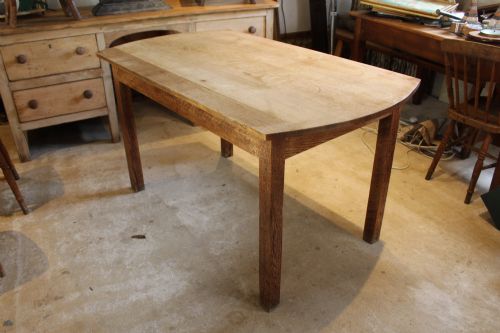
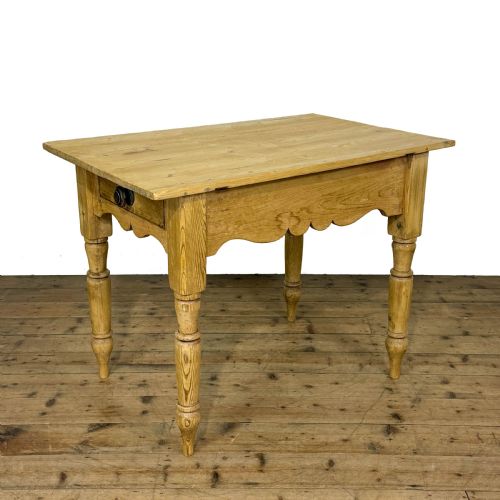
Drop leaf mechanisms and gateleg frames dominate the selection, allowing tops to expand or contract according to daily needs. Smaller farmhouse kitchen tables and narrow dining designs also provide practical surfaces without dominating a room.
Materials and construction
Cabinet makers built these tables using robust hardwoods like mahogany, oak, and walnut, alongside domestic softwoods such as pine. Timber selection depended on regional availability and the intended formality of the furniture, with figured mahogany and rich walnut reserved for refined parlours.
Joinery techniques included mortise and tenon frames, hinged rule joints on drop leaves, and pivoting gate legs to support extended flaps. Brass castors, ceramic fittings, and inlaid satinwood banding occasionally provide functional movement and decorative contrast.
Compact Wooden Dining Table Retail Price Guide 2026
Typical asking prices for compact wooden dining table among the pieces listed under this phrase on Sellingantiques today, from the lower quarter to the upper quarter. They describe what is for sale here now, not the wider market.
One nimble nineteenth century cottage diner prefers to fold away entirely rather than participate in household arguments.
Quality differences
The distinction between ordinary and exceptional examples rests in the choice of timber figure, the precision of the joinery, and the retention of original surfaces. Tables constructed from dense, well-seasoned mahogany or quarter-sawn oak demonstrate superior stability over centuries of folding and unfolding.
Finer pieces display subtle decorative touches such as satinwood banding, delicate spider legs, or crisply turned gate supports. The fluidity of the drop leaf mechanism and the tightness of the hinges further separate standard utility pieces from high-workshop production.
The Compact Wooden Dining Table Glossary
- Gateleg table
- A table with hinged leaves supported by swinging legs that pull out like a gate. This design provides maximum surface area when open and minimal footprint when folded.
- Sutherland table
- A particularly narrow style of drop leaf table featuring very slender legs and leaves that fold down almost vertically. It was designed to take up minimal space against a wall.
- Pembroke table
- A small rectangular table with two hinged drop leaves on opposing sides, often fitted with a single drawer. It originated in the eighteenth century as a breakfast or writing table.
- Rule joint
- A rounded moulding joint connecting a table top to its drop leaf. This construction leaves no visible gap when the leaf is raised.
- Quarter-sawn
- A method of cutting logs that produces boards with enhanced dimensional stability and distinctive grain figuring. Oak treated this way displays striking medullary ray patterns.
Compact Wooden Dining Table: Frequently Asked Questions
How do I seat four people at a compact table?
Many drop leaf and gateleg designs expand outward when the folding flaps are lifted and supported by swinging legs or brackets. This allows a narrow everyday footprint to transform into a four-seater dining surface.
Selecting models with oval or rectangular drop leaves ensures adequate legroom beneath the top when fully opened.
Can I use a Sutherland table for everyday meals?
Sutherland tables are exceptionally narrow when folded, making them ideal for restricted spaces such as cottages or apartments. Their slender legs and drop leaves accommodate light dining when fully extended.
Because their framing is lighter than a heavy refectory table, they suit casual meals rather than heavy daily service.
How do I identify eighteenth century timber?
Eighteenth century tables frequently utilise dense, heavy cuts of mahogany, oak, or yew wood with deep patination developed over generations. Examination of the underside often reveals hand-cut timber marks and traditional peg joinery.
Secondary woods used for drawer linings and interior framing also point toward period manufacturing methods.