



Compact Walnut Drawers
Compact walnut drawers offer clever storage for small rooms, bringing rich timber grain and period character to desks, chests and writing cabinets.
Compact Walnut Drawers
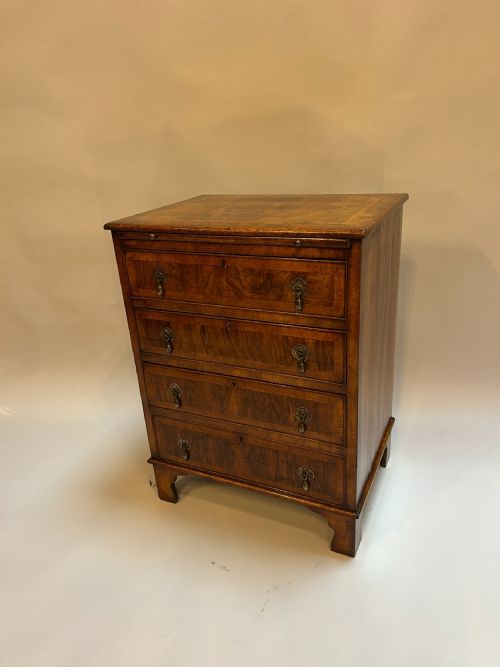
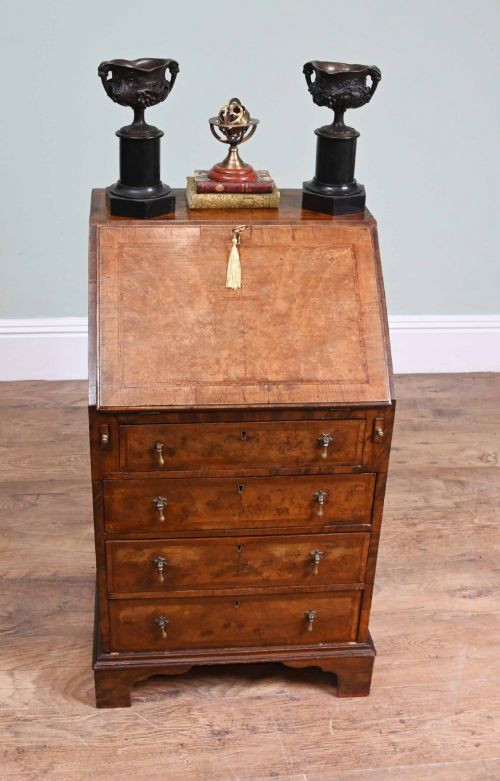
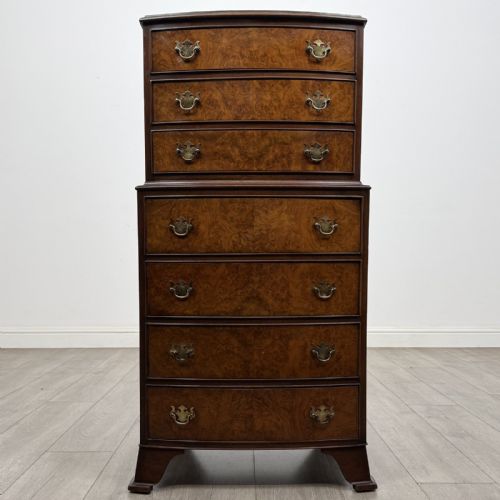
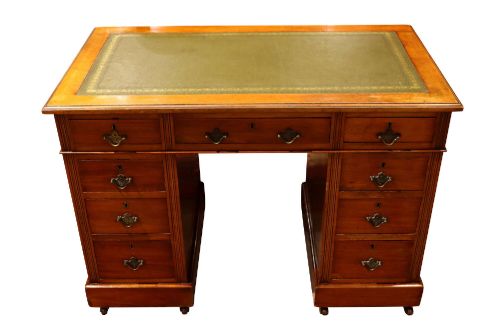
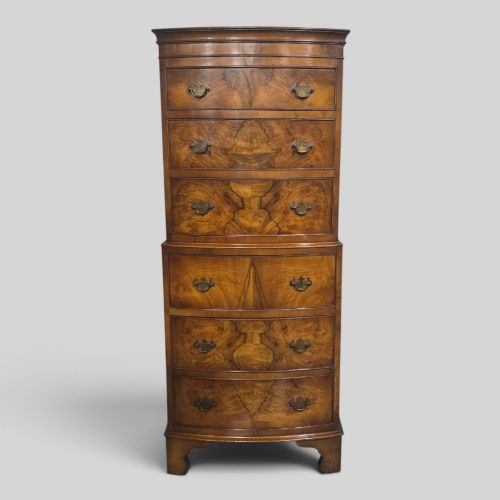
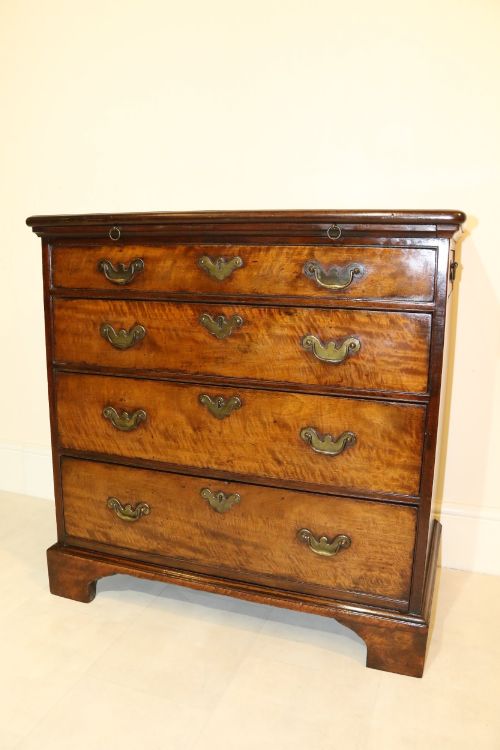
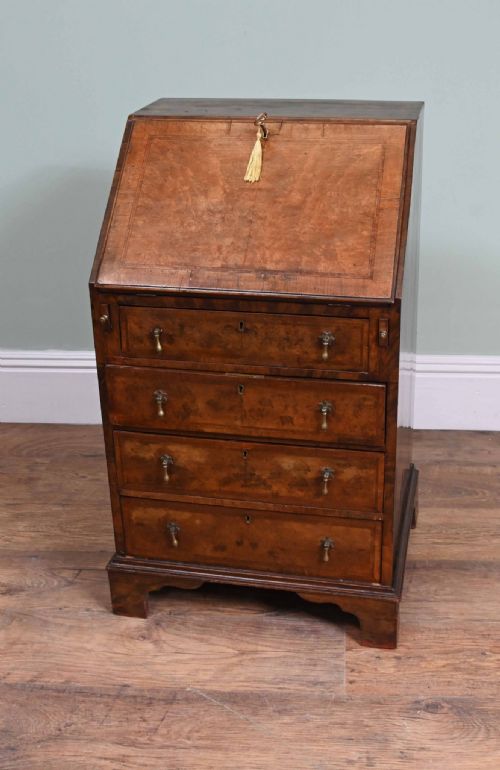
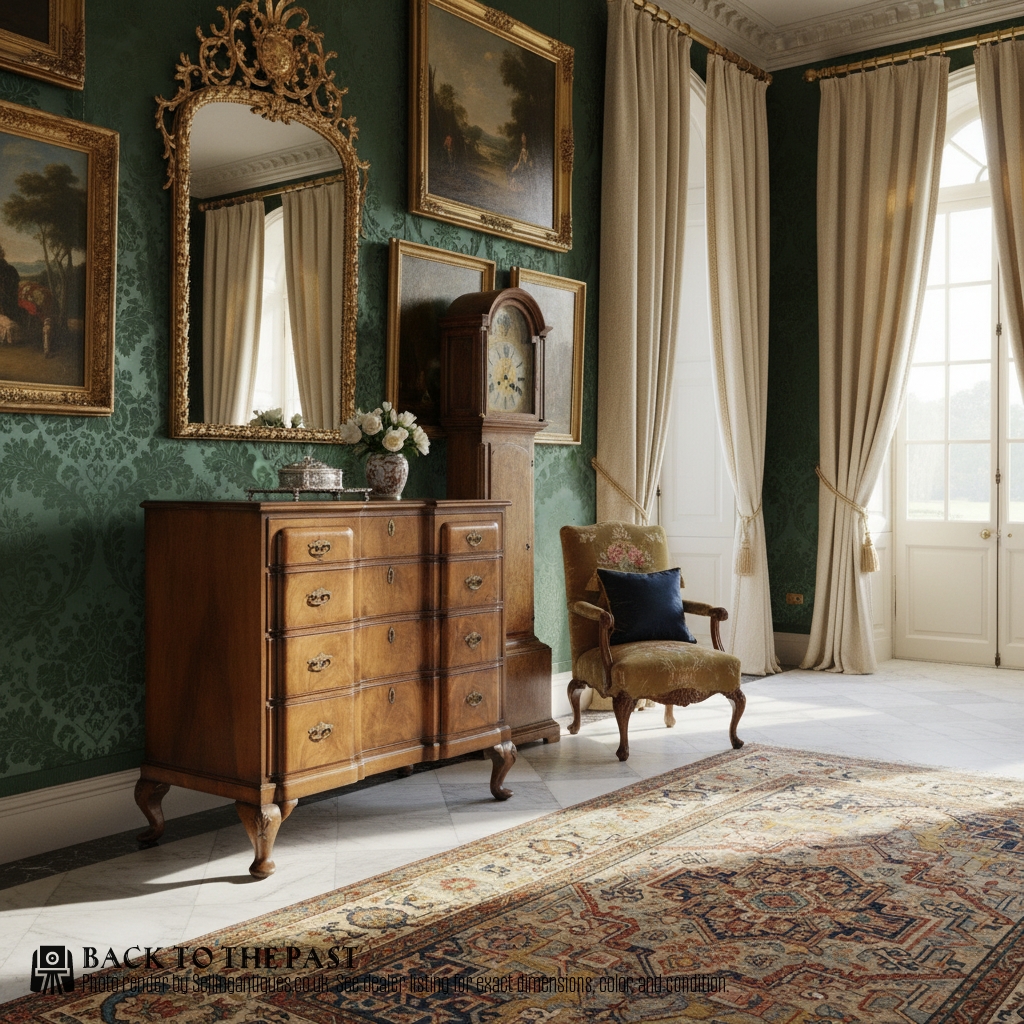
Compact walnut drawers span functional writing desks, bedside chests and tallboys designed to maximise storage without dominating a room. When you search for compact walnut drawers, you meet pieces conceived for modest spaces, often featuring clever internal compartments or writing surfaces.
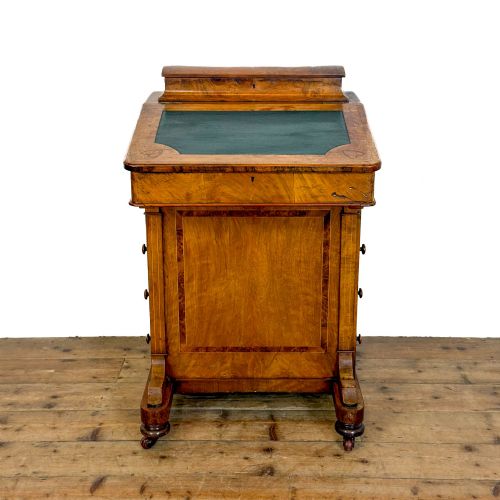
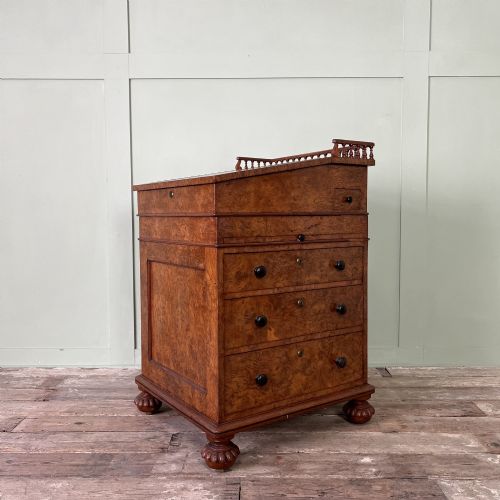
The selection here draws heavily on Victorian examples, alongside Edwardian designs and pieces from the early twentieth century. These embrace forms like the Davenport desk, the bureau and the small chest of drawers.
Cabinetmakers worked extensively in both plain and burr walnut, sometimes enhancing the timber with figured veneers, wood inlay or marquetry. Revival styles inspired by the Georgian and Queen Anne periods appear alongside distinct Victorian and Art Deco shapes.
Materials and construction methods
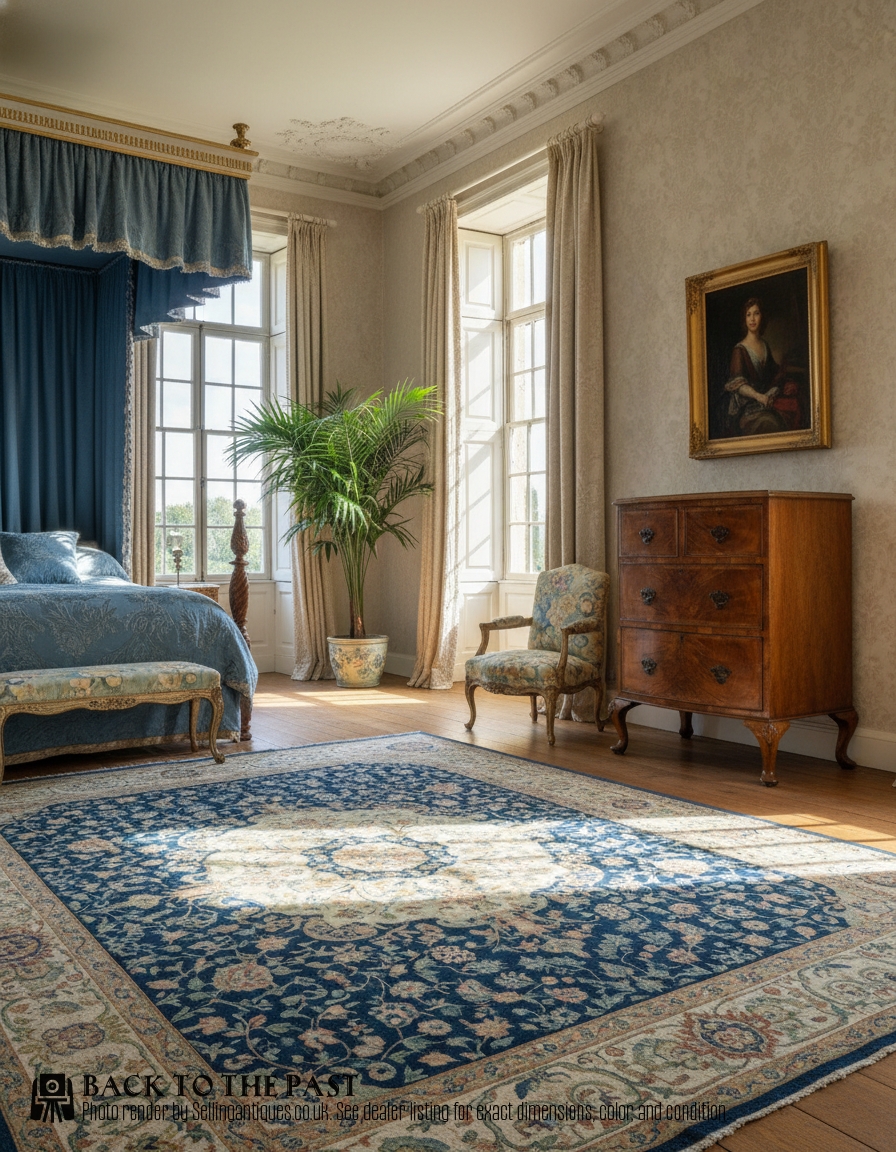
Makers selected walnut for its deep colour and decorative grain, frequently slicing burr walnut or figured veneers to cover primary display surfaces. Secondary timbers like oak and elm provided sturdy interior framing for drawer linings and carcases.
Cabinetmakers integrated brass handles, hinges and rails to secure writing slopes and small drawers. Wood inlay and marquetry added geometric or floral patterns to tabletops and drawer fronts, demonstrating precise hand-cutting techniques.
Compact Walnut Drawers Retail Price Guide 2026
Typical asking prices for compact walnut drawers among the pieces listed under this phrase on Sellingantiques today, from the lower quarter to the upper quarter. They describe what is for sale here now, not the wider market.
Several desks conceal stationary compartments and secret drawers, designed to keep private correspondence safely tucked away from wandering eyes.
Distinctions in craftsmanship
Quality rests primarily on the choice of timber and the skill of the veneer work, where book-matched burr walnut creates a symmetrical, balanced pattern across a front or lid. Superior pieces maintain crispness in their inlaid details and mouldings without clumsy repairs.
The interior engineering separates standard utilitarian pieces from finer creations, particularly in desks with sliding compartments, secret drawers or smoothly operating mechanisms. Solid secondary woods and well-fitted dovetail joints ensure stability through decades of daily use.
Gillow & Co·Gillows of Lancaster
The Compact Walnut Drawers Glossary
- Burr walnut
- A veneer sliced from the gnarled growth of a walnut tree, yielding a swirling, highly decorative grain pattern.
- Davenport
- A small compact desk featuring a sloping writing surface above a pedestal of drawers.
- Tallboy
- A tall chest of drawers, often constructed in two sections to provide substantial storage within a narrow footprint.
- Marquetry
- The art of forming decorative patterns by fitting together small pieces of different coloured veneers.
- Wellington chest
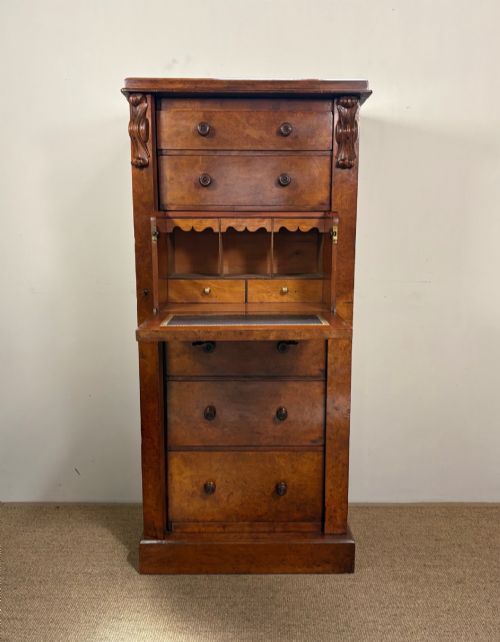
- A tall, narrow chest of drawers secured by a hinged vertical locking bar on one side.
Compact Walnut Drawers: Frequently Asked Questions
What is a Davenport desk?
A Davenport is a compact form of writing desk featuring a sloped, leather-inset top sitting above a pedestal of small drawers.
First popularised in the nineteenth century, these pieces were designed for drawing rooms and small studies where space remained limited.
How do I identify burr walnut?
Burr walnut displays a distinctive swirling, mottled grain pattern created by clustered tree growths rather than straight timber rings.
Cabinetmakers prized this veneer for its rich visual texture on drawer fronts and desk lids.
Were these drawers used for writing?
Many compact drawer forms incorporate writing surfaces, secret compartments and stationery pigeonholes alongside standard storage.
Victorian and Edwardian examples often combined the function of a bureau with the footprint of a small chest.
How do I tell Victorian from Edwardian pieces?
Victorian examples tend to feature heavy timber proportions, darker finishes and elaborate burr walnut veneers.
Edwardian pieces often appear lighter in scale, sometimes reflecting Georgian revival influences with cleaner lines and subtler inlay.