


Compact Study Table
A compact study table is a smaller workspace built for serious correspondence without dominating the room.
Compact Study Table
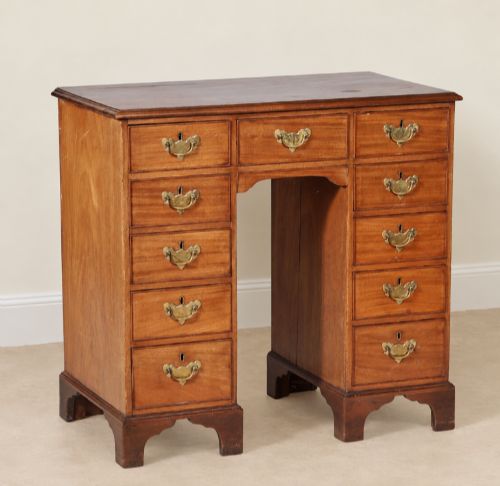
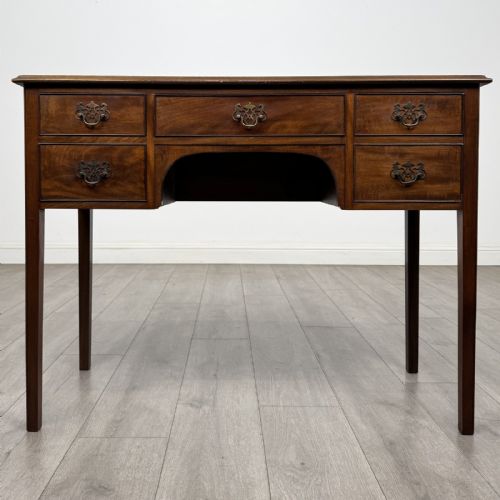
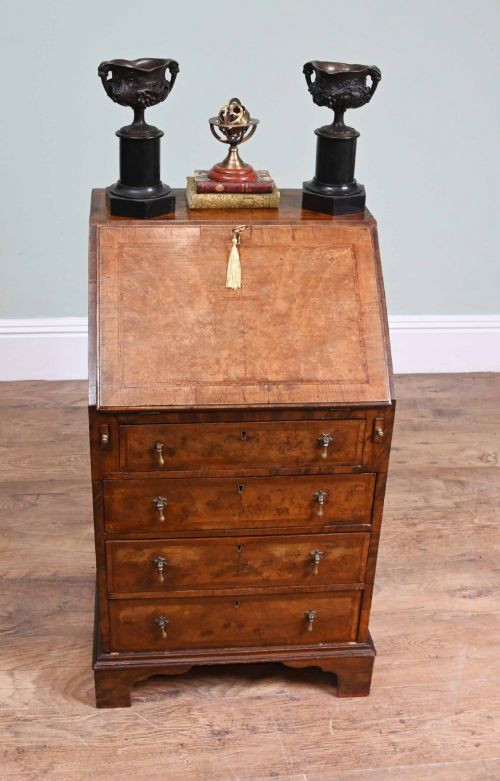
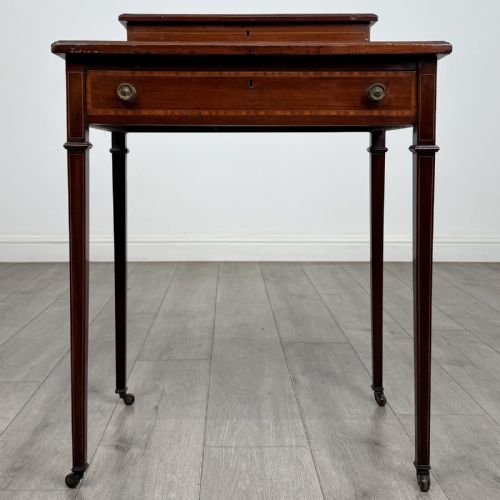
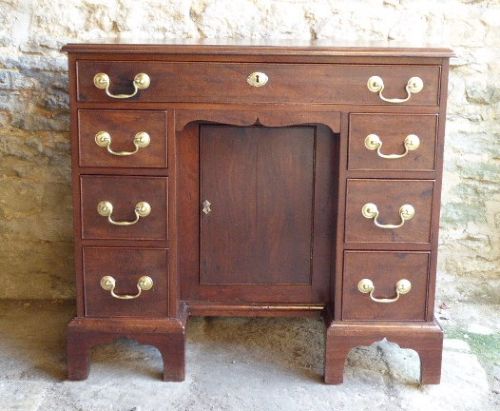
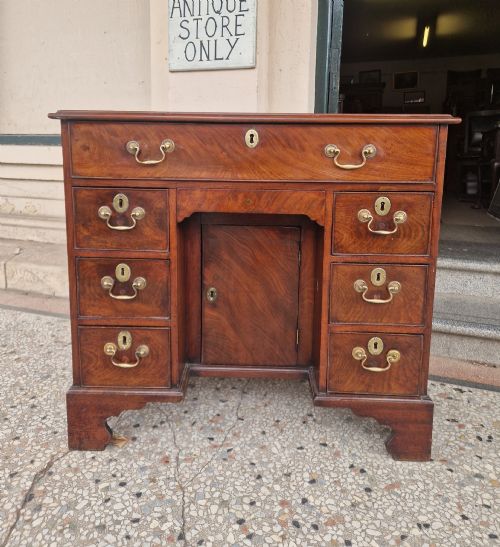
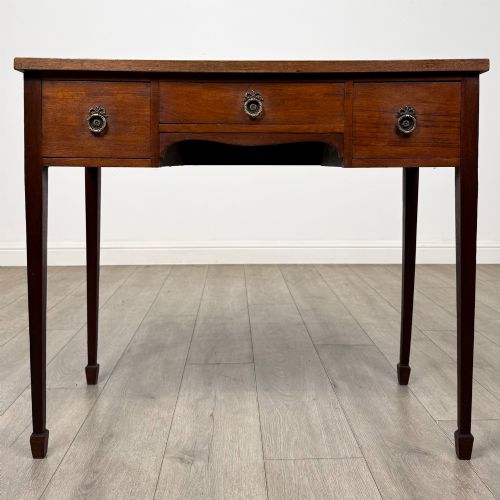
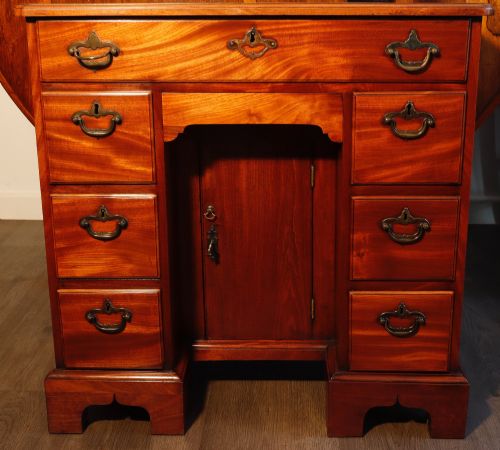
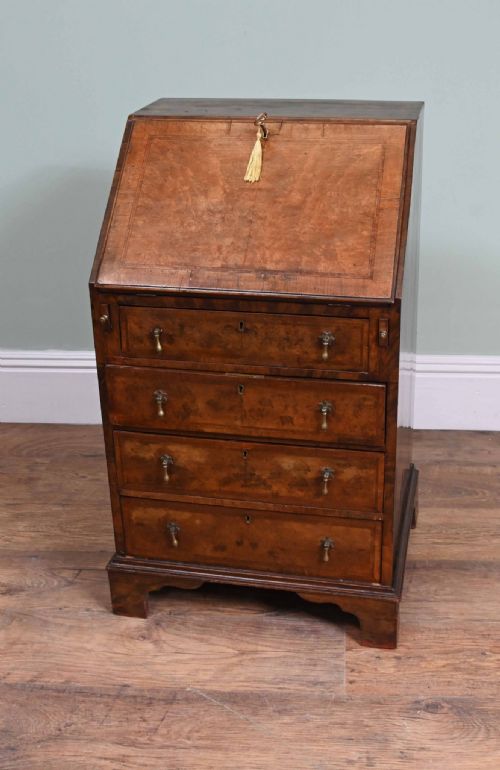
A compact study table brings together various forms designed for small-scale writing and paperwork, from kneehole desks to davenports and bureaux. These pieces span multiple periods including the Georgian, Regency, Victorian, and Edwardian eras.
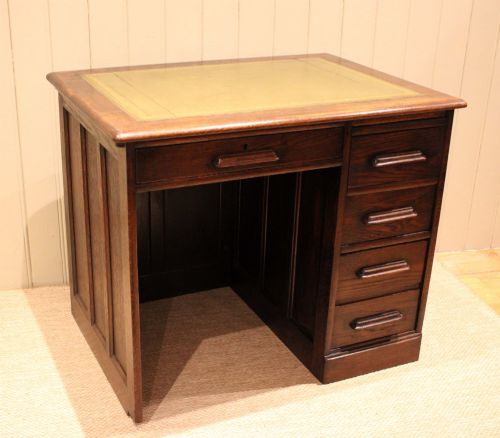
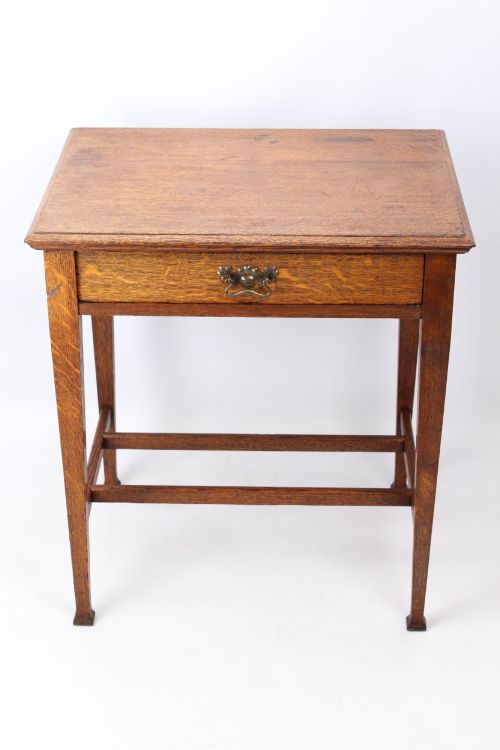
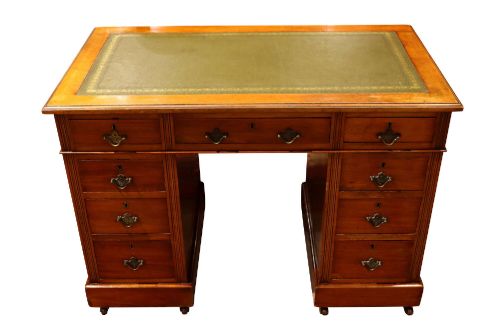
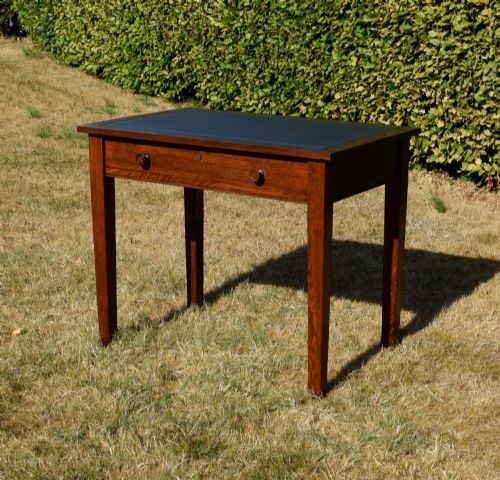
The version most commonly met on this page is the smaller pedestal or writing table in mahogany or oak, often dating from the nineteenth or early twentieth century. Such pieces reflect the domestic scale of older homes where floor space was at a premium.
How they were made
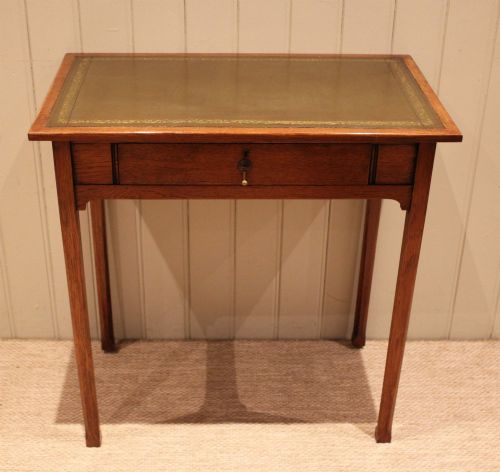
Construction relies heavily on cabinet timbers such as mahogany, oak, walnut, and burr walnut, frequently accented with boxwood inlay or supported by brass fittings. Leather inserts often provide a durable writing surface.
Joinery methods range from traditional dovetailing in drawer construction to panel framing seen in Arts and Crafts and period desks, ensuring stability across compact dimensions.
Compact Study Table Retail Price Guide 2026
Typical asking prices for compact study table among the pieces listed under this phrase on Sellingantiques today, from the lower quarter to the upper quarter. They describe what is for sale here now, not the wider market.
Listings feature woods including mahogany, oak, walnut, burr walnut, and rosewood across periods from the eighteenth century to the 1930s.
What varies in quality
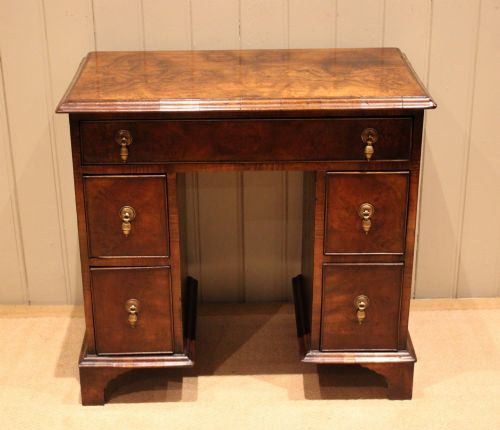
Quality rests in the selection of timber figures, such as burr walnut or figured mahogany, and the crispness of cabinetwork details like boxwood inlay and dovetailed drawer linings. Superior examples maintain balanced proportions and retain original hardware.
The integrity of secondary woods and the execution of interior fittings, including small stationery compartments or secret drawers, mark the distinction between standard workshop production and finer cabinet-making.
James Shoolbred·Heals·Jenners
The Compact Study Table Glossary
- Kneehole desk
- A writing table featuring a central recess for the legs flanked by pedestals of small drawers. This form allows a seated writer to get close to the work surface.
- Davenport
- A small compact desk featuring a sloping, hinged writing surface above a pedestal of drawers. The top often incorporates a stationery compartment.
- Bureau
- A desk with a sloping flap that opens to reveal a fitted interior of pigeonholes and small drawers. When closed, it conceals the writing materials.
- Pedestal desk
- A heavy writing desk supported by two independent stacks of drawers rather than four legs. They offer substantial storage within a modest footprint.
- Bonheur de jour
- A light lady's writing desk featuring a small cabinet or set of shelves upon the upper surface. The name translates from French as day-time happiness.
Compact Study Table: Frequently Asked Questions
Where should I place a compact study table?
These smaller desks fit easily into bedroom alcoves, home offices, or living room corners where full-sized furniture would overwhelm the floor plan.
Their finished backs on better examples also allow them to sit away from the wall in the middle of a room.
How do I care for leather desk tops?
Leather surfaces require gentle dusting and occasional treatment with appropriate balms to keep the hide from drying and cracking over time.
Avoid placing hot cups or using harsh chemical cleaners directly on the leather.
Can I use a vintage desk with a modern laptop?
Most of these tables accommodate modern laptops comfortably while providing drawers for notebooks and pens.
Check the kneehole height and drawer clearance to ensure your chair fits underneath properly.
How do I distinguish Edwardian desks from Georgian ones?
Georgian desks typically exhibit heavier proportions, simpler solid timbers, and hand-cut dovetails within the drawer construction.
Edwardian pieces often revive earlier styles, sometimes utilising machine-sawn elements, lighter inlay, and distinct Edwardian brassware.