



Commercial Trade Sign
A commercial trade sign is a surviving piece of street-level history, offering direct evidence of past trades through painted wood, carved figures and heavy metals.
Commercial Trade Sign
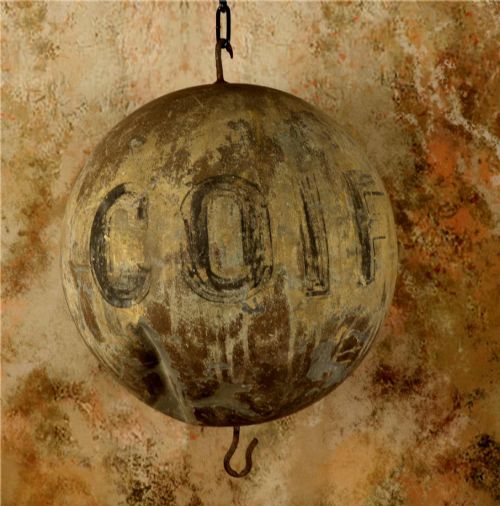
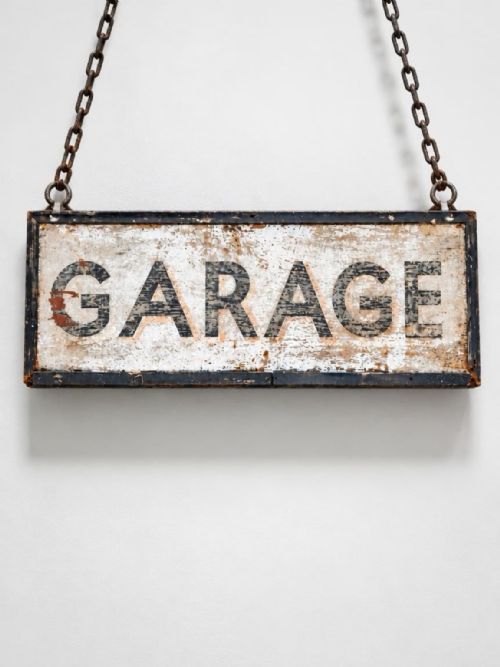
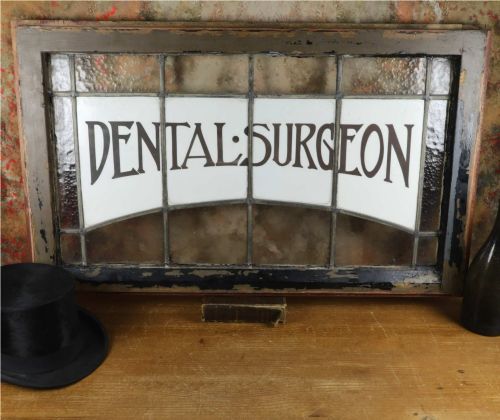
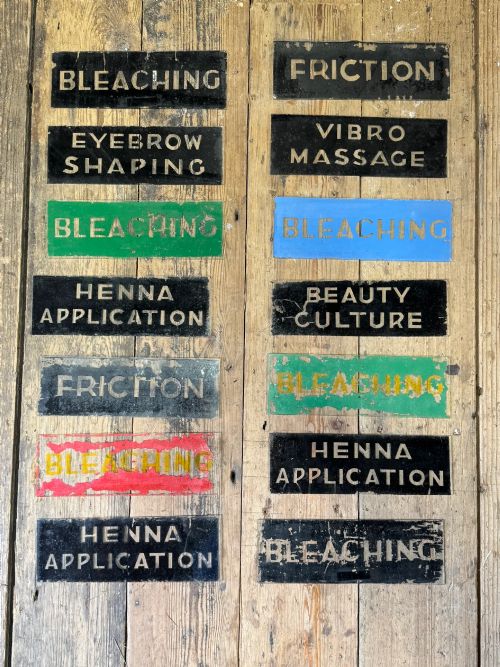
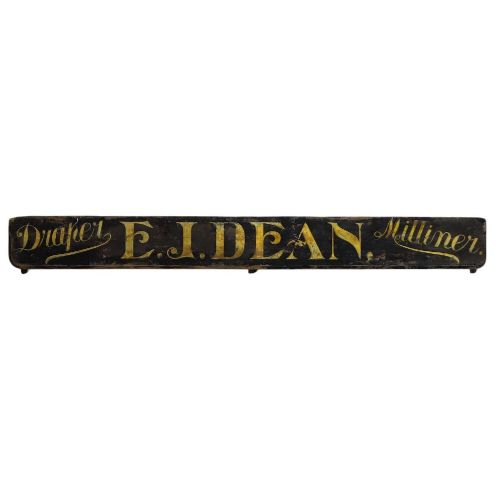
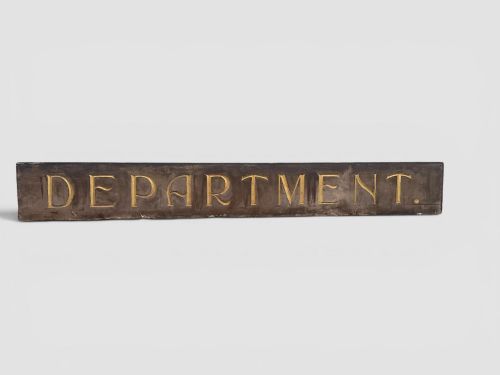
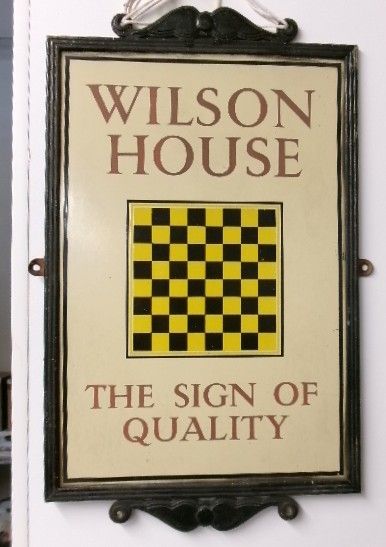
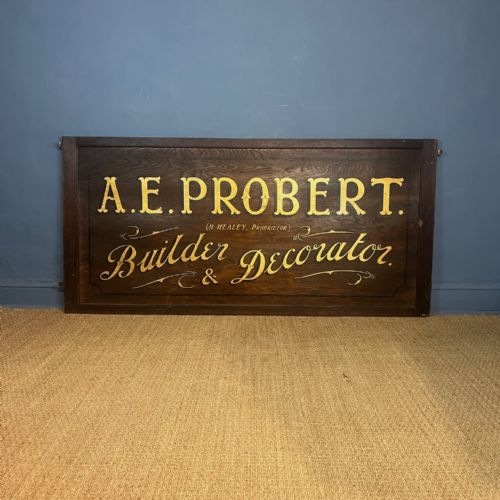
When a buyer searches for a commercial trade sign, they encounter tangible markers of previous businesses, from dental practices and pawnbrokers to milliners and bakeries. These objects range from large hanging iron pub signs and department store boards to delicate reverse-painted glass window panels and carved shop display models.
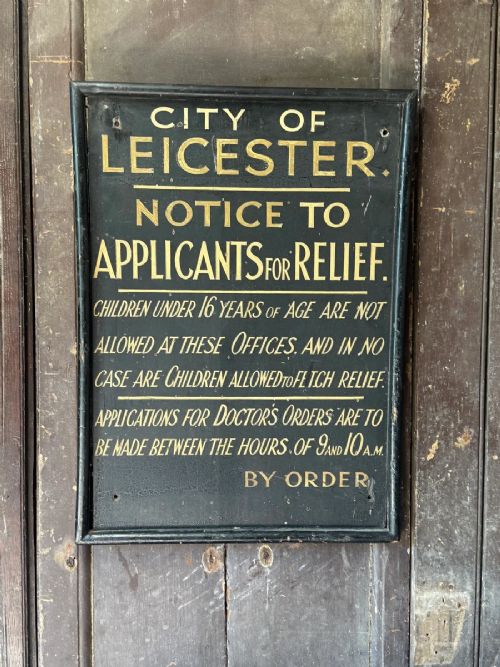
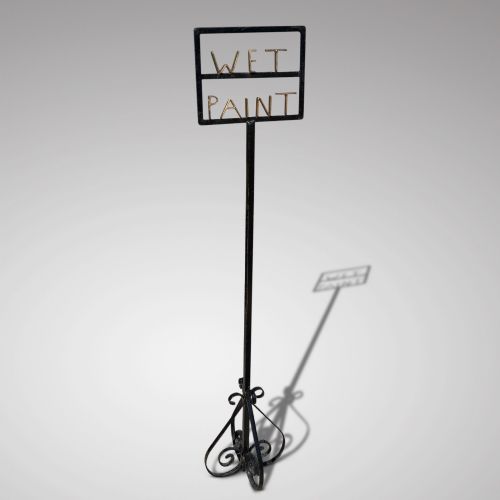
The pieces appearing on this page span the Victorian, Edwardian, and industrial eras up through the mid-twentieth century. Wooden boards, metal plaques, and glass panels predominate, reflecting the physical materials utilised by tradesmen to announce their services to the street.
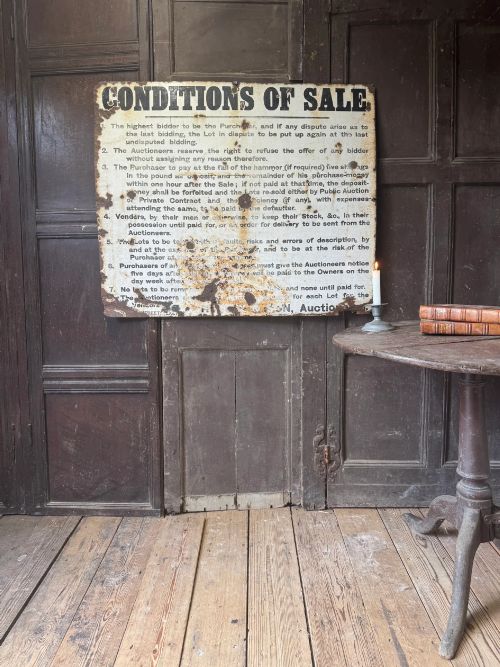
Many items bear the specific names of professions or goods sold, such as locksmiths, chemists, and auctioneers. Others take three-dimensional sculptural forms, including giant pocket watches, pestles and mortars, or carved wooden figures.
How They Were Made
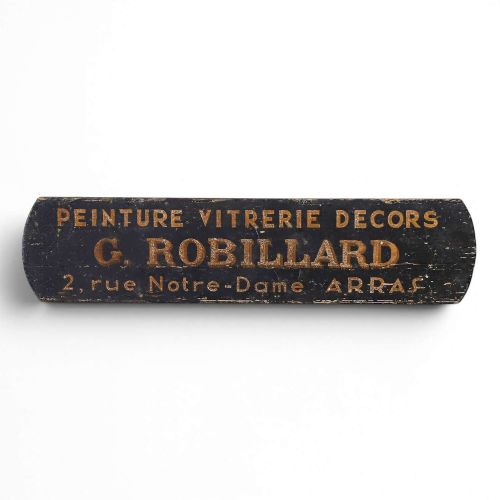
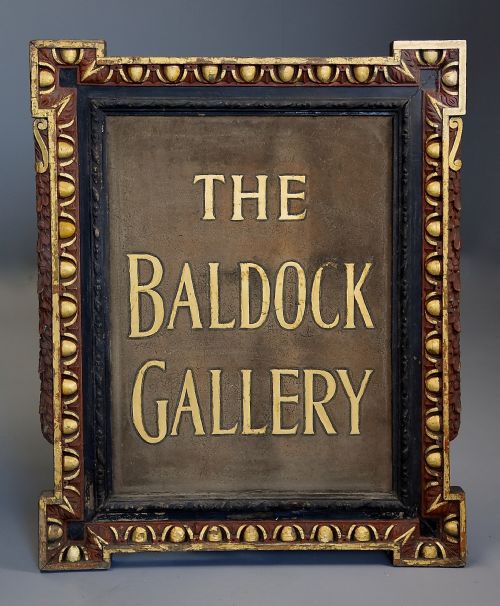
Makers constructed these objects using robust materials suited to outdoor exposure or heavy interior use, principally pine, oak, cast iron, wrought iron, copper, and glass. Wood panels received hand-painted lettering and decorative motifs, sometimes enhanced with gold leaf to catch the light.
Glass elements frequently relied on reverse-painting or reverse-cutting techniques, creating durable visual depths that protected the pigment from weather. Metal signs utilised enamelling, beaten copper embossing, or cast iron moulding to produce permanent public notices.
Sculptural trade signs and display models involved skilled woodworking, carving, and gilding, transforming blocks of timber into recognizable objects like loaves of bread or tobacco figures.
Commercial Trade Sign Retail Price Guide 2026
Typical asking prices for commercial trade sign among the pieces listed under this phrase on Sellingantiques today, from the lower quarter to the upper quarter. They describe what is for sale here now, not the wider market.
What Varies in Quality
The standard of a commercial trade sign rests upon the clarity of its original lettering, the depth of hand-painted detail, and the integrity of the surviving surface. Signs with crisp typography and expressive pictorial elements demonstrate superior craftsmanship by traditional signwriters.
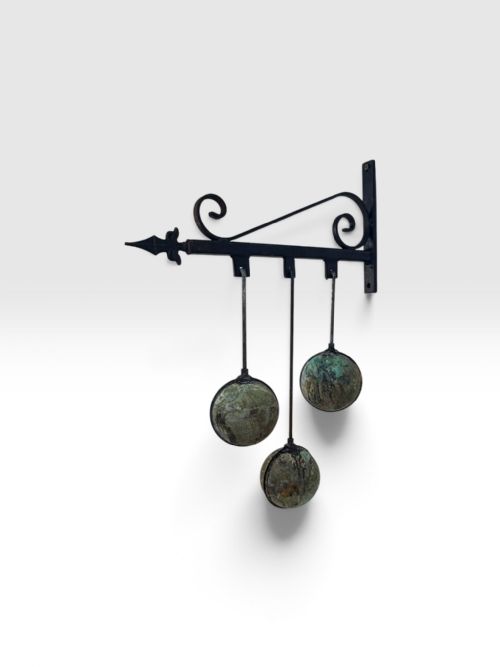
Material permanence and original mounting hardware also differentiate examples. Pieces retaining their original wrought iron brackets, hanging arms, or double-sided iron frames exhibit a more complete historical context than boards stripped of their hardware.
The degree of original untouched surface preservation dictates the visual impact. Patina derived from decades of exterior exposure adds depth, provided the underlying paint or gilding remains legible and stable.
The Commercial Trade Sign Glossary
- Reverse-painted glass
- A technique where lettering and images are painted on the back side of a glass panel so the polished front protects the design. This method was widely favoured for interior shop windows and professional door signage.
- Gold leaf
- Extremely thin sheets of beaten gold applied to wood or glass surfaces for lettering and ornamentation. It provides a brilliant, untarnishable metallic finish that remains legible in dim light.
- Trade sign
- A board, hanging object, or sculptural figure displayed outside a shop or business to indicate the trade practiced within. They served a literate and illiterate public alike through recognizable symbols.
- Enamel sign
- A metal plate fused with powdered glass at high temperatures to create a hard, glossy, weather-resistant surface. These signs maintained vibrant colours outdoors for decades.
- Architectural salvage
- Building elements, fittings, and signage rescued from structures slated for demolition or alteration. This material preserves historical fabric that would otherwise be lost.
Commercial Trade Sign: Frequently Asked Questions
How were commercial trade signs displayed?
These signs were mounted externally above shopfronts, hung from wrought iron brackets perpendicular to the street, or placed inside windows. Many utilised double-sided designs so pedestrians approaching from either direction could read them.
Larger establishments employed heavy iron hanging brackets or wall-mounted panels, while smaller professional rooms relied on neat glass door panels or painted boards.
What trades used these signs?
A wide variety of trades utilised physical signage to attract customers, ranging from pawnbrokers and chemists to milliners, locksmiths, and auctioneers. Specific trade symbols, such as pestles and mortars or pocket watches, helped customers identify services immediately.
Specialist practitioners like dental surgeons, confectioners, and hair stylists also commissioned bespoke glass panels and wooden boards to mark their premises.
How do I date an antique trade sign?
Dating relies heavily on the materials, typography styles, and construction methods employed. Victorian and Edwardian examples often feature hand-painted pine boards, gold leaf, and wrought iron brackets, whereas later twentieth-century pieces incorporate painted metal or enamelled sheet.
Specific business titles, addresses, or documented maker names found on the piece can also anchor the object within a precise historical decade.
How do I care for a painted wooden sign?
Painted wooden signs require stable indoor environmental conditions away from direct sunlight and excessive moisture. Dusting gently with a dry, soft cloth preserves the fragile historic paint layers without disturbing the surface patina.
Avoid using liquid cleaners, solvents, or modern waxes on historic painted or gilded surfaces, as these can lift original pigments.