








Commercial Shop Fitting
Commercial shop fitting encompasses functional furniture and fittings built for retail trade, offering robust utility and period character for modern interiors.
Commercial Shop Fitting
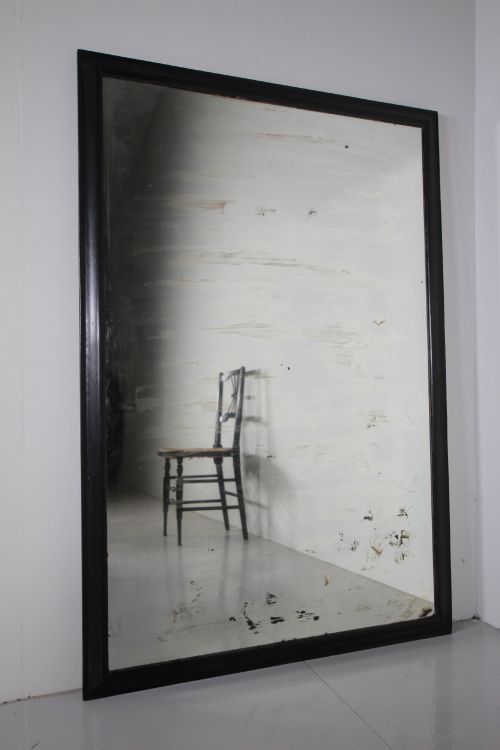
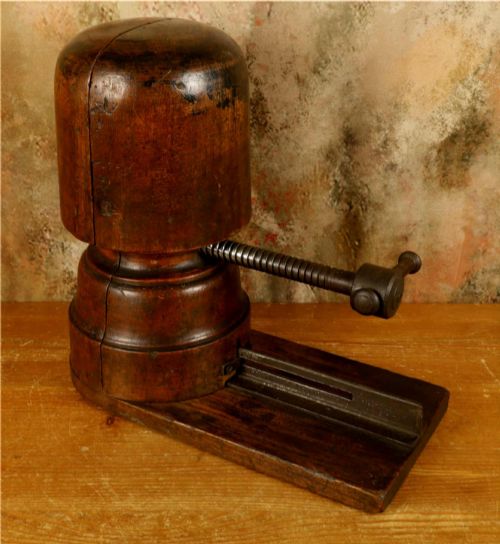
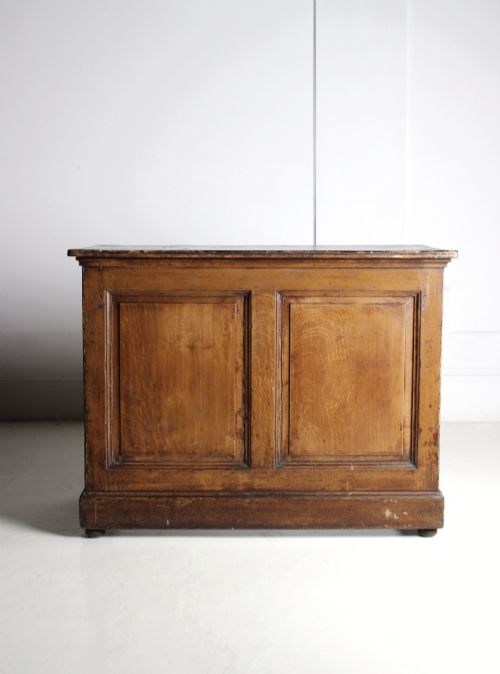
Commercial shop fitting items serve as functional furniture originally designed for retail environments, spanning practical display cabinets, counters, and storage units. Buyers encounter diverse forms created to showcase merchandise, ranging from large glass-fronted vitrines to multi-drawer haberdashery chests.
The selection on this page centres heavily on Victorian, Edwardian, and 1930s examples constructed for specific trades like chemist shops, drapers, and confectioners. These pieces bridge utilitarian purpose and display utility, making them suitable for domestic interior storage and decorative presentation.
Materials and Construction
Makers utilised dense hardwoods like mahogany and oak alongside pine and fruitwood to build sturdy retail furniture capable of enduring daily commercial use. Glazed panels, mirrors, and brass or chrome framing were integrated to maximise light and visibility for goods inside cabinets and counters.
Surface treatments range from clear polish revealing natural grain to painted pine finishes and applied sign-writing denoting original mercantile houses. Metal elements such as aluminium frames and brass fittings provide structural integrity alongside traditional joinery.
Commercial Shop Fitting Retail Price Guide 2026
Typical asking prices for commercial shop fitting among the pieces listed under this phrase on Sellingantiques today, from the lower quarter to the upper quarter. They describe what is for sale here now, not the wider market.
Listings feature items spanning the Victorian era through the 1930s, constructed primarily in mahogany, oak, pine, and metal.
What Varies in Quality
Quality in commercial shop fitting depends on the choice of primary timber, the scale of the piece, and the retention of original functional hardware. Solid mahogany construction and generous proportions distinguish high-end display units from simpler pine utility items.
The degree of original manufacturer detailing, such as specialised brass frames, specialised vending mirrors, or authentic trade sign-writing, elevates the historical interest of a fitting. Surviving glass panes and intact internal mirrors also dictate the grade of preservation.
Dudley & Co·G H Gledhill Halifax·John Stow Ltd of Bradford·Saml. Elliott & Sons
The Commercial Shop Fitting Glossary
- Haberdashery Cabinet
- A multi-drawer storage unit originally used for selling small sewing items and textiles. These pieces often feature glass fronts or shallow tiers for visibility.
- Vitrine
- A glass-sided display cabinet designed for exhibiting delicate items. They frequently incorporate mirrored interiors to reflect light through the stored goods.
- Toleware
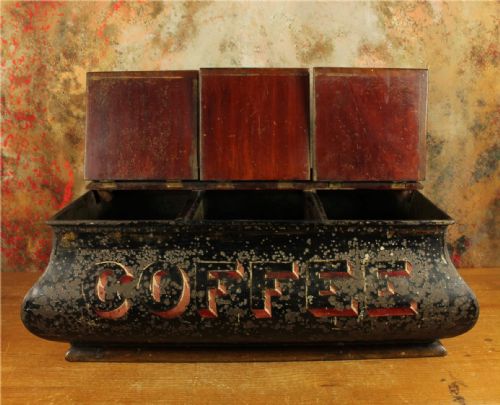
- Painted or enamelled metalware items used for storage or display in commercial settings. These items include decorated tin boxes and canisters.
- Shop Counter
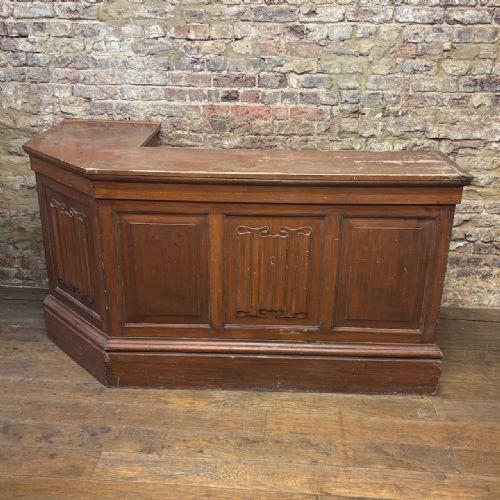
- A substantial retail table or service desk often fitted with display glass, drawers, or till enclosures. They formed the primary point of transaction in historic shops.
- Bank Of Drawers
- A large modular arrangement of numerous small drawers utilised for organised stock keeping. They appear frequently in pharmacy and drapery contexts.
Commercial Shop Fitting: Frequently Asked Questions
What is a commercial shop fitting?
Commercial shop fitting describes the specialised furniture and fixtures produced for retail businesses during the nineteenth and early twentieth centuries. These items include glass display cabinets, serving counters, and multi-drawer storage units.
Built to withstand heavy daily use in trade environments, they combine heavy-duty construction with display functionality. Today, buyers repurpose these practical items for domestic storage and interior decoration.
How do I date a shop counter?
Dating a shop counter relies on identifying the prevailing materials, hardware, and structural styles recorded across different decades. Victorian and Edwardian examples often feature heavy mahogany or pine construction with traditional paneling, while 1930s pieces introduce metal frames in chrome, brass, or aluminium.
Maker marks, patent plaques, and original trade sign-writing provide further chronological markers. Comparing the joinery and glass retention helps place the piece within its specific commercial era.
Where can I use a haberdashery cabinet?
Haberdashery cabinets suit spaces requiring organised storage combined with visual display, such as living rooms, kitchens, or studies. Their numerous shallow drawers make them ideal for organising collections, stationery, or tableware.
The glass-fronted or counter-top variants also serve as display surfaces for decorative objects and curiosities. Their compact footprint allows them to function effectively as sideboards or island units.
How do I maintain painted pine shop fittings?
Maintaining painted pine shop fittings involves gentle cleaning with dry or slightly damp cloths to preserve historic surface finishes. Avoid harsh chemical cleaners that might strip original paint or authentic sign-writing.
Applying occasional suitable wax to unpainted wooden interior elements helps protect the timber grain. Keeping furniture away from direct heat sources prevents warping and paint cracking.