


Commercial Haberdashery Cabinet
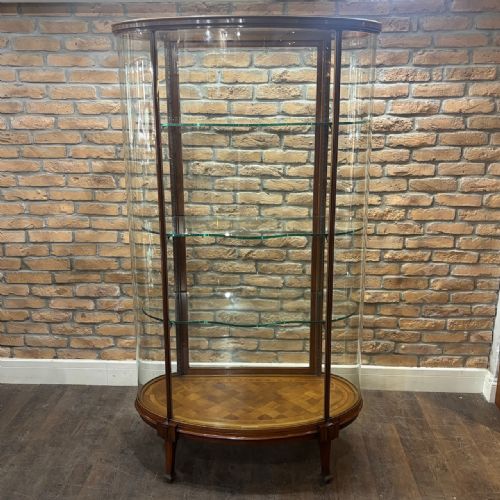
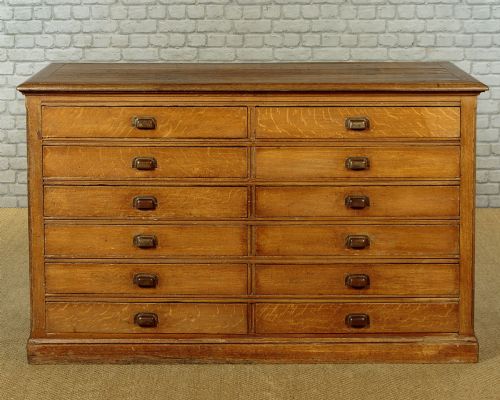
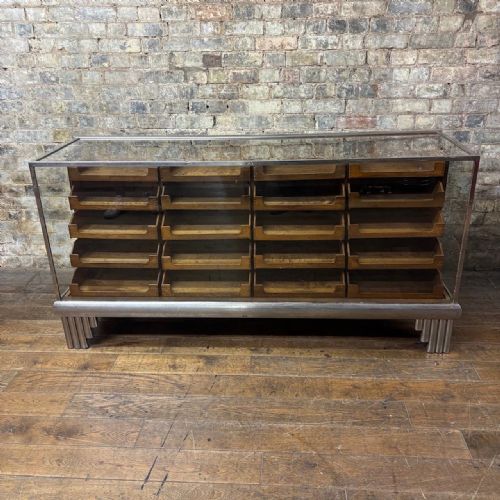
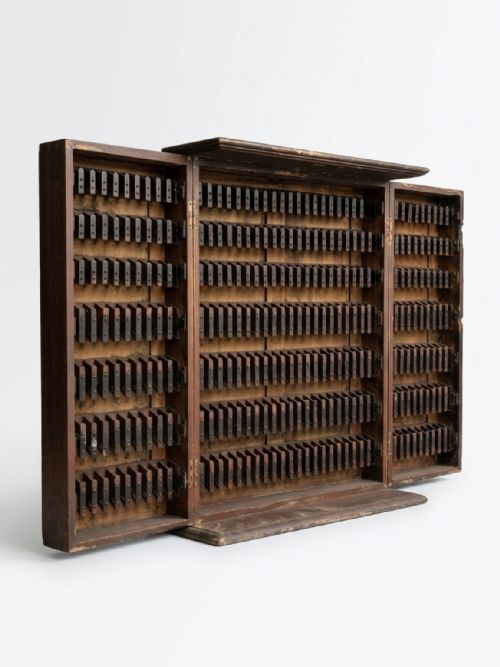
A commercial haberdashery cabinet provides sturdy shop storage with glass and wood.
Commercial Haberdashery Cabinet
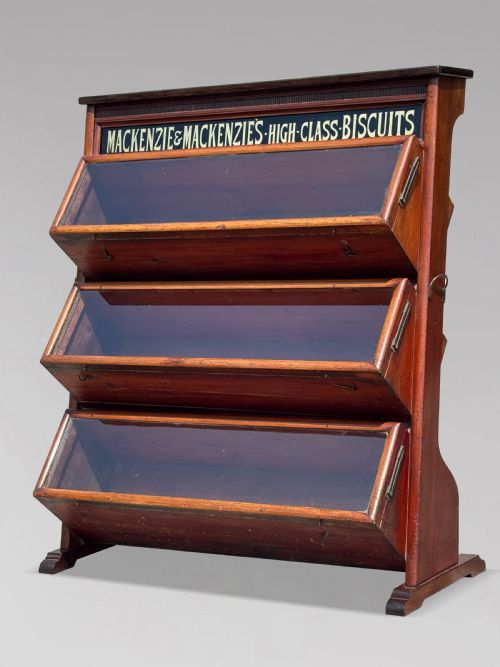
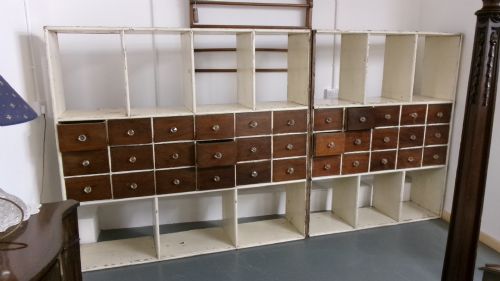
A commercial haberdashery cabinet brings utilitarian shop storage into domestic interiors, offering deep banks of drawers and glazed display areas. Buyers seek these pieces for practical organisation in kitchens or dressing rooms, valuing the original shop lettering and modular timber construction.
The pieces on this page span the Victorian, Edwardian and Interwar periods, originating from prominent retail outfitters and local drapers. Mahogany and oak dominate the forms, supplemented by pine shop counters and specialised desktop needle cabinets.
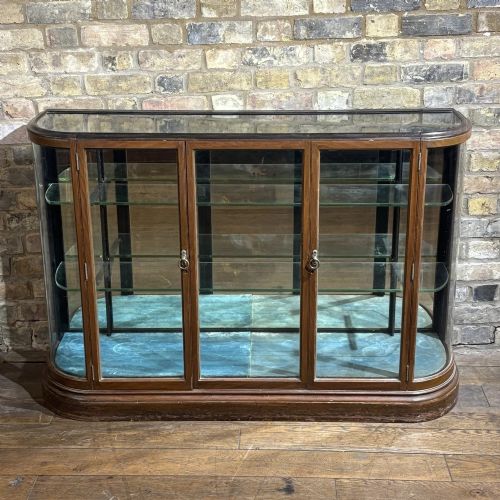
Most examples combine timber carcases with glass panels to showcase goods, whilst banks of drawers provide partitioned storage for smaller items. The selection ranges from countertop display cases to large floor-standing counters used in textile and grocery trade.
Materials and construction
Makers built these shop fittings from durable hardwoods like mahogany and oak, alongside painted pine and fruitwood for secondary elements. Metal hardware in brass, chrome and aluminum reinforced corners, frames and drawer pulls for heavy daily use.
Glass panels were integrated into timber doors and countertops to protect merchandise whilst maintaining visibility for customers. Dovetail joints secured the numerous small drawers required to sort cottons, ribbons and small wares efficiently.
Listings feature items built from mahogany, oak, pine, metal and velvet across Victorian, Edwardian and Interwar periods.
Distinctions in standard
Superior examples originate from noted shopfitting firms, retaining original brass makers' plaques, curved bow ends or specialised patent letter mechanisms. Lesser pieces rely on plain rectangular pine carcases with simpler joinery.
The integrity of original glass, internal velvet linings and period hardware distinguishes exhibition-grade counters from utilitarian workshop fittings. Maker attribution through stamped drawer edges or signwritten glass elevates a piece above standard commercial stock.
F Sage And Co·Dudley And Co·John Stow Ltd·Saml Elliott And Sons·Pollards
The Commercial Haberdashery Cabinet Glossary
- Haberdashery cabinet
- A multi-drawer storage unit originally designed for selling sewing supplies, ribbons and small garments in a drapers shop.
- Shop fitting
- Custom furniture built specifically for commercial retail spaces during the nineteenth and early twentieth centuries.
- Vitrine
- A glass-fronted display cabinet used for protecting delicate goods while keeping them visible to customers.
- Bank of drawers
- A large assembly of numerous small timber drawers housed within a single cabinet carcase.
Commercial Haberdashery Cabinet: Frequently Asked Questions
What is a commercial haberdashery cabinet?
A commercial haberdashery cabinet is a shop storage unit featuring multiple shallow drawers and glass display spaces. These pieces were utilised in drapers and textile shops to organise small goods.
Today, they function as practical storage furniture in homes, offering organised compartmentalisation for clothing and collectibles.
How do I date a shop cabinet?
Dating relies on timber selection, hardware materials, and construction styles visible in the framework. Victorian examples often use solid mahogany with hand-cut dovetails, whilst nineteen-thirties pieces introduce chrome or aluminium frames.
Maker plaques and patent stamps provide precise manufacturing decades for specific counters.
Where were these cabinets used?
These units stood in retail shops, drapers, chemists and confectionery stores across Britain and Europe. They served as serving counters or wall-mounted displays to present goods to buyers.
Commercial premises required sturdy timber and glass to withstand heavy daily retail traffic.
How should I clean wood and glass?
Maintain timber surfaces with appropriate furniture wax and soft cloths to preserve the polished finish. Clean glass panels using standard glass cleaner applied to a cloth rather than sprayed directly near old wood.
Avoid harsh abrasives that might damage original painted finishes or vintage signwriting.