

Comb Back Chair
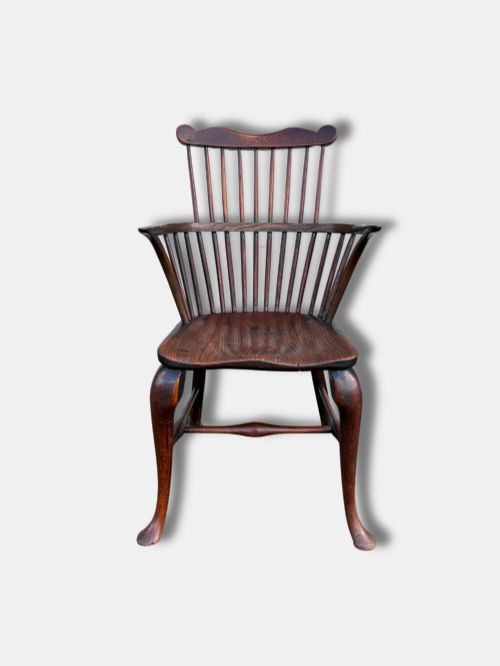
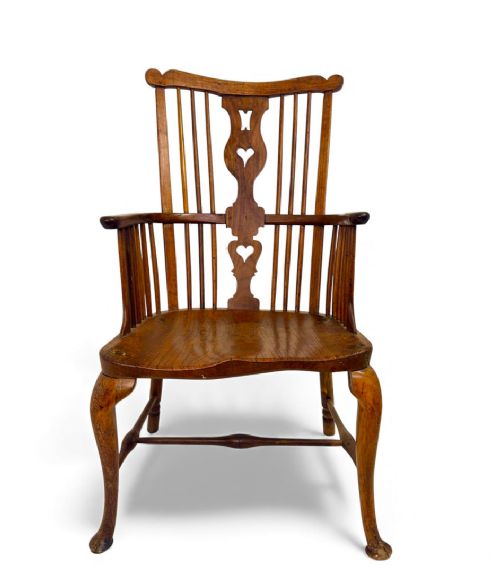
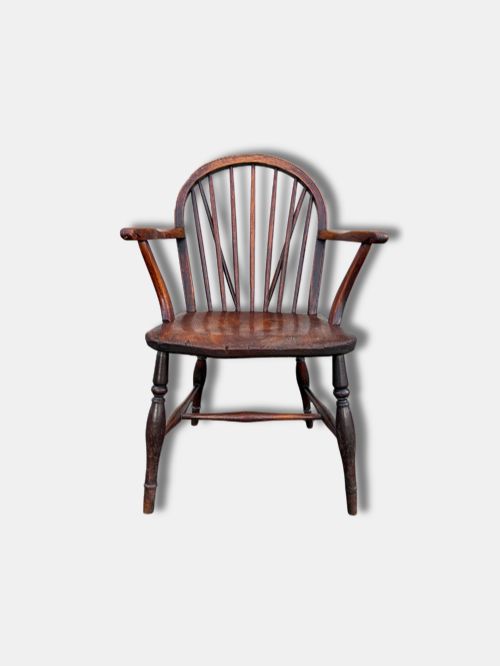
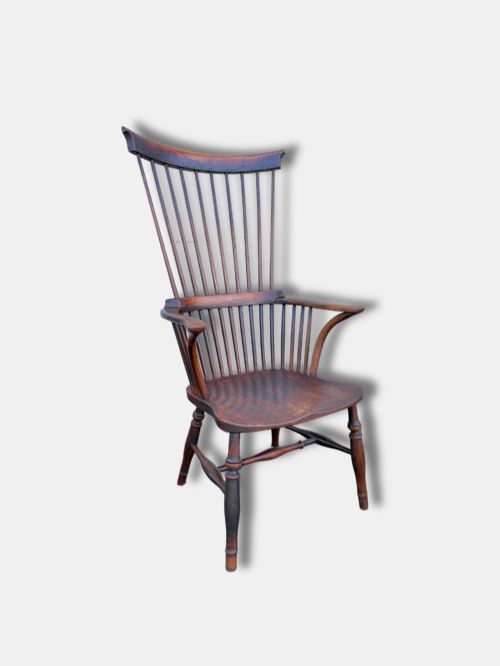
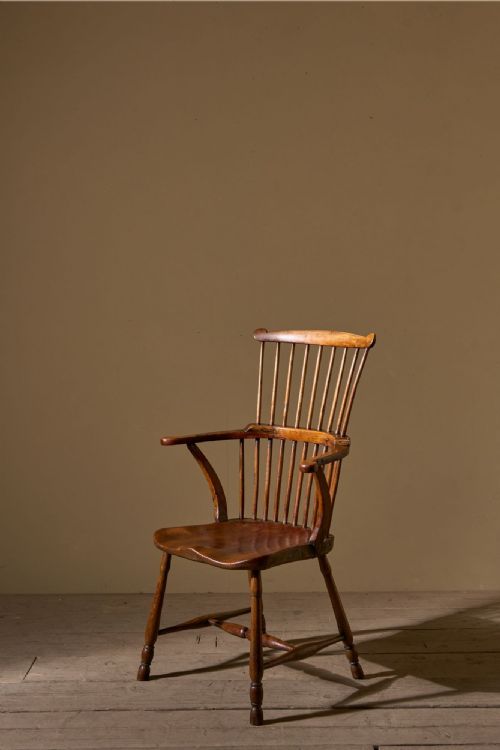
When you search for a comb back chair, you uncover sturdy country seating defined by vertical spindles rising through the seat to form a high backrest.
Comb Back Chair
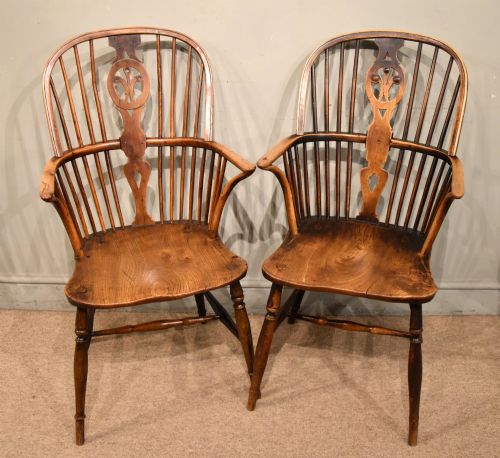
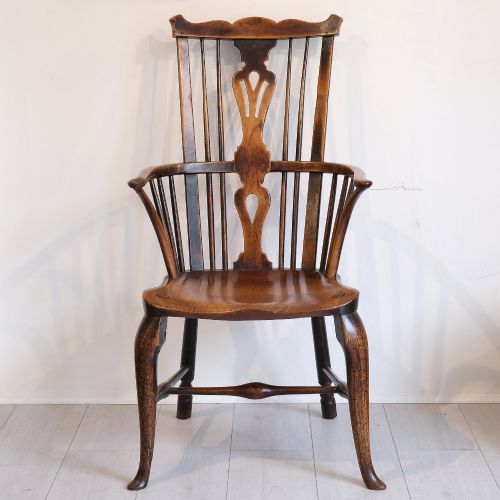
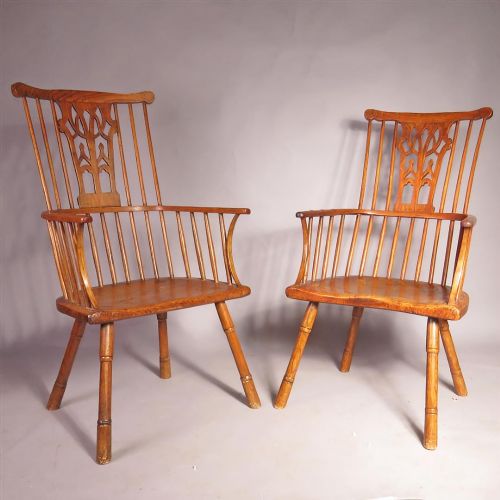
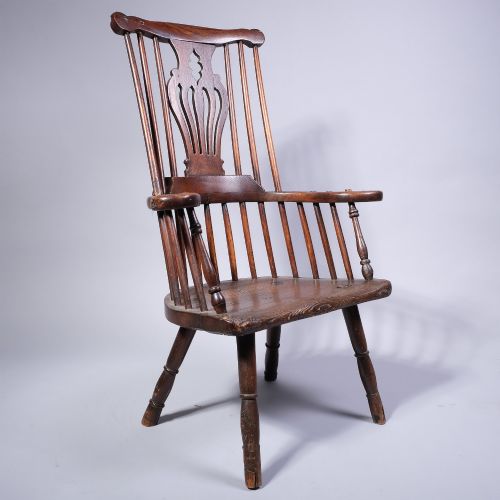
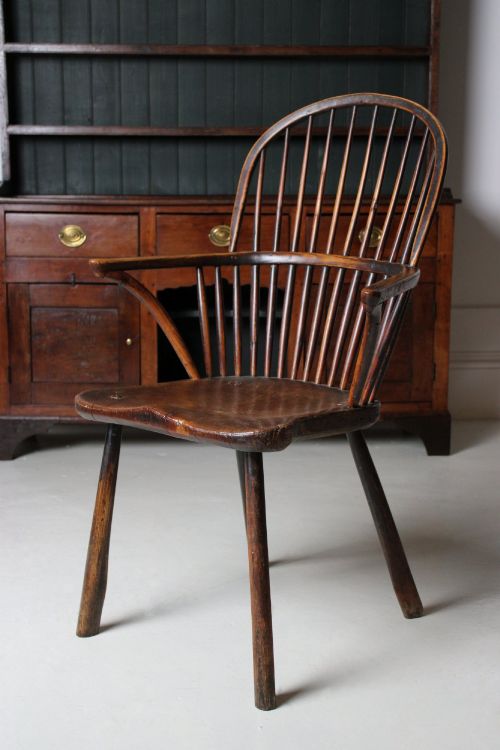
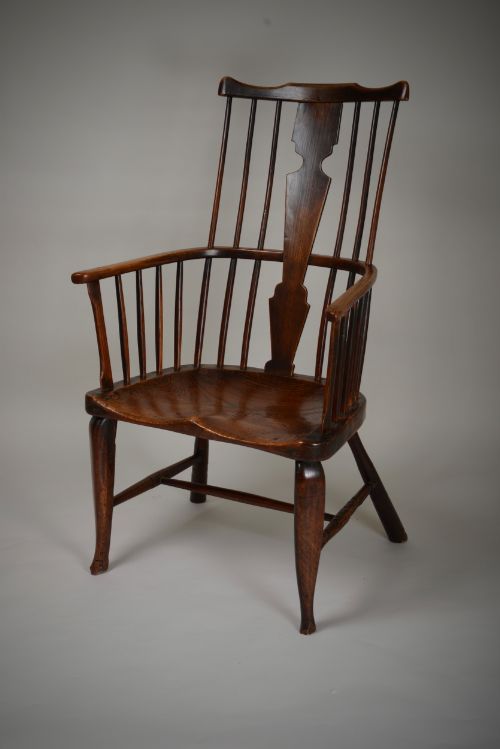
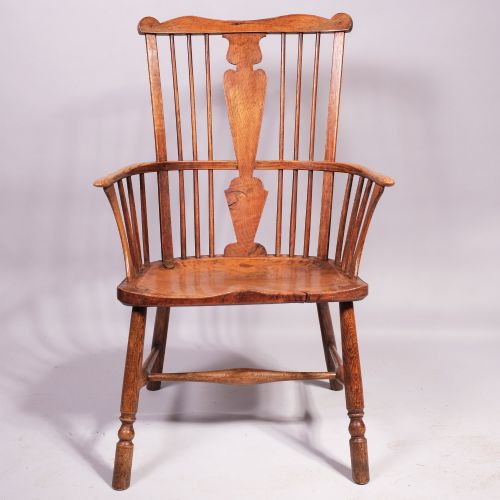
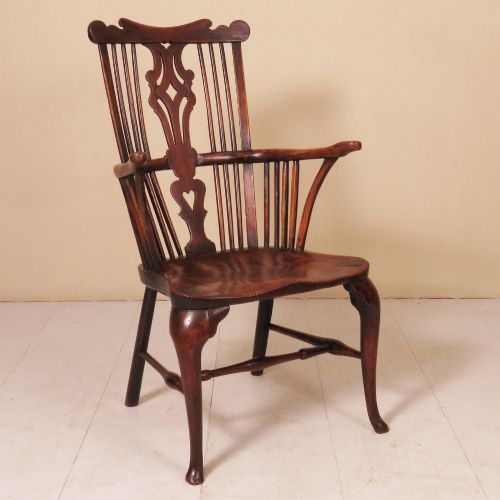
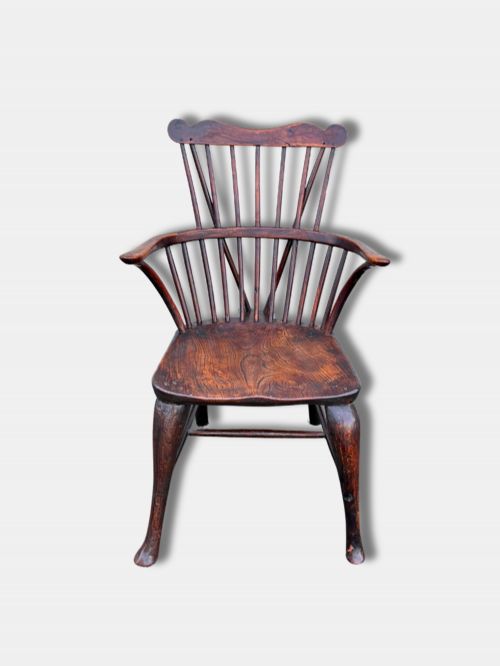
A comb back chair forms a specific branch of regional Windsor seating where the central spindles extend right through a thick wooden plank seat and tenon into a horizontal top rail resembling a traditional hair comb. These regional pieces appear frequently from 18th century, 19th century, Georgian, and Victorian periods.
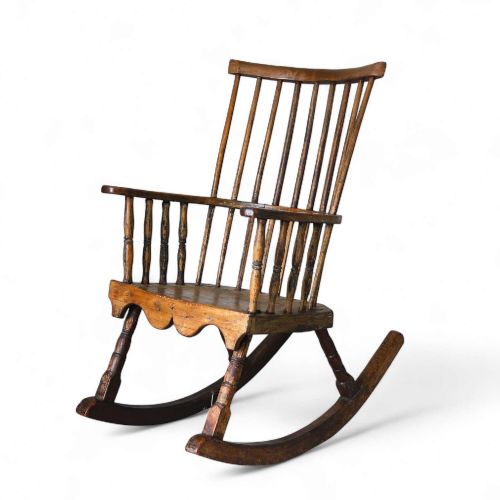
Makers shaped these armchairs, dining chairs, rocking chairs, and captain's chairs using vernacular traditions found across English and Welsh regions including the Thames Valley, Wales, and West Country workshops.
The prevalent format pairs a shaped elm seat with ash spindles and legs, though regional variations incorporate yew, oak, fruitwood, sycamore, and alder timbers.
How they were made
Chairmakers utilised green woodworking techniques, splitting timber along the grain for strength and turning spindle components on pole lathes before steam-bending the upper bow rails and arm rests into shape.
The saddle seat was hollowed out using an adze and scorp to create a comfortable scooped contour, into which the legs and back spindles were wedged using tapered joints without metal fastenings.
Makers selected different native woods for distinct structural purposes, combining dense elm for solid seats with resilient ash or flexible yew for the load-bearing legs and slender back spindles.
Comb Back Chair Retail Price Guide 2026
Typical asking prices for comb back chair among the pieces listed under this phrase on Sellingantiques today, from the lower quarter to the upper quarter. They describe what is for sale here now, not the wider market.
Some comb back armchairs feature a subtle bend in the arm bow where a maker leaned against the green wood while waiting for the steam to set.
What varies in quality
The grace of the upper comb bow and the subtlety of the spindle turnings separate standard vernacular production from more sculptural examples, where makers tapered each vertical member by hand to achieve visual balance.
The depth of the saddle seat carving and the integrity of the wedged undercarriage joints dictate the physical strength and tactile appeal of surviving specimens.
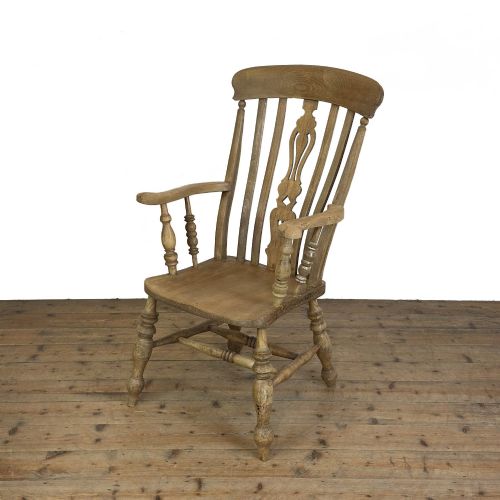
Surface finish impacts the overall character, ranging from deep patination built up through decades of domestic use to remnants of early paint or clean dry timber surfaces.
George Wilson·Birchcraft High Wycombe
The Comb Back Chair Glossary
- Windsor chair
- A wooden chair built with a heavy solid plank seat into which the legs and back spindles are driven directly. This form developed deep regional variations across English countryside workshops.
- Comb back
- A Windsor chair variation where the central vertical spindles extend past the arm bow to meet a flat, horizontal top rail. This resembles the shape of a traditional dressing comb.
- Stick chair
- A primitive vernacular seating form where turned or cleft branches serve as legs and back uprights without a shaped upper bow. These pieces rely on direct stick-construction methods.
- Saddle seat
- A thick wooden seat base scooped out by hand into a shallow concave contour. This shaping provides ergonomic comfort for the sitter.
- Patina
- The surface sheen and colour depth developed by timber over centuries of handling, cleaning, and exposure to light. This finish reveals the age and history of the piece.
Comb Back Chair: Frequently Asked Questions
What is a comb back chair?
A comb back chair is a traditional Windsor seating form featuring vertical spindles that extend through the seat to support a horizontal top rail.
These pieces were constructed in regional English and Welsh workshops utilising a combination of native hardwoods.
How were comb back chairs used?
These pieces served as everyday seating around farmhouse dining tables, kitchen hearths, and writing desks.
Their robust construction and comfortable saddle seats made them suitable for continuous daily use in domestic settings.
How do you date a comb back chair?
Dating relies on observing tool marks, timber choices, structural proportions, and the specific turning style of the legs and spindles.
Earlier examples from the 18th century often display more primitive joined undercarriages and deeply dished elm seats compared to later 19th-century interpretations.
How do you care for an antique comb back chair?
Maintenance involves keeping timber away from direct heat sources and sudden humidity changes to prevent wood shrinkage and joint loosening.
Application of traditional microcrystalline wax helps preserve the dry surface and historic patina without sealing the wood.