





Column Pier Table
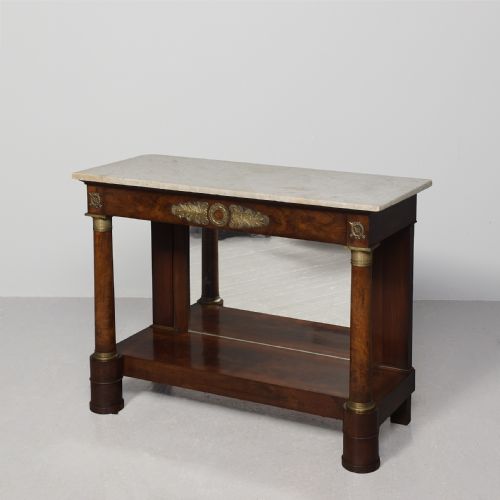
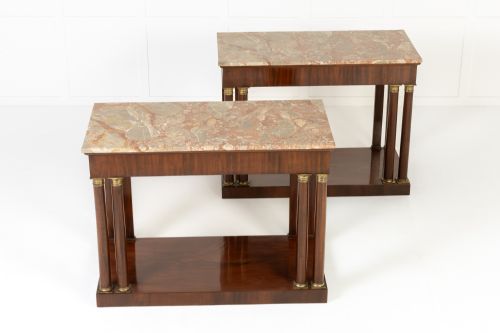
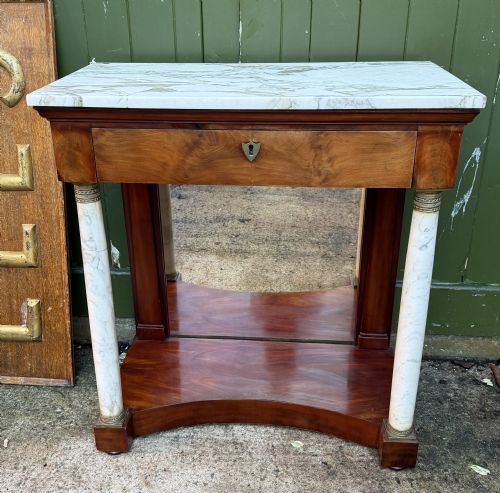
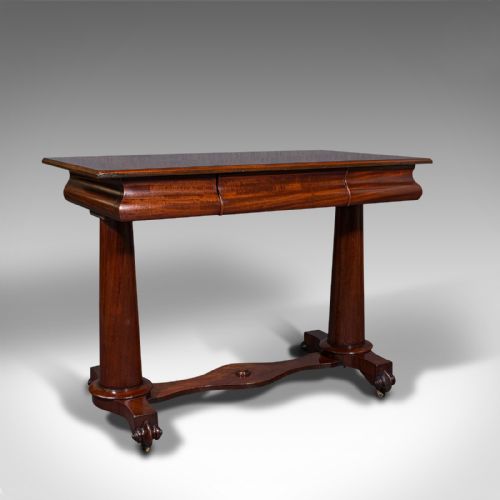
Column pier table designs are architectural side pieces designed to sit tightly against walls, often beneath mirrors, combining solid timbers with classical proportions.
Column Pier Table
A column pier table is a foundational piece of formal interior furniture built to stand flat against a wall between architectural openings or windows. You will frequently encounter examples from the nineteenth century alongside Regency, Victorian, and French Empire interpretations.
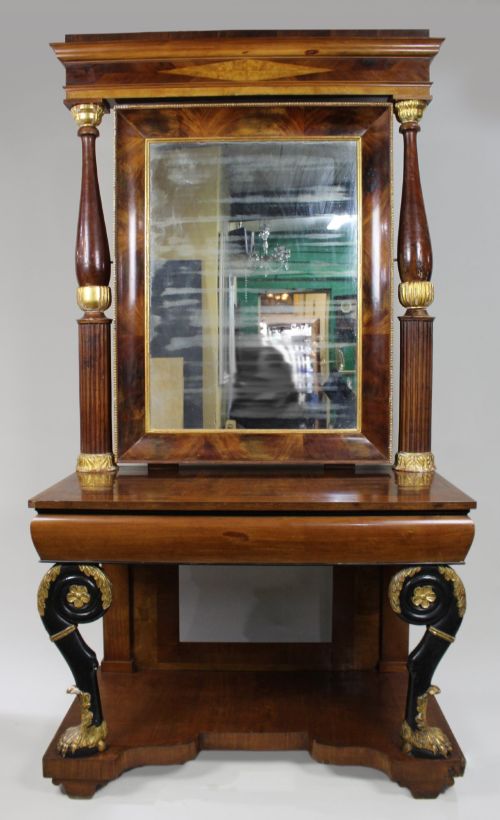
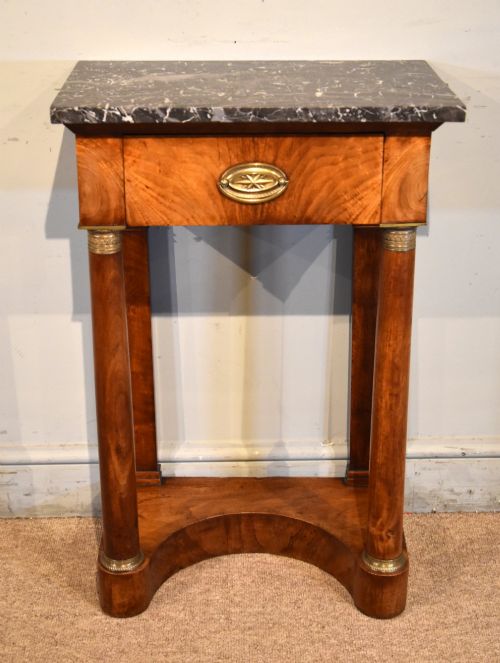
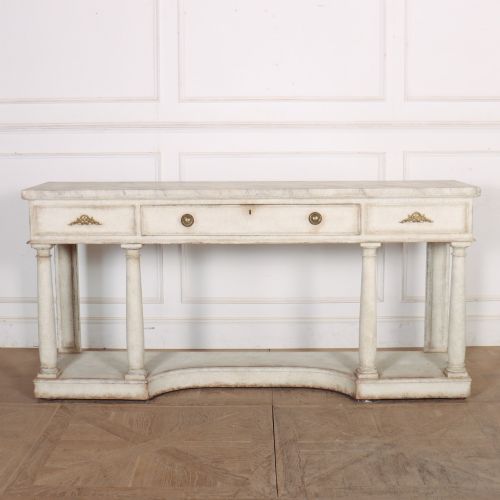
The primary forms appearing here include console tables, chiffoniers, and combined pier mirrors with console tables. These pieces utilise substantial timber structures often paired with marble tops and decorative architectural supports.
Originating largely from English, French, and Italian workshops, these items reflect neoclassical and empire design movements. They serve both functional hallway surfaces and decorative display roles within traditional rooms.
Understanding quality differences
Quality in a column pier table rests upon the selection and matching of wood veneers, particularly flame mahogany, alongside the crispness of carved or applied architectural details. Superior examples exhibit precise joinery and harmonious proportions between the vertical columns and the horizontal surfaces.
The integration of materials also defines the tier of the piece, where heavy, well-fitted marble slabs and genuine period brass mounts elevate the construction. Finer workshops invested greater labour into the secondary timbers and the refinement of classical revival motifs.
Column Pier Table Retail Price Guide 2026
Typical asking prices for column pier table among the pieces listed under this phrase on Sellingantiques today, from the lower quarter to the upper quarter. They describe what is for sale here now, not the wider market.
The Column Pier Table Glossary
- Console table
- A table designed to be fixed against a wall, often supported by front legs or architectural brackets rather than a full four-legged freestanding frame. These pieces rely on wall stability for complete rigidity.
- Pier table
- A specific type of side table built to stand against the wall space between two windows, frequently paired with a matching wall mirror above. They anchor the vertical symmetry of a room.
- Flame mahogany veneer
- A decorative wood slicing technique showing a distinct flickering flame pattern applied over a secondary timber core. It was favoured by nineteenth-century cabinet makers for its visual depth.
- Ebonised wood
- Timber treated with a dark finish to imitate expensive ebony wood. This technique provides sharp contrast against gilt or marble elements.
- Neoclassical
- An artistic movement drawing inspiration from the classical architecture and art of ancient Greece and Rome. It prioritises symmetry, columns, and restrained ornamentation.
Column Pier Table: Frequently Asked Questions
Where should I place a pier table?
These tables find their natural home against flat wall spaces in hallways, drawing rooms, or dining spaces where floor depth is limited. Their narrow footprint allows them to occupy circulation areas without obstructing movement.
Pairing a console with a matching wall mirror recreates the traditional architectural arrangement intended by nineteenth-century designers, drawing the eye upward and reflecting light.
How do I clean a marble top?
Marble surfaces require gentle maintenance using warm water and a soft cloth to prevent scratching the polished stone. Acidic substances must be kept away from the porous material to avoid permanent dulling.
Applying a specialist stone wax helps protect the top from moisture rings and daily wear while preserving the natural grain of the marble.
What defines Regency style?
Regency design draws heavily on classical antiquity, incorporating bold architectural elements like bold columns, lion paw feet, and dark timbers. The aesthetic favours clean structural lines combined with restrained gilded highlights.
Pieces from this period reflect the influence of ancient Roman and Greek archaeology translated into functional domestic British furniture.
Can these tables support heavy objects?
The sturdy timber frames and solid marble tops are engineered to bear considerable weight, such as heavy lamps or decorative bronze ornaments. However, wall-fixing brackets are often necessary for absolute stability due to the tall proportions.
Checking the structural integrity of the joints ensures the console remains secure against the wall under everyday use.