





Coloured Georgian Glass
Coloured georgian glass brings deep pigment and brilliant refraction to a table, offering pieces formed in rich greens, blues, amethyst, and red.
Coloured Georgian Glass
Coloured georgian glass spans drinking vessels, decanters, and decorative objects produced across the Georgian era and into the early nineteenth century. Collectors find wine glasses, rummers, dram glasses, and decanters alongside wall art and desk accessories.
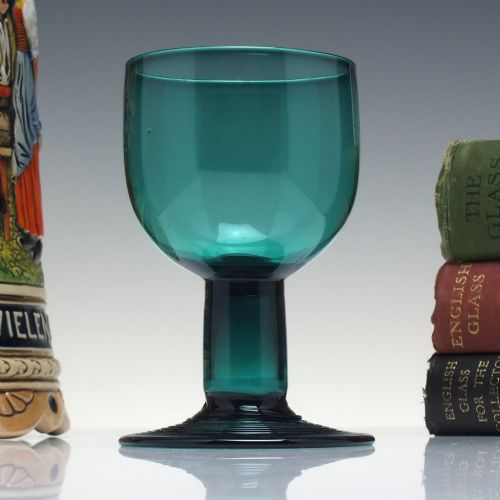
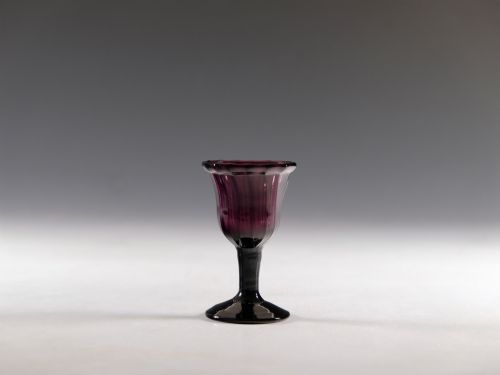
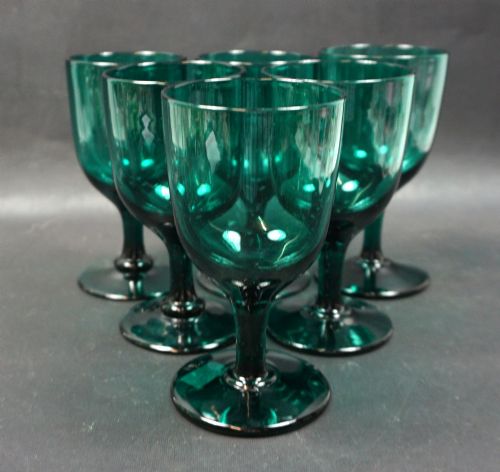
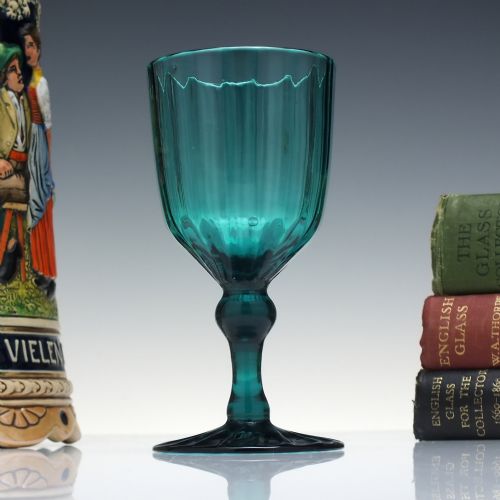
The green wine glass is a common discovery on this page, often appearing in shades described as Bristol green, turquoise, or peacock blue. Pieces range from single examples to sets, alongside amethyst glass items and multi-coloured witches balls.
Materials and Manufacture
Makers utilised lead glass and hand-blown glass techniques, manipulating molten material into rib-moulded bowls and tapered stems. Tooling and free-blowing created the characteristic weight and optical properties of the period.
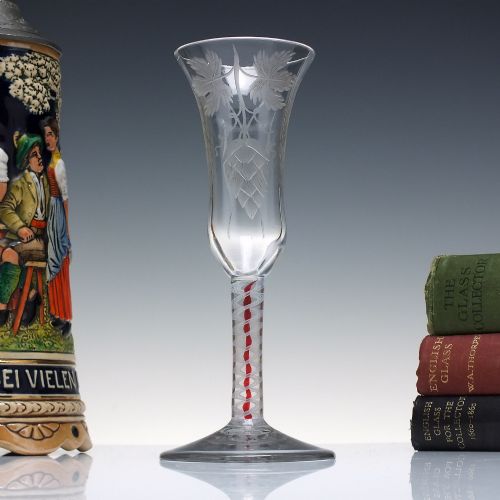
Pigments introduced during melting produced intense hues such as deep red, amethyst, and various tones of green. Subsequent engraving or the inclusion of air and colour twists added decorative detail to the vessels.
Ten intaglio seals snug inside a boxed desk set invite constant touching.
Evaluating Quality
Quality rests upon the depth and saturation of the glass colour, the precision of the rib-moulding or engraving, and the overall balance of the form. Finer vessels show cleaner metal with fewer internal bubbles or imperfections.
Completeness alters the standing of a piece, particularly when considering sets of wine glasses or decanters with matching elements. The clarity of cut facets and the crispness of applied tool marks further distinguish superior items.
Fletcher·Sebastiaan Vrancx·Robert Sayer
The Coloured Georgian Glass Glossary
- Lead glass
- Glass containing lead oxide, which increases weight, brilliance, and workability for cutting and engraving.
- Rib-moulded
- A technique where glass is blown into a patterned mould to create raised vertical ribs before expanding.
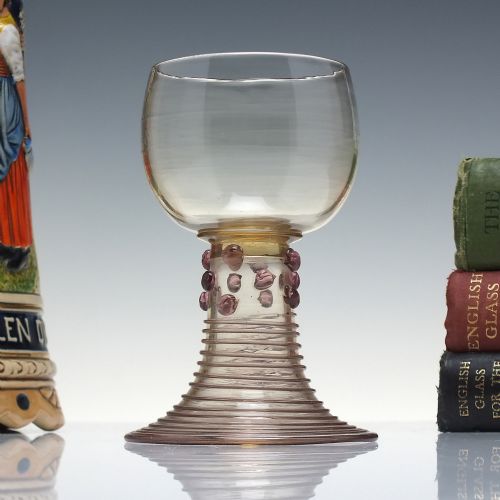
- Roemer
- A traditional continental European drinking vessel with a large bowl resting on a cylindrical stem applied with prunts.
- Mell decanter
- A mallet-shaped decanter with a wide base and tapered neck, common for storing wine.
- Colour twist
- A stem decoration formed by threads of coloured glass enclosed within the transparent stem of a drinking glass.
Coloured Georgian Glass: Frequently Asked Questions
What is coloured georgian glass?
Coloured georgian glass comprises functional and decorative items produced in tinted lead glass during the eighteenth and early nineteenth centuries. These include drinking vessels, decanters, and desk items shaped by hand-blowing and moulding.
Craftsmen utilised various metallic oxides to achieve distinctive tones like green, blue, and amethyst. The resulting objects served both practical dining functions and decorative display in period interiors.
How do I identify a georgian glass decanter?
Georgian decanters typically feature heavy lead glass construction with mallet or mell profiles suited to standing securely on a dining table. Pontil marks on the base indicate traditional hand-blown manufacture.
Many examples incorporate cut or engraved decoration, sometimes paired with matching stoppers. The glass often displays the deeper hue and weight characteristic of the period's production methods.
Were coloured wine glasses used daily?
Coloured wine glasses saw service on affluent dining tables for serving specific beverages such as wine, ale, or cordials. Richly tinted bowls helped conceal the sediment present in historical wines.
Over time, many surviving pieces transitioned to display objects or limited table use due to their age and fragility. Sets of matching glasses indicate formal dining arrangements of the period.
How do I care for antique glass?
Antique glass requires gentle hand washing in lukewarm water using mild detergent, avoiding sudden temperature changes that can cause thermal shock. Soft cloths prevent scratching the historic surface.
Storage should place pieces away from direct sunlight and vibrations to protect delicate rims and engraved details. Proper handling preserves the material integrity of lead glass vessels.