





Colonial Wood Carvings
Colonial wood carvings bring distant histories into a room, offering expressive figures and carved animals shaped by centuries of global exchange.
Colonial Wood Carvings
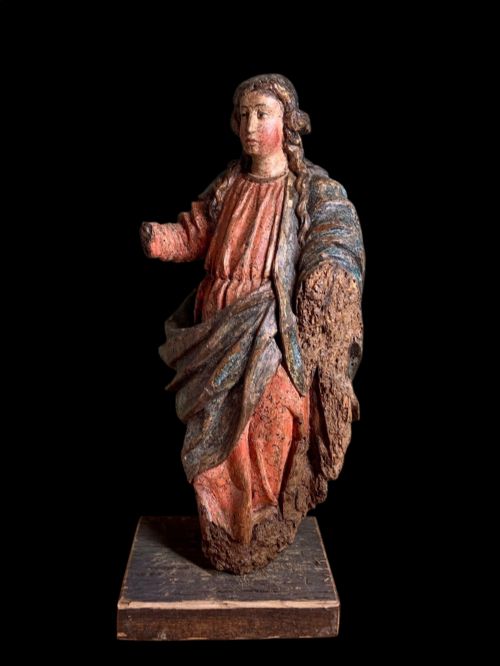
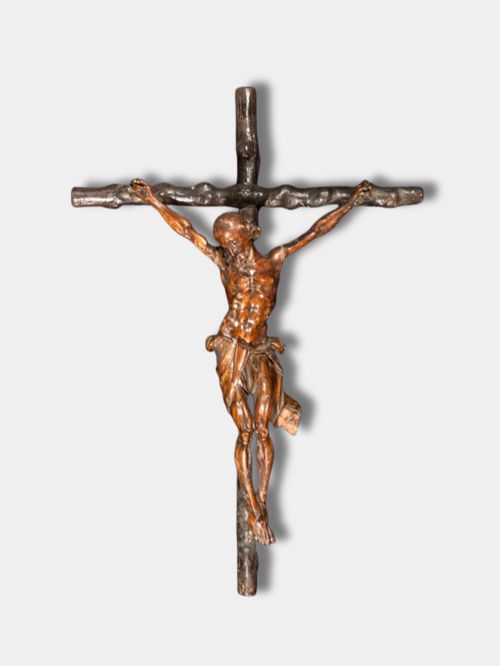
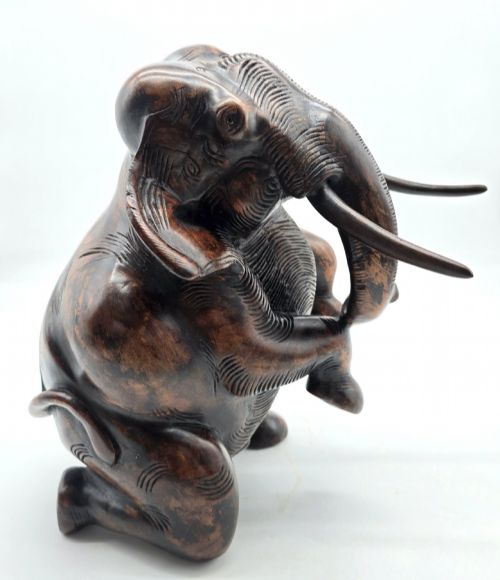
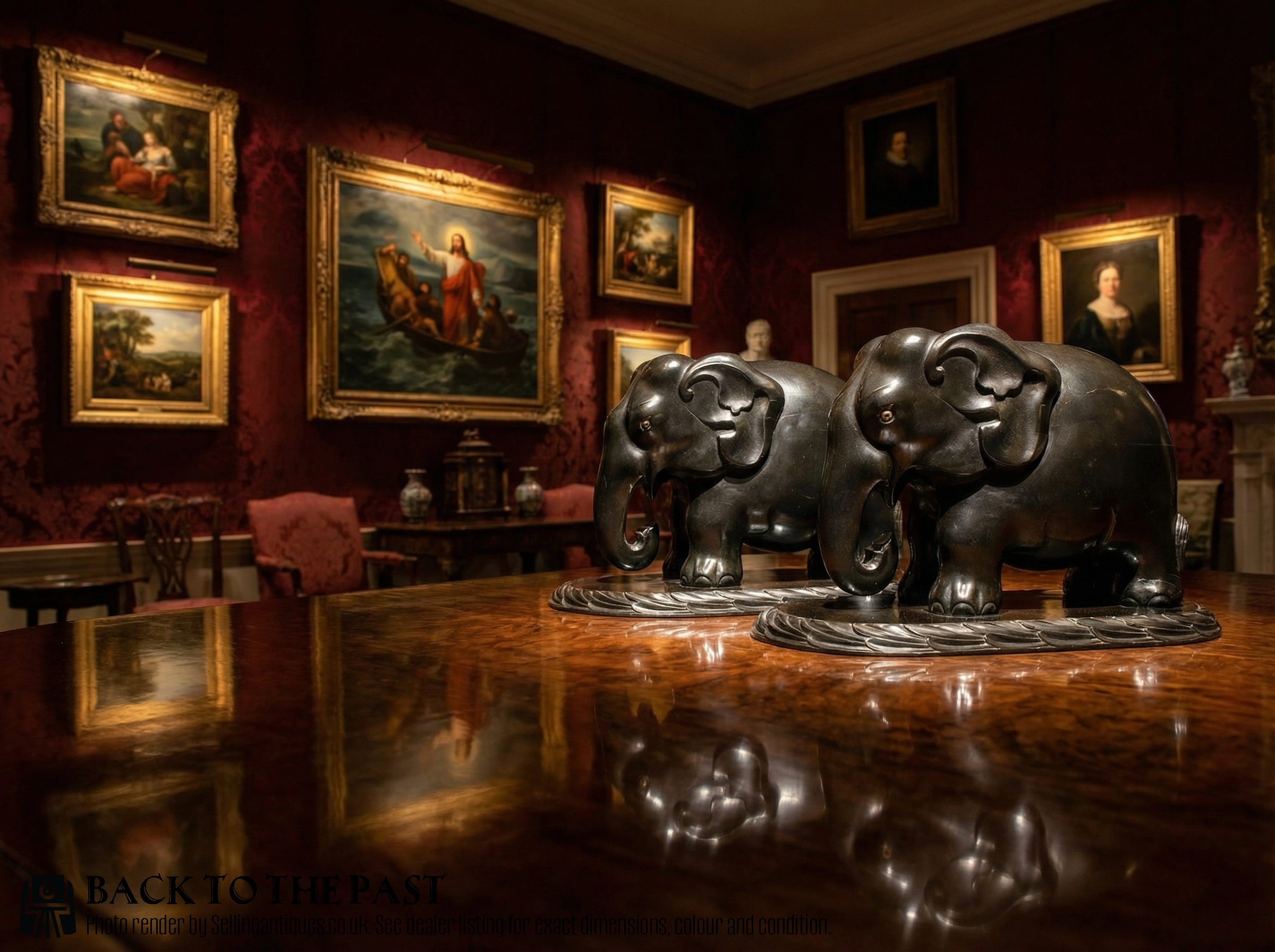
Colonial wood carvings encompass a diverse array of figural sculptures, architectural panels, bookends, and cabinets originating from various global territories under historical governance. You will frequently encounter representations of elephants, deities such as Parvati and Ganesha, and religious subjects including saints and figures of Christ from the eighteenth and nineteenth centuries.
The selection ranges from Indian Raj period animal studies and Burmese teak cabinets to Spanish Baroque ecclesiastical pieces and domestic Victorian bookends. Hardwood animal studies and polychromed devotional figures dominate the selection, reflecting both spiritual devotion and the decorative taste of the period.
Materials and construction
Carvers utilised dense timbers such as teak, ebony, walnut, and padouk, alongside general hardwoods that allowed for deep, durable relief work and fine detail. These woods were chosen for their stability and ability to hold intricate chisel marks over long periods.
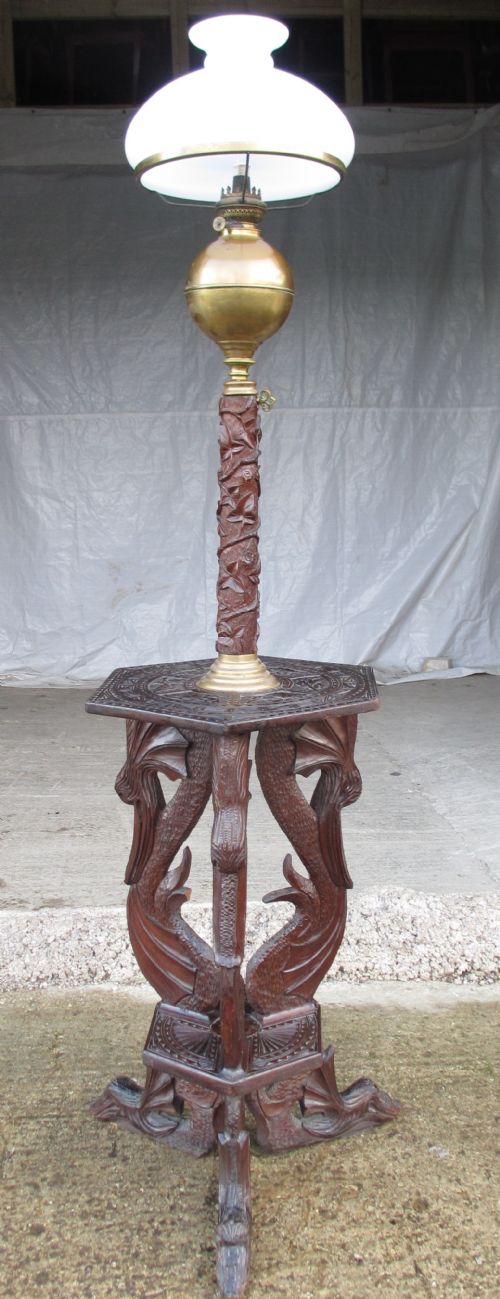
Surface finish played a crucial role in many pieces, incorporating polychrome paint, gesso, and gilding to enhance figures of saints and ceremonial animals. Skilled hands shaped the wood using traditional hand-carving techniques, sometimes combining brass fittings or bone elements to complete functional items like lamps and bookends.
Colonial Wood Carvings Retail Price Guide 2026
Typical asking prices for colonial wood carvings among the pieces listed under this phrase on Sellingantiques today, from the lower quarter to the upper quarter. They describe what is for sale here now, not the wider market.
Listings feature woods such as teak, ebony, walnut, padouk, and general hardwoods, spanning the eighteenth and nineteenth centuries.
Assessing quality
Quality rests primarily on the depth of the carving and the vitality of the form, particularly in animal studies and figural expressions where anatomical precision matters. Superior examples display confident, unhesitating tool work that brings movement and character to the subject, whether an elephant or a saint.
The preservation of original surface treatments, such as polychrome paint or gilding, significantly elevates a piece, as does the choice of dense, highly figured timbers like ebony or padouk. Finer items show careful attention to proportions and structural integrity, distinguishing master workshop production from simpler vernacular items.
The Colonial Wood Carvings Glossary
- Polychrome
- Painted in several colours. This finish is frequently found on devotional figures and saint sculptures from the eighteenth century and earlier.
- Raj period
- Relating to the period of British rule in the Indian subcontinent. Many decorative animal studies and deep relief wall panels originate from this era.
- Treen
- Small handmade wooden domestic objects. Architectural fragments and carved wall masks often fall into this functional category.
- Corpus Christi
- An image of Jesus Christ on the cross. These wooden depictions often date to the Spanish Baroque tradition.
- Padouk
- A heavy, durable tropical hardwood with reddish tones. Craftsmen utilised this material for carved furniture and adjustable oil lamps.
Colonial Wood Carvings: Frequently Asked Questions
What are colonial wood carvings?
These pieces comprise sculptures, religious figures, furniture, and decorative items produced in regions influenced by European trade and colonisation. They reflect local craftsmanship applied to European and indigenous subjects.
You will find everything from large church figures to domestic bookends and animal studies made from dense tropical hardwoods.
How do I date an old carving?
Dating relies on examining the tool marks, the style of the carving, and the specific timber used. Eighteenth-century pieces often show Baroque ecclesiastical influences, while later nineteenth-century items frequently feature Raj period animal studies.
Comparing the wear on the wood and the integrity of any surface paint helps confirm the period of origin.
How were these wooden figures used?
Many devotional pieces served a religious function in churches or private shrines, acting as focal points for prayer. Others were created as decorative sculptures or functional items for home libraries and studies.
Animal figures and carved panels were collected as souvenirs of distant lands or displayed to showcase refined domestic tastes.
How should I care for antique wood?
Keep wooden carvings away from direct sunlight and sudden temperature changes to prevent the timber from splitting. Dust them gently with a dry, soft cloth rather than using liquid polishes.
Maintaining stable humidity in your room ensures that polychrome paint and gesso finishes remain secure on the wooden substrate.