




Colonial Padouk Wood Furniture
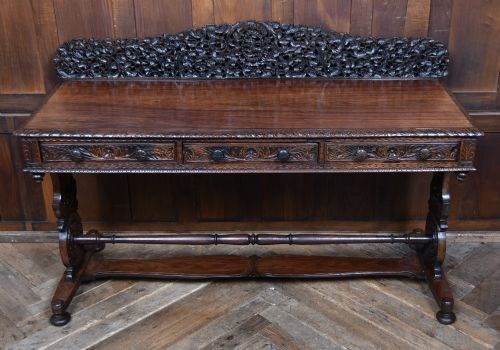
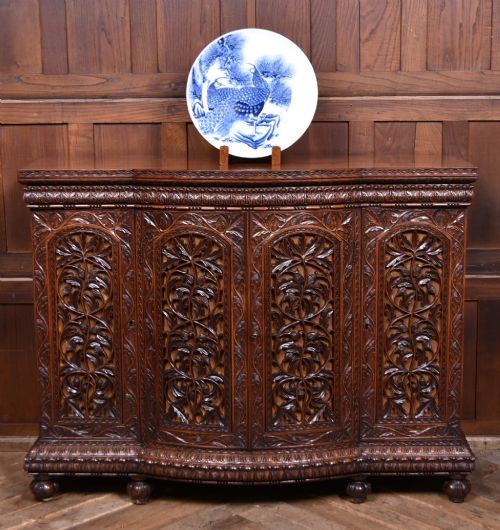
Colonial padouk wood furniture brings dense timber and intricate carving together, offering the heavy warmth and rich grain that collectors seek in Anglo-Indian pieces.

Colonial Padouk Wood Furniture
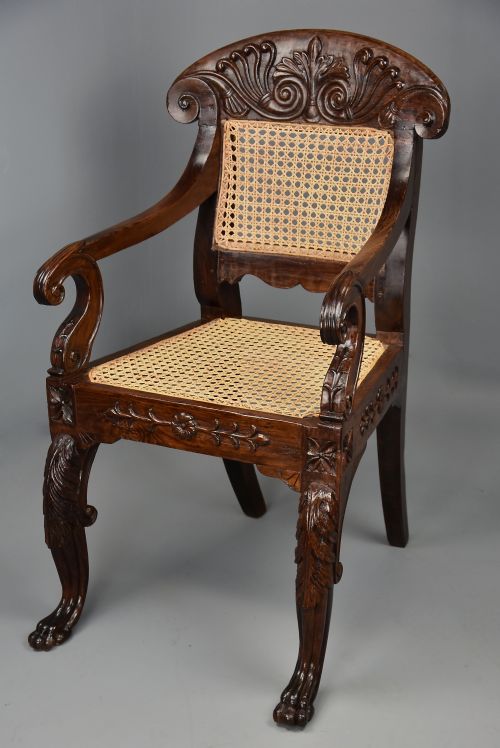
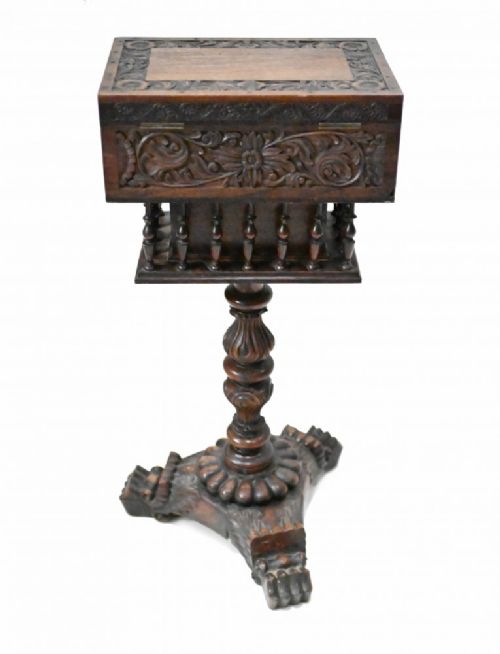
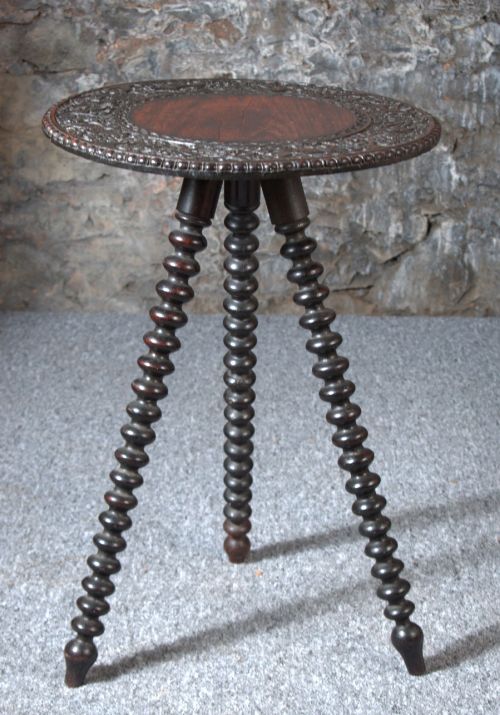
Colonial padouk wood furniture encompasses a robust range of forms originating from 18th-century and 19th-century workshops, spanning the Regency and Victorian eras. Buyers browsing this selection will frequently encounter sideboards, side tables, cellarettes, armchairs, and campaign chests that reflect British design executed by overseas craftsmen.
The objects listed display distinct regional and stylistic variations, including Anglo-Indian and Burmese pieces alongside military campaign furniture. These works combine domestic utility with decorative carving, resulting in heavy, durable timber forms suited to both formal interiors and travel.
How they were made
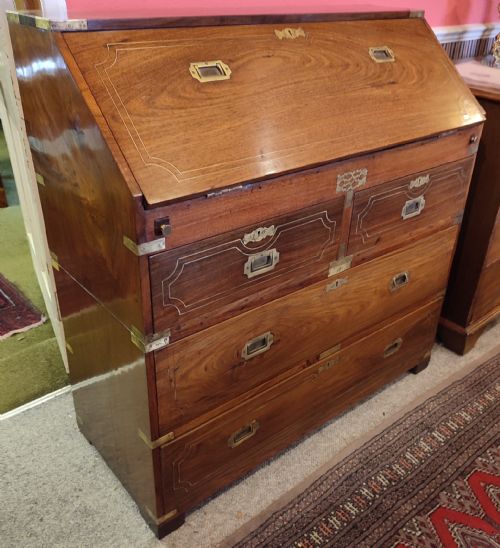
Padouk wood forms the primary structural material across these pieces, valued for its dense grain and deep reddish-brown hue that deepens with age. Workshops combined this heavy hardwood with brass mountings, particularly on campaign furniture designed for portability and dismantling.
Carving and joinery define the decorative technique, utilising hand tools to render intricate foliage and scrolls on armchairs, side tables, and sideboards. Caning and needlepoint upholstery also appear on seating, integrating textile elements into the solid timber frames.
Padouk dust can temporarily stain a craftsman's hands bright purple, a chemical quirk of the freshly cut timber before oxidation sets in.
What varies in quality
Quality rests primarily in the crispness of the hand-carving and the depth of the padouk timber's grain and colour. Pieces with sharply defined botanical motifs and well-proportioned architectural forms stand apart from simpler iterations.
The sophistication of the brass hardware and the tightness of the joinery, especially in campaign chests and bureaux, distinguish superior examples. Original surfaces and untouched patination further elevate a piece above those with heavy modern restorations.
The Colonial Padouk Wood Furniture Glossary
- Padouk
- A dense tropical hardwood known for its reddish-brown colour and durability. It resists decay and takes a fine finish, making it the preferred material for colonial cabinetmakers.
- Campaign furniture
- Portable furnishings designed for military officers on the move. These pieces typically feature brass corners, recessed handles, and sections that dismantle easily.
- Cellarette
- A lockable container used for holding bottles of wine or spirits. In padouk, these often take heavy, refined forms with fitted interiors.
- Anglo-Indian
- A descriptive term for furniture made in India during the British period. It combines British furniture forms with local carving styles and native timbers.
Colonial Padouk Wood Furniture: Frequently Asked Questions
What is colonial padouk wood furniture?
It is furniture manufactured overseas during the British colonial period using dense padouk timber. These pieces merge British forms with local carving traditions.
The selection includes sideboards, campaign chests, tables, and seating dating from the eighteenth and nineteenth centuries.
How do I identify campaign furniture?
Campaign pieces feature structural adaptations for travel, such as removable legs, folding frames, and flush brass hardware. These elements prevented damage during transit.
Cabinets and chests often separate into distinct modular sections for easier packing.
How should I care for padouk wood?
Padouk benefits from minimal interference, requiring only occasional dusting with a dry cloth. Avoid placing the timber in direct sunlight or near heat sources to prevent drying.
Applying a traditional wax polish helps maintain the deep reddish lustre of the grain.
Where was padouk furniture made?
Workshops across India and Burma produced the majority of these items for British residents and export. Cabinetmakers adapted domestic European patterns using native hardwoods.
Stylistic influences range from Georgian and Regency to distinct Anglo-Indian and Burmese regional designs.