
Dark Brown Wooden Server
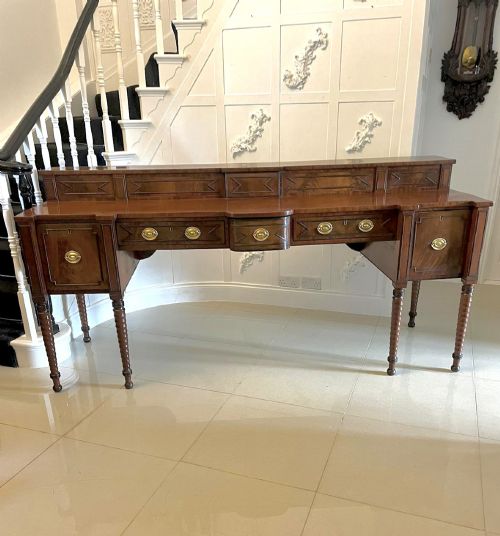
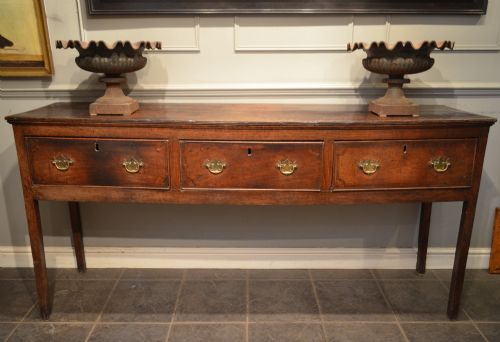
A dark brown wooden server is a sturdy preparation or serving surface found in oak, mahogany, and walnut across several centuries.

Dark Brown Wooden Server
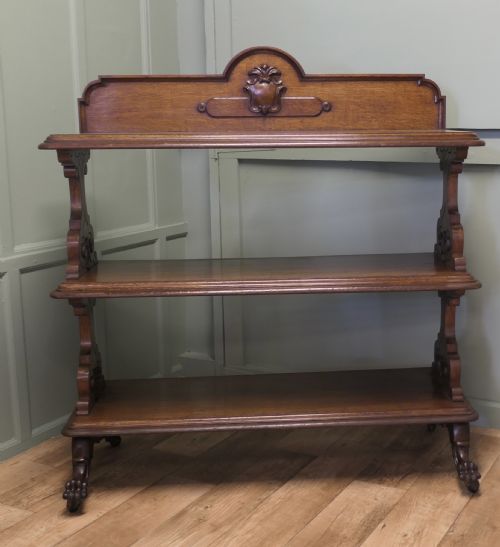
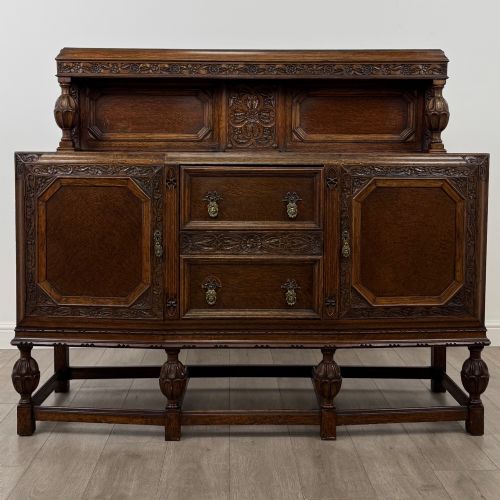
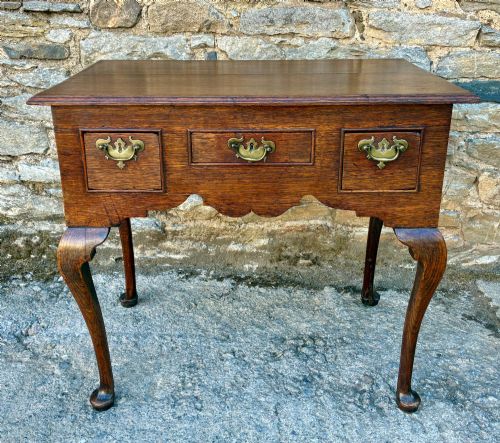
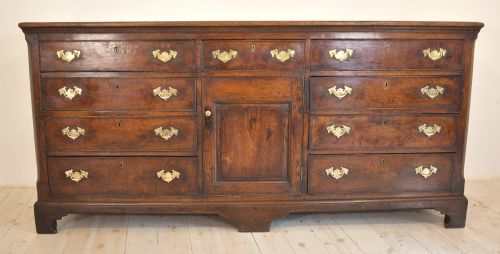
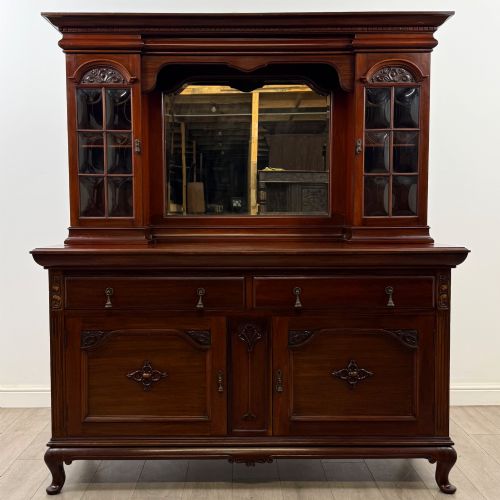
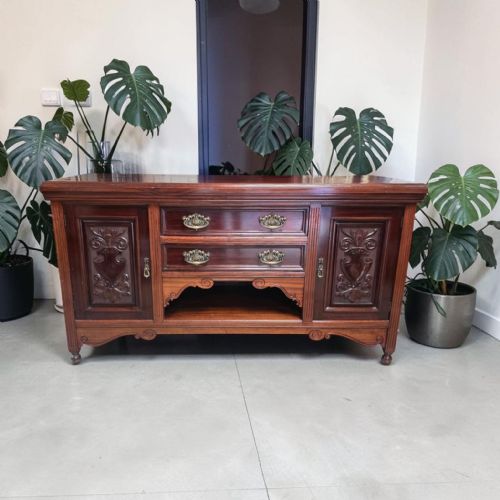
Buyers seeking a dark brown wooden server encounter substantial serving tables, dresser bases, lowboys, and sideboards spanning from the seventeenth century through the Edwardian era. Oak and mahogany dominate these forms, appearing in regional English styles as well as continental and Anglo-Indian variants.
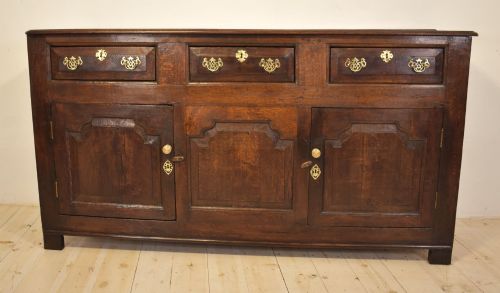
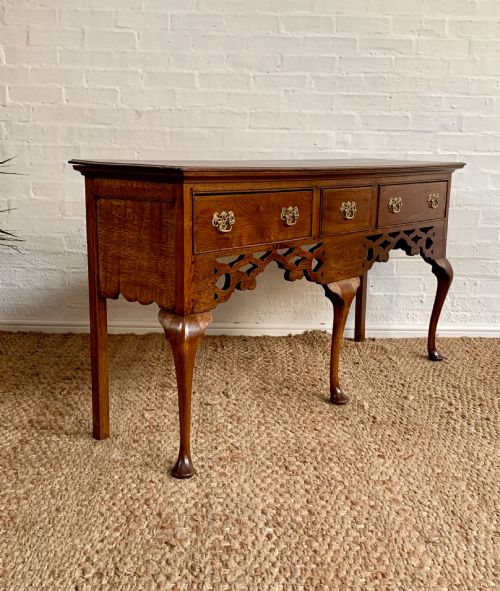
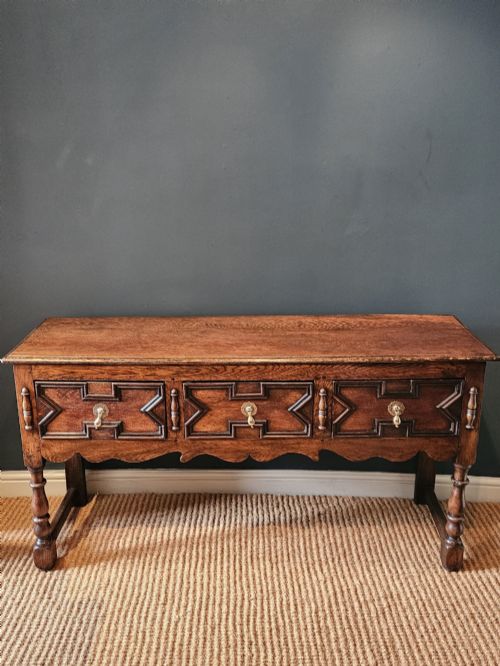
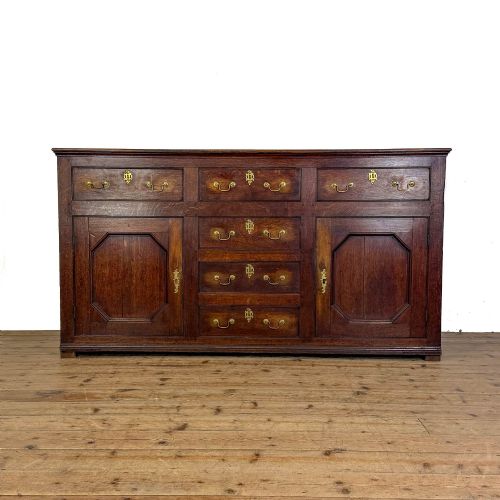
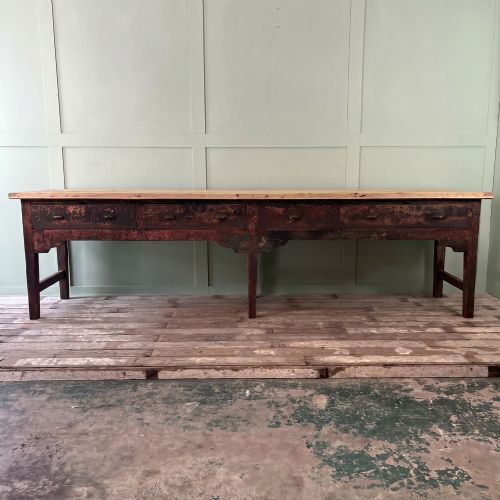
The version most commonly met on this page is the oak dresser base or serving table, often fitted with drawers and occasionally featuring a pot board beneath. These practical pieces served domestic dining rooms and kitchens long before modern fitted cabinetry replaced them.
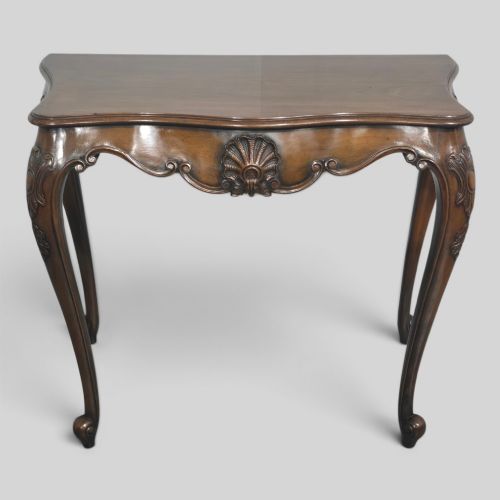
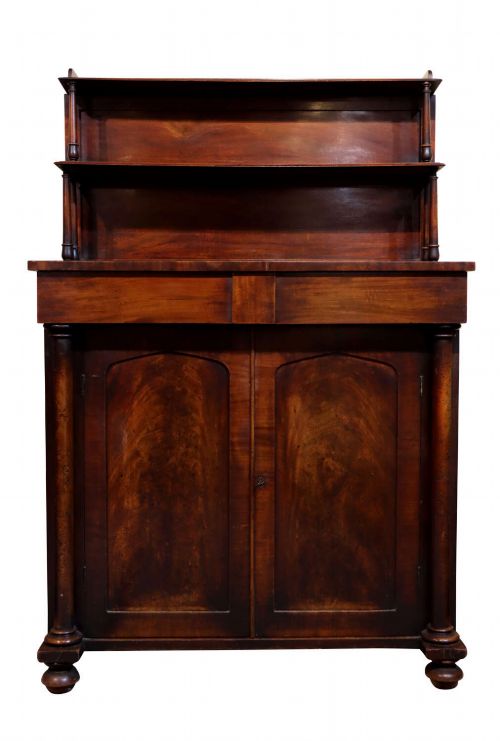
Alongside plain vernacular oak pieces, the inventory holds formal Georgian mahogany sideboards with serpentine fronts and fine figured veneers. Console tables and occasional side tables also fulfil the function of a server in smaller domestic spaces.
Construction and materials
Cabinetmakers built these servers predominantly in solid oak, mahogany, and walnut, frequently applying flame mahogany veneer to formal Georgian facades. Secondary woods such as pine appear in carcases and drawer linings, whilst brass hardware provides original handles and escutcheons.
Joinery methods range from traditional pegged mortise and tenon frames on seventeenth and eighteenth-century oak pieces to precise dovetail joints in mahogany drawer construction. Iron braces and fixings occasionally reinforce structural joints in utility tables and heavy sideboards.
Listings feature oak, mahogany, walnut, and pine across periods spanning the seventeenth century to the Edwardian era.
Judging quality and proportion
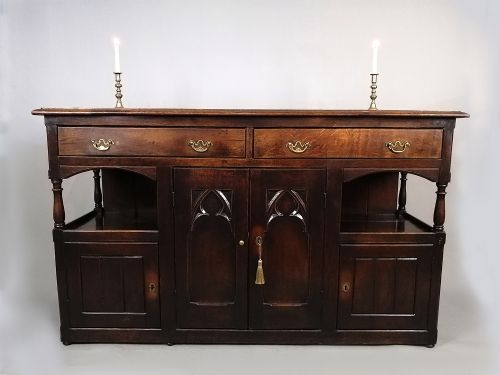
Quality rests in the selection of timber, such as highly figured mahogany or dense quarter-sawn oak, coupled with the crispness of carved details like linenfold panels or Gothic tracery. Timber thickness and the integrity of original drawer linings distinguish superior workshop output from utilitarian regional work.
Proportion and surface finish dictate the standing of a piece, with well-balanced serpentine fronts and untouched patinated wax surfaces achieving greater distinction. Alterations to handles, feet, or timber tops reduce the integrity of an antique server.
M. D. Miller & Sons
The Dark Brown Wooden Server Glossary
- Dresser base
- A low wooden sideboard or serving table fitted with drawers, originating in domestic kitchens and dining rooms. They often lack the upper plate rack associated with full kitchen dressers.
- Lowboy
- A small seventeenth or eighteenth-century side table with one or more rows of drawers, raised on relatively tall legs. These served as dressing tables or modest serving surfaces.
- Pot board
- An open lower shelf fitted between the legs of a dresser base or serving table, traditionally used for storing pots and domestic utensils.
- Serpentine
- A furniture front curving inward centrally and convexly outward at the ends, popular in high-status eighteenth-century mahogany sideboards.
- Linenfold
- A style of carved wooden panelling resembling folded vertical linen fabric, seen frequently on Edwardian oak cupboards and servers.
Dark Brown Wooden Server: Frequently Asked Questions
What is the difference between a server and a sideboard?
A server generally describes a lower, more open table or dresser base designed specifically for presenting food or holding dishes during meals. Sideboards often incorporate taller enclosed cupboards and central drawers tailored for formal dining room storage.
While the terms overlap frequently in antique listings, servers tend to emphasise table surfaces and open pot boards, whereas sideboards lean toward enclosed cabinetry.
How do I date an oak server?
Dating relies on construction marks, timber selection, and hardware styles. Seventeenth-century pieces display pegged mortise and tenon joinery and hand- cleft oak boards, whilst eighteenth-century examples introduce more refined drawer dovetailing and geometric mouldings.
Edwardian pieces often revive earlier motifs like linenfold carving or Gothic tracery, but machine-sawn timber dimensions and interior secondary woods reveal their later twentieth-century origin.
Where should I place a wooden server at home?
A wooden server fits naturally in a dining room or kitchen as a functional surface for serving meals and storing tableware. Their narrow profiles also make them effective console tables in hallways or living spaces for display and surface storage.
Keep antique wooden pieces away from direct heat sources and radiators to prevent timber shrinkage and splitting in the polished surface.
Are these servers made of solid wood?
Most of the period servers use solid regional timbers like oak, elm, or pine for their primary frames and structural elements. Formal pieces from the Georgian period onward frequently introduce exotic veneers like flame mahogany applied over stable pine or oak carcases.
Examining drawer interiors and unexposed edges confirms whether a piece uses solid construction throughout or relies on decorative wood veneers.