


Collectible Mechanical Watch
A collectible mechanical watch carries the precise engineering of past decades within a portable case.
Collectible Mechanical Watch
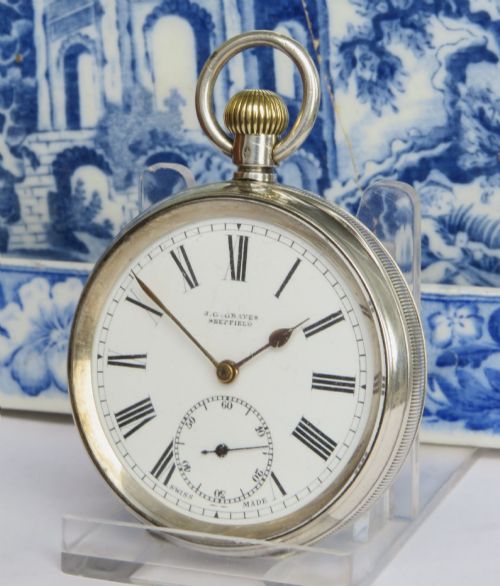
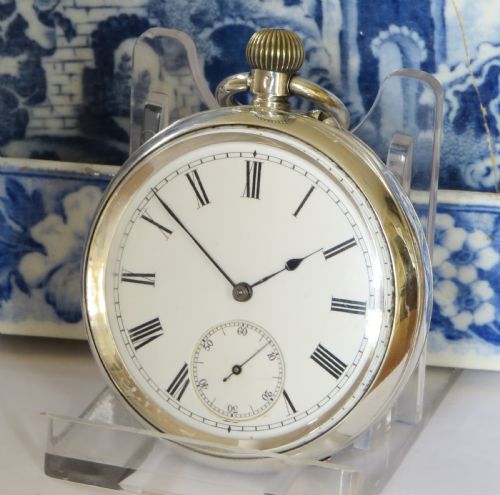
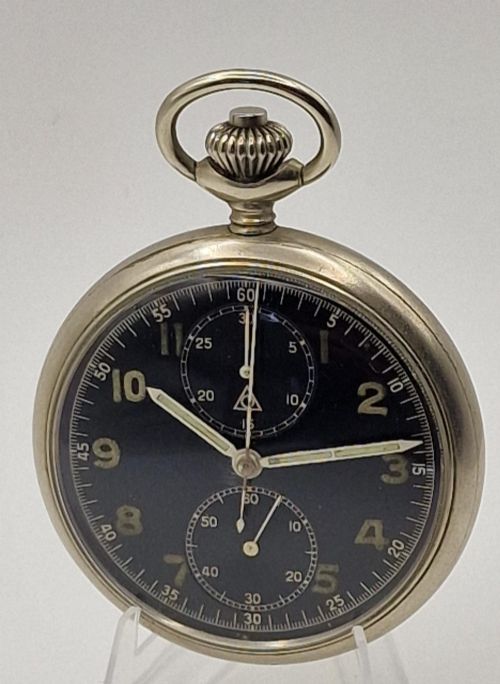
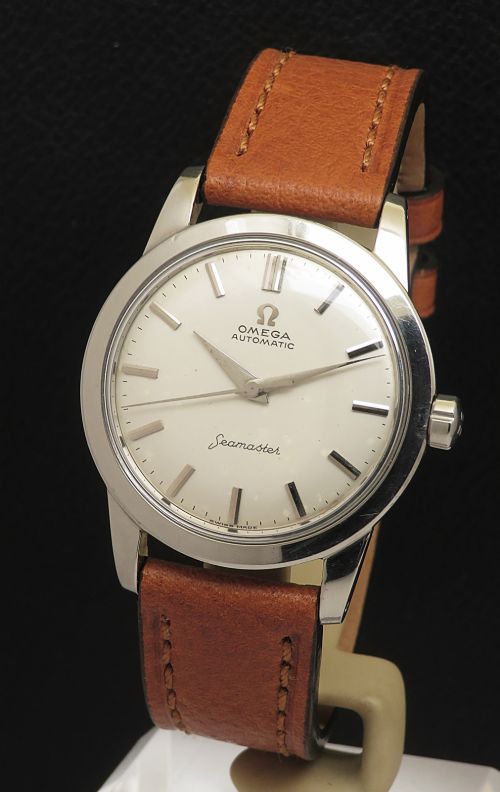
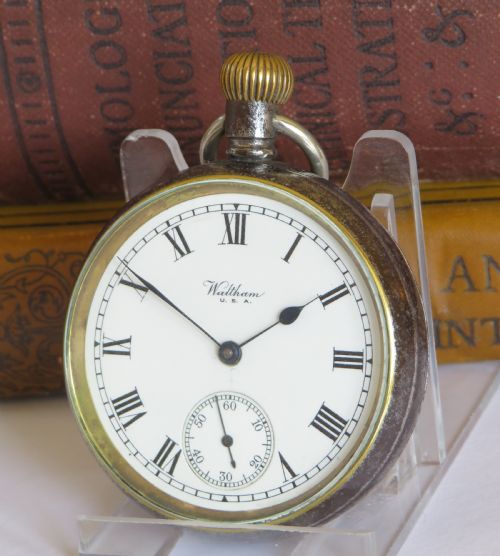
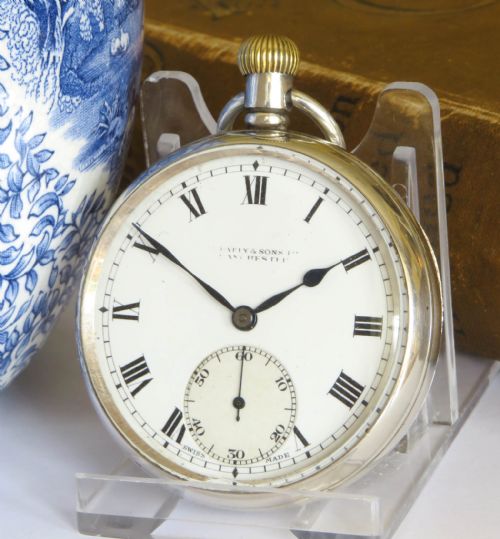
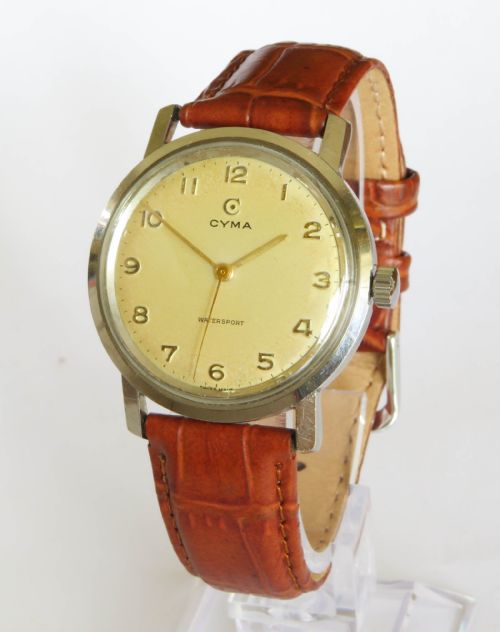
A collectible mechanical watch encompasses both wristwatches and pocket watches spanning from the nineteenth century through the mid-twentieth century. Buyers searching for a collectible mechanical watch will encounter diverse forms including military issue pieces, dress chronographs, and simple everyday timepieces.
Pocket watches remain prevalent alongside wristwatches, offering a glimpse into earlier horological traditions from the Victorian era onward. Buyers most frequently meet steel and silver cased examples driven by manual wind or early automatic movements.
How they were made
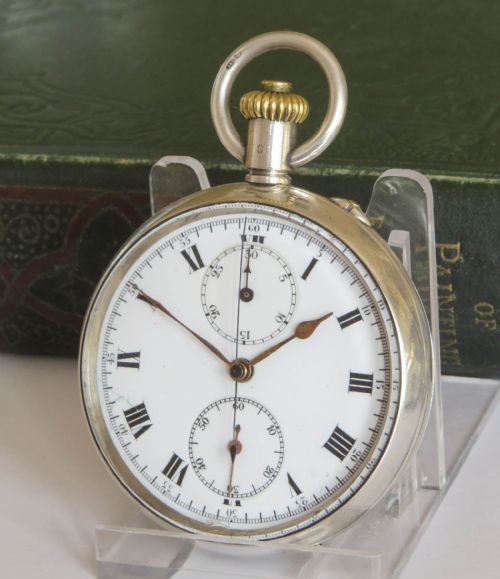
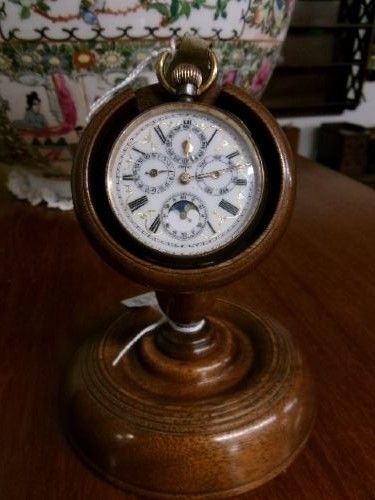
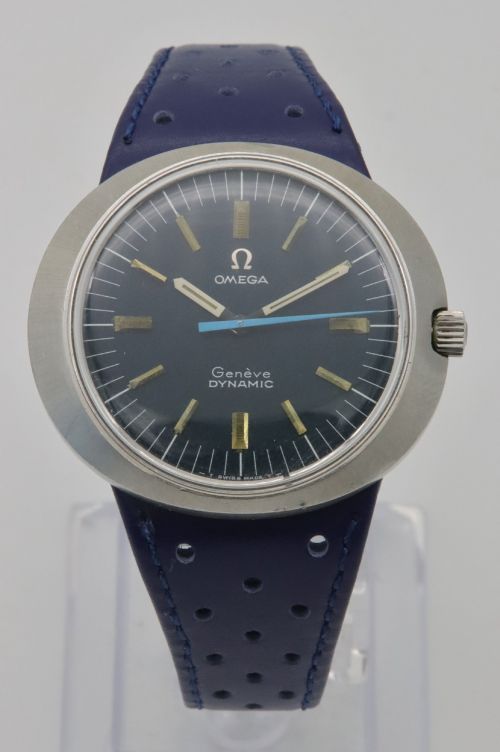
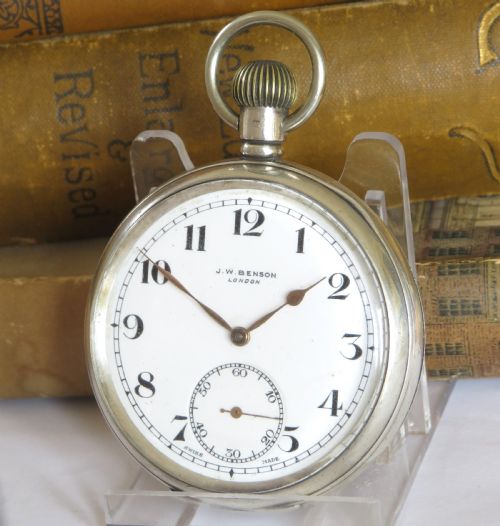
Cases utilise metals such as stainless steel, silver, gun metal, and occasionally gold, paired with glass or acrylic crystals to protect the dial. Dials feature enamel work or metal finishes, sometimes incorporating complications like calendar displays, moonphase indicators, or chronograph functions.
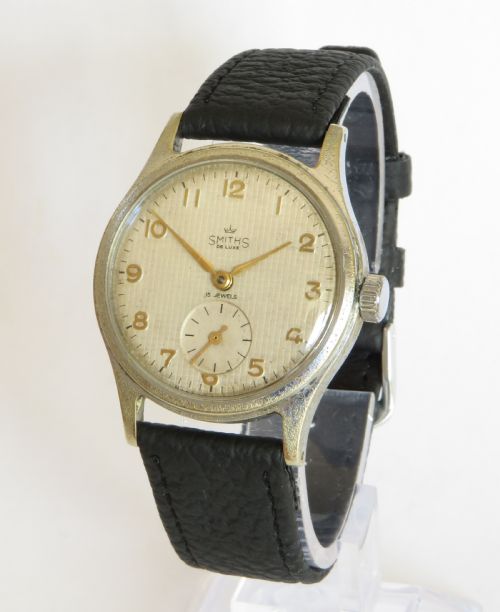
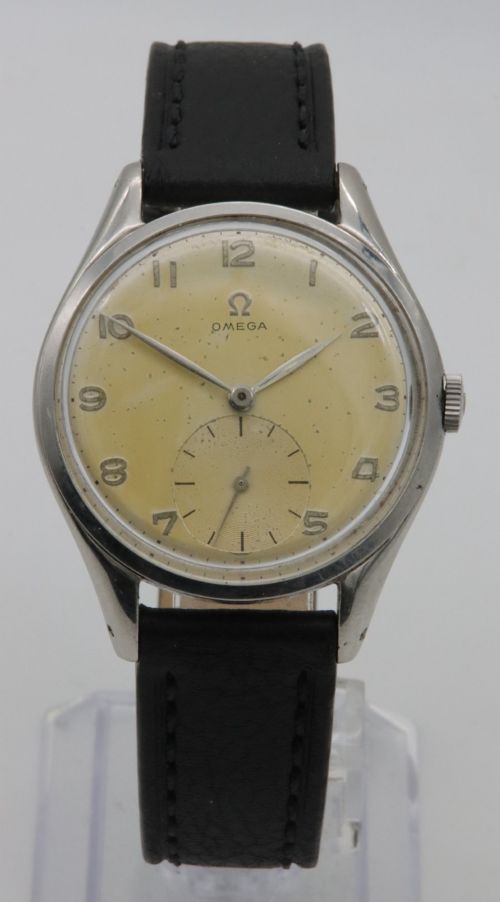
Movements rely on intricate mechanical components housed within these protective shells, requiring careful assembly of gears, springs, and escapements. Leather straps secure wristwatches to the arm, while pocket watches depend on fitted metal cases designed for daily carry.
Collectible Mechanical Watch Retail Price Guide 2026
Typical asking prices for collectible mechanical watch among the pieces listed under this phrase on Sellingantiques today, from the lower quarter to the upper quarter. They describe what is for sale here now, not the wider market.
Some pocket watches recorded dramatic history, carrying bravery awards engraved on their silver cases alongside the ticking hands.
What varies in quality
Quality differences stem from the original tier of manufacture, ranging from utilitarian military issue timepieces built for exact service requirements to high-grade civilian dress watches with refined finishing. The pedigree of the maker and the complexity of the movement, such as a triple date chronograph versus a standard three-hand layout, define the upper tiers.
The integrity of the dial and case preservation also distinguish examples, as untouched surfaces and original components maintain the historical character sought by collectors. Minor variations in case metal, dial legibility, and movement intricacy shape the breadth of the range.
Omega·Smiths·Elgin·Cyma·Waltham·Zenith·Ebel·Longines·Benrus·J W Benson·Consul·Vertex·Marvin
The Collectible Mechanical Watch Glossary
- Chronograph
- A watch with a stopwatch function alongside its standard timekeeping display. These complications require additional gear assemblies inside the movement.
- Hunter pocket watch
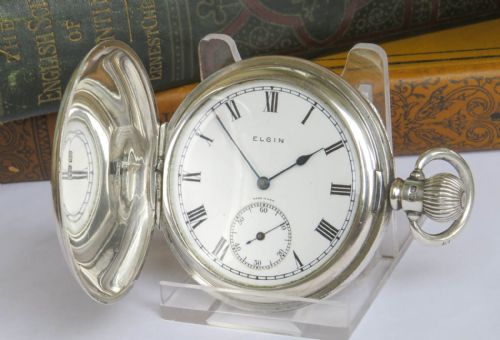
- A pocket watch featuring a spring-loaded metal cover that protects the glass dial. Full hunters cover both sides while half hunters feature a small glass window in the centre of the lid.
- Bumper automatic
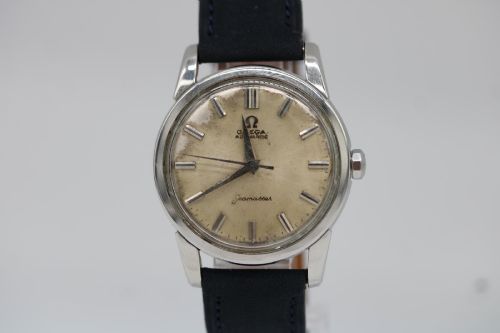
- An early self-winding watch movement where the rotor swings back and forth against buffer springs rather than rotating fully. This mechanism defines many automatic pieces from the 1950s.
- Military issue
- Timepieces commissioned by armed forces for personnel, often marked with specific service codes on the case back. These watches prioritised legibility and durability under demanding conditions.
- Moonphase
- A dial complication that tracks the lunar cycle through a rotating disk visible via an aperture. This feature appears on select calendar watches from the mid-twentieth century.
Collectible Mechanical Watch: Frequently Asked Questions
How do I wind a mechanical watch?
Wind the crown gently in a clockwise direction until you feel resistance, taking care not to force it past the stopping point. Daily winding at a consistent time helps maintain steady tension on the mainspring.
Automatic models wind themselves through the natural motion of the wrist, though manual examples require this daily interaction to keep the movement running.
Can I wear a vintage watch daily?
Many vintage pieces handle regular wear provided they receive proper care and routine maintenance by a watchmaker. Consideration should be given to their age and lack of modern water resistance.
Choosing when to wear them depends on the specific case material and whether the piece has delicate complications or military durability.
What is the difference between a pocket watch and a wristwatch?
Pocket watches are designed to be carried in a waistcoat or jacket pocket, often secured with a chain attached to a buttonhole. They typically feature larger movements and protective metal covers.
Wristwatches are secured to the arm with a leather strap or metal bracelet, offering immediate visibility of the time during everyday activities.
How do I identify the decade of a watch?
The design characteristics, movement serial numbers, and case styles often point toward a specific era such as the 1940s or 1950s. Art Deco geometric lines suggest the 1930s, whereas utilitarian dials frequently indicate military service.
Comparing the typography on the dial and the shape of the hands with known production periods helps narrow down the manufacturing date.