


Collectible Ceramic Statues
Collectible ceramic statues bring the charm of historical figures and animals into your home through finely shaped porcelain and earthenware.
Collectible Ceramic Statues
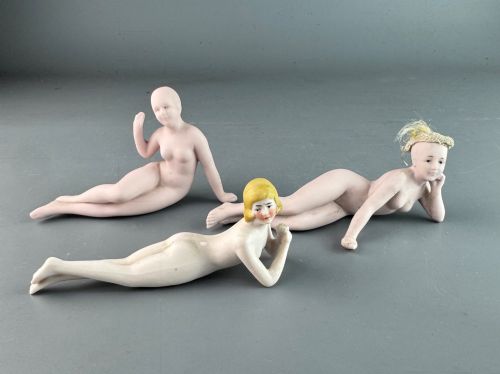
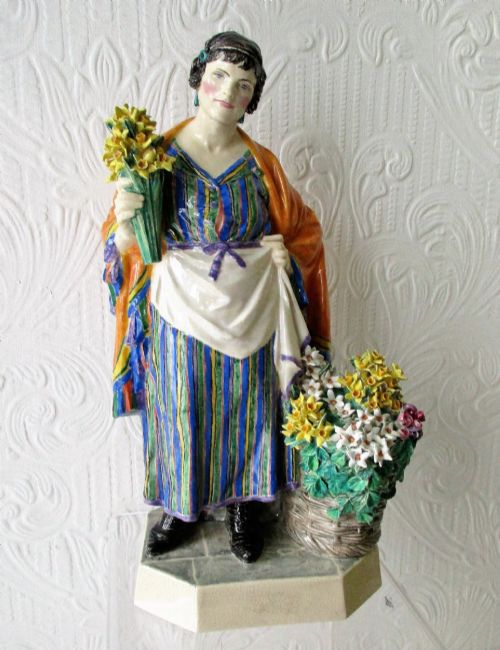
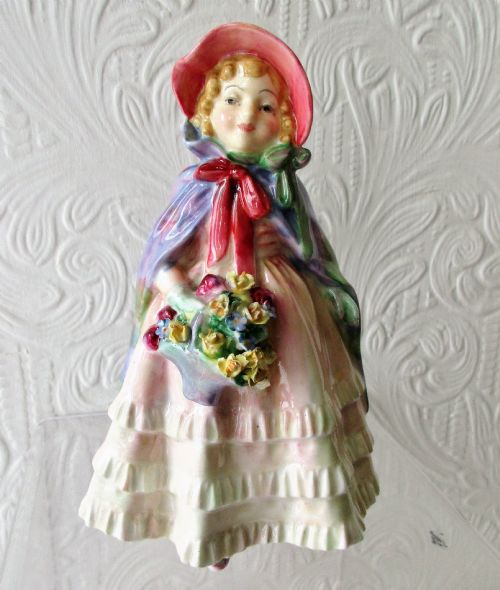
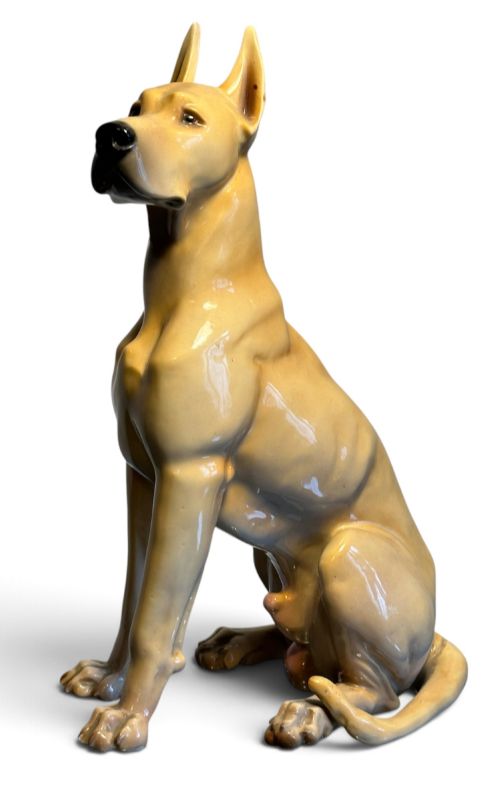
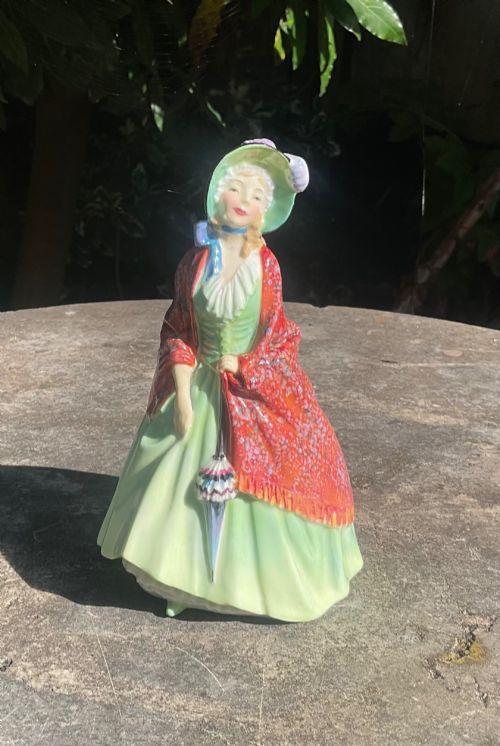
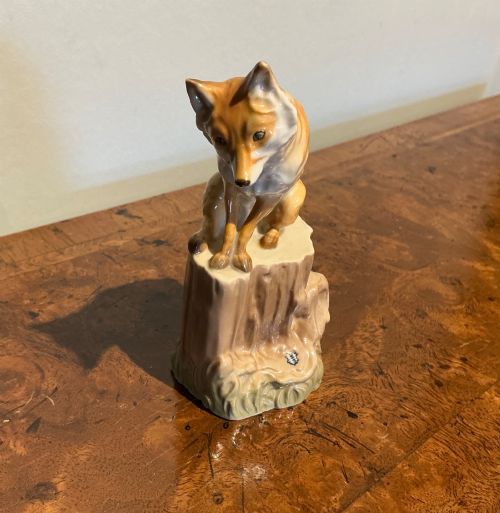
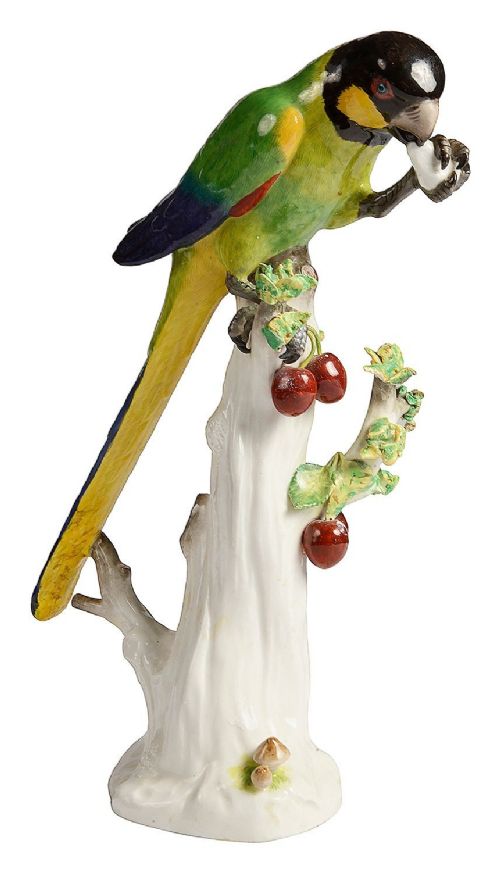
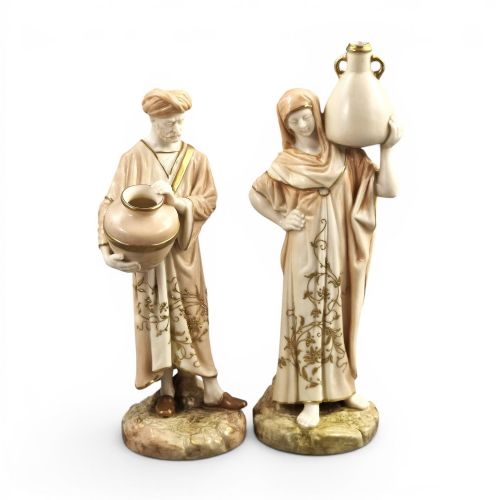
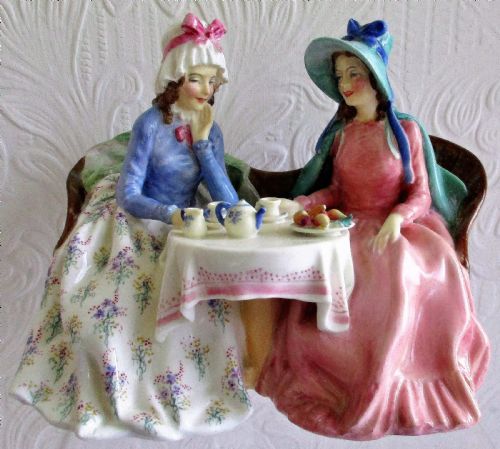
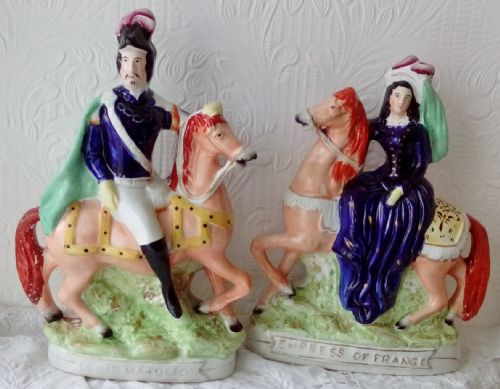
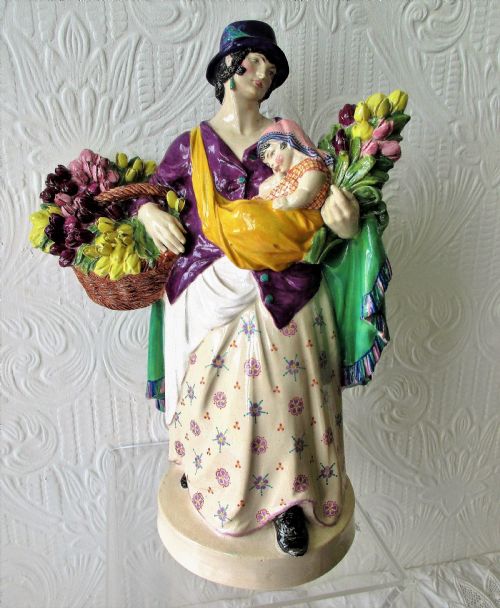
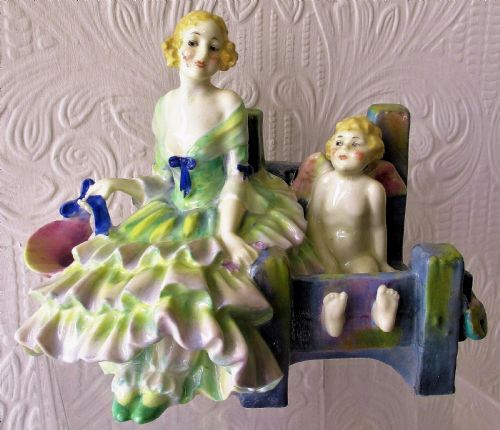
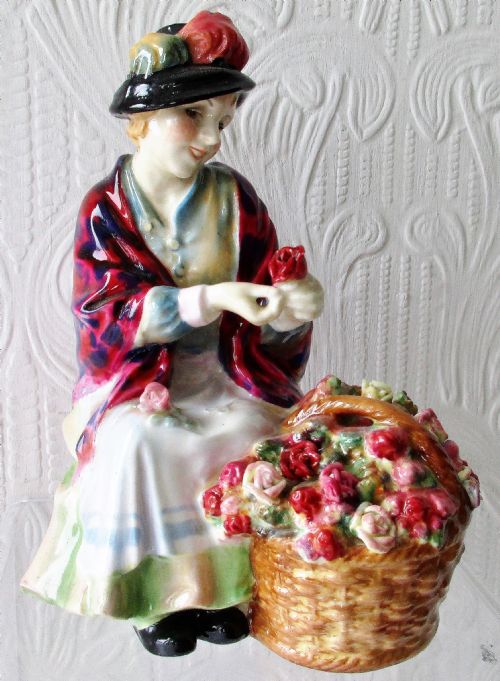
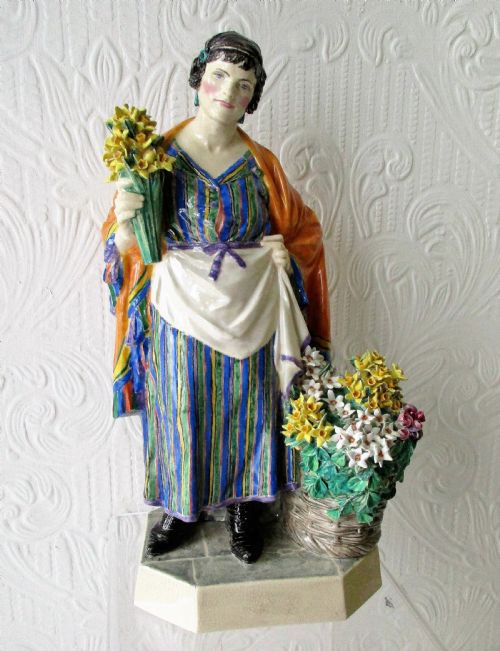
When you search for collectible ceramic statues, you encounter moulded and modelled figures spanning multiple centuries of European production. These objects take the form of human characters, animals, and classical allegories designed for domestic display.
You are most likely to meet twentieth-century porcelain figurines alongside nineteenth-century earthenware and bone china. The selection ranges from studio pottery street vendors to large factory-produced figures from English and continental kilns.
How they were made
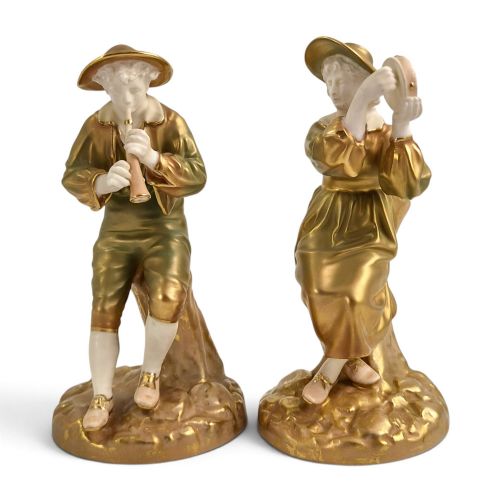
Maker's workshops shape these pieces using porcelain, bone china, and earthenware, often applying detailed enamel colours and glaze over the fired clay body. Selected items receive touches of gold leaf to accentuate decorative elements.
Collectible Ceramic Statues Retail Price Guide 2026
Typical asking prices for collectible ceramic statues among the pieces listed under this phrase on Sellingantiques today, from the lower quarter to the upper quarter. They describe what is for sale here now, not the wider market.
Listings feature porcelain and earthenware pieces spanning from the mid-eighteenth century through the mid-twentieth century.
What varies in quality
The precision of the modelling and the delicacy of the hand-painting set the finest examples apart from standard factory output. Expressive facial details and intricate clothing textures indicate superior artistic execution.
The clarity of the glaze and the preservation of enamel colours over the clay body determine the overall visual standard. Pieces that maintain crisp definition in the underlying ceramic form represent the higher tier of production.
Royal Doulton·Royal Worcester·Meissen·Derby·Royal Copenhagen
The Collectible Ceramic Statues Glossary
- Bone china
- A type of soft-paste porcelain containing bone ash, known for its high strength and milky translucency. It permits thinner walls and finer detail in figurine modelling.
- Earthenware
- A porous pottery body fired at lower temperatures than porcelain. It requires an impermeable glaze to hold liquids and display enamel colours effectively.
- Enamel
- Vitreous colour applied over a fired glaze or ceramic body and fixed by a secondary low-temperature firing. It provides the vibrant palette seen on historical figures.
- Glaze
- A glassy coating fused to the ceramic surface during firing. It seals the porous clay body and gives the piece its characteristic sheen.
- Porcelain
- A hard, non-porous ceramic material made from kaolin and petuntse fired at high temperatures. It forms the crisp base for many detailed historical figurines.
Collectible Ceramic Statues: Frequently Asked Questions
How do I identify porcelain versus earthenware?
Porcelain is dense, hard, and often exhibits translucency when held to a strong light. The clay body resists scratching and rings slightly when tapped gently.
Earthenware has a more opaque, porous structure that appears heavier and lacks the vitrified ring of porcelain. The unglazed base often reveals a coarser, more absorbent clay texture.
Where were these figures displayed?
These decorative objects typically occupied mantelpieces, side tables, and enclosed cabinets in period drawing rooms. They served as conversation pieces and reflections of the owner's cultural interests.
Larger animal models and human pairs stood on larger furniture surfaces, while miniature figures inhabited specialised display shelves alongside other ceramic wares.
How can I tell the period of a figure?
Examine the base markings, factory stamps, and style of the clothing for chronological clues. Factory stamps often change across decades and help narrow down the production window.
The modelling style and painting technique also provide strong indications of whether a piece originates from the eighteenth, nineteenth, or twentieth century.