


Collectible China
Collectible antique china brings together handpainted porcelain, bone china and glazed earthenware spanning the Georgian period to the mid-twentieth century.
Collectible China
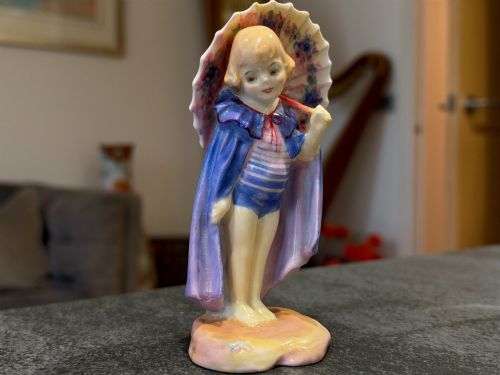
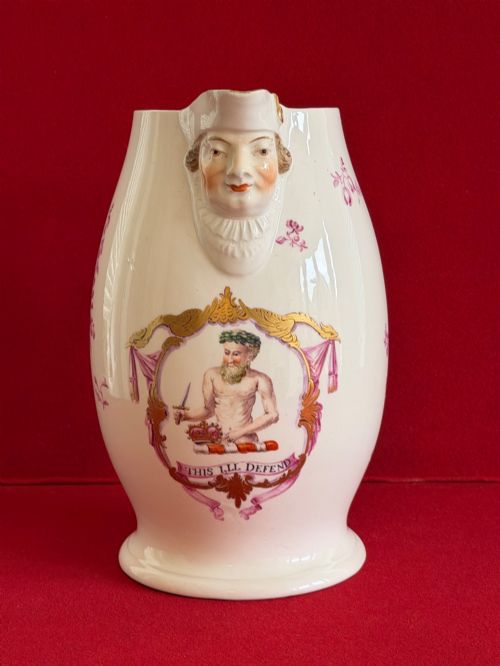
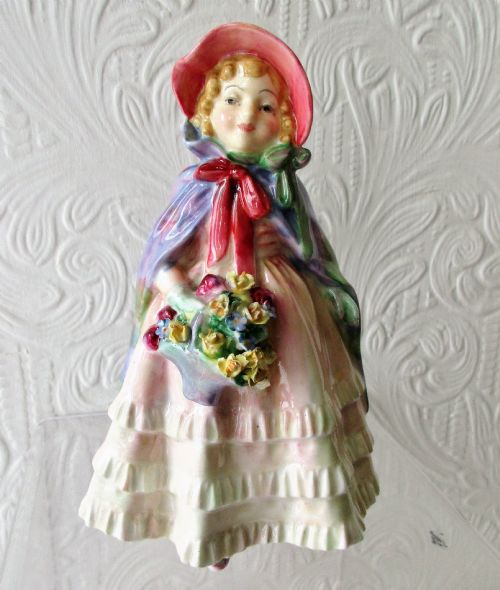
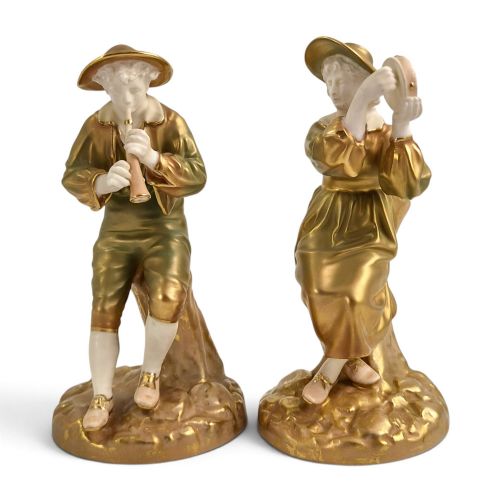
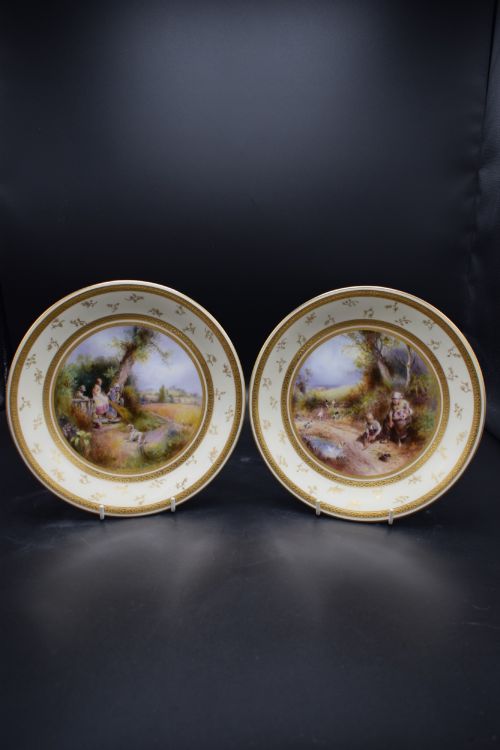
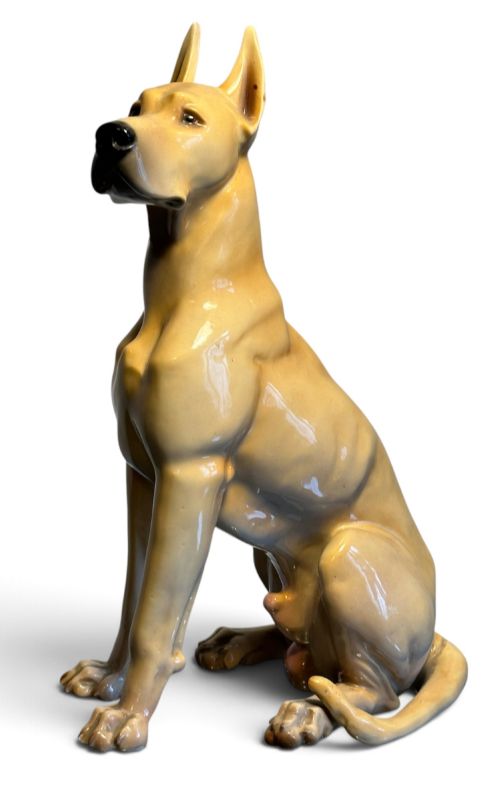
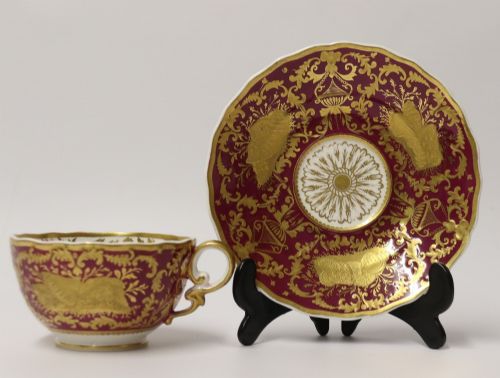
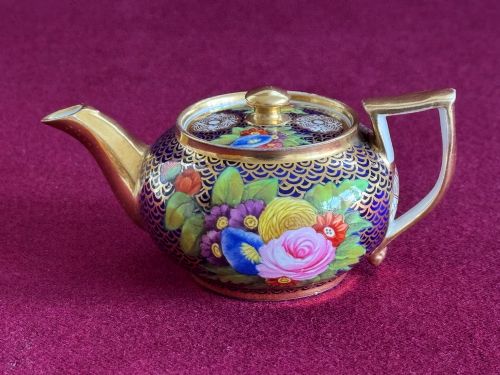
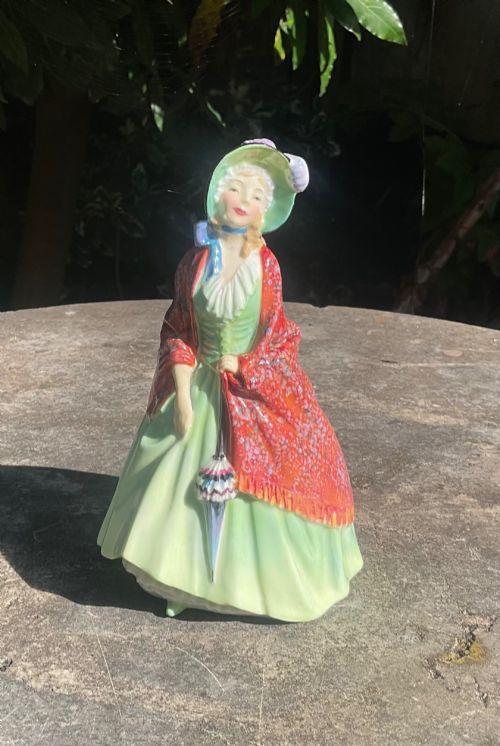
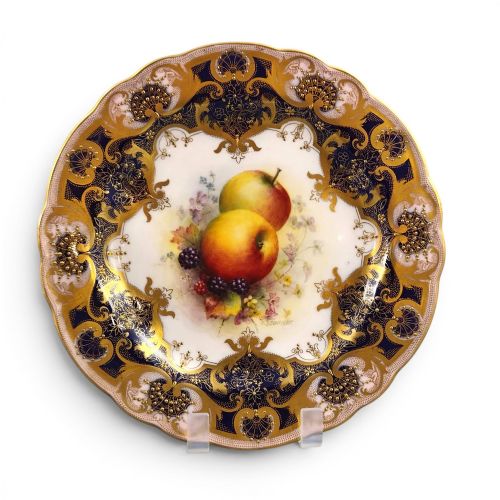
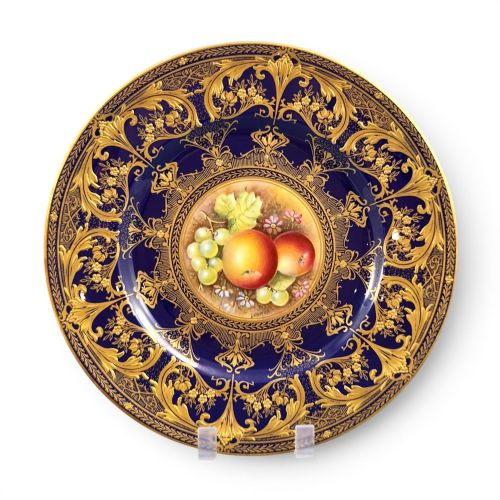
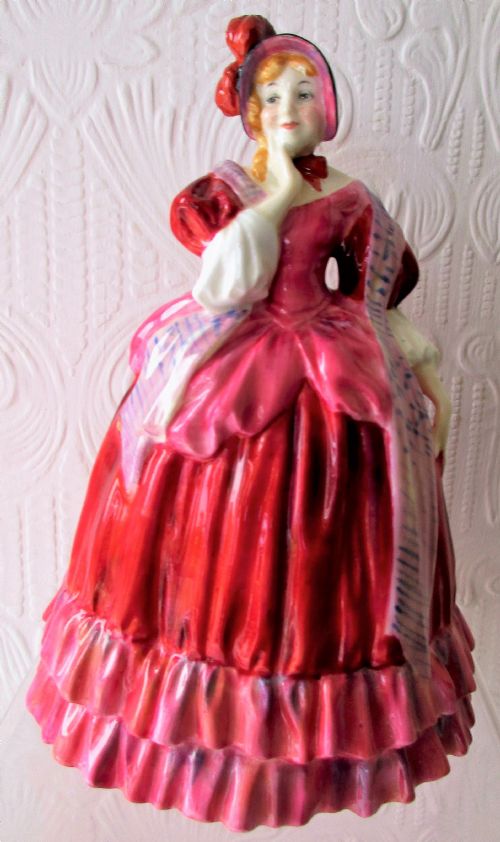
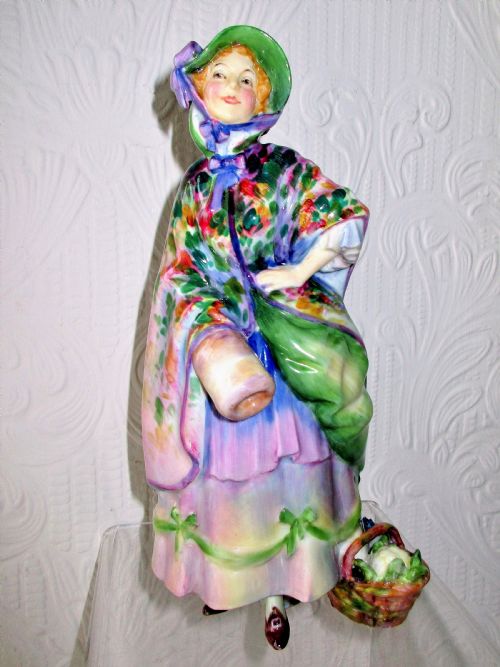
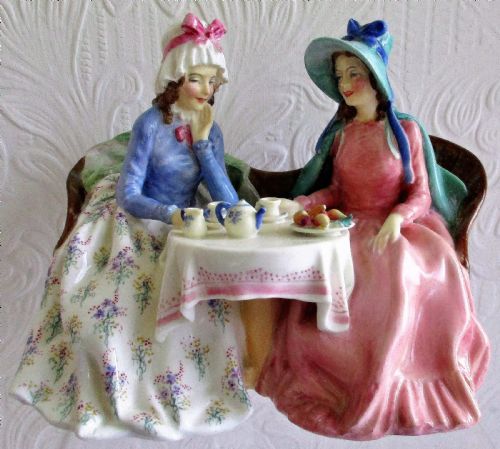
Collectible antique china encompasses a wide array of ceramic forms, most notably decorative plates, cabinet plates, teacups and saucers, and figurines. These pieces arrive from notable factories such as Royal Worcester, Royal Doulton and Spode.
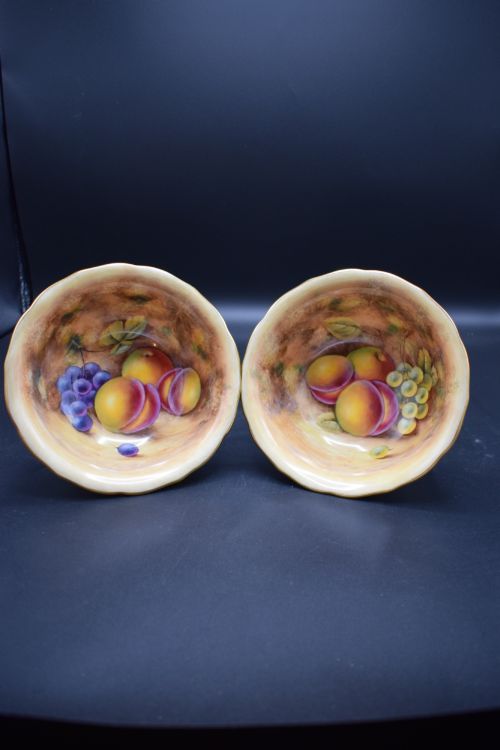
The selection ranges from eighteenth-century Worcester tea bowls to 1930s figures and painted fruit plates. Buyers encounter items created for daily dining alongside display wares designed for cabinet exhibition.
Makers utilised porcelain, bone china and glazed earthenware across periods including the Georgian era, Victorian times, the Edwardian period and the 1930s. Each object carries the decorative tendencies of its respective decade.
Materials and production techniques
Makers shaped porcelain, bone china and earthenware into plates, bowls and figurines before applying glazes. Many items received handpainted decoration using enamel colours, gold leaf, and gilt detailing.
Factories like Wedgwood employed specialised lustre techniques, while others relied on precise brushwork by named artists for fruit and floral subjects. Firing processes fixed these pigments and glazes to the ceramic body.
Collectible China Retail Price Guide 2026
Typical asking prices for collectible china among the pieces listed under this phrase on Sellingantiques today, from the lower quarter to the upper quarter. They describe what is for sale here now, not the wider market.
Listings feature porcelain, bone china and glazed earthenware across periods spanning the Georgian era to the mid-twentieth century.
Variations in quality
Quality rests upon the skill of the handpainting and the precision of the gilding applied to the porcelain body. Pieces painted by recognised artists command attention for their detailed brushwork.
The sophistication of the ceramic form and the complexity of patterns, such as dragon motifs or lustre finishes, separate standard wares from exceptional examples. Preservation of the original glaze and enamel remains central to the standing of any piece.
Spode·Royal Doulton·Royal Worcester·Wedgwood·Minton·Flight Barr And Barr·Coalport
The Collectible China Glossary
- Bone china
- A type of soft-paste porcelain containing bone ash, known for its strength and milky translucency. It became a staple of English ceramic production.
- Cabinet plate
- A decorative plate intended for display in a cabinet rather than for table service. These items usually feature elaborate painted scenes.
- Lustre
- A metallic ceramic glaze that produces an iridescent surface sheen. Wedgwood utilised this finish extensively on decorative bowls and vases.
- Porcelain
- A ceramic material made by heating materials, generally including kaolin, in a kiln. It fires to a hard, non-porous body.
- Enamel
- Opaque glass used as a decorative coating fired onto the surface of porcelain. It provides vibrant colours on tea wares and figures.
Collectible China: Frequently Asked Questions
How do I identify different periods?
Periods are identified through factory marks, style characteristics, and registration numbers stamped or painted on the base of the ceramic.
Changes in painting styles, from Georgian botanical studies to Art Deco figures, also help date individual pieces.
Were these items used daily?
Many teacups, saucers and side plates saw actual service at the dining table during the Georgian and Victorian eras.
Cabinet plates and decorative figurines were generally produced solely for display and interior adornment.
How should I display antique china?
Display items in enclosed cabinets to protect delicate enamel decoration and gold leaf from dust and accidental damage.
Keep pieces away from direct sunlight to prevent the fading of handpainted pigments over time.
What defines a cabinet plate?
A cabinet plate is a decorative ceramic dish meant for visual appreciation within a display setting rather than functional dining.
These pieces frequently display intricate handpainted scenes by notable artists.