





Collectable Porcelain Art
Collectable porcelain art spans intricate figurines, decorative bowls, and vases shaped during the early twentieth century and the nineteenth century.
Collectable Porcelain Art
When you search for collectable porcelain art, you encounter ornamental objects ranging from Edwardian lustre bowls to Art Deco figurines. These pieces capture specific decorative movements across the nineteenth century and the early decades of the twentieth century.
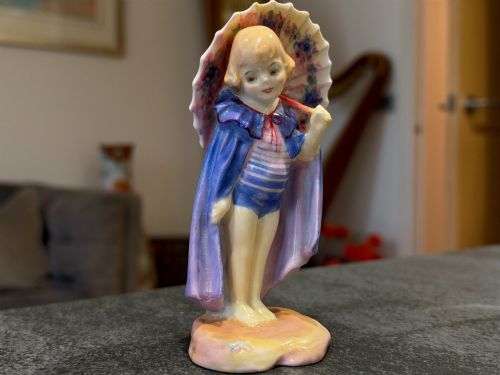
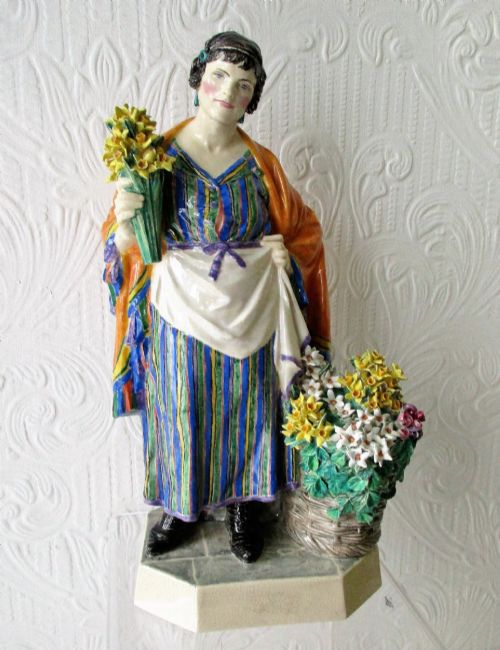
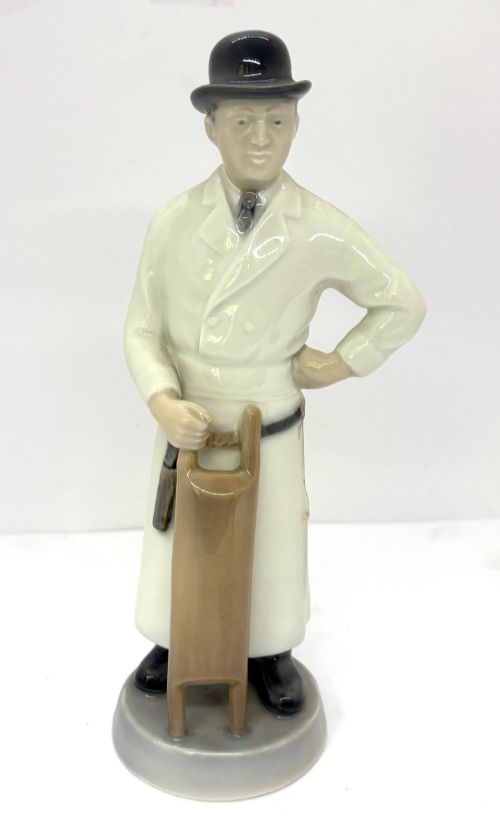
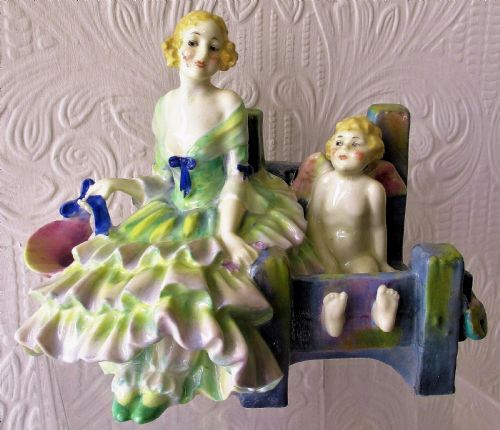
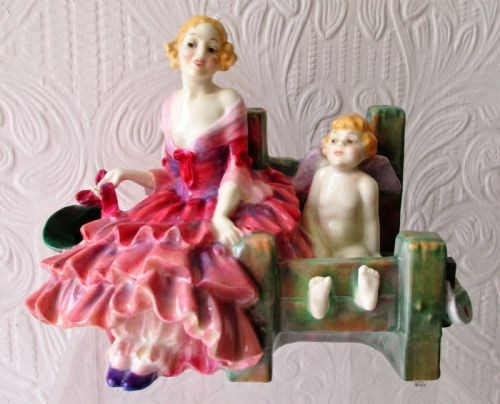
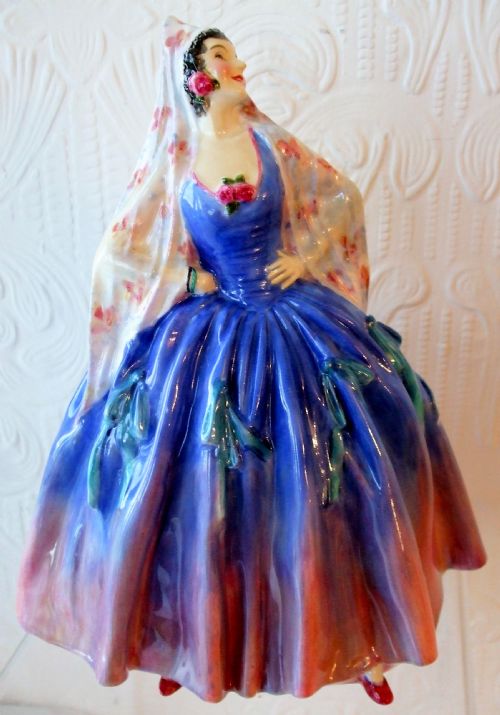
The selections here lean heavily toward English porcelain figurines and distinctive lustre glazed vessels. Figures from the 1930s stand alongside Edwardian and 1920s decorative designs.
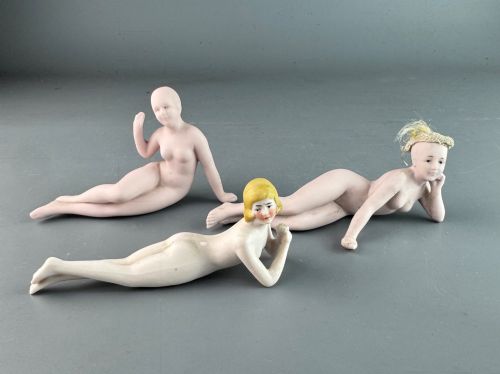
Vases, half dolls, cigarette strikers, and powder bowls represent the domestic application of these decorative arts. Each item reflects the prevalent taste of its period, whether Neoclassical, Art Nouveau, or Scandinavian.
Materials and production methods
Makers utilised fine porcelain, bone china, and general ceramic bodies as the foundation for these items. Skilled hands shaped the paste into figures and vessels before applying intricate glazes.
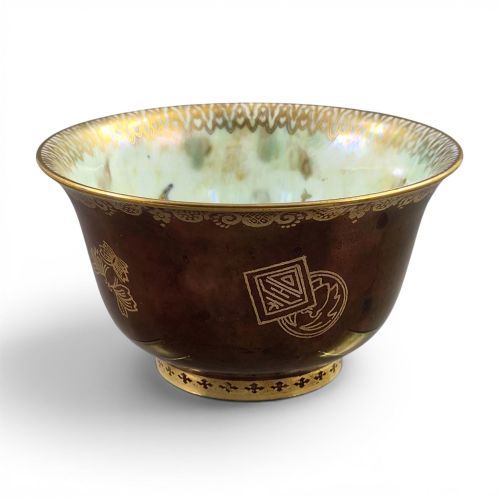
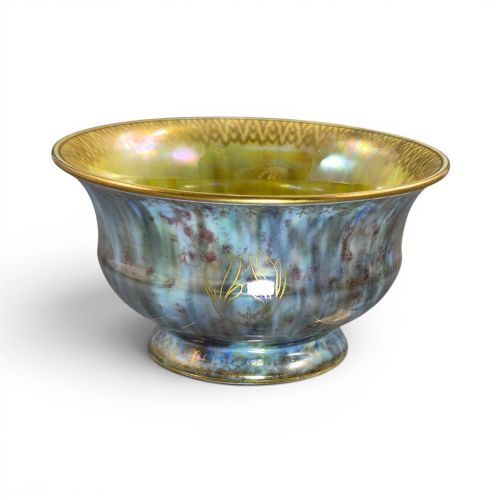
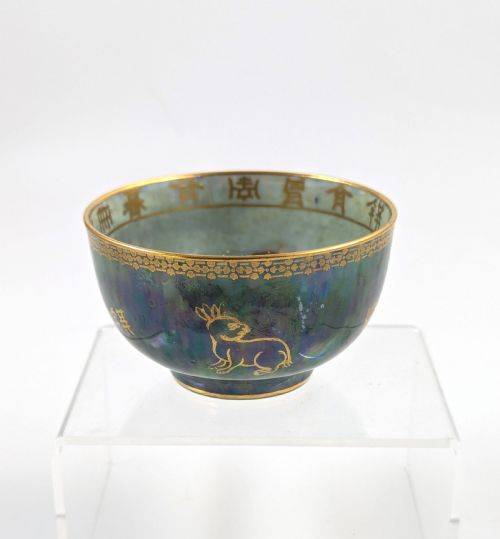
Lustre glaze and enamel decorate the surfaces of many bowls and vases, often accented with gold leaf. These chemical treatments create shimmering optical effects upon firing.
Moulding and hand-painting combine in the production of figures and half dolls. Artisans then executed precise detailing on faces, garments, and patterns.
Collectable Porcelain Art Retail Price Guide 2026
Typical asking prices for collectable porcelain art among the pieces listed under this phrase on Sellingantiques today, from the lower quarter to the upper quarter. They describe what is for sale here now, not the wider market.
The listings span porcelain and bone china forms from the 19th Century through the 1940s, featuring Art Deco and Edwardian aesthetics.
Factors of quality
The refinement of the painting and the complexity of the glaze determine the calibre of a piece. Lustre finishes that exhibit deep chromatic variation stand apart from simpler applications.
Modelling precision separates standard figures from superior works. Clean lines in porcelain moulding preserve the expression and posture intended by the designer.
The integration of decorative motifs, such as intricate dragon or fairy designs across a bowl surface, demonstrates high technical execution by the pottery.
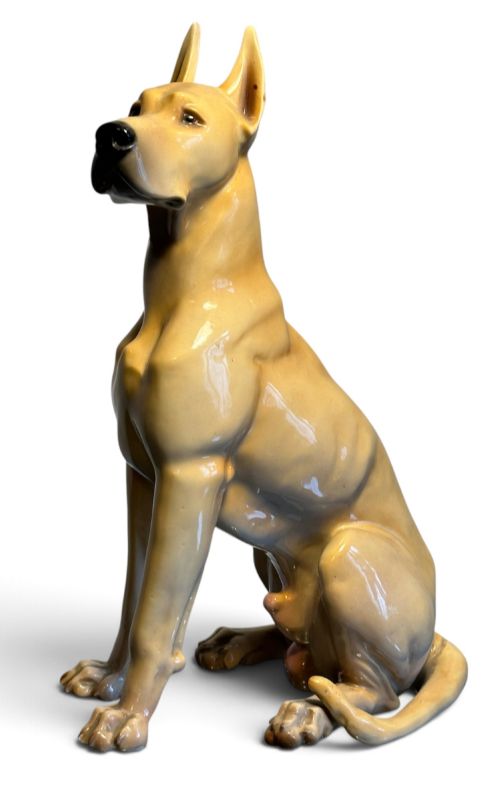
Royal Doulton·Wedgwood·Fasold and Stauch·Royal Copenhagen·Achille Mollica·William Goebel
The Collectable Porcelain Art Glossary
- Lustre glaze
- A type of ceramic glaze containing metallic salts that produce an iridescent sheen upon firing. This technique creates a pearl-like or metallic reflection on the vessel surface.
- Half doll
- A ceramic upper torso without legs, historically used to decorate pin cushions, powder boxes, and tea cosies. These figures gained immense popularity during the Art Deco era.
- Bone china
- A type of porcelain composed of bone ash, feldspathic material, and kaolin. It provides high mechanical strength and translucency.
- Tobacciana
- Antiques and collectables connected to the use of tobacco, such as cigarette strikers and jars. These items often feature decorative porcelain modelling.
- Baluster vase
- A vase with a rounded body that tapers toward the neck, resembling an architectural baluster. This classic form provides a large surface area for painted designs.
Collectable Porcelain Art: Frequently Asked Questions
What defines Art Deco porcelain?
Art Deco porcelain pieces showcase geometric clarity, stylised human forms, and modern motifs characteristic of the interwar period. Figures of dancers and flapper girls frequently define this aesthetic.
These items often utilise clean moulding techniques paired with vibrant enamel painting or lustre glazes to capture the dynamic spirit of the 1920s and 1930s.
How were lustre bowls used?
Lustre bowls served primarily as decorative table centrepieces or display items within Edwardian and interwar homes. Their iridescent surfaces caught natural light to enhance drawing rooms.
While functional as open vessels, their intricate painted designs meant they were prized for visual display rather than heavy domestic service.
What are porcelain half dolls?
Half dolls are porcelain figurines formed from the waist up, designed historically to conceal the functional bases of pin cushions, powder bowls, and lampshades. They allowed makers to combine practical boudoir items with fine ceramic art.
Collectors encounter them frequently in Art Deco configurations depicting elegant ladies and dancers.