




Collectable Painting
These collectable painting and hand-decorated pieces unite porcelain figures, wooden decoys and studio ceramics from eras spanning the eighteenth to the twentieth centuries.
Collectable Painting
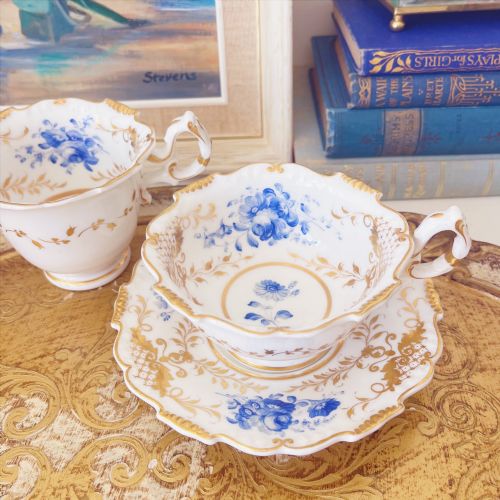
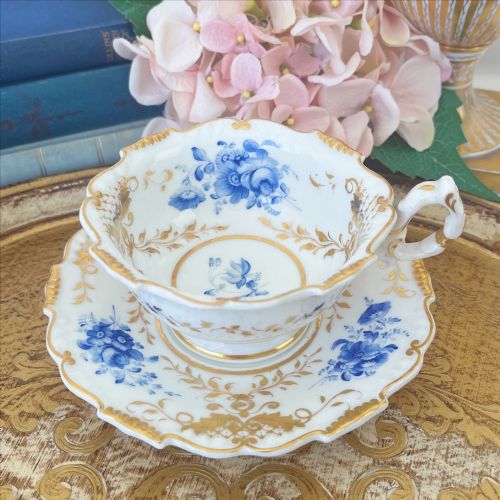
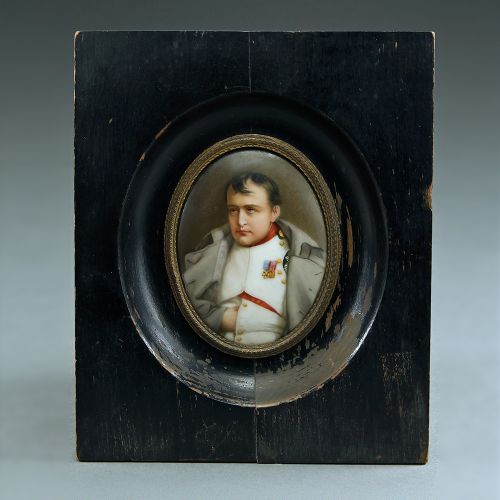
When buyers search for collectable painting, they encounter a diverse selection of decorated ceramics, hand-painted miniatures, carved wooden figures and enamelled objects. The inventory ranges from Georgian porcelain cups and Regency cabinet pieces to early twentieth-century wooden decoy ducks and studio pottery figures.
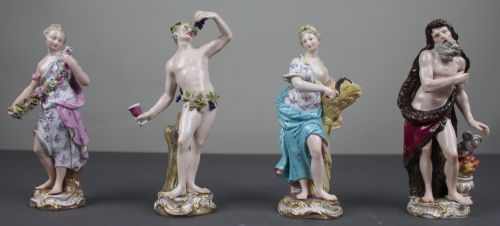
The most common items meeting this description are painted porcelain figurines, decorative plates, table lighters, and carved wooden models with hand-applied colour. These pieces cross various aesthetics including Art Deco, Regency, Folk Art and Victorian styles.
Origins stretch across British, German, French and Norwegian workshops, reflecting traditional techniques in porcelain painting, cold-painted metalwork and enamel decoration.
How they were made
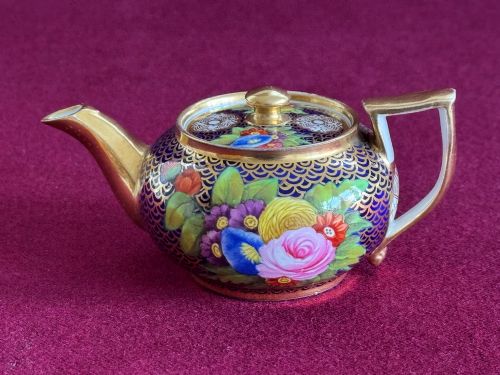
The items rely on traditional craftsmanship involving porcelain, bone china, wood, metal and enamel, often finished with hand-applied paint, gold leaf and glazes. Artisans shaped clay bodies before hand-painting intricate scenes, botanical studies or character details onto plates, cups and figurines.
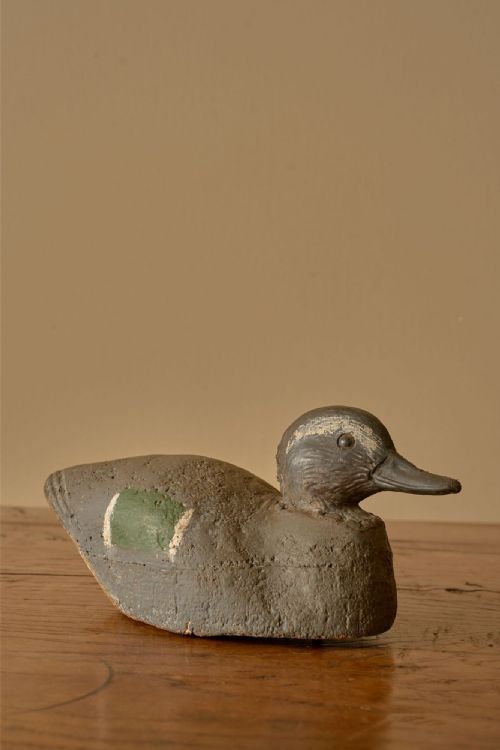
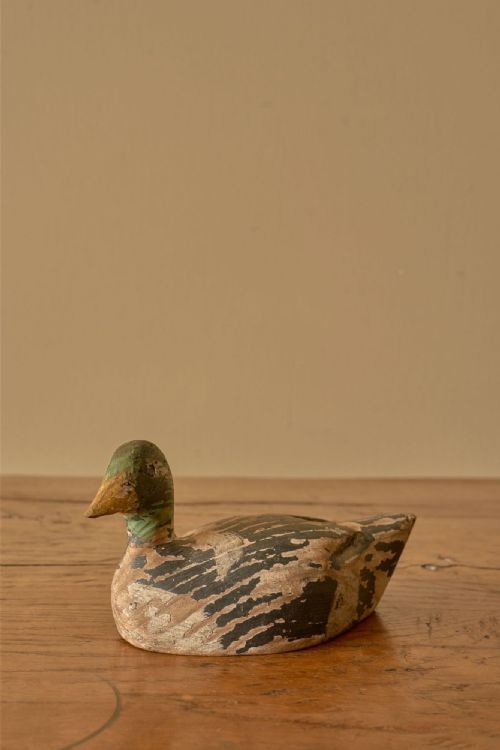
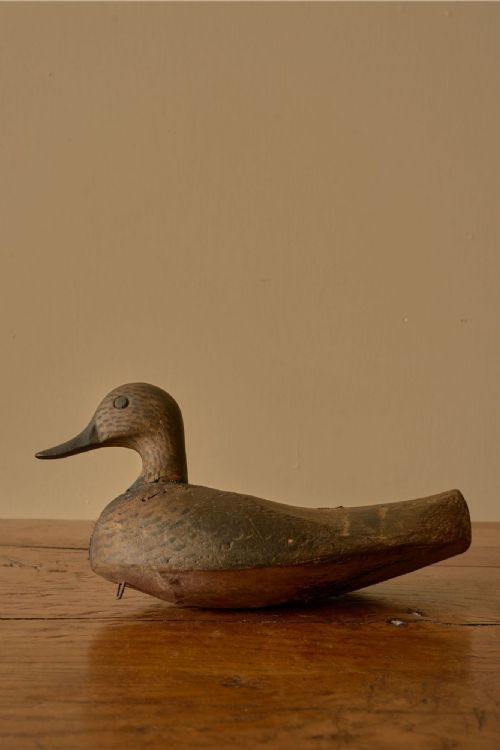
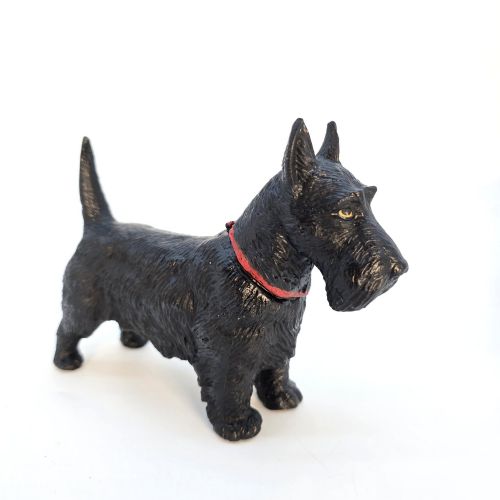
Wooden objects such as decoy ducks, pigeons and scale models combine carving with hand-applied pigment, while metal pieces utilise cold-painting or enamel over brass and sterling silver. Each method requires steady brushwork and precise firing or curing to preserve the colour and surface detail.
Periods represented span from 1750 through the Victorian and Georgian eras into the 1920s, 1930s and 1940s.
What varies in quality
Quality in these decorated and painted objects rests upon the precision and finesse of the brushwork, the crispness of the moulded or carved form, and the preservation of the original surface finish. Pieces executed by named artists or established potteries display superior tonal graduation and finer detailing in facial expressions or botanical motifs.
Condition plays a major role, specifically the survival of the original hand-painted pigments, enamel and gold leaf without excessive fading, rubbing or restoration. The integration of the maker's marks or signature further distinguishes standard production items from finer presentation pieces.
Spode·H and R Daniel·Royal Doulton·Royal Staffordshire·Nymphenburg·Meissen·KPM Berlin·David Andersen·Sevres·Royal Worcester·Rockingham·Charles Vyse·Meccano·Moorcroft
The Collectable Painting Glossary
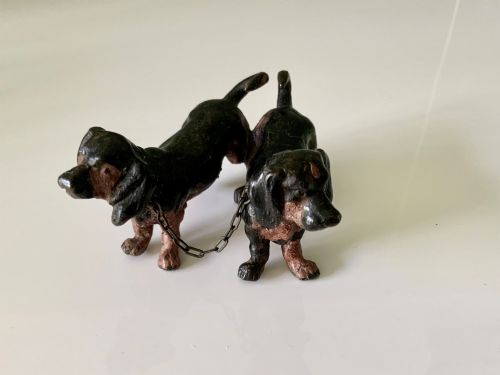
- Cold-painted
- A technique where metal objects, such as bronze or cast metal, are painted without high-temperature firing. The fragile pigment relies entirely on the prepared metal surface for adhesion.
- Bone china
- A type of porcelain incorporating animal bone ash, resulting in a strong, milky-white body that accepts fine polychrome painting and gilding exceptionally well.
- Cabinet plate
- A decorative ceramic plate intended for display in a cabinet rather than for dining. These often feature hand-painted landscapes, fruit studies or portraits by notable artists.
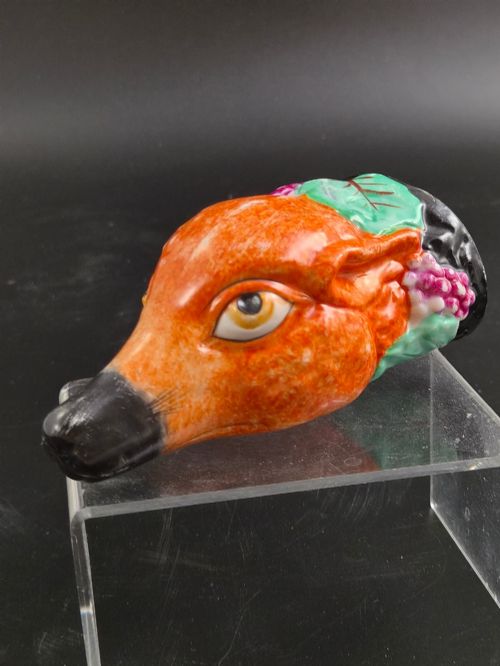
- Stirrup cup
- A ceremonial drinking vessel shaped like an animal head, traditionally handed to riders before a hunt. They are frequently modelled in porcelain or pottery and hand-painted.
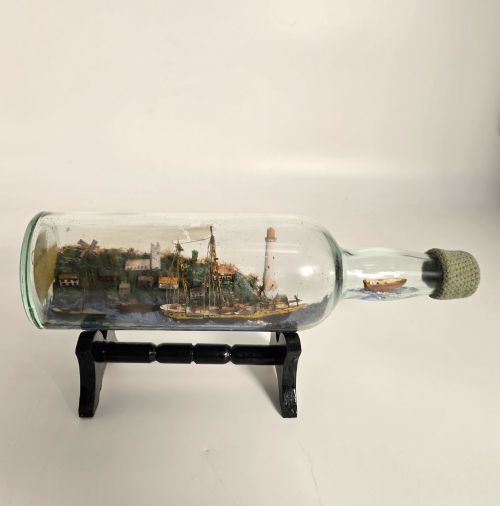
- Diorama
- A three-dimensional scene enclosed in a case, often depicting maritime subjects like ships. Folk art examples frequently combine carved wood, painted backdrops and textiles.
Collectable Painting: Frequently Asked Questions
What periods do these pieces cover?
The selection spans from the mid-eighteenth century through the Georgian and Victorian eras, continuing into twentieth-century movements including Art Deco and the interwar period. Earlier items often feature hand-painted porcelain and pottery, while later pieces include studio ceramics and mechanical models.
Datings are determined through stylistic markers, factory marks, and recorded production periods. Each era brings distinct colour palettes and manufacturing techniques to the decorative arts.
Are wooden decoys meant for display?
While originally created for functional use in shooting and hunting, wooden decoy ducks and pigeons are now primarily collected as folk art and decorative objects. Their weathered painted surfaces and hand-carved forms suit interior display.
Keep them away from direct sunlight and excessive humidity to preserve the original wooden structure and pigments. Stable room temperatures prevent the wood from splitting or warping over time.
How can I identify a maker's mark?
Maker's marks are typically stamped, impressed or hand-painted on the base of porcelain figurines, plates and cups. Reference books and factory archives help match these ciphers, initials and symbols to specific potteries and decorators.
Some pieces also include handwritten pattern numbers or artist signatures near the base. Examining these markings helps confirm the period and origin of the object.