


Cold Painted Metal Statues
Cold painted metal statues bring vivid colour and character to a room, capturing human and animal forms with striking detail.
Cold Painted Metal Statues
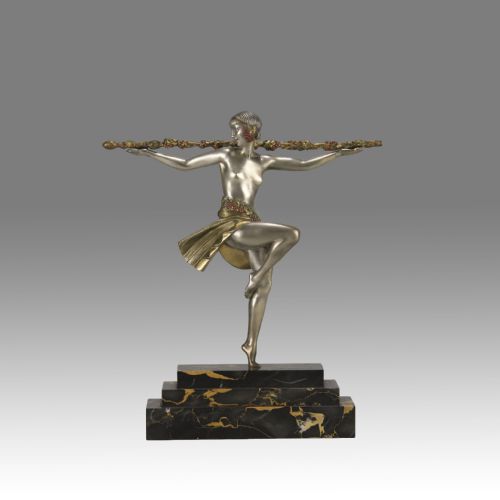
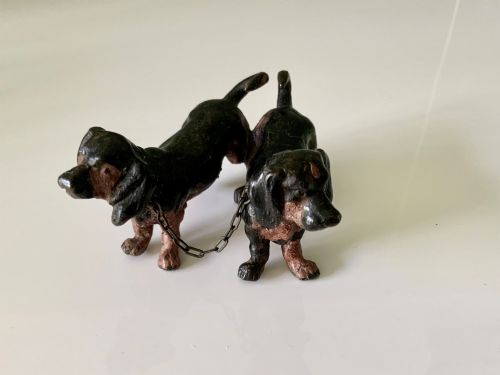
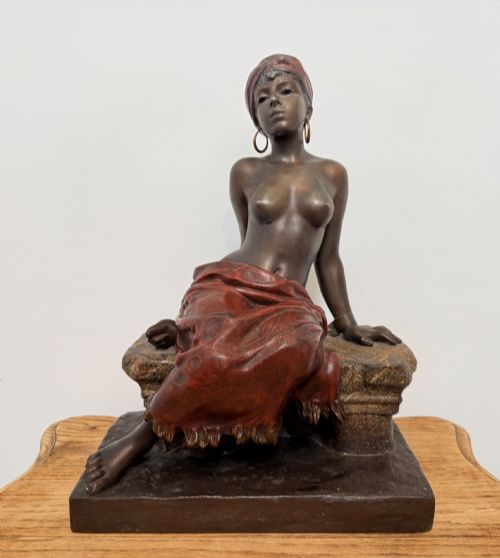
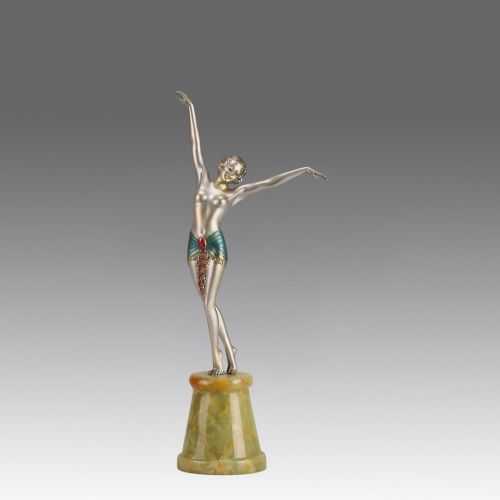
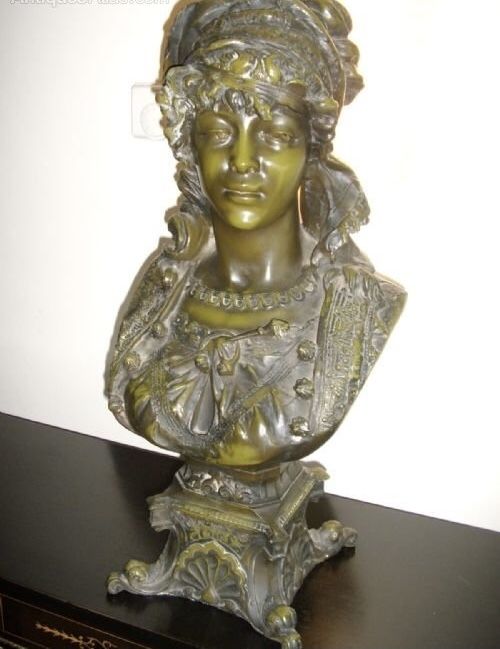
When you search for cold painted metal statues, you encounter a diverse array of sculptures, animal figurines, and decorative figures spanning the nineteenth century up to the nineteen thirties. These works range from miniature frogs and dogs to large human figures and desk tidies, often reflecting Art Deco, Art Nouveau, and Orientalist styles.
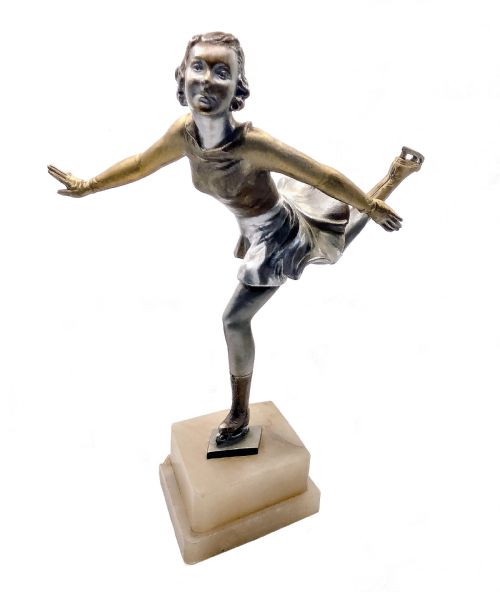
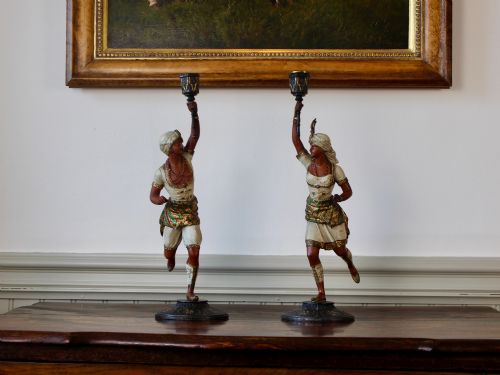
The version you are most likely to meet on this page is the Austrian or Vienna bronze animal figure, alongside French Art Deco dancer figures executed in spelter or bronze. Many of these pieces integrate stone bases such as onyx or marble, or serve practical functions like candlesticks.
Origins stretch across Austria, France, Russia, and America, showing how widely makers adopted the technique for both mantel ornaments and desk accessories.
How they were made
The primary metals recorded in these pieces are bronze and spelter, sometimes paired with enamel or cold paint applied to the surface. Spelter offers a lighter, more malleable alternative to bronze for many figures.
Cold painting involves applying oil-based paint to the metal without subsequent firing, which preserves intricate detailing on garments, feathers, and animal coats.
Mounts frequently utilise natural stone elements, with onyx and marble providing heavy, stable plinths for the metal sculptures.
A nodding dog hides a weighted head mechanism that gently bobs when touched.
What varies in quality
Quality rests significantly on the preservation of the original cold paint surface and the crispness of the metal casting. Pieces that retain their full polychrome scheme without extensive overpainting demonstrate higher integrity.
The artistry of the modeller dictates the sophistication of the piece, distinguishing mass-market decorative items from finely rendered works by known studios and sculptors.
The choice of base materials also distinguishes the range, where dense marble and onyx mounts elevate the presence of the sculpture compared to simpler standalone metal casts.
Pierre le Faguays·Josef Lorenzl·Henry Wissen Senior·Fabergé·Franz Bergman·Jennings Brothers·Geo Maxim·Louis Hottoot
The Cold Painted Metal Statues Glossary
- Cold paint
- A non-fired oil-based paint applied directly to metal surfaces. This technique allows for delicate polychrome details that require careful handling to prevent flaking.
- Spelter
- A zinc-based alloy commonly utilised as a cost-effective substitute for bronze. It often receives patination or paint to simulate heavier metal.
- Vienna bronze
- Small-scale Austrian metal sculptures produced around nineteen hundred. They are celebrated for naturalistic depictions of animals and human figures.
- Orientalist
- A style inspired by Middle Eastern and North African subjects. It frequently manifests in figures of merchants, Arabs, and tent scenes.
- Desk tidy
- A functional desk accessory incorporating sculptural elements. These items often hold pens, stamps, or small stationery items.
Cold Painted Metal Statues: Frequently Asked Questions
What is the difference between bronze and spelter?
Bronze is a durable alloy of copper and tin that takes fine detail and patination exceptionally well. Spelter is a softer zinc alloy that is lighter and was often used for more accessible decorative figures.
Spelter pieces typically feel lighter in the hand and may show a greyish metal underneath worn areas of paint.
Where were most of these statues made?
A significant portion of these pieces originated in Vienna, Austria, particularly the animal bronzes and Orientalist figures. France was another major production centre, especially for Art Deco human figures.
Other examples stem from Russian, American, and broader continental workshops.
How do I identify Art Deco pieces?
Art Deco statues usually date from the nineteen twenties and nineteen thirties, featuring streamlined forms, geometric bases, and dancers or athletes in motion. The materials often include spelter mounted on marble or onyx.
Stylised clothing and sleek postures distinguish these figures from earlier Victorian designs.