


Pair of Spelter Figures
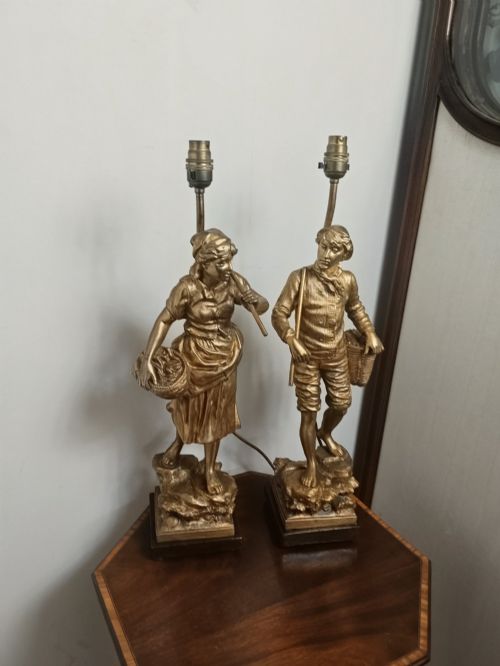
A pair of spelter figures brings balanced sculptural presence to a mantel or console, offering decorative symmetry forged in zinc alloy.
Pair of Spelter Figures
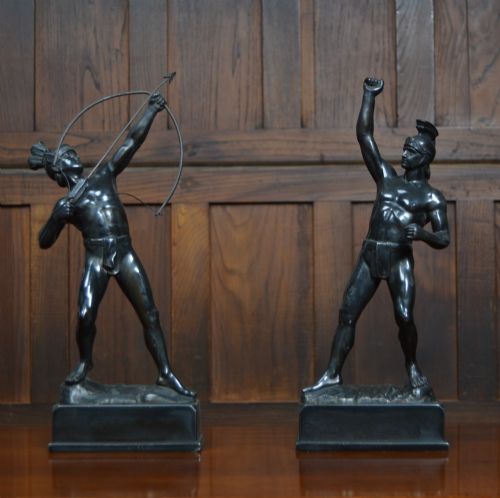
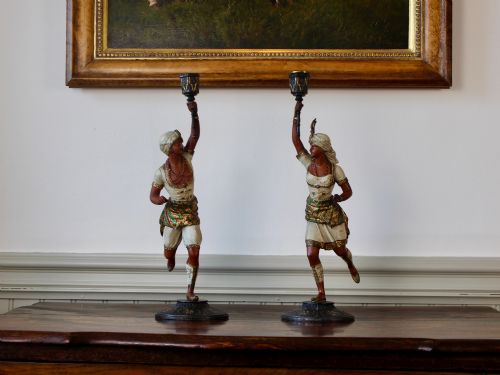
A pair of spelter figures consists of matched sculptural ornaments cast in a zinc-based alloy, frequently representing historical characters, warriors, dancers, or allegorical subjects. These ornamental duos appear across various periods from the nineteenth century into the twentieth century, reflecting shifting tastes from classical revival to Art Deco and Art Nouveau.
Most examples originate from French workshops or continental makers, often taking the form of freestanding statues, candlesticks, table lamps, or clock garnitures. The subjects range from medieval knights and Roman soldiers to harvesters, cavaliers, and mythological figures.
Buyers seeking this phrase encounter objects designed specifically to sit symmetrically on either side of a clock, mirror, or fireplace opening. The forms rely on matching poses, mirroring each other to create visual equilibrium within a room.
How they were made
Spelter, essentially a zinc alloy, is softer and more brittle than bronze, allowing manufacturers to cast intricate detail relatively economically. Workshops poured the molten metal into moulds, sometimes incorporating wood or brass components to provide structural support or mounting plinths.
Surface finishes applied to the metal defined the final appearance, utilising cold painting, gilding, or bronze patination to simulate heavier and more expensive materials. These coatings mimic genuine bronze or polychrome sculpture, though the underlying metal remains lighter and softer.
Listings feature diverse historical and literary subjects, including Roman soldiers, medieval knights, musicians, dancers, and allegorical representations of seasons.
What varies in quality
The integrity and preservation of the original surface finish dictate the visual strength of the piece, with cold painting, gilding, or bronze patination showing varying degrees of wear and later retouching. Well-preserved surfaces retain their intended tonal depth and character without heavy flaking or clumsy overpainting.
E Rousseau·Auguste Moreau·Sylvain Kinsburger·Miroy Freres
The Pair of Spelter Figures Glossary
- Spelter
- A zinc alloy commonly used in nineteenth-century decorative metalwork as an economical alternative to bronze. It accepts patination and paint readily.
- Garniture
- A set of ornamental objects designed to be displayed together, typically comprising a central clock flanked by a matching pair of vases or figures.
- Cold painted
- A technique where enamel paint is applied to metal objects after casting without subsequent firing. This finish is susceptible to chipping if handled roughly.
- Patination
- The surface coloration and texture developed naturally over time or applied artificially during manufacture. It gives the metal an aged or bronzed appearance.
- Neoclassical
- A revival style drawing inspiration from classical antiquity, often depicting figures in ancient robes, armour, or classical poses.
- Plinth
- A heavy base or pedestal supporting a statue or figure, frequently constructed from wood or fitted with metal mounts.
Pair of Spelter Figures: Frequently Asked Questions
How do I clean spelter figures?
Dust these decorative objects gently with a soft, dry brush to protect the delicate surface coatings. Avoid using water, liquid cleaners, or abrasive cloths that can strip away cold paint or patination.
Because the zinc alloy is relatively soft and reactive, harsh cleaning methods permanently damage the finish. Regular, gentle maintenance preserves the surface integrity and original coloration of the metal.
Were these always sold in pairs?
Many decorative figures were manufactured specifically as balanced pairs to flank mantel clocks, mirrors, or architectural centrepieces. This symmetry satisfied nineteenth-century interior design conventions for balanced room decoration.
Individual figures occasionally became separated over time through damage or relocation. Finding a complete matched pair remains desirable for collectors seeking the original decorative arrangement.
How can I tell spelter from bronze?
Spelter is significantly lighter than bronze and feels softer to the touch, often showing a finer grain where the metal is exposed. A gentle tap produces a duller sound compared to the resonant ring of genuine bronze.
Examining the underside or an unobtrusive area usually reveals the lighter, greyish metal beneath the surface patination. Bronze develops a deep, stable oxidation over time, whereas zinc alloy tends to flake or show bright grey metal where chipped.
What is a clock garniture?
A clock garniture is a matched decorative set featuring a mantel clock placed centrally between two matching side pieces, such as urns or figures. These matched sets created a unified decorative scheme for nineteenth-century mantelpieces.
The side figures echo the style, material, and theme of the central clock. Together they formed a complete visual composition designed to furnish a principal reception room.