



Cold Painted Spelter Sculpture
Cold painted spelter sculpture brings vibrant colour and character into a room, offering striking figures and decorative objects from past decades.
Cold Painted Spelter Sculpture
Cold painted spelter sculpture encompasses figures, statuettes, and figural groups created from zinc alloy and finished with oil-based or tempera paint applied without heat. These decorative works span periods from the Victorian era through the Edwardian years and into the 1930s.
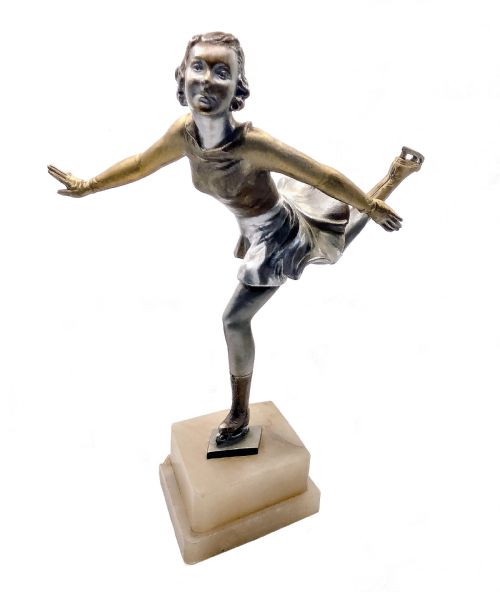
A buyer examining this selection encounters numerous examples from the Art Deco period, including dancers, ice skaters, and female figures designed by notable artists such as Josef Lorenzl and Geo Maxim. Many of these Art Deco pieces stand mounted upon marble or onyx bases.
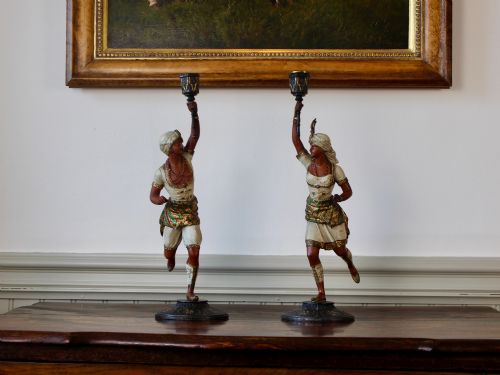
Alongside figures, the selection includes functional items such as figural candlesticks and curious subjects like nodding dogs. Originating largely from continental makers and French workshops, these sculptures reflect Orientalist themes alongside modernist styles.
Materials and construction
The primary material is spelter, a zinc alloy utilised as a less costly alternative to bronze for casting intricate figures and decorative objects. This metal accepts surface detail readily during the casting process.
Applied pigment provides the characteristic cold-painted finish, meaning the paint dries naturally rather than being fired in a kiln. Finished sculptures are frequently mounted onto heavy stone plinths made of marble or onyx to provide stability.
Cold Painted Spelter Sculpture Retail Price Guide 2026
Typical asking prices for cold painted spelter sculpture among the pieces listed under this phrase on Sellingantiques today, from the lower quarter to the upper quarter. They describe what is for sale here now, not the wider market.
Among the formal dancers and elegant figures sits an unexpected nodding dog, proving that antique metalworkers possessed a distinct sense of humour.
Quality and execution
Quality rests in the crispness of the initial casting and the finesse of the hand-applied cold paint. Finer pieces retain their original surface pigment with minimal loss, showing precise detail in facial expressions and drapery.
The choice of base material also marks distinction, with solid marble and onyx plinths elevating the presence of figures from the 1930s and earlier periods.
Josef Lorenzl·Geo Maxim
The Cold Painted Spelter Sculpture Glossary
- Spelter
- A zinc alloy used as a base metal for decorative sculptures and figures. It is softer and lighter than bronze.
- Cold paint
- Paint applied to a metal surface and allowed to dry naturally without kiln-firing. This finish is characteristic of many antique decorative figures.
- Art Deco
- A design style spanning the 1920s and 1930s characterised by streamlined forms and geometric clarity. Figures from this period often depict dancers and female forms.
- Orientalist
- An artistic style drawing inspiration from Middle Eastern and Asian cultures. Victorian examples in this selection reflect these specific aesthetic influences.
Cold Painted Spelter Sculpture: Frequently Asked Questions
What is cold painted spelter?
Cold painted spelter refers to objects cast from a zinc alloy and decorated with paint applied without heat. This technique was widely utilised for decorative figures and candlesticks during the nineteenth and twentieth centuries.
Unlike traditional bronze works with hot-applied patination, these pieces rely on surface pigments that require gentle care to preserve their original tones.
How do I identify an Art Deco piece?
Art Deco pieces typically date from the 1930s and display characteristic styling such as stylised figures of dancers, ice skaters, or female forms. They frequently incorporate sleek lines and modern aesthetics of the period.
Many of these figures are mounted directly onto contrasting marble or onyx bases, adding weight and presence to the sculpture.
Are these sculptures French?
Many examples originate from French workshops or continental makers, particularly those produced during the Art Deco era. French makers were renowned for dynamic figural groups and decorative items.
Items span various continental origins, including Orientalist pieces and figural candlesticks from the early twentieth century.
How should I display my sculpture?
These sculptures suit placement on mantelpieces, sideboards, or dedicated display tables where their painted surfaces and forms remain visible. Keeping them away from direct sunlight protects the delicate cold-painted finish.
Many figures arrive attached to stone bases like onyx or marble, providing a stable foundation for display.