


Black Painted Bronze Sculptures
These black painted bronze sculptures bring striking twentieth-century figures and animals into your home.
Black Painted Bronze Sculptures
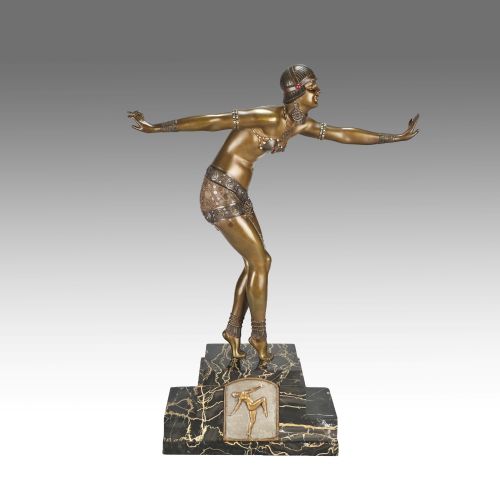
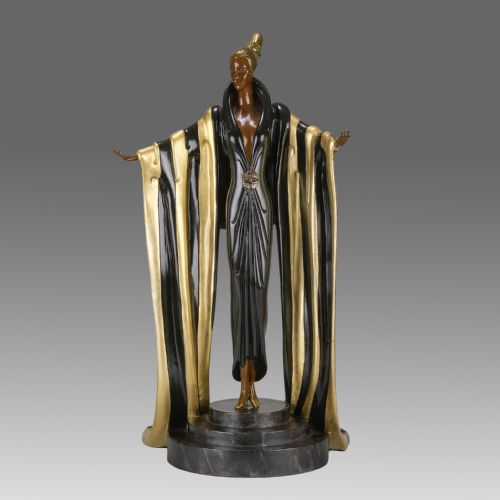
When you search for black painted bronze sculptures, you are looking at early twentieth-century decorative figures, animal figurines, and sculptural studies cast in bronze and finished with pigmented cold paint or enamel. These works span the Art Deco, Art Nouveau, and Vienna Bronze styles, capturing human dancers and naturalistic subjects with sharp definition.
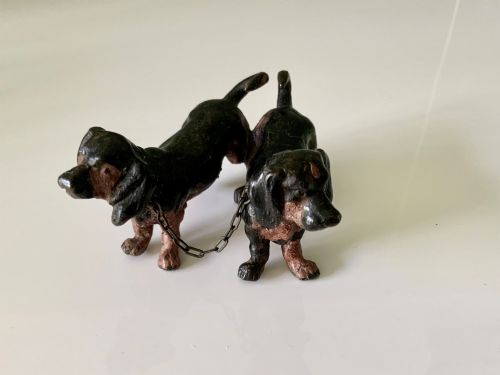
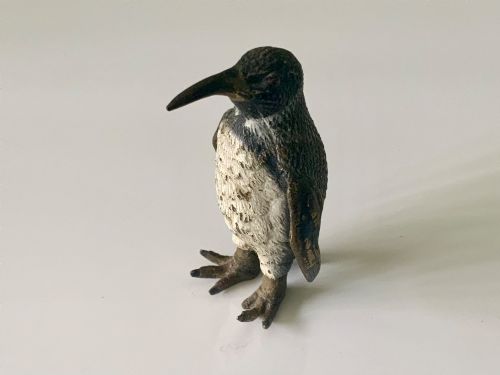
You are most likely to meet pieces produced between nineteen hundred and nineteen thirty, including animal models such as dachshunds, penguins, magpies, and blackbirds, alongside dynamic human figures. The materials combine bronze and marble bases with hand-applied surface paint, reflecting the refined output of European workshops during this period.
How they were made
These sculptures begin as metal casts formed in bronze, occasionally supplemented by gilt bronze or base metal, and set upon solid marble bases. The foundational metalwork provides the substantial weight and durable structure required for intricate figurative casting.
Surfaces are finished using cold-painted techniques, where oil or enamel paint is applied directly to the unheated or lightly warmed bronze surface without kiln-firing. This painstaking hand-brushing creates the characteristic dark pigmentation and polychrome details seen on dancers, birds, and canine figurines.
A stoic St. Petersburg policeman stands ready alongside cheeky dachshunds and haughty magpies in cold-painted metal.
What varies in quality
Quality rests in the crispness of the original metal casting and the fidelity of the hand-applied cold paint. Finer examples retain sharp facial expressions, delicate costume folds, and precise feather or fur texturing without softening from worn production moulds.
The preservation of the original surface finish largely determines the standing of a piece. Well-preserved cold-painted coloration and intact enamel work separate superior items from those with heavy surface loss or later overpainting.
Pierre le Faguays·Ferdinand Preiss·Demetre Chiparus·Franz Bergman·Fabergé·Erté
The Black Painted Bronze Sculptures Glossary
- Cold-Painted Bronze
- A bronze sculpture decorated with paint applied without high-temperature firing. This method allowed makers to achieve vibrant, nuanced colour palettes on metal surfaces.
- Vienna Bronze
- Small-scale bronze figures produced in Austrian workshops during the late nineteenth and early twentieth centuries. These works are celebrated for their humorous, realistic, or exotic subjects.
- Art Deco
- A design style dominant in the nineteen twenties and thirties characterised by sleek lines, stylised symmetry, and modern geometric forms. Sculptures from this period frequently depict athletic human dancers and stylised animals.
- Gilt Bronze
- Bronze that has been coated with a thin layer of gold or gold-coloured alloy. This treatment adds a luminous highlight to contrast with dark painted or patinated areas.
Black Painted Bronze Sculptures: Frequently Asked Questions
What are cold painted bronzes?
Cold painted bronzes are metal sculptures decorated with paint applied directly to the surface without kiln-firing. This technique was widely utilised by European foundries in the early twentieth century to create colourful animal and human figures.
The paint sits on the metal rather than fusing with it, meaning surviving examples often show delicate patination that requires careful handling to preserve the original finish.
How do I date these sculptures?
Dating relies on stylistic markers from movements such as Art Deco and Art Nouveau, alongside foundry marks and artist signatures cast into the metal. Most pieces encountered date from the early decades of the twentieth century.
Examining the base materials, such as the type of marble used for the plinth and the composition of the underlying bronze, helps confirm the period of manufacture.
Where should I display them?
These sculptures suit stable, flat surfaces away from direct sunlight and high humidity, which can damage the delicate cold-painted finishes. Placing them on a desk, mantelpiece, or dedicated cabinet allows the fine details to be appreciated closely.
Because many pieces include marble bases, ensure the supporting furniture is level and capable of bearing the combined weight of the metal and stone.
Are these figures solid bronze?
Most pieces are cast in solid bronze or substantial metal alloys, frequently mounted onto contrasting marble or gilt-metal bases. The casting process captures intricate textures like feathers, fur, and clothing folds.
Inspecting the underside or the junction between the figure and its base often reveals the construction methods and the quality of the foundry work.