




Cobalt Red Oriental Bowl
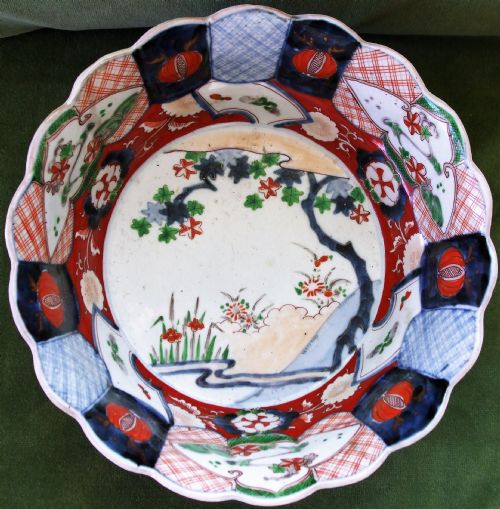
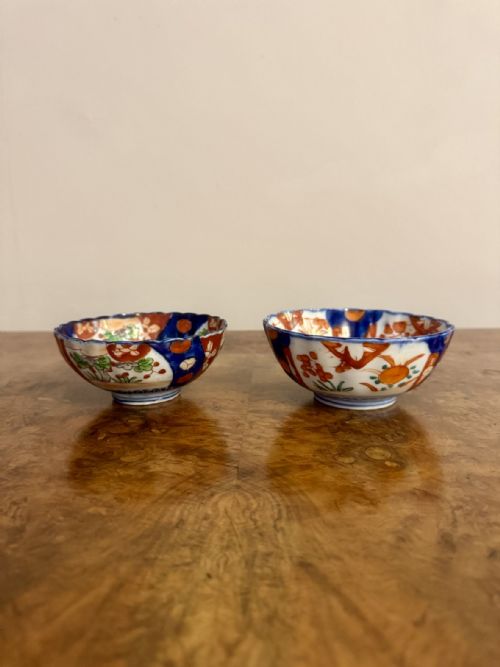
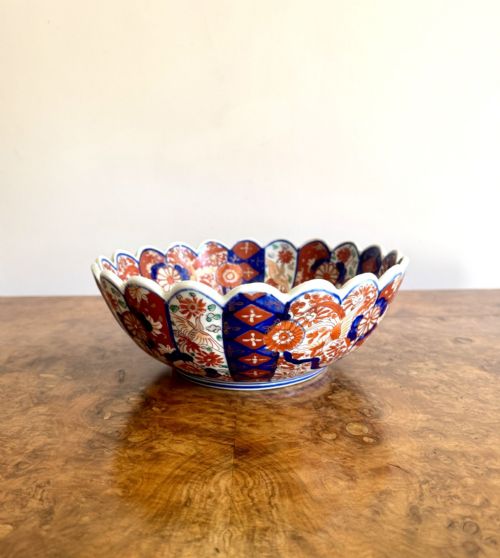
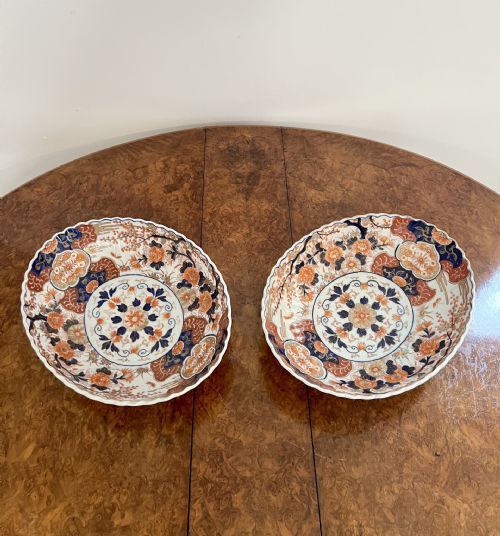
A cobalt red oriental bowl brings striking palette and form to a room, offering the distinct character of Japanese Imari work.
Cobalt Red Oriental Bowl
When searching for a cobalt red oriental bowl, buyers encounter decorative dishes and bowls originating from Japanese export traditions. The selection spans the 18th century, the 19th century, the Meiji period, and the Edwardian era.
Scalloped edges, hexagonal forms, and boat-shaped dishes recur throughout the listings. These objects function primarily as decorative display items or large jardiniere vessels.
The dominant style represented is Japanese Imari, bringing traditional colour combinations and surface patterns to porcelain and ceramic bodies.
How they were made
Potters shaped porcelain and ceramic bodies into bowls, plates, and jardiniere forms before applying cobalt blue glaze and enamel decoration. Gold leaf and gilding were frequently added to highlight specific design elements on the surface.
Firing techniques allowed cobalt blue and enamel pigments to fuse with the ceramic glaze under intense heat. Artisans then refined the edges, shaping porcelain into scalloped rims or geometric hexagonal profiles.
Listings feature porcelain and ceramic pieces utilising cobalt blue glaze, enamel, and gold leaf across the 18th, 19th, and Edwardian periods.
What varies in quality
Quality depends on the precision of the enamel work and the crispness of the cobalt blue glaze against the ceramic body. Pieces demonstrate differing levels of detail in hand-applied gilding and gold leaf accents.
Form complexity separates standard items from exceptional examples, with scalloped edges, boat-shaped dishes, and large jardiniere vessels requiring greater skill in shaping the porcelain.
The Cobalt Red Oriental Bowl Glossary
- Imari
- A traditional style of Japanese porcelain featuring distinctive cobalt blue, iron red, and gilt decoration. Originating from the port of Imari, these wares gained immense popularity in European export markets.
- Meiji Period
- The era in Japanese history spanning from 1868 to 1912, characterised by opening trade with the West and high production standards in decorative arts. Pieces from this period often display intricate surface patterns.
- Scallop Edge
- A decorative rim shaped into a series of interconnected curves resembling the edge of a scallop shell. This technique is frequently found on antique plates and display dishes.
Cobalt Red Oriental Bowl: Frequently Asked Questions
What is an Imari bowl?
An Imari bowl is a piece of Japanese porcelain decorated in a distinct palette that typically includes cobalt blue, iron red, and gold. These items were produced for both domestic use and export to Western markets.
They function primarily as decorative display dishes, showcasing traditional motifs and forms shaped with scalloped or geometric edges.
Can I use them for food?
These antique bowls are primarily intended for decorative display rather than daily dining use. Their age, delicate enamel work, and gold leaf detailing require careful handling.
Displaying them on tables or in cabinets preserves the integrity of the cobalt blue glaze and painted surfaces.
What shapes are available?
The inventory includes traditional round bowls, shallow dishes, and large jardiniere vessels. Makers also produced hexagonal forms and boat-shaped dishes.
Many examples feature scalloped edges that add texture and visual interest to the profile of the porcelain.