



Imari Porcelain Punch Bowl
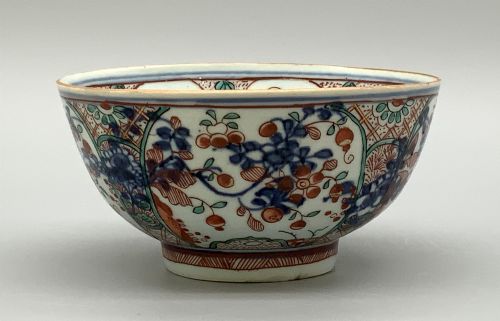
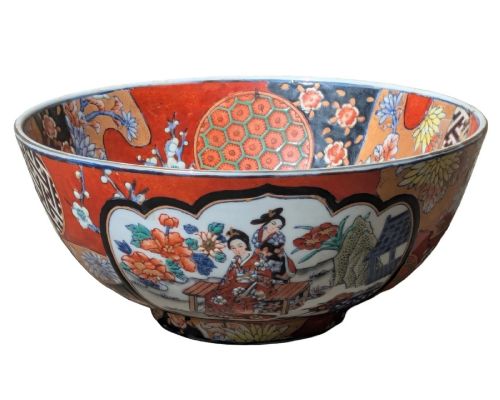
An imari porcelain punch bowl brings rich cobalt blue and vibrant enamel decoration to the table, offering a striking centrepiece for any room.
Imari Porcelain Punch Bowl
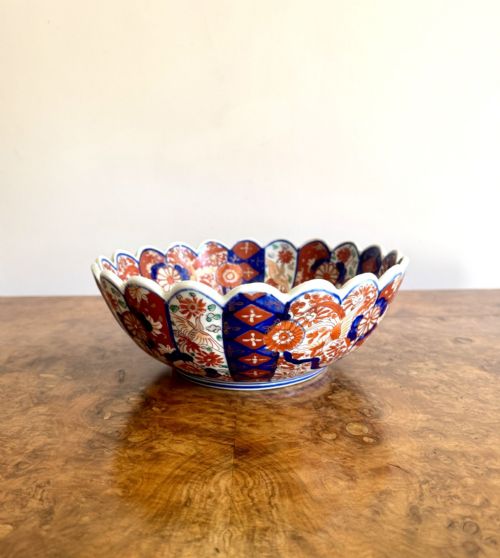
When you search for an imari porcelain punch bowl, you are looking at large ceramic vessels created for serving or display, predominantly originating from Japanese production during the Edo and Meiji periods alongside Chinese Kangxi examples. These pieces often feature scallop shaped edges and characteristic panelled designs that draw the eye.
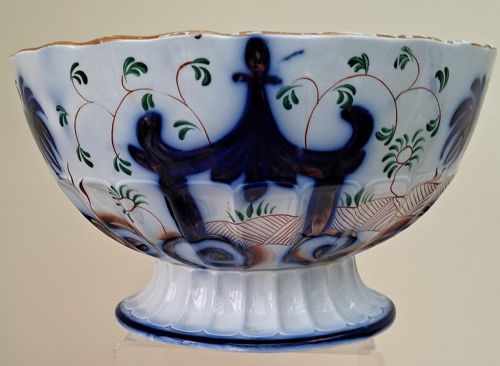
The versions you are most likely to meet on this page date from the 18th century through to the early 20th century, including Victorian interpretations and English adaptations such as Gaudy Welsh and Mason's ironstone. They function effectively as decorative centrepieces or serving vessels, carrying centuries of ceramic tradition.
Beyond traditional East Asian exports, the selection includes British interpretations utilising the distinct palette, such as Chamberlain Worcester and Spode pieces decorated in specific Imari patterns. Each variation demonstrates how western kilns adapted the vibrant aesthetic for domestic dining.
How they were made
The manufacture of these bowls relies on high-fired porcelain and ceramic glaze, providing a durable white body capable of holding liquids or standing as a decorative object. Artisans applied cobalt blue underglaze before fixing additional enamel colours and gold leaf over the glaze.
Firing techniques allowed kilns to achieve the characteristic deep blue and contrasting iron red hues that define the palette. Some British makers substituted earthenware or ironstone bodies while retaining the signature decorative scheme.
Materials represented include porcelain, earthenware, cobalt blue, gold leaf, and mahogany stands.
What varies in quality
The distinction between standard domestic wares and superior examples rests upon the crispness of the hand-painted brushwork and the complexity of the compartmented designs. Finer bowls display precise control over the enamel and gold leaf application.
Scale and form also dictate distinction, with large scallop edged pieces and those retaining original stands representing more ambitious production standards. The depth of the cobalt blue underglaze contributes significantly to the visual weight of the piece.
The Imari Porcelain Punch Bowl Glossary
- Imari
- A style of ceramic decoration originating in Japan, characterised by a palette of cobalt blue, iron red, and gold. This aesthetic heavily influenced both Chinese export wares and later European factories.
- Underglaze
- Pigment applied to the ceramic body before the application of a glass glaze and subsequent firing. Cobalt blue is the most common underglaze colour found on these bowls.
- Enamel
- Opaque glass paints applied over the fired glaze to add secondary colours such as iron red and green. These require a lower temperature secondary firing to fix them permanently.
- Ironstone
- A type of durable earthenware developed in Britain as a tougher alternative to porcelain. It often carried Imari patterns during the 19th century.
- Scallop edge
- A decorative rim shaped into a series of interconnected curves resembling a scallop shell. This form appears frequently on Japanese export bowls.
Imari Porcelain Punch Bowl: Frequently Asked Questions
What is an imari porcelain punch bowl?
It is a large ceramic vessel decorated in the traditional Japanese palette of cobalt blue, red, and gold. These pieces were made for serving or display.
Many examples hail from the Edo and Meiji periods, whilst others represent European interpretations from English factories like Spode and Chamberlain Worcester.
How do I date an imari bowl?
Dating relies on examining the ceramic body, the style of the hand-painted decoration, and the kiln marks if present. 17th and 18th-century pieces often show distinct potting characteristics.
Later Victorian and Edwardian examples reflect the widespread European demand for Japanese export aesthetics during the 19th century.
Can I use these bowls for serving?
While originally designed as functional serving vessels for punch, antique bowls require careful handling today. Many collectors prefer to use them strictly for display.
If you choose to use one, hand washing with mild soap is essential to protect the delicate overglaze enamels and gold leaf.
Where were these bowls made?
The primary source is Japan, particularly during the Edo and Meiji periods, alongside Chinese export wares from the Kangxi era. These formed the bedrock of the style.
European potteries in England also produced significant quantities using the distinctive palette on ironstone and porcelain bodies.