
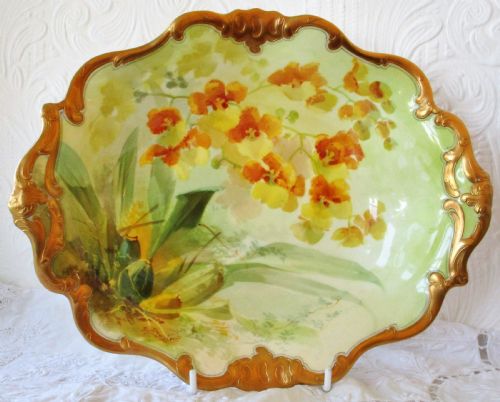
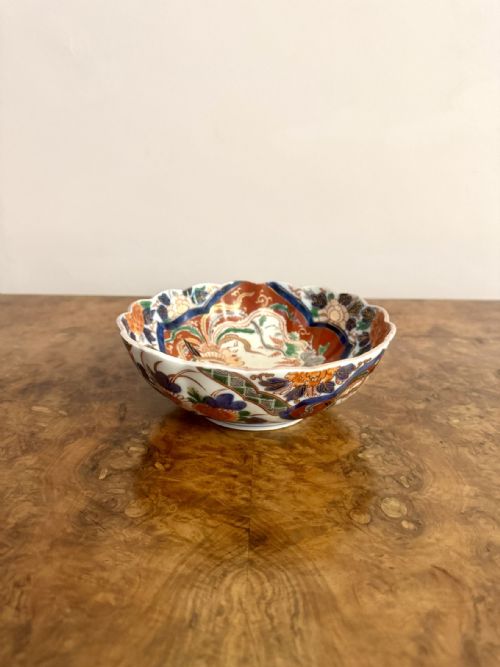
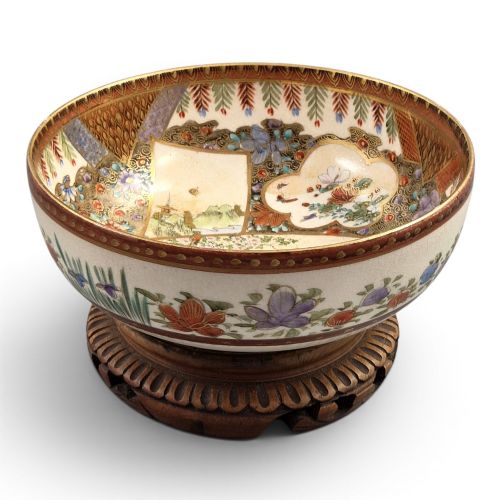


Floral Porcelain Fruit Bowl
These floral porcelain fruit bowl examples bring hand-painted blooms and rich gilding to the dining table, offering both decorative presence and historic charm.
Floral Porcelain Fruit Bowl
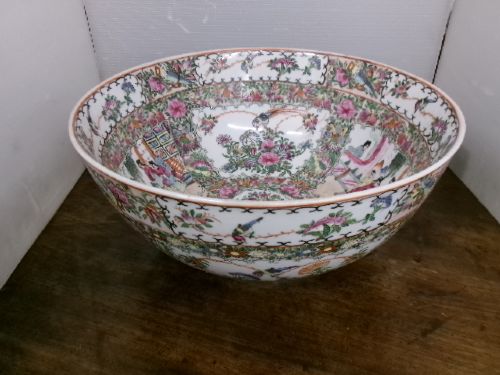
A floral porcelain fruit bowl serves as a table centrepiece or decorative dish designed to hold fruit or display intricate ceramic artistry. These pieces span centuries of production, encompassing deep punch bowls, shallow dishes, scalloped fruit bowls, and elaborate figural centrepieces adorned with applied roses and putti.
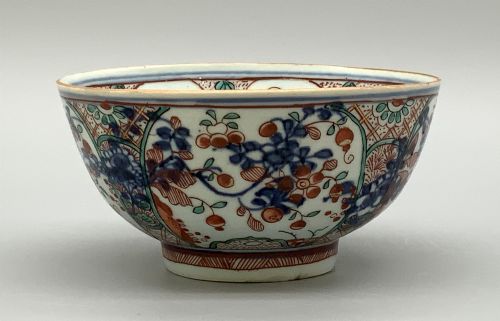
The selection ranges from eighteenth-century Chinese export wares and English Worcester porcelain to nineteenth-century Japanese Imari patterns and continental European works. Buyers encounter both domestic English ironstone vessels and grand German centrepieces featuring pierced galleries or cherub mounts.
Materials and construction
Potters shaped these vessels from ceramic, ironstone, and hard-paste porcelain, often applying a clear glaze before firing at high temperatures. Decoration relied on hand-painted enamel colours, polychrome pigments, and underglaze blue, frequently accented with gold leaf, gilt, and intricate gilding.
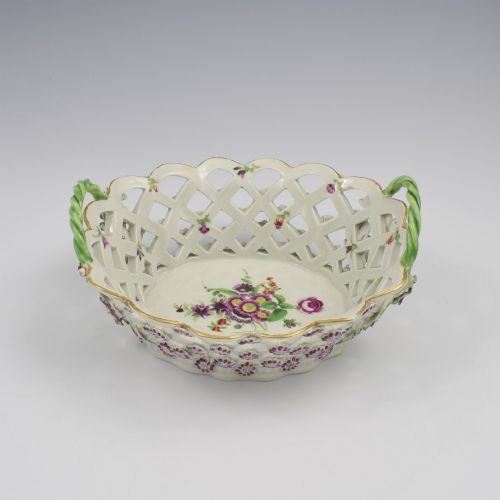
Many elaborate continental and English vessels incorporated applied three-dimensional porcelain flowers, moulded putti, and pierced or fluted galleries. Certain forms also integrated gilt bronze mounts or raised scalloped edges to enhance the structural silhouette.
Listings feature porcelain, enamel, gold leaf, and ironstone across periods from the eighteenth century through the Edwardian era.
Assessing quality and execution
The weight, clarity of the porcelain body, and preservation of the gilding further separate standard production pieces from exceptional exhibition works. Intricate openwork galleries and well-balanced forms indicate higher craftsmanship during the manufacturing process.
Royal Doulton·Royal Worcester·Schierholz·Royal Crown Derby·Mason
The Floral Porcelain Fruit Bowl Glossary
- Comport
- A raised dish or bowl on a foot, traditionally used for serving fruit or dessert. These elevated vessels sit centrally on dining tables.
- Imari
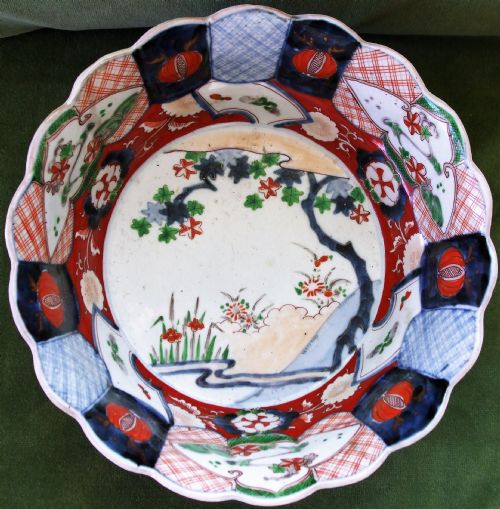
- A style of Japanese export porcelain decorated in underglaze blue, iron red, and gold. This palette was widely emulated across European kilns.
- Putti
- Representations of small winged infants or cherubs, frequently sculpted in porcelain and applied to the sides of nineteenth-century centrepieces. They often appear alongside floral garlands.
- Ironstone
- A heavy, durable type of ceramic patented in the nineteenth century to imitate porcelain. It provides a robust body for domestic and decorative tableware.
- Gilding
- The application of gold leaf or powdered gold to the surface of porcelain. It highlights rims, handles, and painted motifs.
Floral Porcelain Fruit Bowl: Frequently Asked Questions
How do I use a floral porcelain fruit bowl?
These bowls function effectively as table centrepieces for displaying fruit or as standalone decorative objects on sideboards.
Due to delicate hand-painted enamels and gilt highlights, users should wash them by hand rather than placing them in a dishwasher.
What periods do these bowls come from?
The available pieces span the eighteenth, nineteenth, and early twentieth centuries, including Victorian and Edwardian examples.
Earlier items often feature Chinese export or English soft-paste porcelain, while later Victorian and Edwardian periods favour continental figural designs.
How do I distinguish Japanese Imari from European porcelain?
Japanese Imari typically displays a distinct palette of iron red, underglaze blue, and gold on a dense porcelain body.
European factories frequently copied these Japanese motifs onto their own domestic porcelain and ironstone bodies during the nineteenth century.
Are these bowls suitable for everyday dining?
While historic ironstone and sturdy porcelain bowls were built for functional use, antique pieces with extensive gilding require careful handling.
Many collectors prefer to exhibit them as cabinet pieces or decorative centrepieces to protect the delicate painted surfaces.