



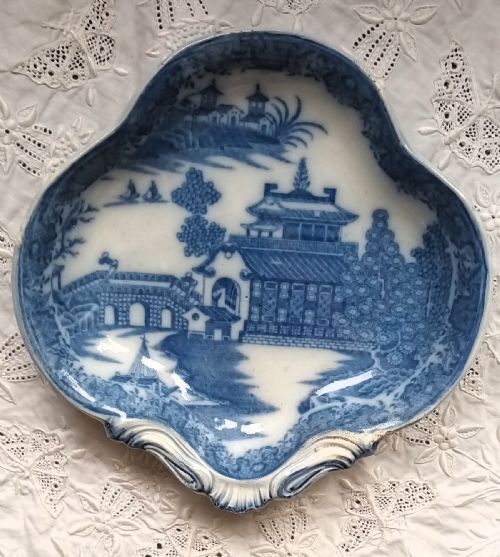

Cobalt Pottery Serving Dish
These cobalt pottery serving dish pieces bring deep blue pigments and historic maritime or pastoral scenes directly to the table.
Cobalt Pottery Serving Dish
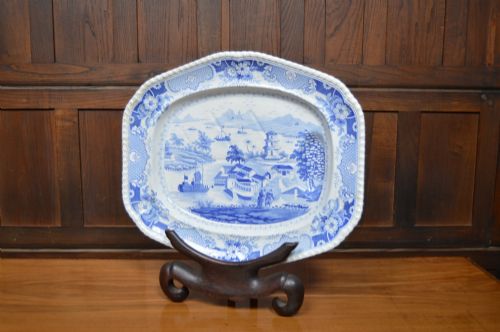
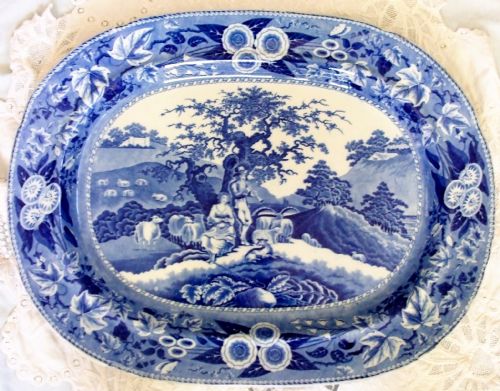
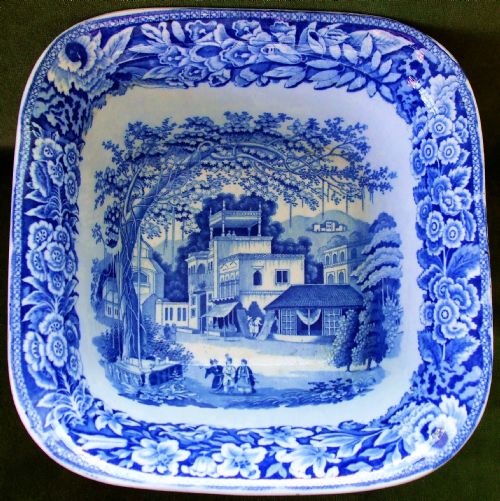
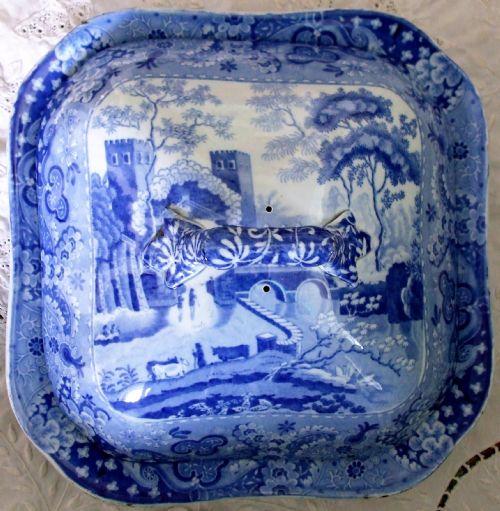
A cobalt pottery serving dish brings together domestic utility and rich blue decoration, spanning periods from the eighteenth century through the Victorian era. When searching for a cobalt pottery serving dish, collectors encounter platters, meat plates, vegetable tureens, and chargers adorned in transfer print or hand-painted schemes.
The selections on this page draw heavily from Georgian and nineteenth-century English potteries, alongside Dutch Delftware traditions and French faience. Transferware patterns depicting pastoral scenes, classical ruins, and exotic landscapes dominate the available forms.
Materials and construction
Potters built these vessels using earthenware, ironstone, pearlware, and tin-glazed bodies shaped by hand or mould. Cobalt pigment provided the stable blue colour that could withstand high kiln temperatures without losing definition.
Makers applied intricate designs either through hand-painting or copper-plate transfer printing before applying a transparent glaze and firing the piece. This protected the pigment beneath a smooth, glossy surface suitable for culinary use.
Listings span Georgian, Victorian, and Regency periods, utilising earthenware, pearlware, and ironstone bodies decorated with cobalt pigment.
Judging quality
Quality rests upon the crispness of the cobalt transfer print and the clarity of the underlying white ceramic body. Smudged lines or pooled glaze indicate hurried production, whereas sharp architectural details and rich tonal depth mark superior execution.
The complexity of the moulded form also elevates a piece, such as pierced rims on serving platters or sculptural handles on vegetable tureens and cheese dishes.
J. & R. Riley·J. & R. Clews·Thomas Lakin·Don Pottery·John Rogers & Son·Masons
The Cobalt Pottery Serving Dish Glossary
- Transferware
- A method of decorating ceramics by engraving a copper plate, pulling the design on tissue paper, and pressing it onto the biscuit fired clay before glazing.
- Ironstone
- A dense, durable type of earthenware patented in the nineteenth century that resisted chipping and supported heavy utilitarian forms like soup tureens.
- Pearlware
- A refined earthenware developed in the late eighteenth century featuring a subtle bluish glaze that made the ceramic body appear whiter.
- Delftware
- Tin-glazed earthenware produced in England and the Netherlands, known for absorbing cobalt pigment into an opaque white glaze.
- Charger
- A large decorative or serving dish typically displayed upright on a dresser or used centrally at formal dining tables.
Cobalt Pottery Serving Dish: Frequently Asked Questions
Can I use an antique serving dish for food?
Most eighteenth and nineteenth-century pieces contain lead within their historic glazes, making them better suited for display rather than daily culinary use.
Acidic foods can leach elements from older ceramic surfaces, so modern serving is generally discouraged in favour of preservation.
How do I identify a transferware pattern?
Makers often named their scenic designs after the central motif, such as piping shepherds or classical ruins, and stamped the base with maker marks.
Consulting regional pottery archives helps match unnamed printed landscapes to specific Staffordshire or Yorkshire potteries.
What is the difference between earthenware and ironstone?
Standard earthenware is porous and softer, requiring a thick glaze for stability, whereas ironstone incorporates slag and feldspar for exceptional density.
Ironstone pieces feel heavier in the hand and withstand daily Victorian dining demands much better than earlier earthenwares.
Why is the blue colour different on some dishes?
Shades of blue depend on the purity of the cobalt pigment, the thickness of the application, and the chemistry of the underlying glaze.
Earlier tin-glazed pieces show softer, blurred cobalt hues, while later transferware achieves sharp, inky clarity.