




Antique Blue Floral Dish
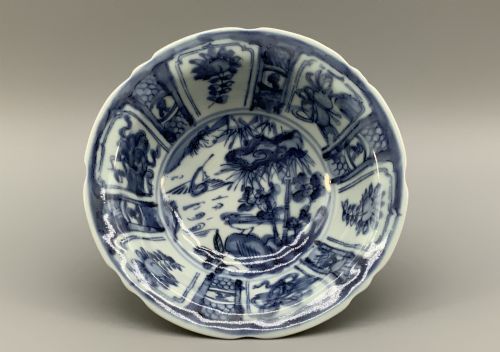
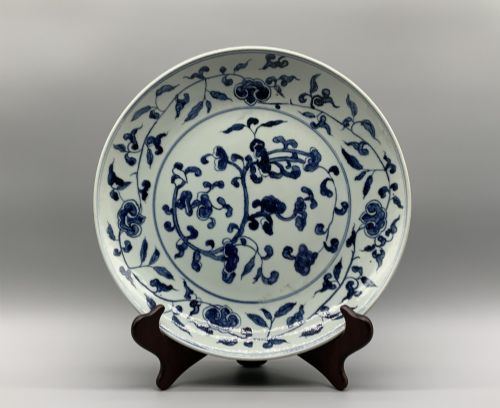
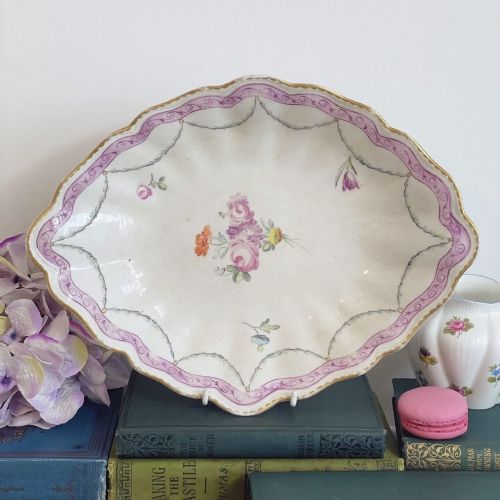
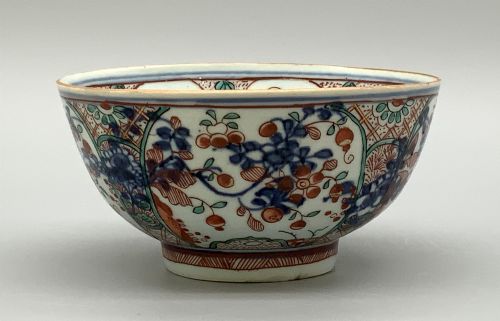
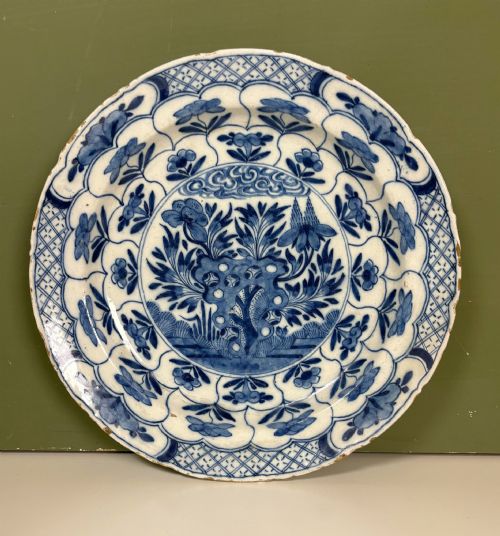
An antique blue floral dish brings rich cobalt and hand-painted botanicals to the table, spanning centuries of global ceramic artistry.
Antique Blue Floral Dish
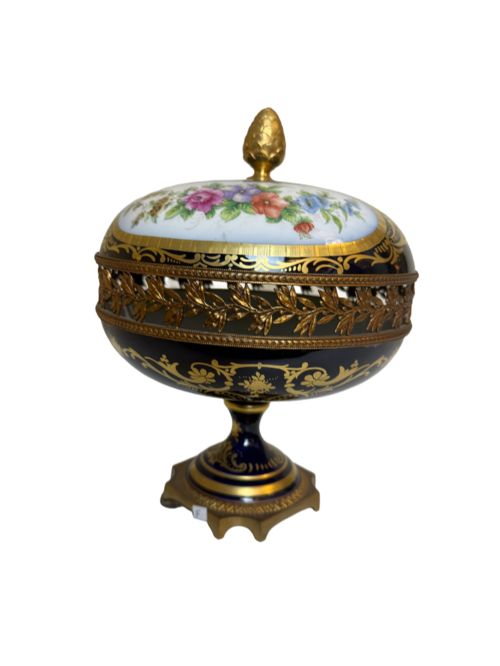
When you search for an antique blue floral dish, you encounter a diverse range of tableware and decorative objects shaped by diverse global traditions. These pieces appear primarily as plates, bowls, chargers, and serving dishes created across the eighteenth, nineteenth, and early twentieth centuries.
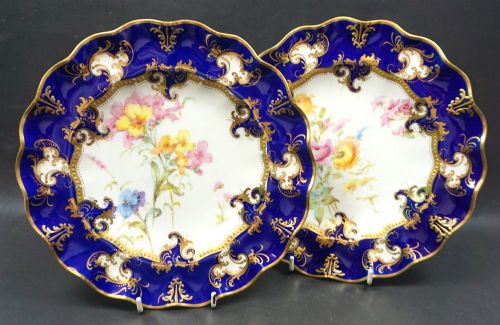
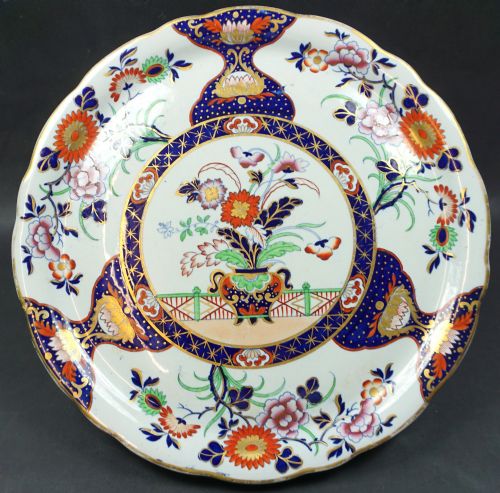
The selections you meet most frequently on this page combine blue pigments with floral motifs, originating from English potteries, French manufacturers, and Japanese kilns. Forms vary from scalloped edge bowls to large display chargers and lidded serving dishes.
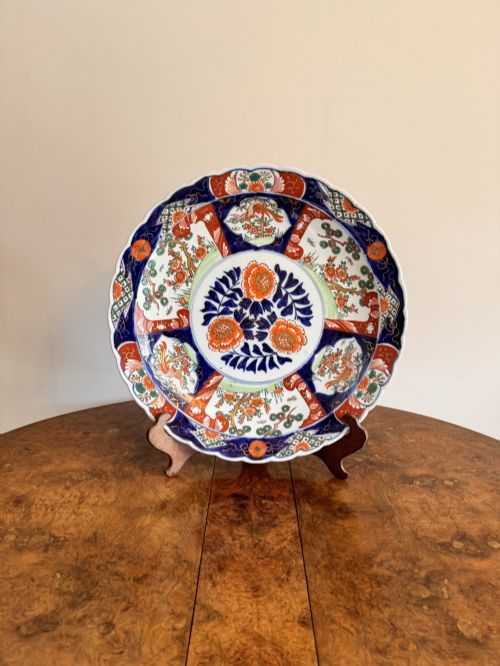
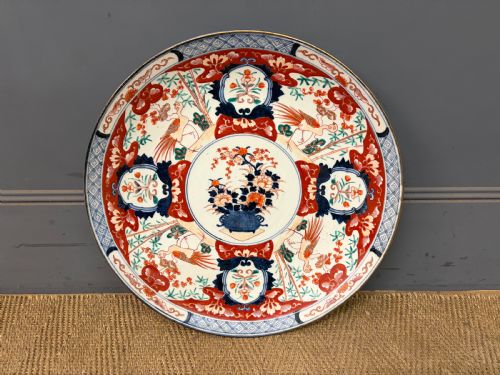
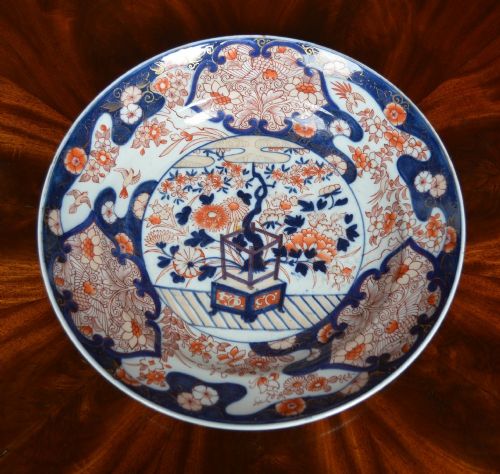
Makers from Staffordshire, Derby, and Worcester sit alongside Japanese Imari pieces and Chinese porcelain from the Kangxi period. Each item reflects the specific decorative tastes and ceramic techniques of its respective period of origin.
Materials and methods of production
Potters and ceramists shaped these pieces using porcelain, earthenware, ironstone, and soft-paste ceramic bodies. Artisans applied cobalt blue glazes, enamel colours, and sometimes gold leaf highlights before firing the works in kilns.
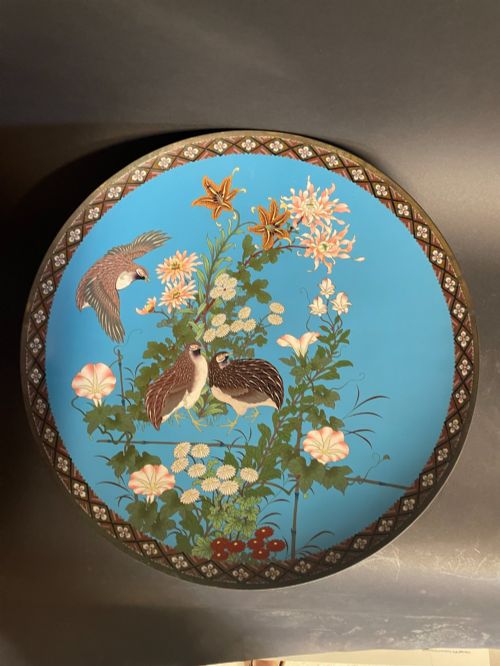
Decoration relied heavily on hand-painting and transfer printing to render intricate floral patterns across plates, platters, and bowls. Cloisonne examples utilised metal wires on copper or brass bases to contain the coloured enamel fields.
Factories employed specialised techniques such as underglaze blue painting, overglaze polychrome enamelling, and soft-paste formulations. These combined materials yielded durable domestic wares as well as delicate cabinet pieces.
A nineteenth-century Japanese cloisonne charger catches the eye with a detailed scene featuring chrysanthemums, a butterfly, and a watchful frog.
Factors that distinguish finer pieces
Quality rests upon the crispness of the cobalt painting, the precision of the glaze application, and the fineness of the ceramic body. Superior examples display confident brushwork and well-balanced floral compositions without muddy colour bleeding.
The execution of secondary details, such as scalloped edges, gilt highlights, and footed bases, separates standard production wares from masterworks. Condition and the preservation of original hand-painted details also define the upper tier of the range.
Royal Crown Derby·John Ford·Hicks & Meigh·Ambroise Michel·John Rogers & Son·James Wallace & Co.·John Davenport of Longport·New Hall
The Antique Blue Floral Dish Glossary
- Imari
- A style of Japanese porcelain featuring deep cobalt blue, iron red, and gold, named after the port of shipment. These wares gained immense popularity across Europe during the seventeenth and eighteenth centuries.
- Charger
- A large decorative plate or shallow bowl used primarily for display or ceremonial serving. They often showcase elaborate painted scenes or dense floral motifs.
- Soft-Paste
- A ceramic composition made from white clay mixed with ground glass and other materials, fired at lower temperatures than hard-paste porcelain. Eighteenth-century European factories frequently utilised this body for delicate tableware.
- Transferware
- Pottery decorated by applying a printed design from an engraved copper plate onto paper, which was then transferred onto the unglazed or bisque ceramic body. This technique allowed for consistent reproduction of complex pictorial and floral scenes.
- Delftware
- Tin-glazed earthenware produced in England and the Netherlands, typically decorated with blue designs on a white background. The technique imitates the appearance of imported Chinese blue and white porcelain.
Antique Blue Floral Dish: Frequently Asked Questions
How were these dishes used originally?
Many of these vessels served practical roles at the dining table for serving meats, vegetables, or cheese. Larger chargers and decorated plates often served a purely ornamental function for display on walls or sideboards.
Over time, changing domestic habits transformed functional tableware into collectible cabinet pieces prized for their artistry.
How do I distinguish eighteenth-century pieces from later items?
Examine the glaze, weight, and potting characteristics to help determine the era of manufacture. Eighteenth-century porcelain and earthenware often exhibit distinct foot ring construction, hand-mixed body inconsistencies, and specific cobalt hues.
Comparing factory marks and decorative styles against known historical periods provides further context for dating.
What is the difference between porcelain and ironstone?
Porcelain is a vitrified ceramic material made from specific clays that fire at high temperatures to become hard, white, and translucent. Ironstone is a heavy, durable type of earthenware patented in the nineteenth century to withstand rigorous daily use.
While porcelain feels delicate and rings when struck gently, ironstone offers a sturdy, opaque body designed for heavy domestic service.