
Cobalt Porcelain Vase
A cobalt porcelain vase brings rich blue depth to a room, drawing the eye through hand-painted detail and varied historic forms.
Cobalt Porcelain Vase
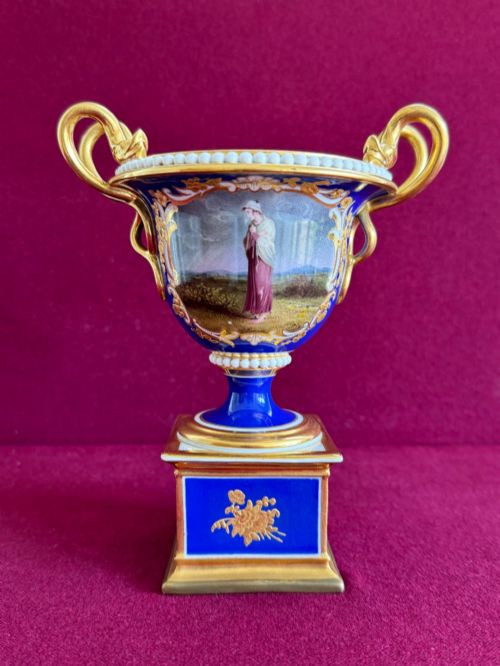
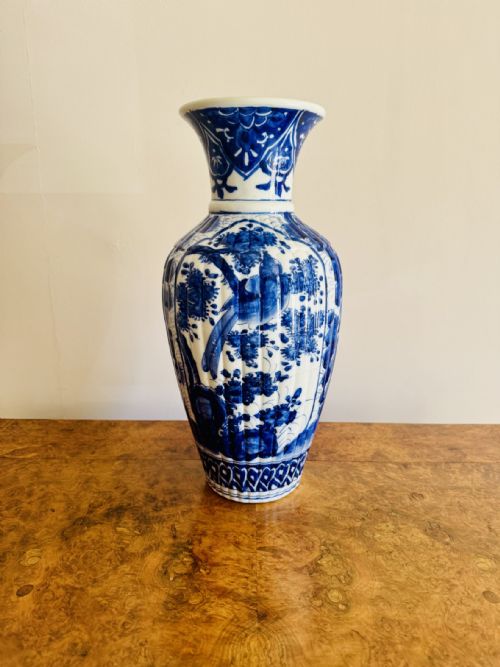
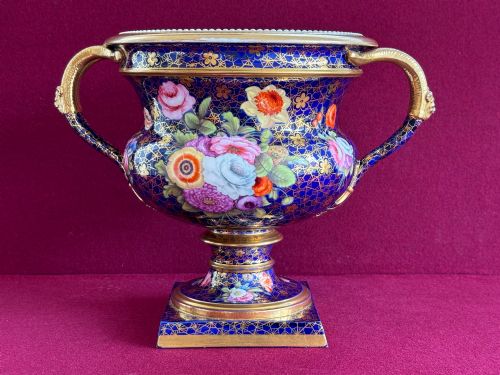
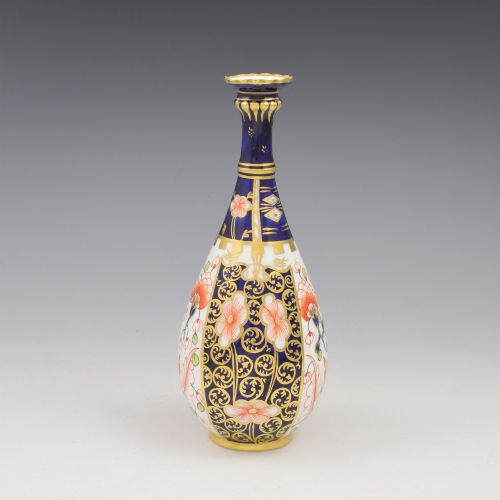
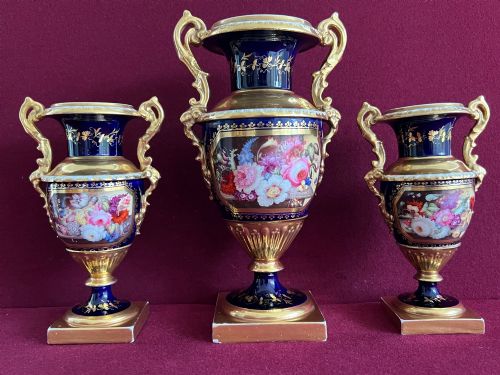
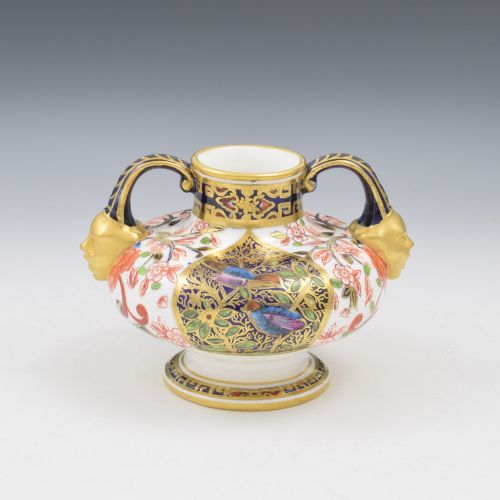
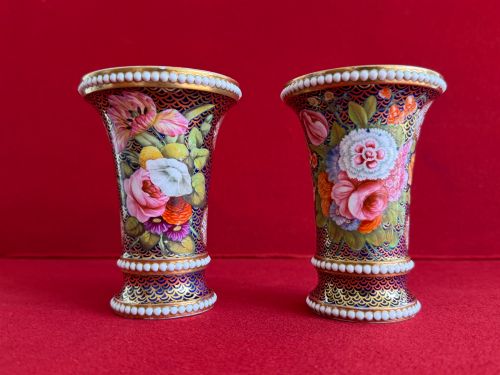
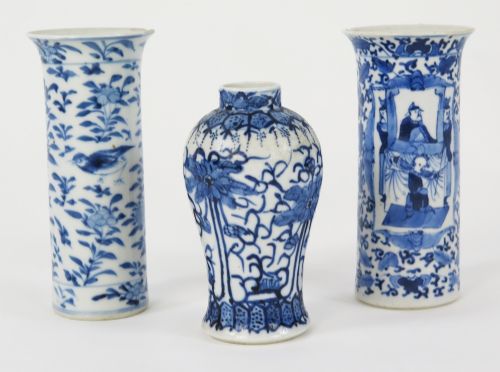
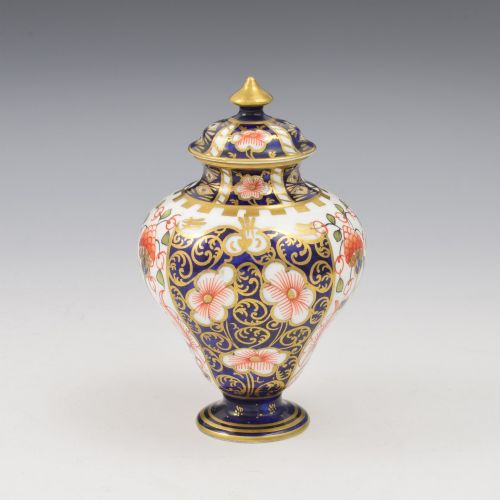
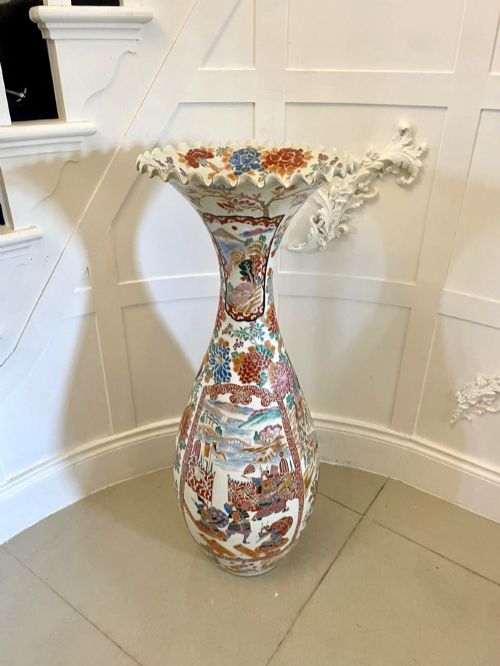
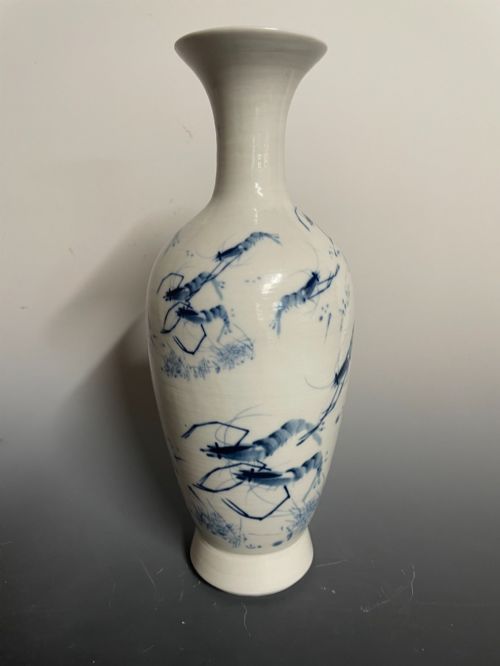
A cobalt porcelain vase combines durable ceramic bodies with striking blue decoration, appearing in forms from miniature scent bottles to large floor-standing vessels. You will encounter Japanese Imari works, Chinese blue and white pieces, and English manufactory wares spanning the eighteenth, nineteenth, and early twentieth centuries.
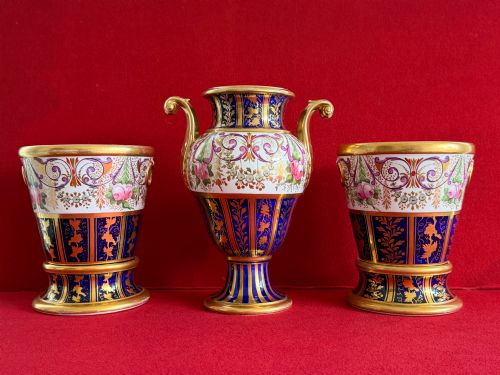
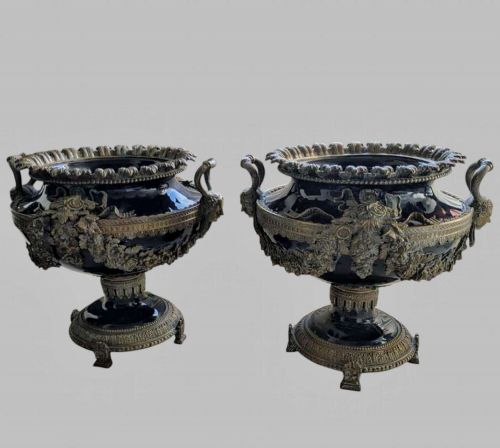
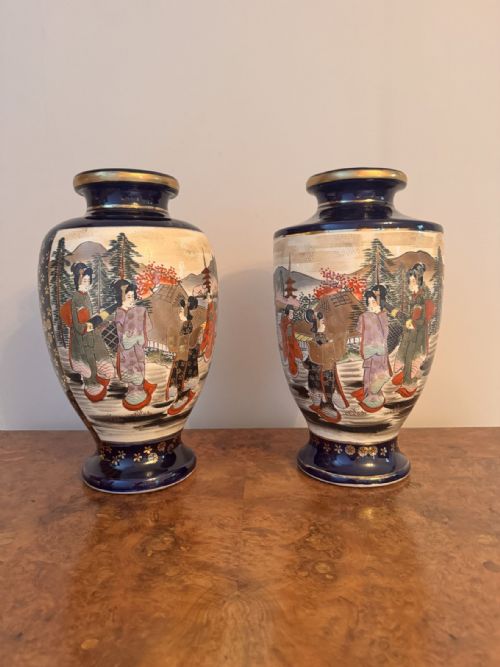
Makers shaped these items into campagna urns, double-gourd vessels, lidded jars, and brush pots. Japanese examples from the Meiji period sit alongside English porcelain from Derby, Worcester, Coalport, and Mason's, showing how diverse global traditions utilised this intense blue pigment.
How they were made
Potters applied cobalt oxide beneath or over a clear glaze before firing the ceramic body at high temperatures to achieve that characteristic deep blue tone. Artisans frequently added gold leaf, gilding, and enamel highlights over the glaze, often securing mounts made of gilt bronze or ormolu.
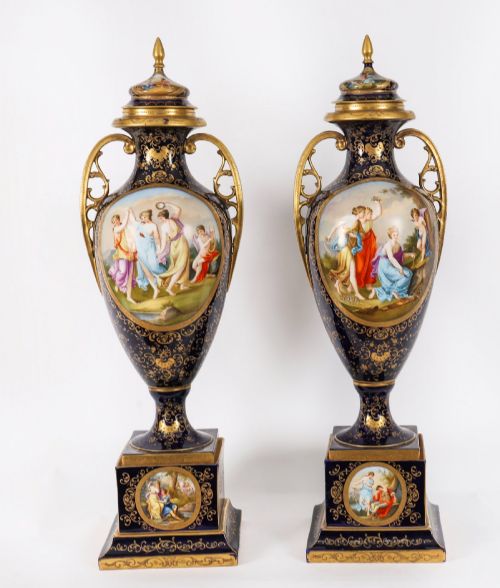
English and European factories utilised ironstone, earthenware, and fine porcelain bodies, while Japanese kilns focused on distinct hard-paste porcelain forms. Hand-painting remained central to the decoration, whether depicting traditional Japanese Imari patterns, Chinese motifs, or European Watteau scenes.
The selection includes Japanese Imari, Chinese blue and white, and European revival styles spanning from the late seventeenth century into the twentieth century.
What varies in quality
The precision and detail of the hand-painting separate standard production items from masterworks. Clean brushwork in the cobalt underglaze and careful application of gold leaf dictate the visual success of the piece.
The weight and finish of the porcelain body, along with the crispness of any gilt bronze or ormolu mounts, separate basic decorative vessels from fine collector pieces. Factory marks and named artists provide further distinction.
Royal Crown Derby·Flight Barr And Barr·Royal Vienna·Mason S·Coalport
The Cobalt Porcelain Vase Glossary
- Imari
- A style of Japanese export porcelain featuring underglaze blue and iron red with supplementary gold.
- Gilding
- The application of gold leaf or gold dust to the surface of the ceramic for decorative accent.
- Garniture
- A matched set of three or more vases or jars designed to be displayed together on a mantelpiece or sideboard.
- Double-gourd
- A vase shape consisting of two rounded bulbous sections, one stacked on top of the other.
- Campagna urn
- A classical vase shape modelled after ancient Roman stone vessels, featuring a flared rim and a pedestal foot.
Cobalt Porcelain Vase: Frequently Asked Questions
How do I date a cobalt porcelain vase?
Examine the factory marks, style of decoration, and baseline manufacturing material. Nineteenth-century pieces often bear specific impressed or painted stamps associated with English or Japanese kilns.
Changes in palette and glaze technology help separate earlier eighteenth-century items from later Victorian or Edwardian productions.
Where were these vases displayed historically?
Owners placed large floor vases in grand hallways and reception rooms to demonstrate taste and wealth. Smaller garnitures and miniature vessels occupied mantelpieces, side tables, and cabinets.
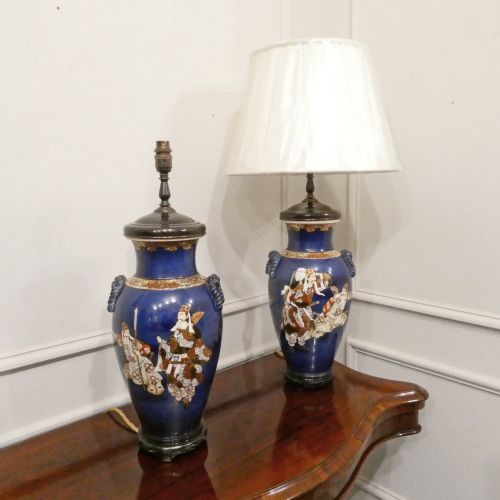
Table lamps and brush pots served functional roles in studies and drawing rooms alongside purely decorative items.
How should I clean my porcelain vase?
Dust the surface gently with a soft, dry brush to remove accumulated particles. Avoid harsh chemical cleaners or abrasive cloths that can damage delicate gold leaf and enamel.
Keep pieces away from direct sunlight to preserve the vibrancy of the cobalt glaze and hand-painted details.
What distinguishes Japanese Imari from Chinese porcelain?
Japanese Imari typically integrates a palette of underglaze blue, iron red, and abundant gold highlights on thick porcelain bodies. Chinese blue and white porcelain often relies purely on tonal variations of cobalt beneath a clear glaze.
Motifs also differ, with Imari showing brocade patterns and Chinese pieces focusing on floral or landscape scenes.