


Cobalt Blue Transferware
Cobalt blue transferware brings together rich copper-plate prints and brilliant mineral pigment on domestic ceramic.
Cobalt Blue Transferware
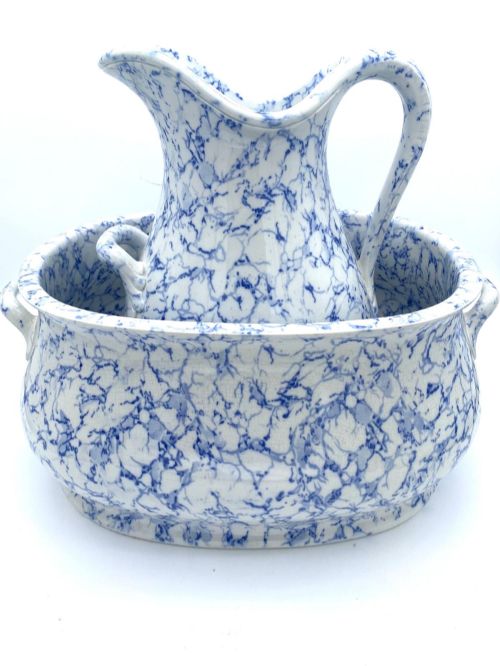
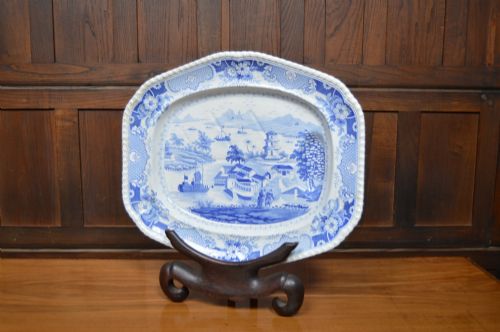
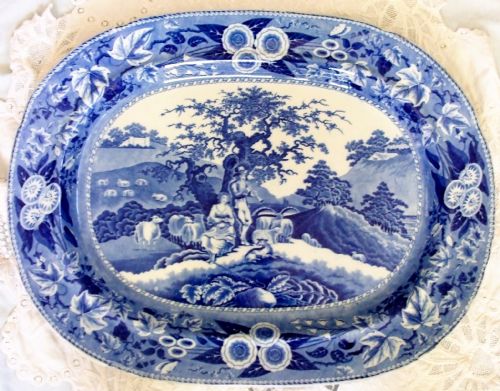
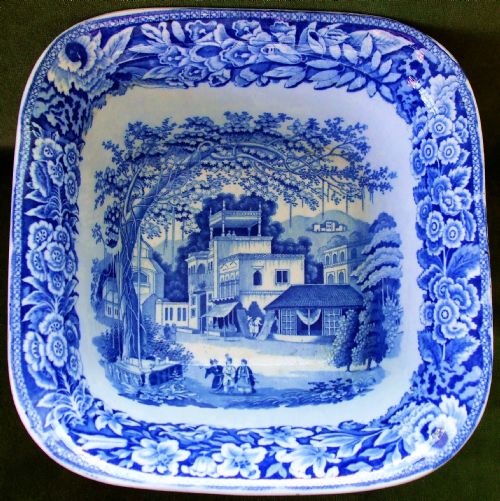
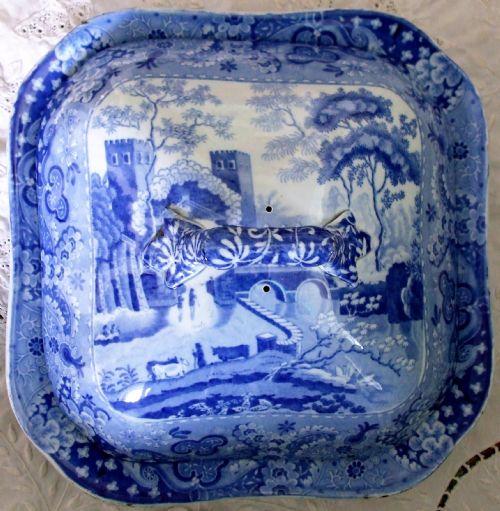
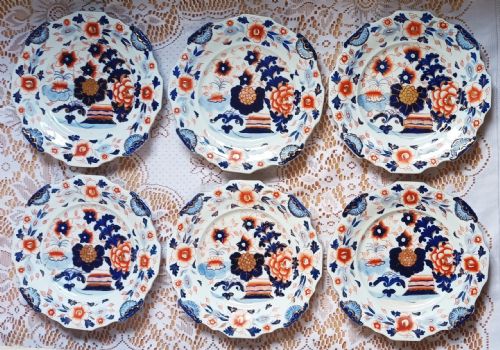
Cobalt blue transferware comprises 19th-century ceramic tablewares and serving vessels decorated with detailed monochrome prints applied from engraved copper plates. The pieces appearing here span Georgian, Regency, and Victorian periods, taking forms such as meat platters, vegetable tureens, dessert plates, and footbath jugs.
Most examples originate from Staffordshire potteries and associated English makers working in earthenware, pearlware, and ironstone. Common patterns range from pastoral landscapes like the Piping Shepherd and Eastern street scenes to architectural views and Chinoiserie compositions.
Materials and Transfer Printing
The technique relies on engraving a design into a copper plate, filling the grooves with cobalt pigment mixed with an oily medium, and pulling an impression onto thin tissue paper. Workers then transferred this inked paper onto a fired ceramic biscuit body before applying a transparent lead or salt glaze and firing the piece a second time.
Bodies varied from early porous earthenware and refined pearlware to heavier ironstone and stoneware. The cobalt pigment melted into the glaze during the high-temperature kiln firing, producing deep blue imagery that resisted fading.
Potters occasionally printed obscure nursery rhymes and cheerful farmyard animals onto child-sized tea services.
Factors of Distinction
Quality rests upon the crispness of the transfer print and the registration of the copper plate design onto the curved ceramic surface. Finer pieces display sharp lines without smudging, blurring, or overlapping transfer seams.
The clarity of the glaze and the purity of the ceramic body also separate standard utility wares from exhibition-grade production. Early pearlware and carefully potted ironstone exhibit smoother surfaces and more even colour absorption than coarser commercial earthenware.
J. and R. Riley·J. and R. Clews·John Ridgway·Thomas Lakin·John Davenport
The Cobalt Blue Transferware Glossary
- Transfer printing
- A method of decorating ceramics by applying an engraved paper pattern onto a bisque body using metal oxides.
- Flow blue
- A style where cobalt pigment deliberately bled into the surrounding glaze during firing, creating a soft, hazy appearance.
- Pearlware
- A refined earthenware body developed in the late 18th century featuring a bluish-tinted glaze that whittled the appearance of the clay.
- Ironstone
- A dense, durable type of heavy ceramic patented in the early 19th century to imitate Chinese porcelain.
- Biscuit
- Fired unglazed ceramic pottery ready to receive decoration and glaze.
Cobalt Blue Transferware: Frequently Asked Questions
How do I date cobalt blue transferware?
Dating relies on combining the ceramic body type, such as early pearlware or later ironstone, with maker marks stamped into the underside. Stylistic cues in the border designs and historical subjects also help narrow down the production decade.
Potteries frequently altered their backstamps over time, providing a reliable chronological marker for pieces produced throughout the 19th century.
Were these pieces used for daily dining?
Many items, including meat platters, dinner plates, and soup tureens, were manufactured for active household service on formal and everyday tables. Heavier ironstone and durable earthenware stood up well to regular washing and heavy dining use.
Footbath jugs and large basins served personal hygiene functions in bedrooms before modern indoor plumbing became widespread in homes.
What is the difference between standard transferware and flow blue?
Standard transfer printing aimed for absolute clarity and precise alignment between the copper plate engraving and the ceramic surface. Flow blue introduced lime or ammonia gas into the kiln atmosphere to make the cobalt pigment intentionally blur into the glaze.
This chemical manipulation created a misty, atmospheric depth reminiscent of fine watercolour paintings rather than sharp linear prints.
How should I clean and care for antique transferware?
Gentle hand washing in warm water using mild soap preserves the fragile surface glaze and prevents micro-cracking. Avoid harsh modern dishwashers, abrasive scouring pads, and prolonged soaking in water.
Display vessels and chargers fare best when supported securely on stable plate stands rather than hung by wire hangers that stress the ceramic rim.