




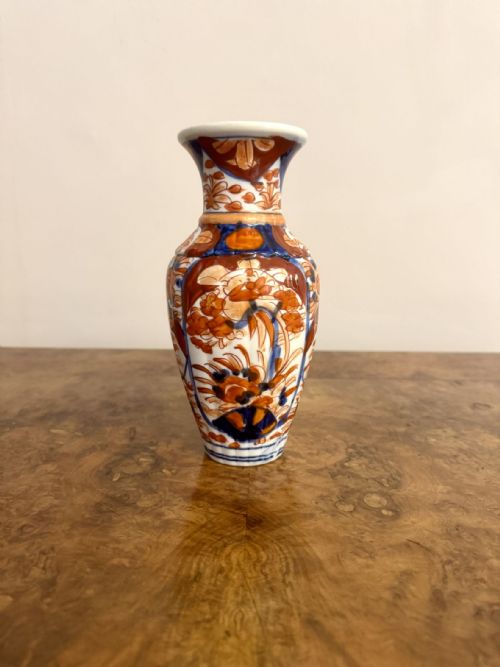
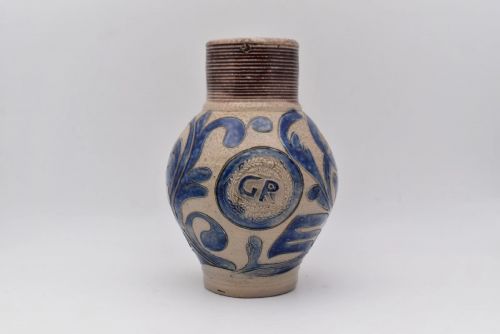


Cobalt Blue Pottery Vessel
These cobalt blue pottery vessel examples range from seventeenth-century English delft posset pots to Japanese imari vases, offering rich cobalt pigmentation across global ceramic traditions.
Cobalt Blue Pottery Vessel
When you search for a cobalt blue pottery vessel, you encounter a diverse array of ceramics spanning multiple centuries and continents. The selection includes utilitarian stoneware jugs from Germany, delicate porcelain jars from China, and earthenware pieces adorned with silver mounts from Morocco.
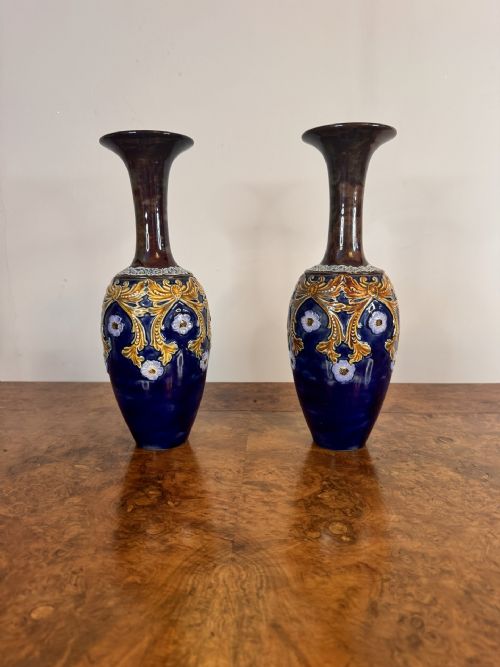
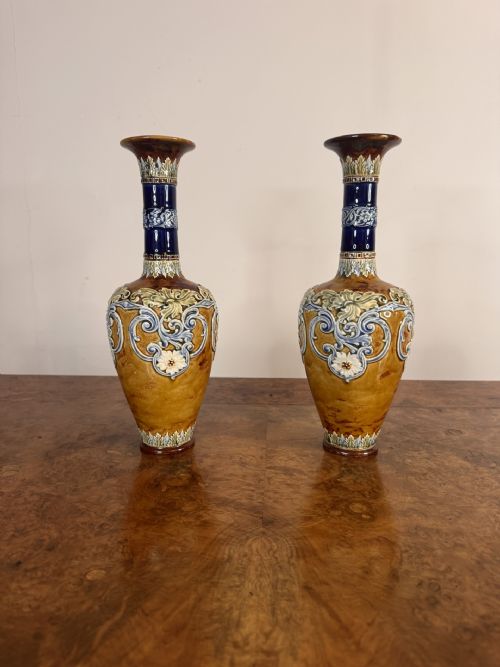
The most common forms on this page are vases, jardinieres, and decorative bowls, often originating from Japanese kilns during the Meiji period or English potteries like Royal Doulton. These pieces serve primarily as decorative objects, showcasing the deep blue hues achieved through cobalt oxide underglazes and enamels.
Geographic origins vary widely, encompassing English delftware, Qing Dynasty Chinese porcelain, and Vietnamese covered boxes from the Lê Dynasty. Each region applies cobalt decoration within its distinct stylistic tradition, creating considerable variety in form and surface pattern.
How they were made
Potters achieve the characteristic deep blue coloration by applying cobalt oxide pigments directly to the clay body or onto an underlying white slip before firing. Stoneware pieces often receive a salt glaze, thrown into the kiln during high-temperature firing to produce a textured, orange-peel surface.
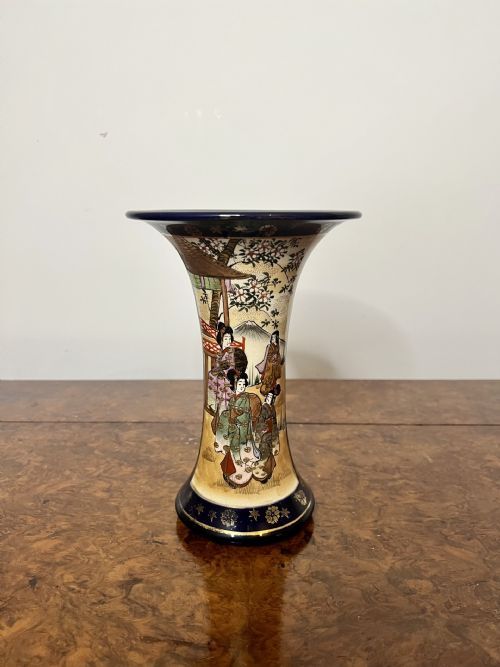
Porcelain and earthenware vessels frequently utilise intricate overglaze enamels and gold leaf highlights, particularly evident in Japanese Satsuma and Imari wares. Skilled decorators paint motifs by hand, sealing the pigments beneath a transparent glossy glaze in subsequent kiln firings.
Cobalt Blue Pottery Vessel Retail Price Guide 2026
Typical asking prices for cobalt blue pottery vessel among the pieces listed under this phrase on Sellingantiques today, from the lower quarter to the upper quarter. They describe what is for sale here now, not the wider market.
Listings feature cobalt blue pottery vessels spanning the seventeenth to the twentieth century, incorporating earthenware, porcelain, and salt-glazed stoneware.
What varies in quality
The sophistication of the painted cobalt decoration distinguishes finer pieces from ordinary production, with delicate brushwork and clear definition elevating a vessel. Hand-thrown forms display balanced proportions and consistent wall thickness, whereas lesser items show stiffness in shape and execution.
The richness of the glaze and the precision of the firing process determine surface durability and visual depth. Pieces featuring heavy gilding, Moriage relief work, or supplementary silver mounts demonstrate higher artisan investment and material luxury.
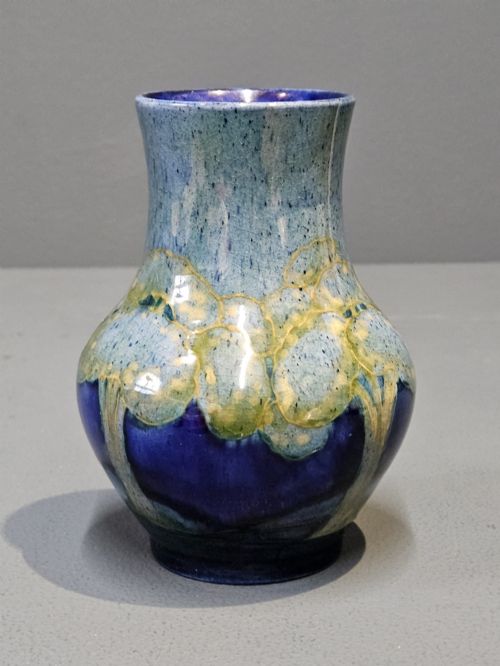
Doulton Lambeth·Royal Crown Derby·Carlton Ware·Pilkingtons Royal Lancastrian·William Moorcroft·William Adams And Sons·Kinkozan
The Cobalt Blue Pottery Vessel Glossary
- Cobalt blue
- A deep blue pigment derived from cobalt oxide that remains stable at high kiln temperatures. It serves as the primary colouring agent for underglaze decoration across centuries of international ceramics.
- Imari
- A style of Japanese porcelain featuring a tripartite palette of cobalt blue, iron red, and gold. Artisans produced these wares primarily for export, combining rich surface patterns with floral and panel motifs.
- Stoneware
- A robust, vitrified ceramic fired at high temperatures until impervious to liquids. It accepts salt glazes readily and frequently appears in early European tavern jugs and storage vessels.
- Posset pot
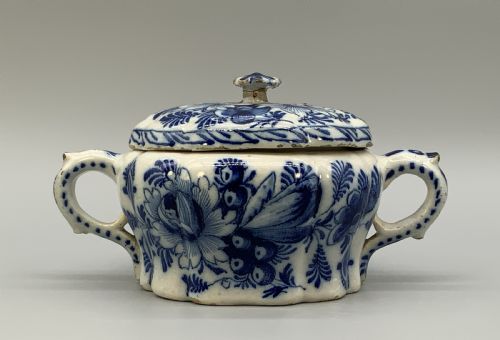
- A spouted ceramic vessel used historically for serving a hot, curdled milk drink mixed with wine or ale. English delftware examples often feature elaborate blue and white floral faience decoration.
- Moriage
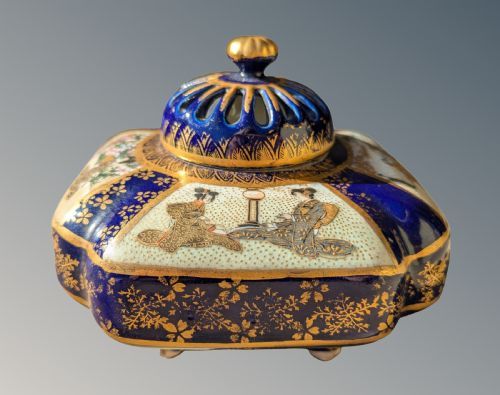
- A Japanese ceramic technique involving piped slip applied in raised dots or lines to create textured surface ornamentation. Craftsmen frequently highlight these raised patterns with heavy gilding.
Cobalt Blue Pottery Vessel: Frequently Asked Questions
How do I identify a Westerwald stoneware jug?
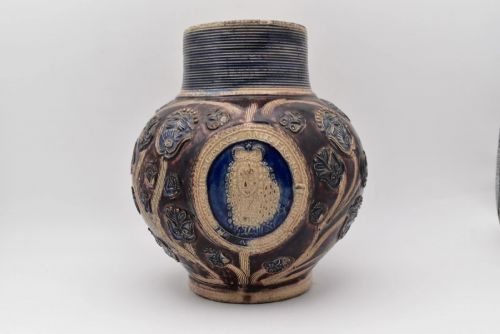
Westerwald jugs originate from the German Rhineland and typically feature grey salt-glazed stoneware decorated with cobalt blue incisions and stamped medallions. Many include royal ciphers or heraldic motifs pressed directly into the damp clay before firing.
You can distinguish genuine antique examples by their characteristic porous grey interior, heavy salt-glaze pitting, and hand-applied cobalt highlights that bleed slightly into the surrounding salt glaze.
What is the difference between Satsuma and Imari ceramics?
Satsuma ceramics utilise an earthenware body covered with a finely crackled ivory-coloured glaze, usually decorated with polychrome enamels and extensive gold leaf. Imari pieces consist of hard porcelain decorated predominantly in cobalt blue and iron red.
While Satsuma vessels focus on narrative figure panels and textured Moriage relief work, Imari wares rely on striking contrasts between underglaze blue and bright overglaze iron red pigments.
How were antique posset pots used?
Posset pots were communal drinking vessels utilised in seventeenth and eighteenth-century households for serving posset, a rich mixture of warm milk curdled with wine or ale and spiced. Guests drank from the spout or used spoons to consume the mixture during festive gatherings.
These vessels usually feature two opposing loop handles for passing around the table safely, alongside a fitted lid to retain heat.
Are all blue and white vessels Chinese porcelain?
Blue and white ceramics were produced globally, with major traditions existing in China, England, the Netherlands, and Vietnam. While Chinese kilns originated the technique during the Qing Dynasty and earlier, European potteries developed distinct local styles like English delftware.
Examining the clay body beneath the glaze reveals whether a piece consists of translucent high-fired porcelain or more porous earthenware and stoneware.