



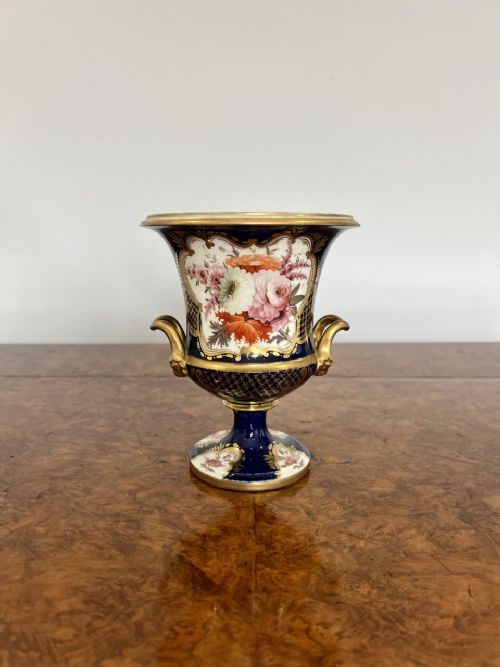

Cobalt Blue Porcelain Vessel
A cobalt blue porcelain vessel brings deep mineral tones and centuries of kiln mastery directly into a room.
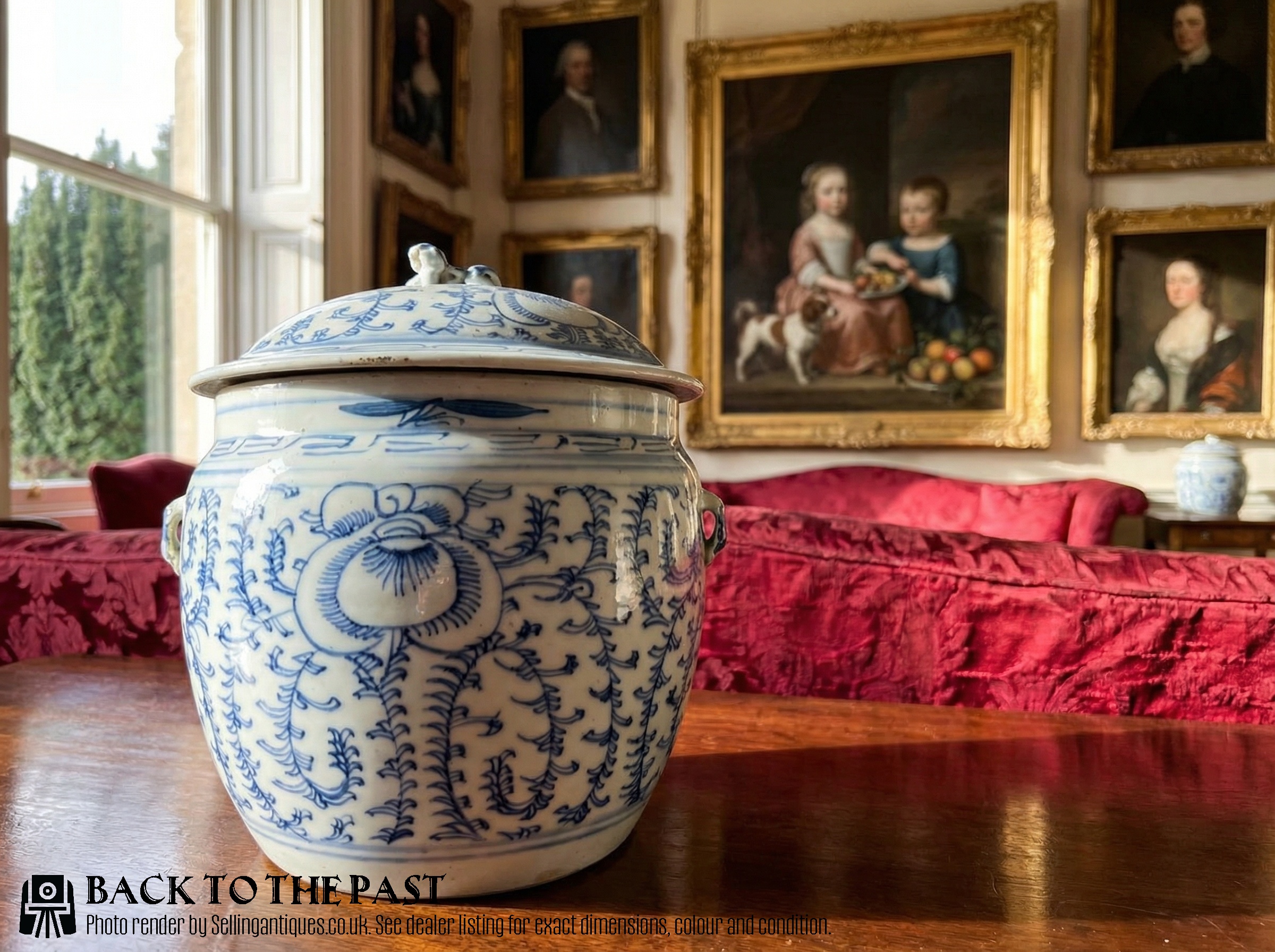
Cobalt Blue Porcelain Vessel
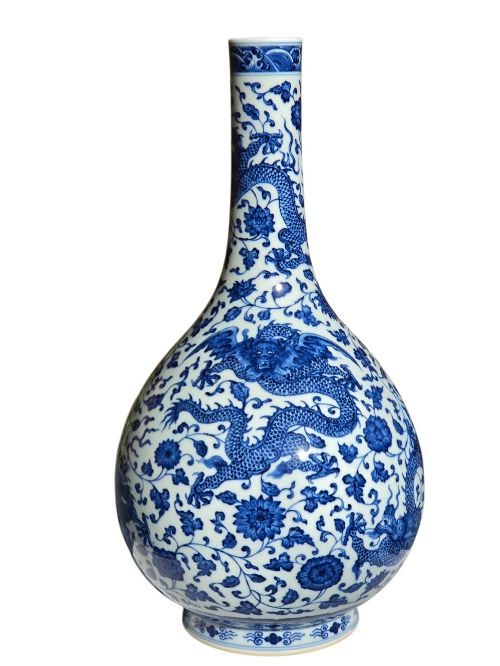
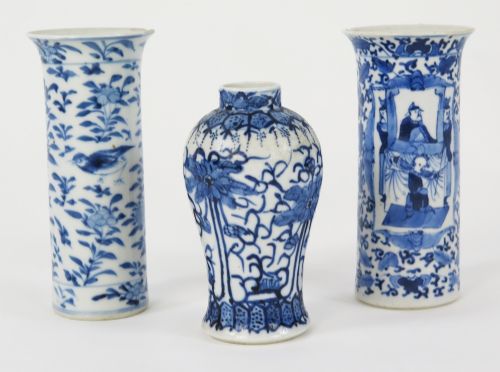
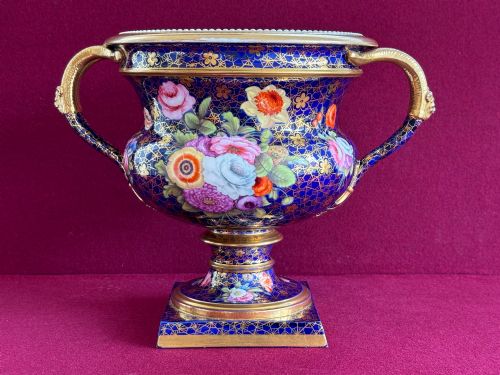
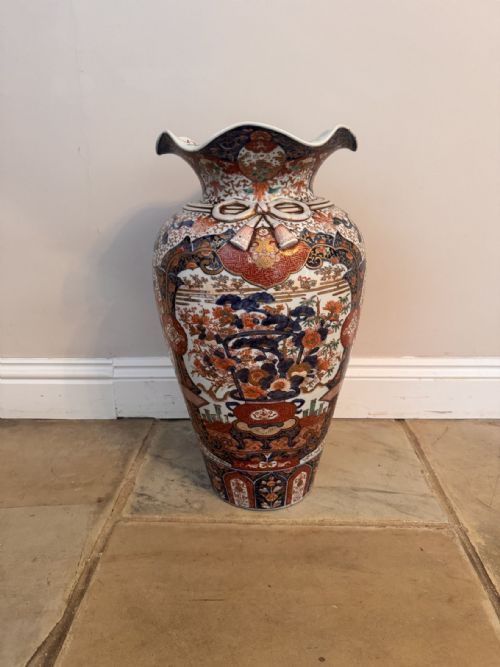
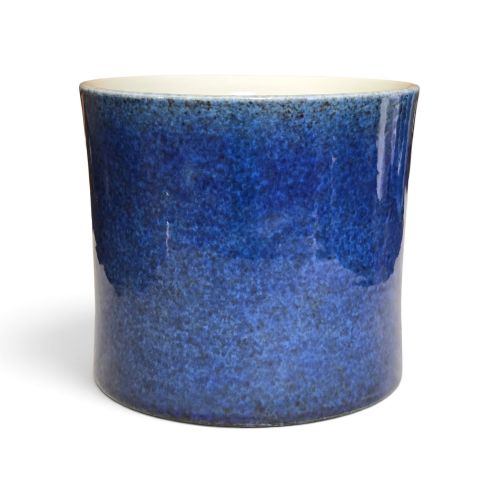
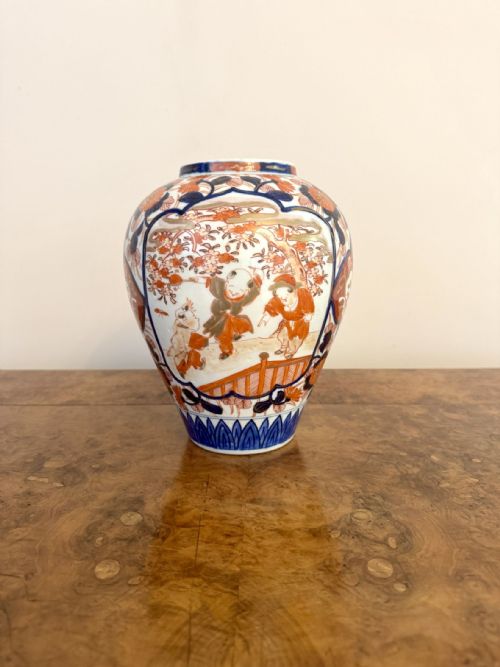
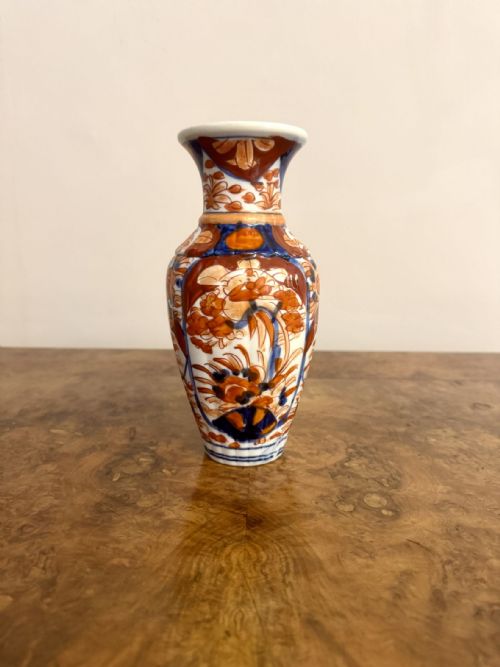
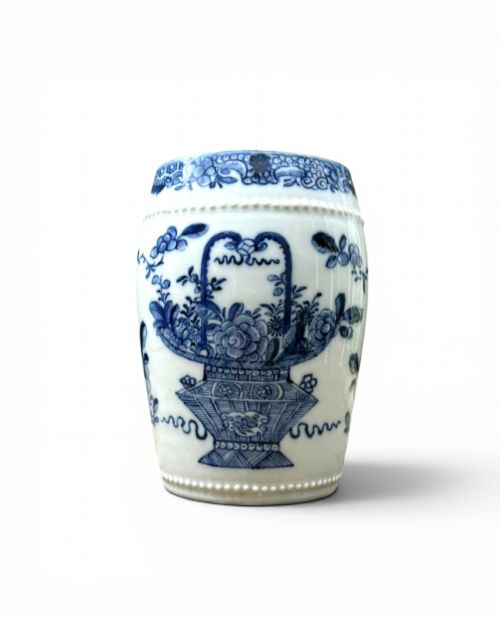
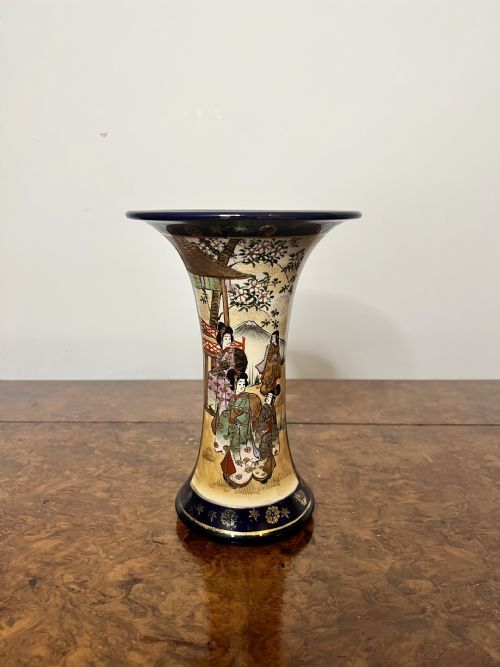
A cobalt blue porcelain vessel encompasses a wide range of decorative ceramics, from Chinese export ginger jars and brush pots to Japanese Imari vases and Regency English campagna urns. When exploring this selection, buyers frequently encounter works shaped during the Qing dynasty, the Meiji period, and the nineteenth century.
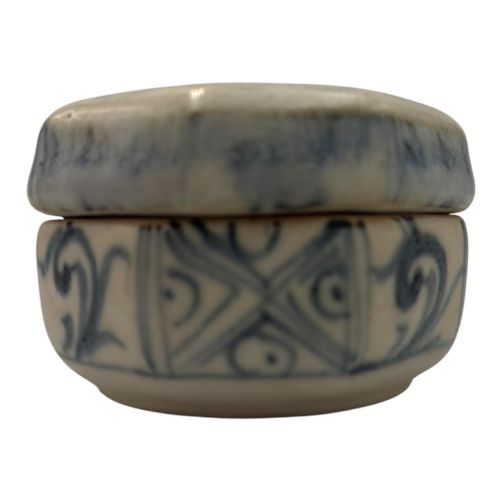
The forms span tall floor-standing vases, double-gourd shapes, octagonal covered boxes, and delicate tea wares. Originating from diverse kilns in Asia and Europe, these objects combine traditional throwing techniques with rich underglaze pigments.
The variety stretches from small cabinet pieces to monumental jars standing over seventy centimetres tall. Each specimen demonstrates how potters adapted cobalt decoration across different centuries and cultures.
How they were made
Potters shaped refined clay pastes on the wheel or pressed them into moulds to create bottles, urns, and jars before applying cobalt pigment beneath the glaze. This underglaze technique ensured the blue decoration remained permanent and protected through high-temperature firing.
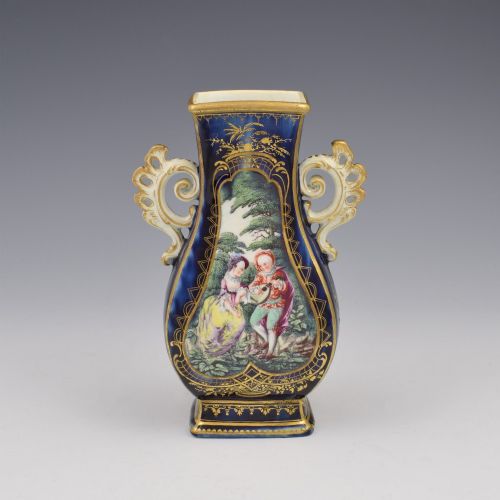
Many items received supplementary enrichment through gold leaf, enamel highlights, and overglaze gilding applied during a secondary firing stage. Artisans balanced raw mineral colour with clear transparent glazes to achieve depth and luminosity on the ceramic surface.
Cobalt Blue Porcelain Vessel Retail Price Guide 2026
Typical asking prices for cobalt blue porcelain vessel among the pieces listed under this phrase on Sellingantiques today, from the lower quarter to the upper quarter. They describe what is for sale here now, not the wider market.
The listings span seventeenth-century Chinese brush holders, eighteenth-century English porcelain tea wares, and nineteenth-century Japanese Imari garden seats.
What varies in quality
Quality rests upon the crispness of the underglaze cobalt painting, the purity of the porcelain body, and the precision of the form. Superior examples display controlled brushwork and rich, stable blue tones without excessive bleeding into the surrounding glaze.
The intricacy of secondary decoration, such as hand-applied gold leaf or detailed enamel scenes, distinguishes standard production wares from masterworks. The harmony between the vessel's silhouette and its pictorial composition ultimately determines its standing.
Royal Crown Derby·Royal Doulton·Flight Barr and Barr·Coalport·Carlton Ware
The Cobalt Blue Porcelain Vessel Glossary
- Cobalt Glaze
- A vitreous coating coloured with cobalt oxide that turns deep blue during firing. It provides the primary decorative pigment for traditional blue and white ceramics.
- Meiji Period
- The era in Japanese history spanning from 1868 to 1912, noted for exceptional decorative arts and vibrant export ceramics. Pieces from this time often feature elaborate Imari or Satsuma designs.
- Qing Dynasty
- The final imperial dynasty of China, lasting from 1644 to 1911, celebrated for technical perfection in porcelain production. Kilns during this period produced sophisticated blue and white vessels with imperial mark inscriptions.
- Underglaze
- A method of applying pigment to a ceramic piece before it receives its final glaze and goes into the kiln. This protects the painted design beneath a glassy protective layer.
- Meiping
- A traditional Chinese form of vase with a narrow neck, broad shoulders, and a tapering base. Originally designed for holding plum branches, these vessels became staples of imperial and export kilns.
Cobalt Blue Porcelain Vessel: Frequently Asked Questions
What is the difference between Imari and blue and white porcelain?
Blue and white porcelain relies exclusively on cobalt oxide under a clear glaze to create monochromatic designs. Imari ceramics introduce a vibrant palette of iron red, gold leaf, and additional enamels alongside the dark blue underglaze.
Originating in Japan, Imari wares were widely exported to Europe and prized for their rich, multi-coloured surfaces. Blue and white pieces offer a more restrained aesthetic focusing strictly on tone and line.
How can I tell a Qing dynasty piece from a later copy?
Examine the weight, the density of the porcelain body, and the character of the cobalt pigment under magnification. Qing pieces often exhibit subtle iron spots within the blue areas where the mineral settled during high-temperature firing.
Base marks can provide helpful clues, though later potters frequently reproduced imperial reign marks as a sign of respect rather than deception. True period pieces display natural age wear and harmonious proportions consistent with their era.
Where were campagna urns used in a historic home?
Campagna urns served primarily as decorative ornaments on mantelpieces, sideboards, and pier tables during the Regency and Victorian periods. Their classical silhouette made them fashionable centrepieces for formal reception rooms.
While some functioned as rose water sprinklers or small planters, many remained purely ornamental focal points. Their rich cobalt grounds and gilt accents were designed to catch candlelight in evening drawing rooms.