




Cobalt Blue Plant Pot
These cobalt blue plant pot pieces bring deep rich colour to interiors, and you are looking at substantial ceramic planters designed to showcase indoor foliage.
Cobalt Blue Plant Pot
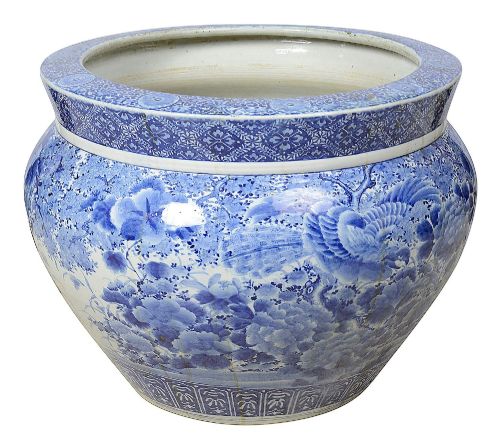
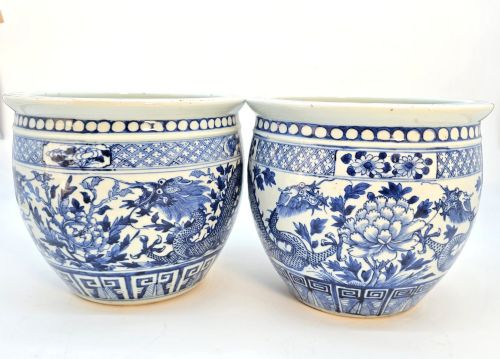
When you search for a cobalt blue plant pot, you encounter robust vessels intended for holding substantial indoor plants, most frequently recorded here as jardinieres and large planters. These pieces span the nineteenth century, including Victorian examples alongside imports from Qing Dynasty China and Meiji Period Japan.
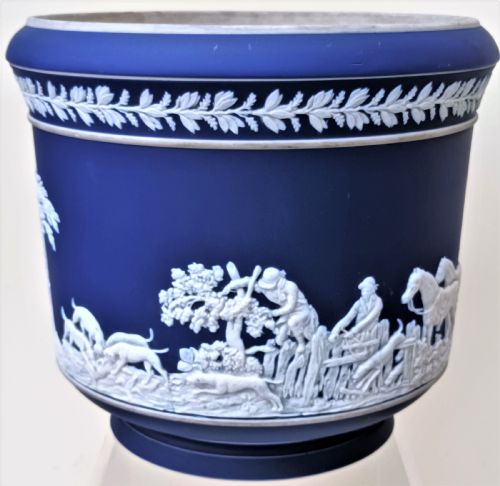
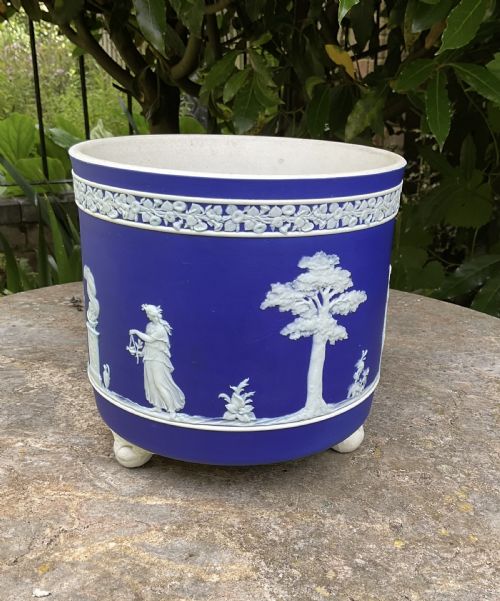
The domestic output relies heavily on English factories producing majolica, jasperware, and stoneware, while Asian pieces showcase intricate blue and white porcelain and Imari patterns. You will find that many of these planters take a generous, rounded form designed to sit directly on tables or floors.
Victorian examples dominate the selection, bringing neoclassical motifs and textured glazes into British homes from the late nineteenth century. Whether English or imported, every cobalt blue plant pot serves as a bold focal point for greenery.
Materials and construction
Potters shaped these vessels from heavy ceramic, porcelain, and stoneware, applying rich cobalt underglaze pigments to achieve deep blue tones before firing. Salt glazed German wares and English stoneware utilise dense bodies that withstand heavy moisture.
Majolica and jasperware techniques introduced raised relief decoration and vibrant coloured glazes, giving these planters tactile surfaces. Hand-painted underglaze designs on porcelain and Imari wares required precise brushwork prior to the final glaze firing.
Cobalt Blue Plant Pot Retail Price Guide 2026
Typical asking prices for cobalt blue plant pot among the pieces listed under this phrase on Sellingantiques today, from the lower quarter to the upper quarter. They describe what is for sale here now, not the wider market.
Some Victorian planters were manufactured with built-in drainage feet shaped like animal paws.
Assessing quality and execution
Quality rests upon the crispness of the moulded relief work and the depth of the cobalt pigment across the surface. Finer pieces display clean potting lines and carefully controlled glaze reactions without distracting surface flaws.
The distinction between standard production and superior examples lies in the hand-painted detailing and the weight of the ceramic body. Pieces produced by established potteries demonstrate greater precision in their decorative borders and footed bases.
William Adams & Sons·Royal Doulton·Doulton Lambeth·Minton·Wedgwood·George Jones
The Cobalt Blue Plant Pot Glossary
- Jardiniere
- A large ornamental pot or planter designed to hold growing plants indoors. These vessels usually feature a wide opening and a stable base.
- Jasperware
- A type of fine stoneware developed by Josiah Wedgwood, characterised by a matte surface and contrasting white relief figures. It appears frequently in Victorian decorative wares.
- Majolica
- A heavy earthenware pottery covered with an opaque coloured glaze, popular during the Victorian era. This technique allows for vibrant hues and moulded botanical motifs.
- Slaterware
- A style of ceramic finish developed by Royal Doulton that incorporates real lace or plant textures pressed into the damp clay body. This creates a distinctive textured surface beneath the glaze.
- Imari
- A style of Japanese porcelain decorated in underglaze blue, iron red, and gold. These pieces were widely exported during the Meiji period.
Cobalt Blue Plant Pot: Frequently Asked Questions
What is a jardiniere?
A jardiniere is a decorative pot designed to hold a potted plant rather than planting directly into the vessel.
These pieces function primarily as indoor plant holders to protect surfaces from water drainage.
How do I care for antique planters?
Keep ceramic and stoneware vessels away from extreme temperature shifts and clean them gently with a soft cloth.
Use a plastic liner inside the pot to prevent moisture from seeping into the historic ceramic body.
Are these pots waterproof?
Most ceramic and porcelain planters hold water, but older earthenware and majolica can be slightly porous over time.
Placing a saucer or protective mat underneath safeguards fine furniture from potential moisture rings.
How do I date a Victorian jardiniere?
Examine the base for factory marks, registration numbers, and stylistic clues such as neoclassical relief moulding.
Late nineteenth century pieces often combine heavy stoneware bodies with cobalt glazes typical of the period.