



Cobalt Blue Oval Dish
A cobalt blue oval dish brings rich colour and enduring utility to any table, spanning Georgian earthenware and Japanese porcelain.
Cobalt Blue Oval Dish
When you search for a cobalt blue oval dish, you encounter a variety of forms including serving platters, meat platters, decorative plates, and trinket boxes. These pieces serve practical dining purposes as well as decorative display functions across multiple centuries.
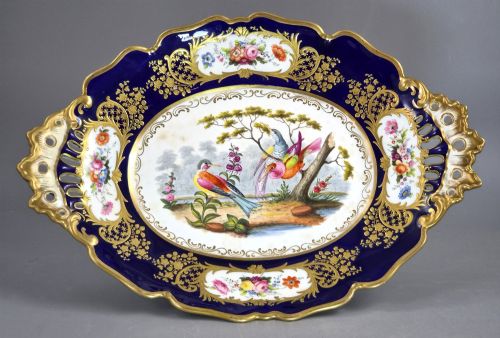
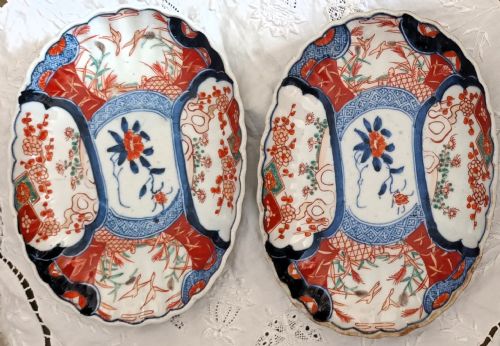
The selections available on this page most frequently include 19th-century porcelain and earthenware pieces, alongside Japanese Imari porcelain dishes and French Sevres porcelain. Such items originate from English, French, and Japanese traditions.
Forms range from large ironstone dishes with strainers to smaller trinket boxes and salt cellars, all united by their distinctive blue pigment and oval shape.
How they were made
Makers utilised porcelain, earthenware, and ironstone as bodies for these dishes, applying cobalt pigment beneath or over the glaze to achieve deep blue decoration. Gilding and gold leaf occasionally accent the surfaces.
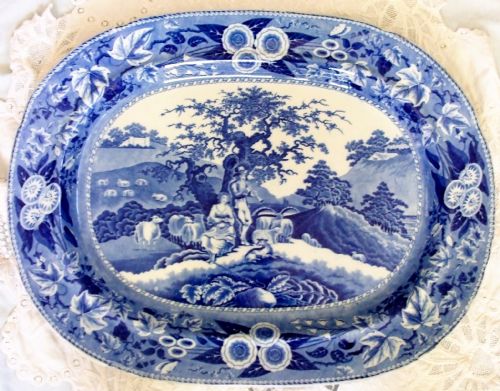
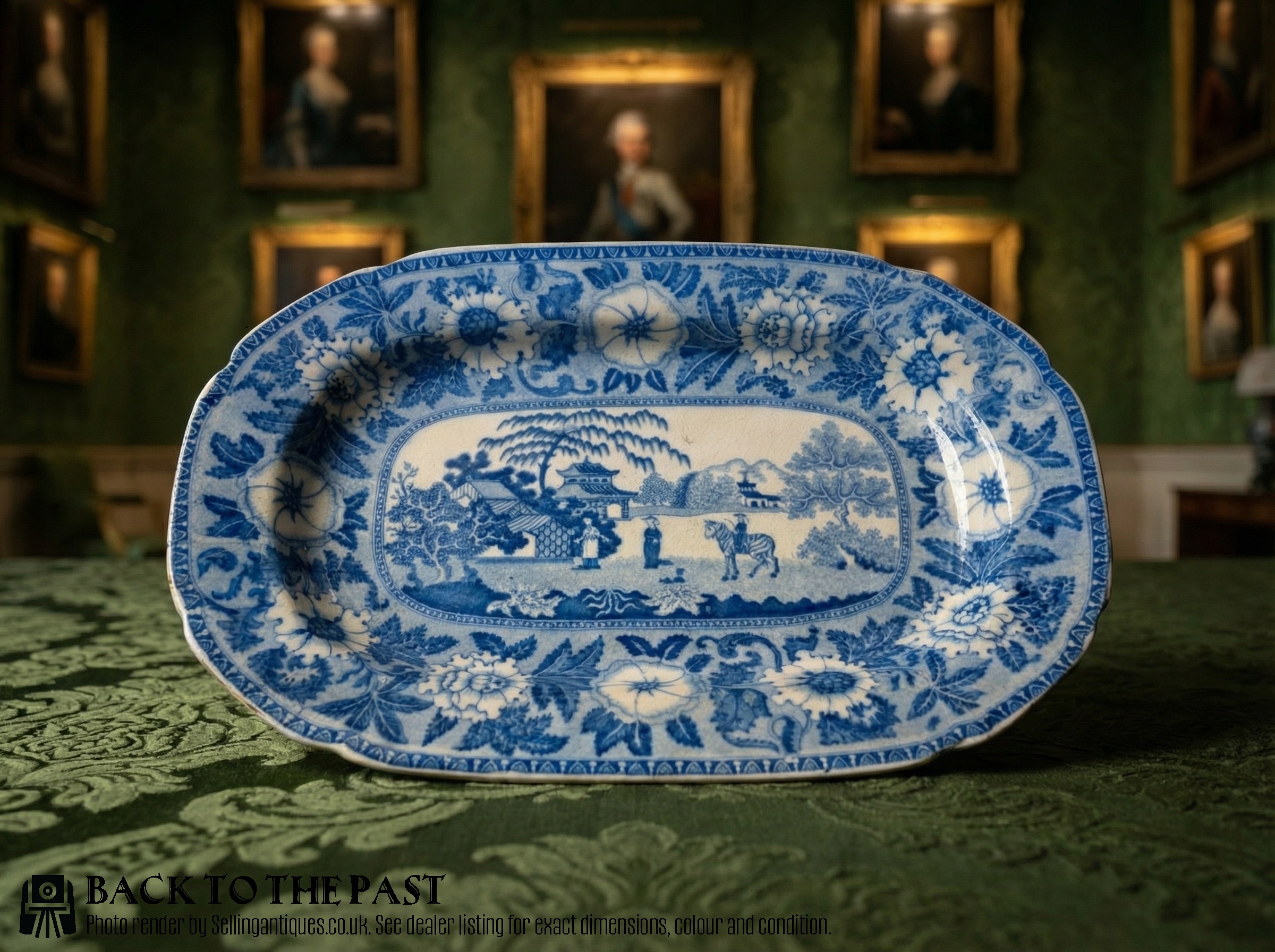
Techniques varied from intricate hand-painted fancy birds and transfer printing, such as the piping shepherd and zebra patterns, to traditional Japanese Imari glazing methods.
Cobalt Blue Oval Dish Retail Price Guide 2026
Typical asking prices for cobalt blue oval dish among the pieces listed under this phrase on Sellingantiques today, from the lower quarter to the upper quarter. They describe what is for sale here now, not the wider market.
Certain antique platters carry zebra patterns and piping shepherds, proving that even a Sunday roast once kept company with exotic wildlife.
What varies in quality
The distinction between standard domestic wares and superior examples rests in the crispness of the transfer print or the delicacy of the hand-painted brushwork. Cobalt pigment depth and glaze uniformity also play significant roles.
The application of gilding and gold leaf marks higher-tier pieces from factories like Sevres or Royal Crown Derby, separating everyday utility items from fine decorative objects.
Coalport·Sevres·Royal Crown Derby·Wedgwood
The Cobalt Blue Oval Dish Glossary
- Cobalt pigment
- A metallic oxide used to impart a deep blue colour to ceramics that remains stable at high kiln temperatures. It produces the characteristic rich hue seen on these dishes.
- Transfer printing
- A mechanical method of applying complex decorative patterns to pottery from an engraved copper plate via paper tissue. This technique allowed factories to mass-produce detailed pastoral scenes.
- Imari
- A style of Japanese porcelain featuring a distinct palette of cobalt blue, iron red, and gold. These pieces were widely exported and later copied by European potteries.
- Ironstone
- A heavy, durable type of earthenware patented in the 19th century to imitate porcelain. It provides exceptional strength for large serving platters and meat dishes.
Cobalt Blue Oval Dish: Frequently Asked Questions
What were cobalt blue oval dishes used for?
These dishes served primarily as serving platters, meat platters, and decorative table pieces for dining occasions. Smaller versions functioned as trinket boxes or salt cellars.
Over time, their roles shifted from everyday utilitarian tableware to prized display items collected for their vibrant blue decoration and historical craftsmanship.
How do I care for an antique ceramic dish?
Handle these pieces with care, avoiding dishwashers and harsh abrasive cleaners that can damage the glaze, transfer prints, and delicate gilding. Gentle hand washing in lukewarm water with mild soap is safest.
Display them securely on stable surfaces or use specialist plate hangers to prevent accidental slips and chips.
What is Japanese Imari porcelain?
Japanese Imari porcelain originates from the Edo period and is characterised by a striking palette combining deep cobalt blue underglaze with iron red and gold overglaze. European factories later drew heavy inspiration from these designs.
Authentic pieces show the distinct weight, paste, and pigment application typical of Japanese kilns from the Meiji period and earlier.