



Cobalt Blue Milk Jug
A cobalt blue milk jug brings a sharp jolt of rich colour to a table, combining practical service with striking nineteenth and eighteenth-century ceramic design.
Cobalt Blue Milk Jug
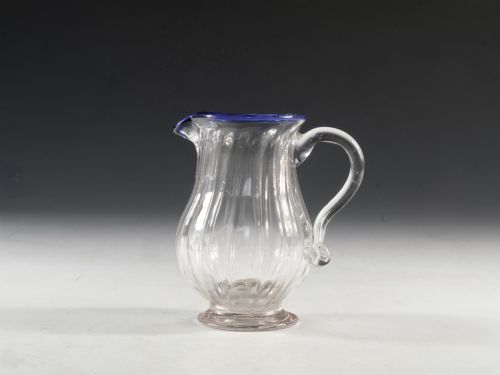
A cobalt blue milk jug is a small pouring vessel designed for cream or milk, emerging across the eighteenth and nineteenth centuries in various ceramic and glass forms. These pieces serve functional tea-table duties while displaying deep, intense blue tones achieved through cobalt oxide decoration.
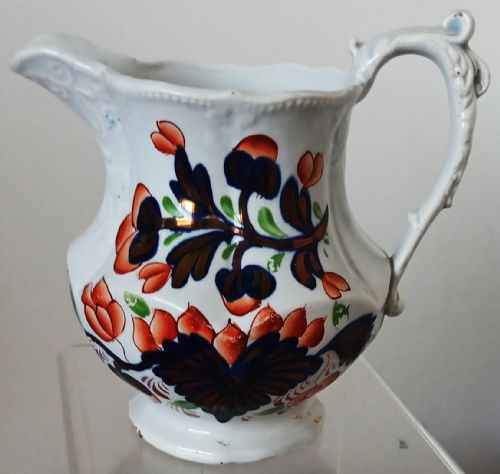
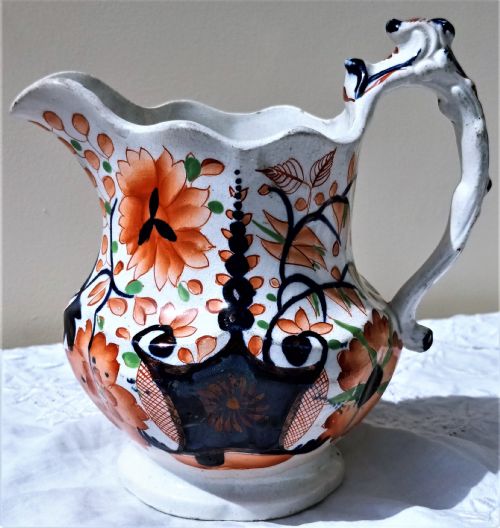
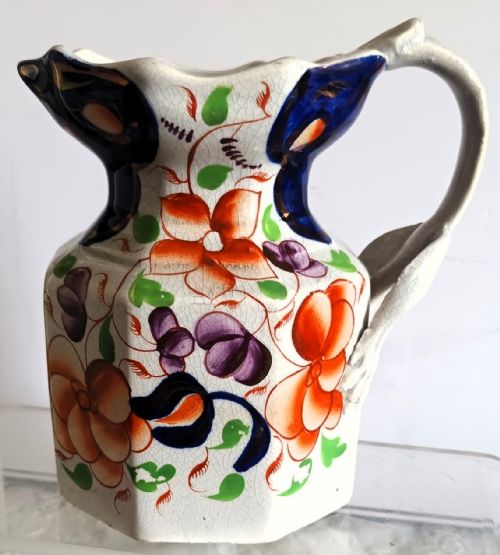
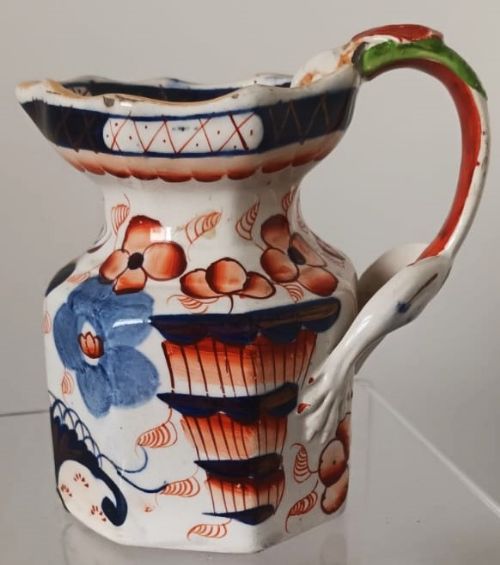
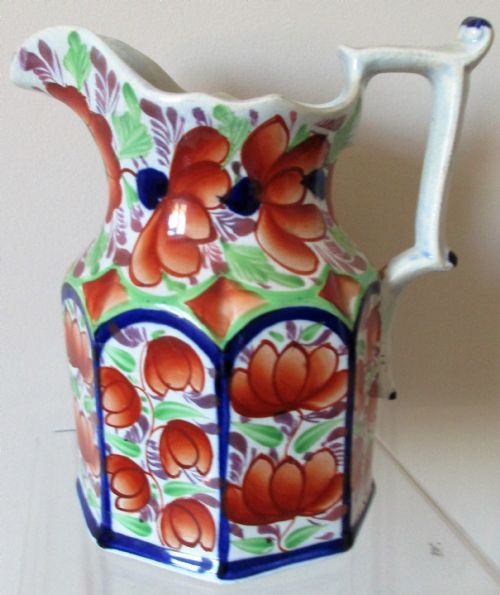
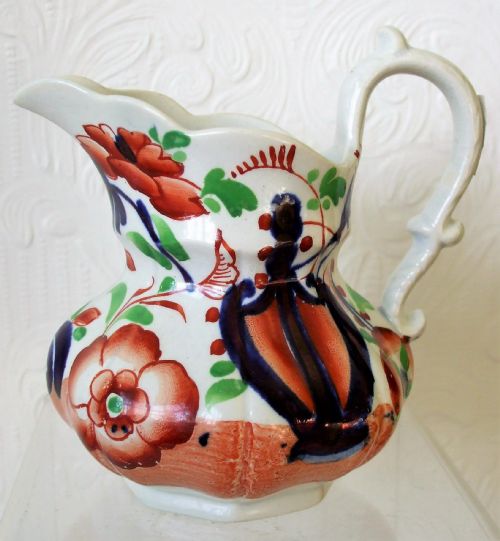
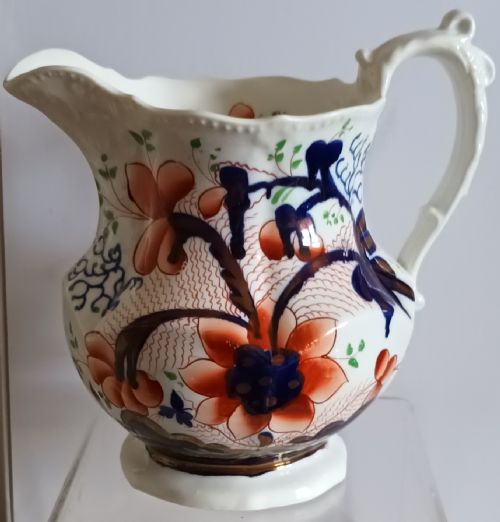
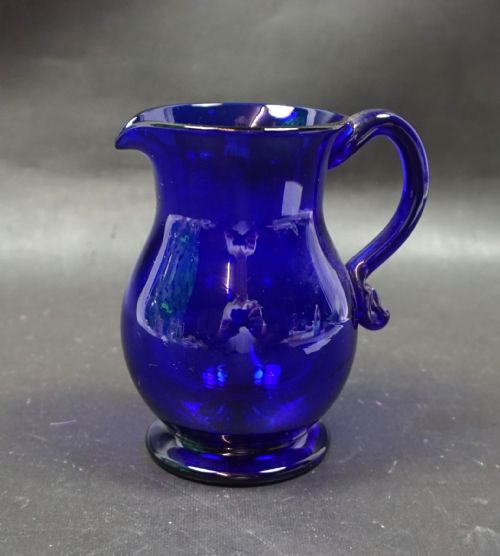
The versions most commonly met on this page include nineteenth-century Gaudy Welsh pottery jugs featuring named patterns like Pagoda, Gwent, and Conwy alongside earlier glass cream jugs. These encompass earthenware, porcelain, and lead glass bodies ranging from modest domestic creamers to decorative table pieces.
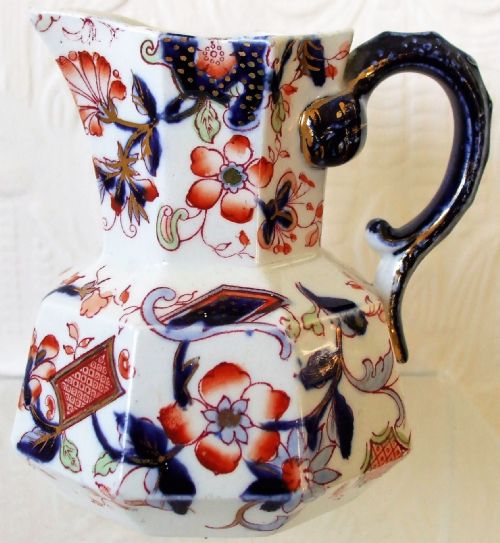
Makers and regional potteries such as Keeling and Co. and Mason's produced distinct hydra-shaped jugs and tea sets, reflecting the diverse manufacturing centres of the period. Buyers encounter both robust Staffordshire pottery and delicate lead glass examples spanning the Georgian and Victorian eras.
Assessing quality and execution
Quality in these jugs rests upon the crispness of the cobalt application and the precision of the pattern work, particularly in hand-painted Gaudy Welsh designs where brushwork defines the ornament. Finer pieces maintain clean lines and vibrant enamel adhesion without blurring.
The integrity of the material, whether translucent porcelain, refined earthenware, or clear lead glass with deep blue rims, dictates the sophistication of the vessel. Better examples display balanced proportions in handles and spouts, ensuring both visual weight and practical utility.
Keeling and Co.·Royal Davenport
The Cobalt Blue Milk Jug Glossary
- Gaudy Welsh
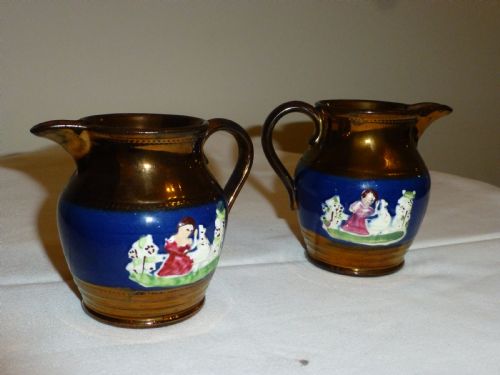
- A style of colourful pottery decorated with cobalt blue, copper lustre, and enamel paints, popular in the nineteenth century. These wares typically featured distinct pattern names like Pagoda or Gwent.
- Hydra jug
- A ceramic pitcher featuring a moulded reptile-like handle and an expanded rim reminiscent of classical forms. This shape was utilised by potteries such as Mason's and Keeling and Co.
- Copper lustre
- A metallic glaze finish producing a reflective, coppery sheen often combined with cobalt blue elements on nineteenth-century pottery. It added warmth and shine to domestic earthenware.
- Lead glass
- Glass manufactured with lead oxide added to the silica, creating a heavier material with high refractive qualities. It was used for early cream jugs featuring blue rims or body tints.
- Cream jug
- A small pouring vessel designed specifically for serving cream at the tea table, distinct from larger water or milk pitchers. These pieces form key components of antique tea sets.
Cobalt Blue Milk Jug: Frequently Asked Questions
What is a cobalt blue milk jug?
A cobalt blue milk jug is a small antique pouring vessel made from earthenware, porcelain, or glass, decorated with rich blue cobalt pigments.
These jugs were produced during the Georgian and Victorian periods primarily for serving milk or cream during tea service.
How do I date a Gaudy Welsh jug?
Gaudy Welsh jugs are generally dated to the nineteenth century, identified by their characteristic cobalt blue, copper lustre, and painted enamel decoration.
Specific pattern names such as Pagoda or Conwy help historians and collectors narrow down the period of manufacture within the Victorian era.
What is a hydra jug?
A hydra jug is a specific ceramic pitcher shape featuring an angled spout and a characteristic scroll or reptile-inspired handle.
Potters like Mason's and Keeling and Co. produced these pieces in porcelain and earthenware during the nineteenth century.
Can I use an antique cream jug daily?
Antique cream jugs made of pottery, porcelain, or glass can handle careful, gentle use for serving milk or cream at the table.
Hand washing is essential to preserve the delicate enamels, copper lustre, and cobalt decorations found on these eighteenth and nineteenth-century pieces.