


Cobalt Blue Imari Jar
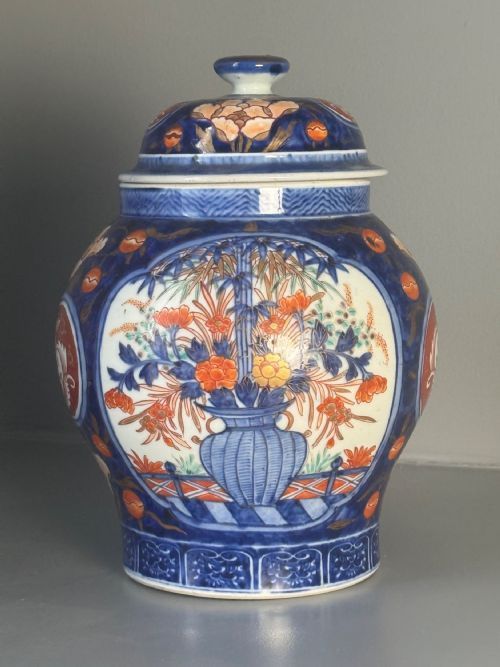
A cobalt blue imari jar brings together rich cobalt pigment and iron red on porcelain, offering a striking display piece from past centuries.
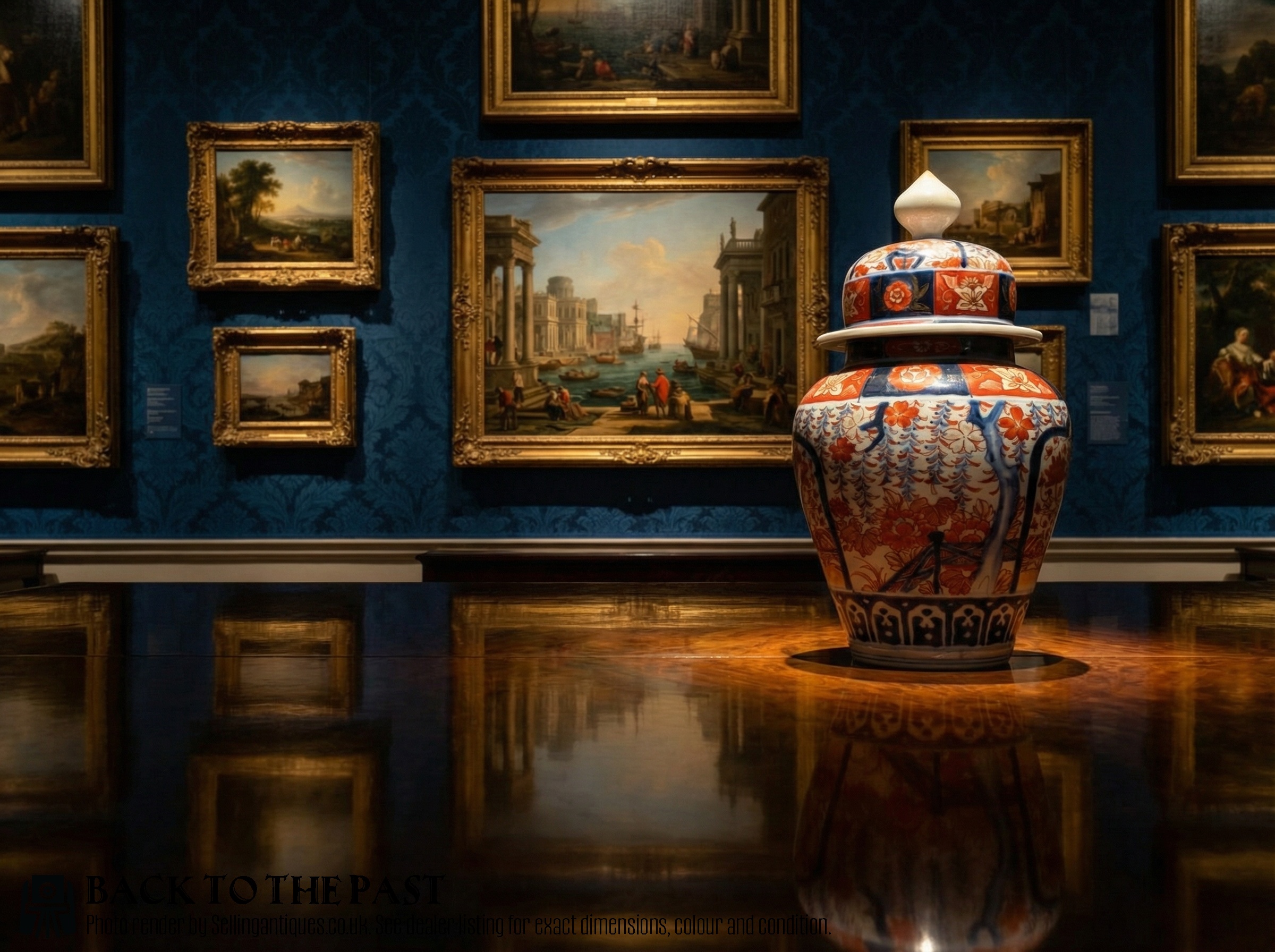
Cobalt Blue Imari Jar
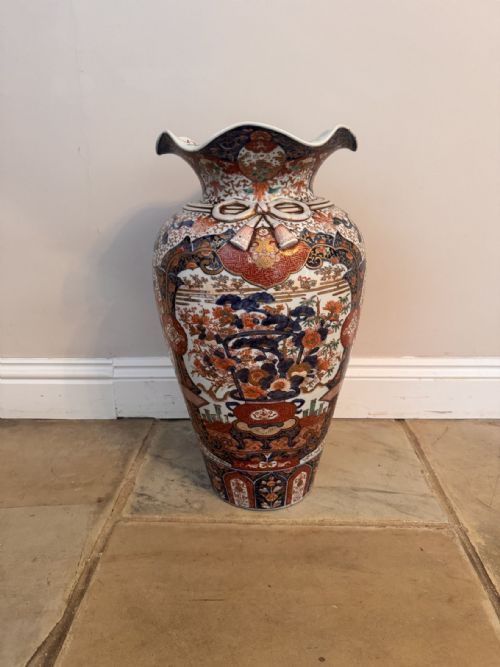
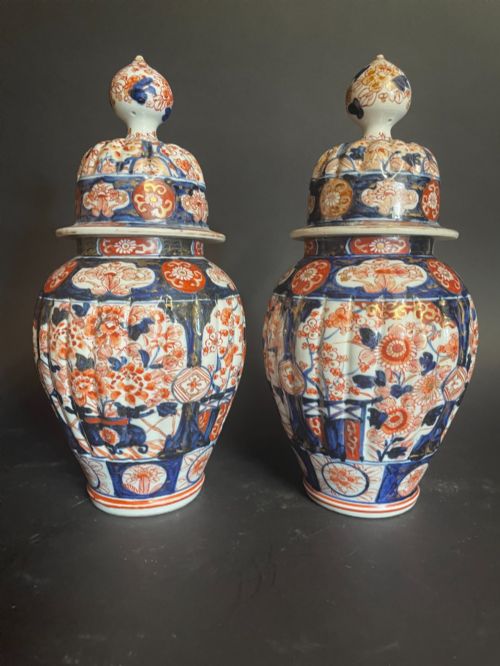
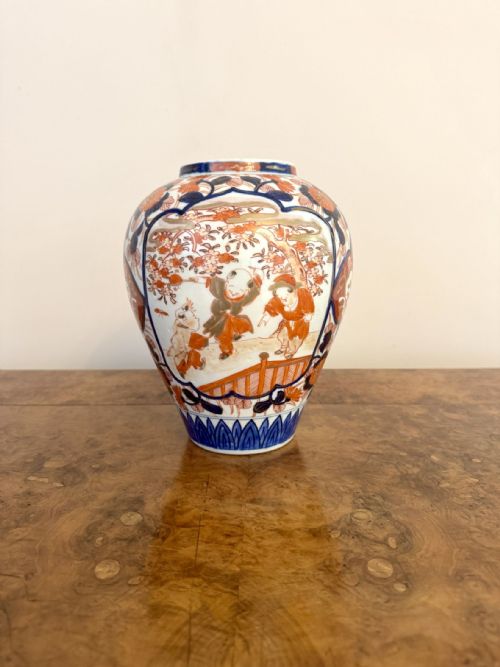
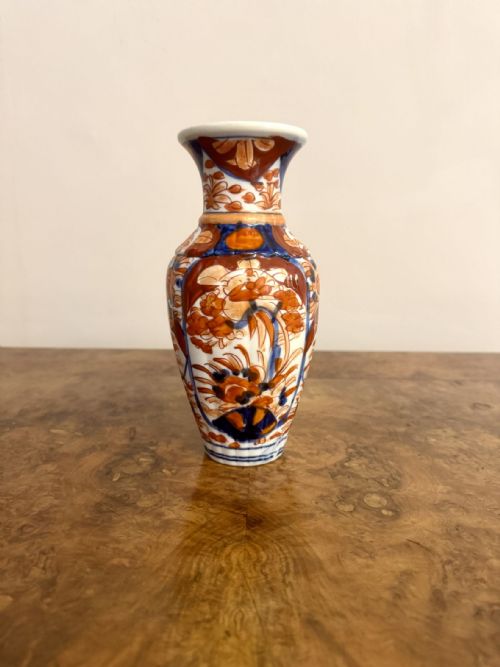
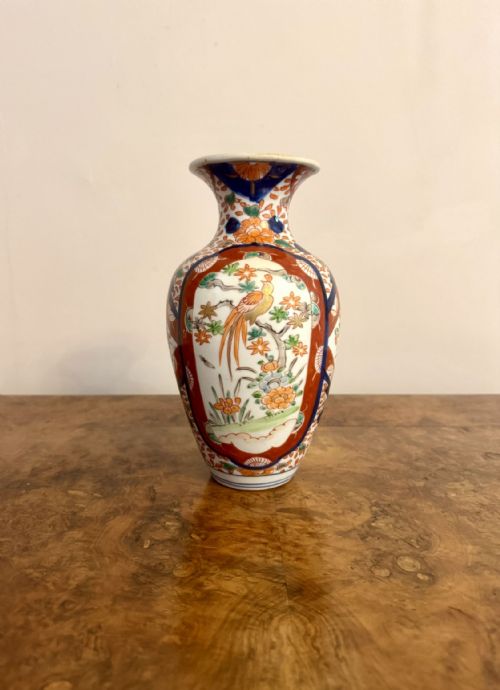
When you search for a cobalt blue imari jar, you encounter traditional ceramic vessels originating primarily from Japan during the Edo and Meiji periods, alongside later British interpretations. The selection frequently includes covered ginger jars, baluster vases, and lidded urns decorated in the distinctive imari palette.
These items span several centuries of production, ranging from late seventeenth-century Arita wares to nineteenth-century Japanese exports and early twentieth-century Edwardian pieces. Forms vary from octagonal and hexagonal shapes to fluted bodies and double gourde profiles.
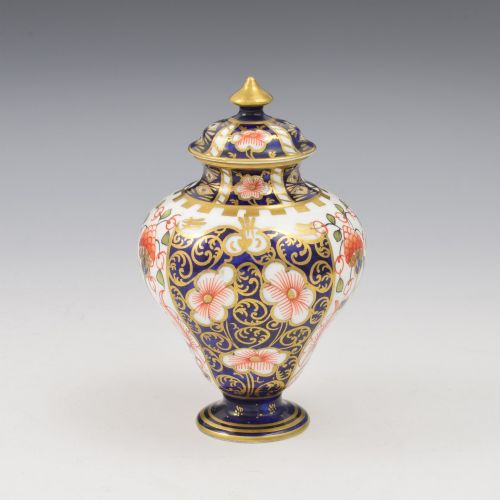
Japanese examples dominate the selection, often dated to the nineteenth century, while British makers such as Royal Crown Derby and Mason's Ironstone provide parallel interpretations in porcelain and ironstone.
How they were made
Potters shaped porcelain and ceramic bodies by hand or on the wheel before applying underglaze cobalt blue pigment and overglaze enamel colours. Gilding and gold leaf accents were frequently added during subsequent firings to enhance the rich surface design.
The glazing technique seals the ceramic body beneath a glossy, protective coat that preserves the vibrant iron red and cobalt blue pigments over centuries. Ironstone pieces utilise a dense, opaque earthenware body designed for durability while maintaining refined decorative surfaces.
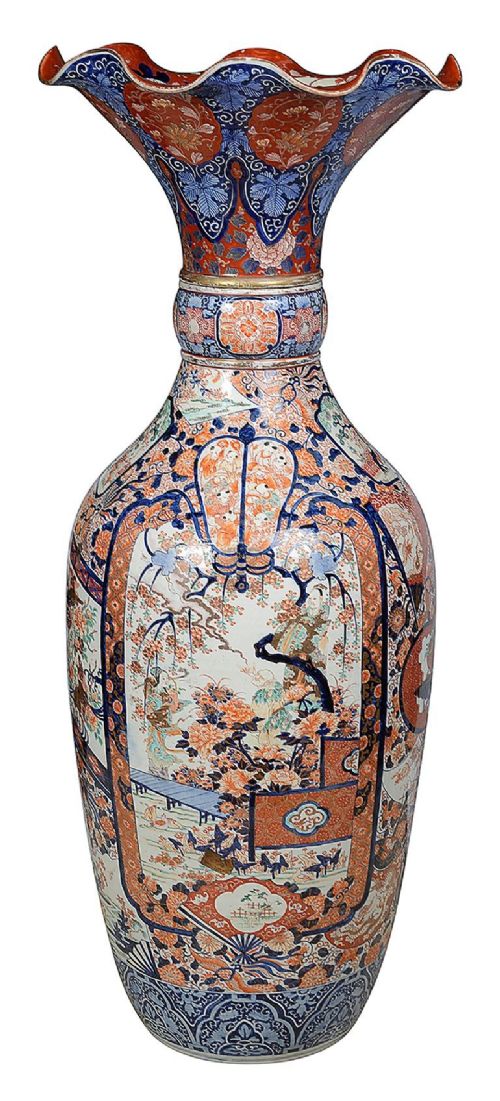
Some towering floor vases stand nearly five feet tall, demanding more floor space than a growing teenager.
What varies in quality
The precision and depth of the hand-painted cobalt blue and enamel detailing separate finer vessels from simpler production. Crisp execution in the floral and panel motifs indicates superior craftsmanship.
The weight, symmetry, and preservation of the porcelain body and matching covers dictate the standing of an individual jar or vase within its period.
Royal Crown Derby·Mason's Ironstone·Samson
The Cobalt Blue Imari Jar Glossary
- Imari palette
- A traditional decorative scheme utilising deep cobalt blue, iron red, and gilt highlights on a white ceramic background. This distinctive colour combination originated in Japan and was later copied by European potteries.
- Ginger jar
- A ceramic container characterised by a bulbous body and a high-domed cover. Originally utilised for storing spices, these vessels became popular decorative objects.
- Baluster
- A vase shape featuring a rounded lower body that tapers towards the neck, often resting on a wider base. This profile appears frequently in seventeenth and nineteenth-century ceramic designs.
- Arita
- A Japanese town renowned as the birthplace of Japanese porcelain production. Kilns in this region produced the original wares exported to Europe.
- Ironstone
- A heavy, durable type of ceramic developed in Britain as a robust alternative to porcelain. It accepts enamels and gilding effectively.
Cobalt Blue Imari Jar: Frequently Asked Questions
How do I date a Japanese imari jar?
Dating relies on stylistic markers, potting techniques, and the characteristic depth of the cobalt blue and iron red pigments. Seventeenth and eighteenth-century examples display different potting weights and glaze characteristics compared to late nineteenth-century Meiji period pieces.
Examining the foot ring and any associated wear patterns provides additional context regarding the age and origin of the ceramic body.
Were these jars used to store food?
While many forms originated as functional containers for spices, ginger, or dry goods, those surviving today primarily served decorative purposes in domestic interiors. Lidded jars and ginger jars functioned as garniture sets on mantelpieces or cabinets.
Over time, their role shifted entirely towards display, particularly as export wares reached European homes during the Edo and Meiji periods.
How do I care for antique porcelain?
Maintenance requires gentle dusting with a soft, dry cloth to protect fragile overglaze enamels and gilding. Avoid using chemical cleaners or immersing antique ceramics in water.
Display the pieces away from direct sunlight and areas subject to temperature fluctuations to preserve the glaze and iron red pigments.
What is the difference between Japanese and British imari?
Japanese imari originates from kilns in the Arita region, utilising traditional porcelain bodies and specific cobalt and iron red mineral pigments developed during the Edo and Meiji periods. British interpretations, such as those by Royal Crown Derby and Mason's Ironstone, adapt these decorative motifs onto domestic porcelain and ironstone bodies during the nineteenth and twentieth centuries.
Both traditions employ the signature palette, but the underlying ceramic material and manufacturing techniques reflect their respective geographic origins.