



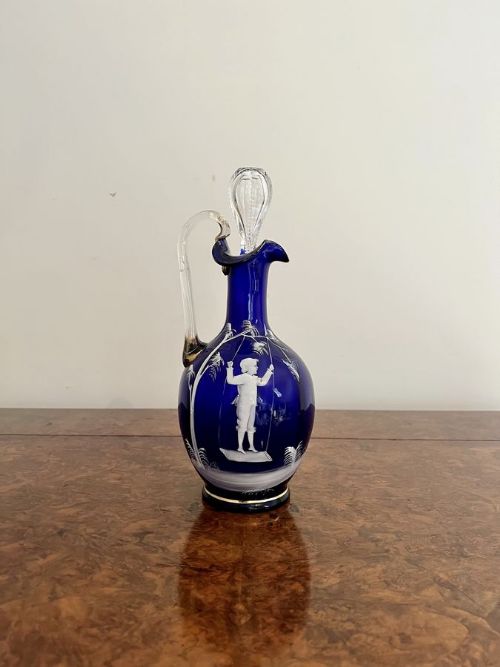
Cobalt Blue Glass Decanter
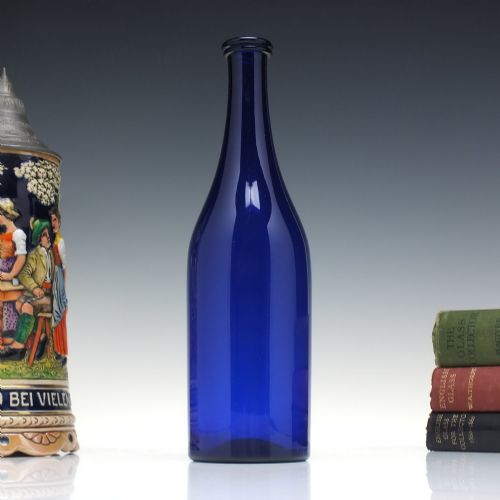
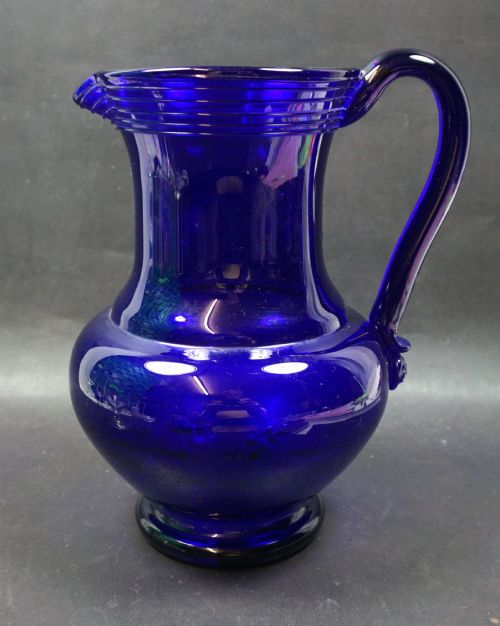
A cobalt blue glass decanter brings intense colour and rich historic character to a dining table or cabinet.
Cobalt Blue Glass Decanter
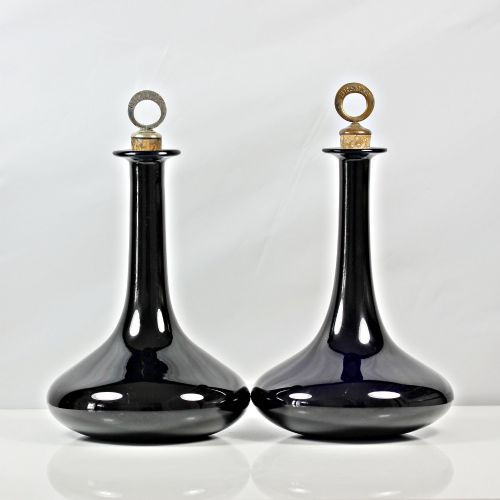
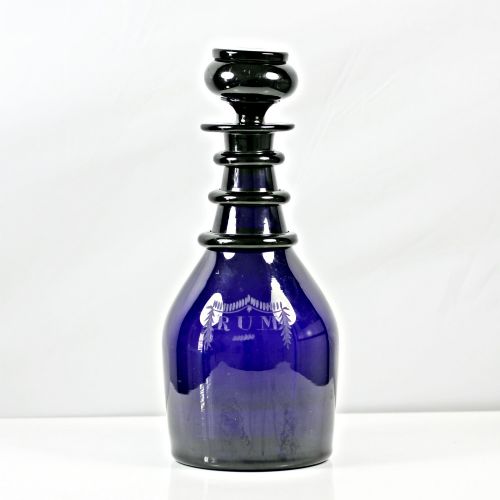
A cobalt blue glass decanter is a striking piece of glassware designed to hold wine, spirits, or other liquids while serving as a vibrant decorative object. When you search for a cobalt blue glass decanter, you encounter pieces originating from the Georgian, Victorian, and Edwardian eras, alongside later Art Deco designs.
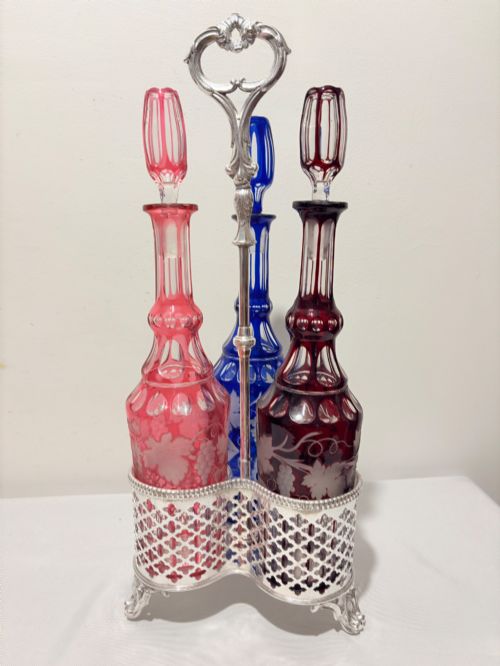
Buyers will also find associated items such as decanter stands and apothecary bottles sharing the same deep blue palette. These vessels range from simple utilitarian serving bottles to highly ornate, hand-painted and enameled creations.
Materials and construction
These vessels rely on cobalt glass as the primary medium, utilising metallic oxides to achieve a deep, translucent blue hue. Many examples demonstrate hand-blown manufacturing techniques, leaving subtle irregularities that mark traditional craftsmanship.
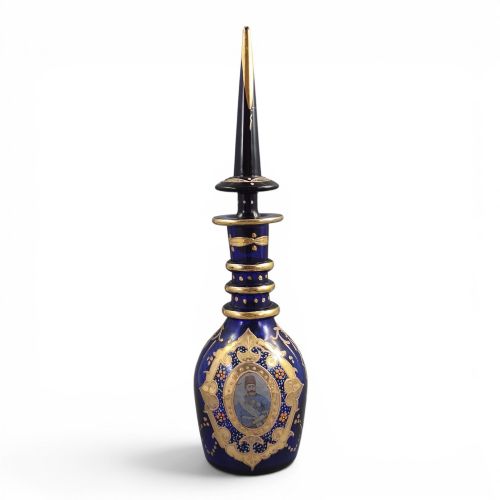
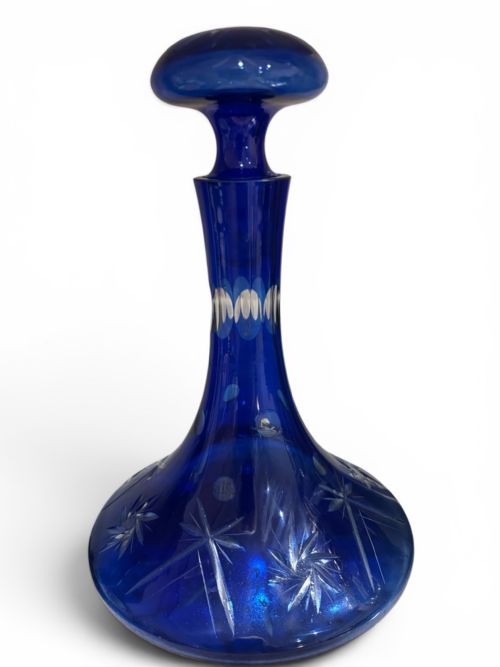
Decoration often includes hand-painted enamel, gilding with gold leaf, and intricate cut glass detailing across the body. Necks and mounts frequently incorporate silver plate or metal fittings, sometimes paired with original cork stoppers.
Cobalt Blue Glass Decanter Retail Price Guide 2026
Typical asking prices for cobalt blue glass decanter among the pieces listed under this phrase on Sellingantiques today, from the lower quarter to the upper quarter. They describe what is for sale here now, not the wider market.
Some nineteenth-century bottles kept their contents a secret behind bold white apothecary labels.
Factors that define quality
Quality in these pieces rests upon the depth and clarity of the cobalt glass itself, alongside the precision of any cut glass facets. Earlier Georgian and Victorian examples often display superior weight and hand-finished nuances compared to later mass-produced items.
The refinement of decorative elements such as enamel work, gold leaf application, and silver mounts distinguishes standard serving vessels from exceptional cabinet pieces. Preserved original hardware, labels, and matching stoppers further elevate an individual piece.
The Cobalt Blue Glass Decanter Glossary
- Mell decanter
- A mallet-shaped decanter with a broad base and tapered shoulders, commonly produced in the Georgian and Victorian periods.
- Bristol blue
- A deep cobalt blue glass traditionally associated with the glasshouses of Bristol during the eighteenth and nineteenth centuries.
- Ring decanter
- A vessel featuring horizontal rings applied around the neck to provide a secure grip when pouring.
- Enamel
- Opaque glass paste applied to the surface of the vessel and fired to create raised, colourful decorative patterns.
- Apothecary bottle
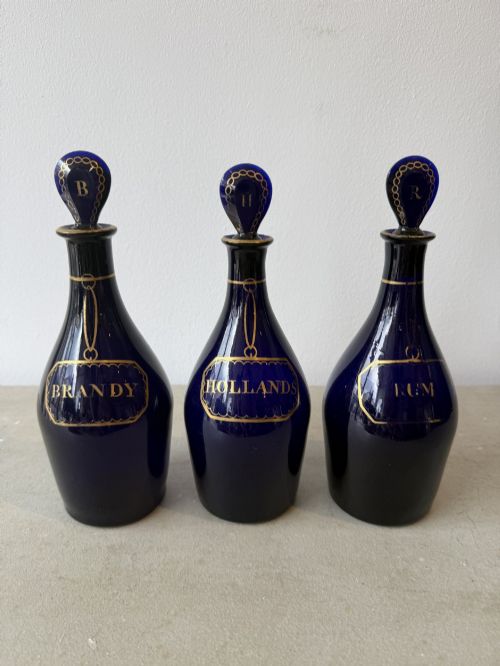
- A utilitarian glass container originally used by chemists and druggists, often fitted with a painted paper or glass label.
Cobalt Blue Glass Decanter: Frequently Asked Questions
How do I date a blue glass decanter?
Dating relies on observing the pontil mark on the base, the shape of the neck rings, and the overall silhouette of the vessel. Georgian and Victorian pieces often show distinct hand-blown characteristics and specific neck formations.
Associated mounts, such as silver plate or applied labels, also provide helpful chronological markers that correspond to known manufacturing periods.
Were these decanters meant for daily use?
Many nineteenth-century vessels served practical functions on dining tables, holding wine, rum, or whiskey for guests. Sturdier forms with thick bases were built to withstand regular handling and washing.
Finer decorated examples, particularly those with delicate gold leaf or enamel, likely spent more time displayed on sideboards or in cabinets.
What is a mell decanter?
A mell decanter takes its name from its mallet-like profile, featuring a wide, heavy bottom that offers stability on a ship or a dining table. This shape was particularly popular during the Georgian and early Victorian eras.
Their sturdy construction made them well suited for storing and serving spirits such as Irish whiskey or rum.
How do I clean an old glass decanter?
Cleaning requires patience and gentle methods to preserve the integrity of the glass and any interior residue. Warm water and soft cleaning beads are typically sufficient for removing old stains without scratching the interior.
Harsh chemicals and abrasive brushes should be avoided, particularly on pieces with gilt highlights or delicate enamel work.