
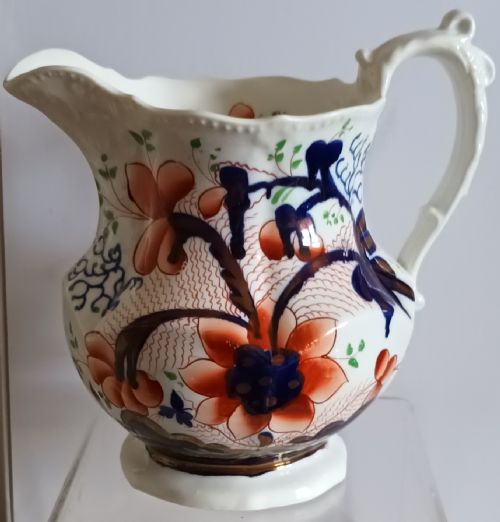


Cobalt Blue Earthenware Jug
A cobalt blue earthenware jug brings rich, deep colour and historical weight to a room, offering both practical pouring form and striking display presence.

Cobalt Blue Earthenware Jug
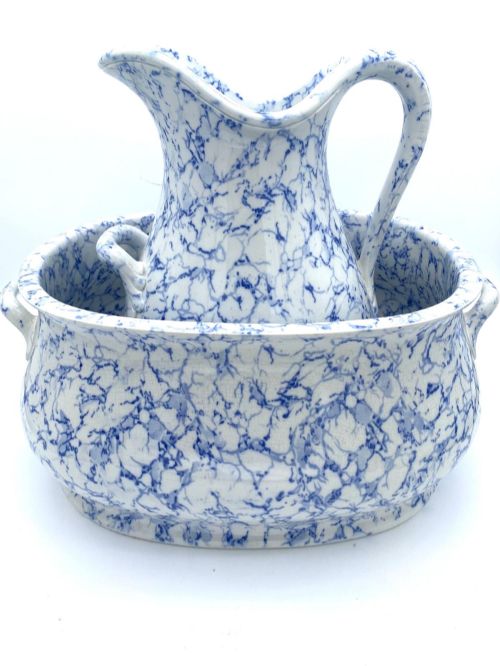
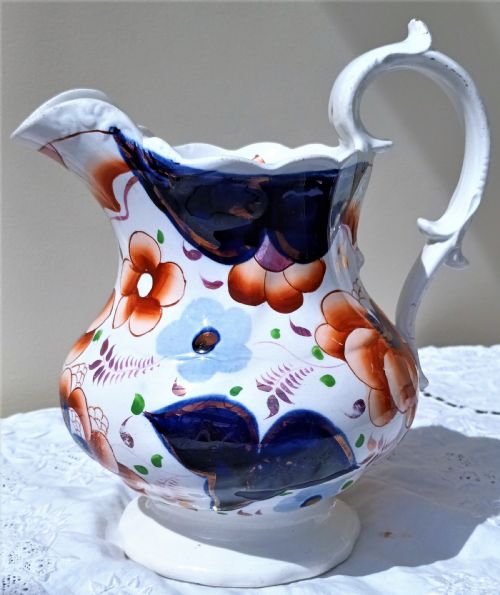
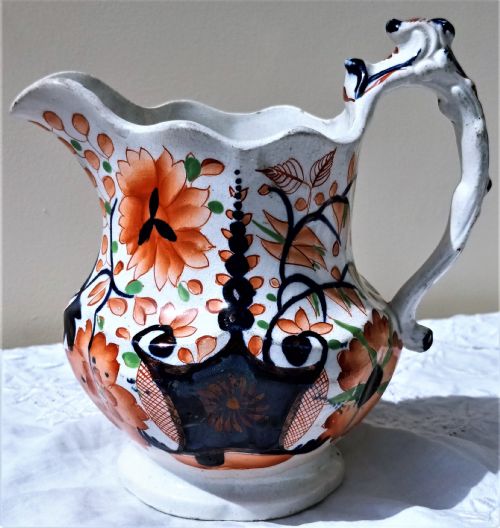
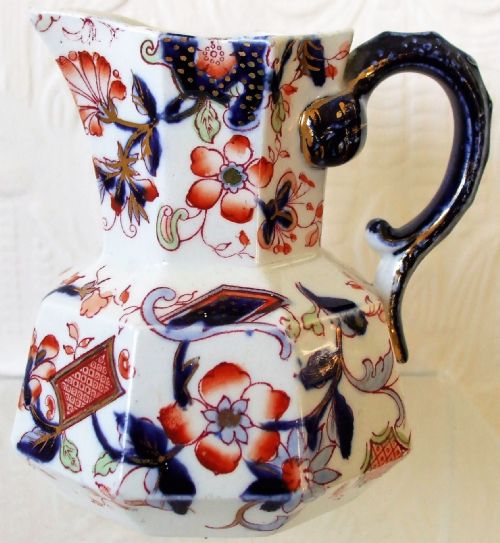
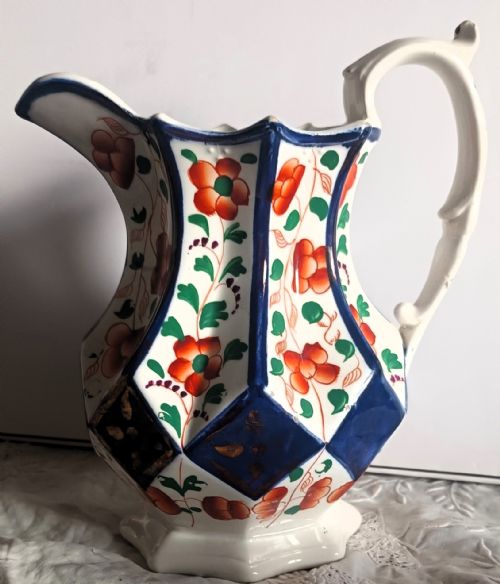
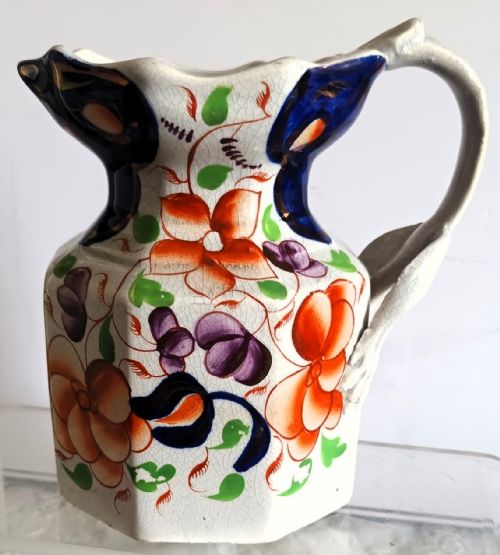
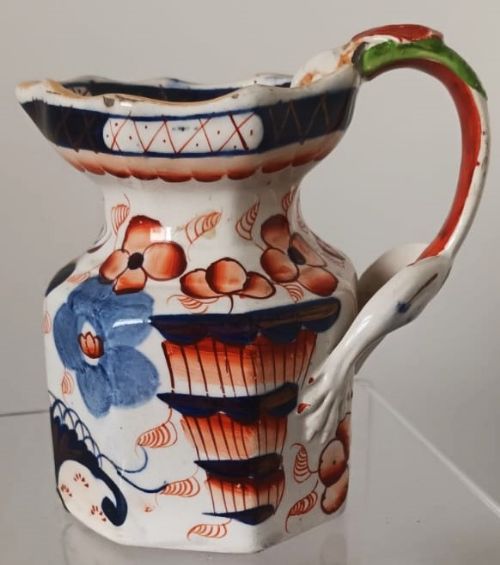
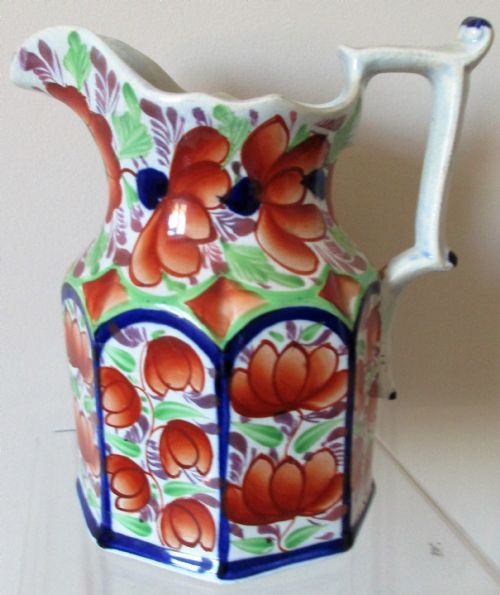
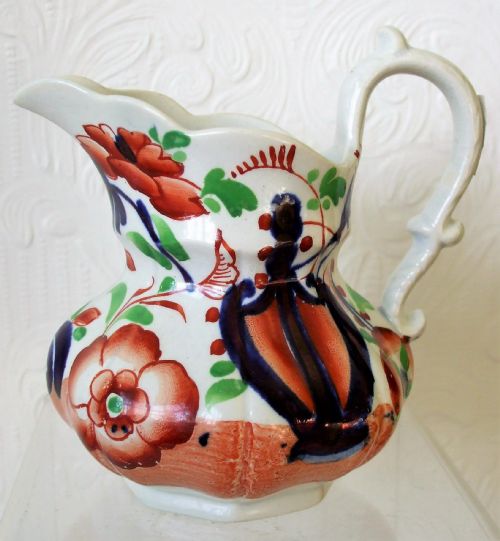
When you search for a cobalt blue earthenware jug, you encounter vessels shaped for pouring liquids or standing as decorative pieces, spanning periods from the eighteenth century through the nineteenth century. These items include pitchers, footbath jugs, wash sets, and wall plaques alongside standard pouring vessels.
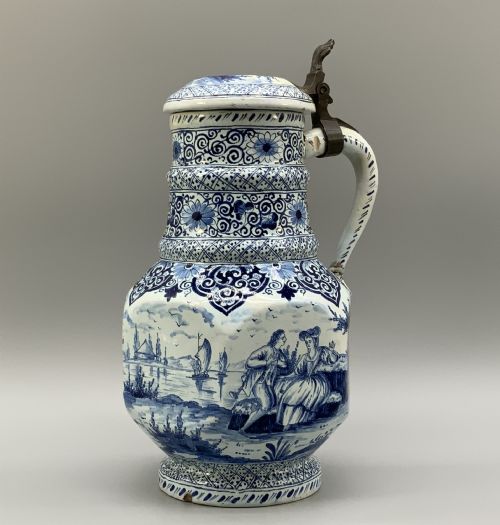
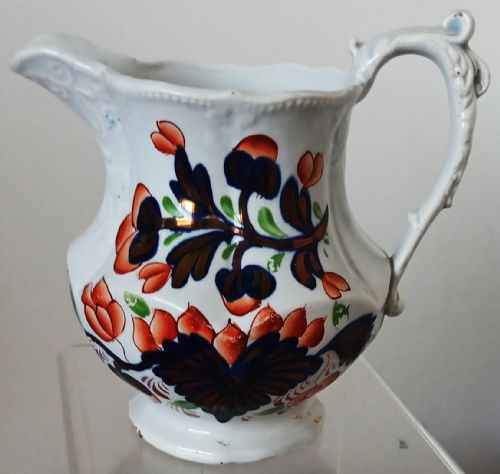
The styles range across Georgian, Regency, Victorian, and Dutch Delftware traditions, reflecting domestic use and ornamental design over successive eras. You will frequently meet nineteenth-century pieces carrying distinct regional patterns alongside earlier Delftware examples.
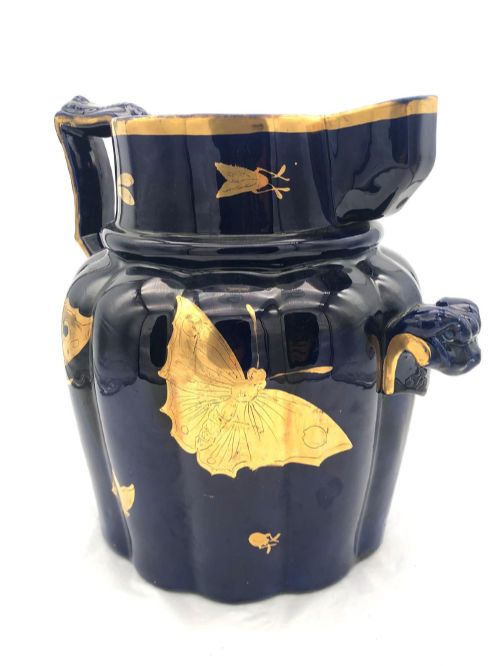
Makers and potteries produced these forms in earthenware, tin-glazed earthenware, and ceramic bodies, often decorated with enamel and copper lustre accents. The survival of these vessels demonstrates the enduring appeal of deep blue ceramic glazes in domestic interiors.
How they were made
Potters shaped these vessels from earthenware and ceramic bodies, applying glazes that reacted to firing to produce deep blue tones. Many examples incorporate tin-glazing or enamel decoration painted directly onto the surface before a final kiln stage.
Some pieces feature copper lustre additions or pewter lids fitted to earthenware bodies, combining metalwork with ceramic forming techniques. Transfer printing also appears on nineteenth-century examples to apply complex architectural and pictorial patterns.
Listings feature earthenware, ceramic, and tin-glazed earthenware bodies decorated with enamel, copper lustre, and cobalt blue glazes across multiple centuries.
What varies in quality
The strength and depth of the blue glaze set standard vessels apart from finer examples, alongside the crispness of painted or transfer-printed patterns. Early Delftware pieces rely on hand-painted brushwork quality, whereas later nineteenth-century items depend on the precision of the pattern transfer and enamel application.
Form and proportion dictate the visual balance of the piece, from standard pouring jugs to larger footbath jugs and salesman's sample plaques. The presence of original mounts, such as pewter lids on eighteenth-century examples, influences the overall character of the piece.
Keeling & Co.·Minton
The Cobalt Blue Earthenware Jug Glossary
- Earthenware
- Porous pottery fired at lower temperatures than stoneware or porcelain. It requires a glaze to hold liquids effectively.
- Tin-glazed earthenware
- Pottery coated with a glaze containing tin oxide, which dries opaque white and provides a smooth surface for painting.
- Copper lustre
- A metallic glaze finish applied to pottery to create a coppery sheen. It often highlights rims, handles, and decorative borders.
- Transfer printing
- A method of applying complex decorative patterns to ceramic surfaces using engraved copper plates and tissue paper.
- Dutch Delftware
- Tin-glazed earthenware produced in the Netherlands, famous for cobalt blue painting influenced by imported Chinese porcelain.
Cobalt Blue Earthenware Jug: Frequently Asked Questions
How do I date a blue earthenware jug?
Dating relies on stylistic clues, glaze characteristics, and potting techniques. Eighteenth-century examples often show tin-glazing and hand-painted motifs, while nineteenth-century pieces frequently display transfer printing or specific regional patterns.
Examining the base, wear patterns, and manufacturing marks helps narrow down the period. Comparing the shape to documented examples from periods like the Georgian or Victorian eras provides further clarity.
What is the difference between a jug and a pitcher?
The terms are often used interchangeably, but historically a jug implies a smaller vessel with a single handle and a lip for pouring liquids. A pitcher typically refers to a larger container designed to hold and serve generous amounts of liquid.
In antique listings, both forms appear under various names depending on regional terminology. Functionally, both serve decorative and serving roles in domestic settings.
Can I use an antique earthenware jug for serving liquids?
Using antique earthenware for daily service requires caution due to the porous nature of the ceramic body and potential hairline cracks. Older glazes, particularly on eighteenth-century pieces, may not meet modern food safety standards.
Most collectors prefer to display these items or use them strictly for dry floral arrangements. Gentle handling preserves the glaze and any delicate enamel or lustre decoration.
How should I display a cobalt blue jug?
Displaying these pieces benefits from natural light that highlights the depth of the cobalt glaze and any painted patterns. Placing them on open shelving, in cabinets, or on sturdy side tables allows the rich blue colour to anchor a room's palette.
Keeping them away from direct heat sources and high-traffic edges protects the ceramic body from accidental knocks. Grouping jugs of varying sizes and periods creates a striking visual arrangement.