





Cobalt Blue Decorative Dish
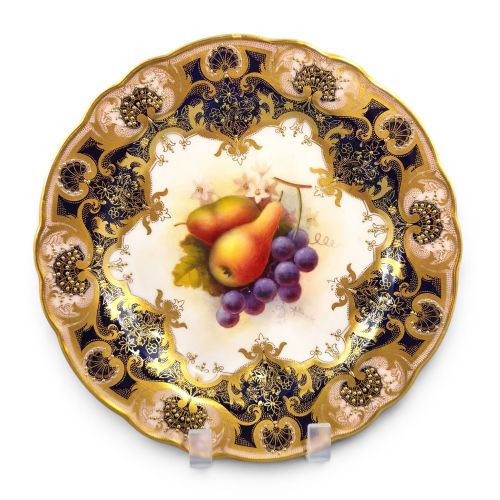
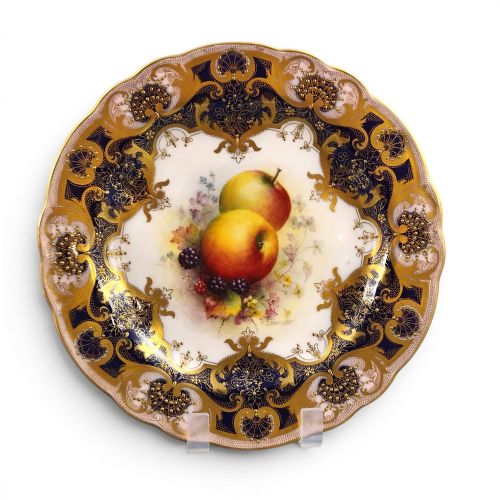
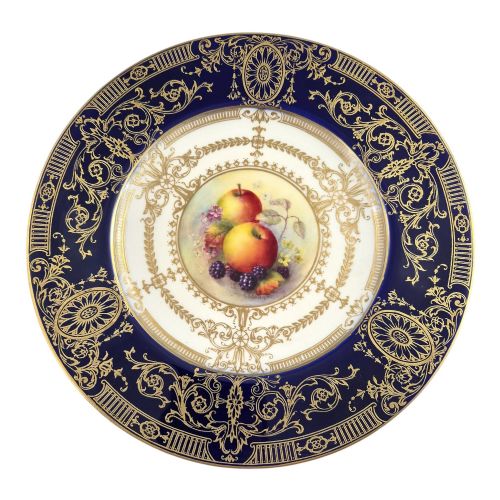
A cobalt blue decorative dish brings rich cobalt tones and intricate painted detail to a tabletop or cabinet.
Cobalt Blue Decorative Dish
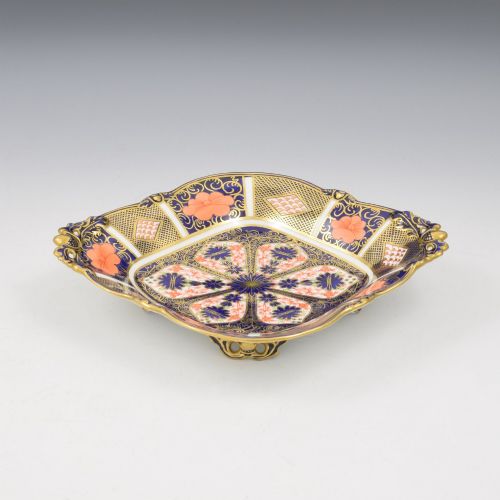
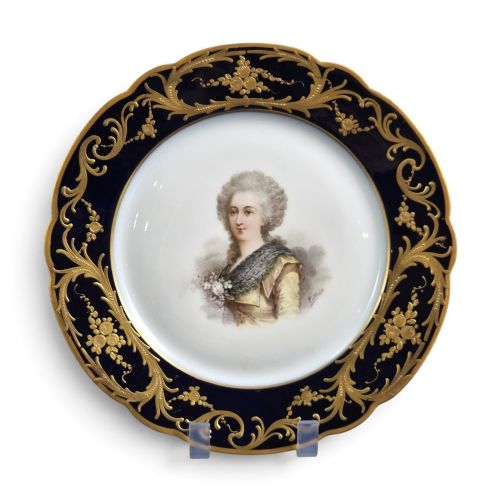
A cobalt blue decorative dish encompasses items intended for display rather than daily service, spanning cabinet plates, chargers, bowls, and platters. When searching this phrase, a buyer encounters everything from nineteenth-century English porcelain to Japanese Imari porcelain and earthenware.
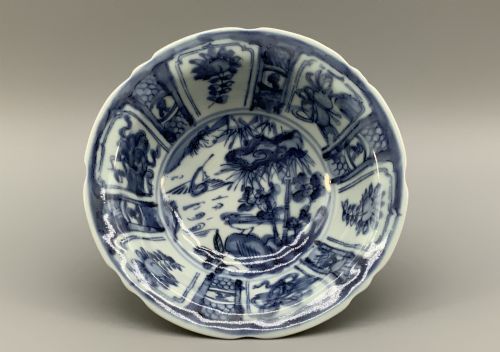
The selection ranges across the eighteenth, nineteenth, and twentieth centuries, featuring British, French, Chinese, and Japanese origins. Forms vary from scalloped edges and shell shapes to large circular chargers and footed bowls.
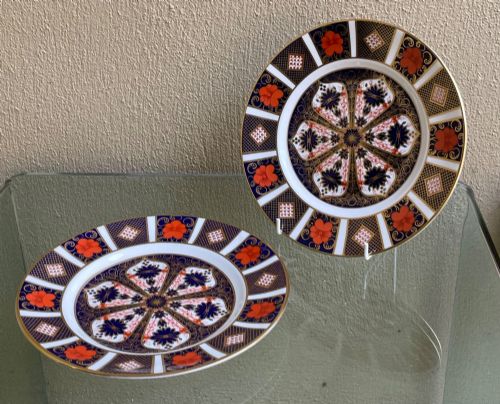
Stylistic influences stretch from traditional Japanese Imari and Qing Dynasty aesthetics to European Art Deco, Victorian patterns, and Georgian blue and white transferware. Pieces often served to display wealth or decorate grand interiors.
How they were made
Potters utilised porcelain, bone china, earthenware, ironstone, and faience as the base bodies for these pieces. Cobalt oxide provided the intense blue pigment, which was painted directly onto the clay body or over a white slip before firing.
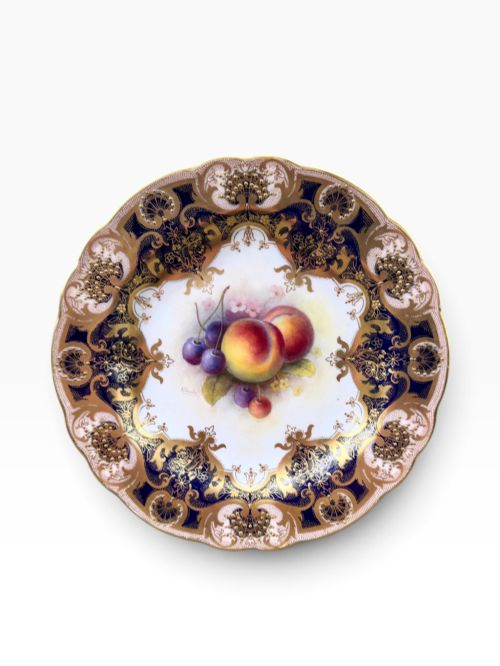
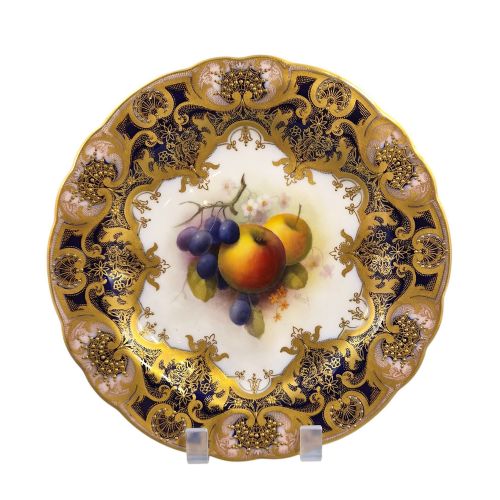
Glaze sealed the pigment, creating a glossy surface that protected the painted designs. Gilding, gold leaf, and enamel were frequently added over the glaze and fired a second time to catch the light.
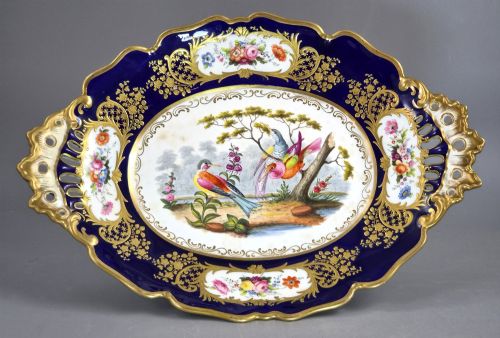
Piping shepherds and fancy birds populate nineteenth-century surfaces, proving that antique dishes loved a theatrical cast as much as we do.
What varies in quality
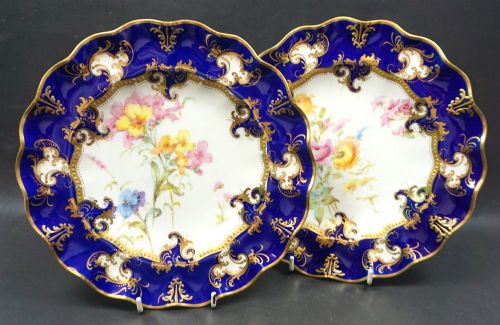
The precision of the hand-painted brushwork separates standard production items from masterworks, particularly in detailed floral motifs, portraits, and transferware scenes. The depth and saturation of the cobalt glaze also indicate the skill involved in firing the piece.
The crispness of moulded details, such as scalloped edges, lobed bodies, and footed bases, demonstrates the care taken during shaping. Maker attribution, artist signatures, and the condition of supplementary gilding further distinguish the upper tier of objects.
Royal Crown Derby·Royal Worcester·John Davenport of Longport·New Hall Porcelain
The Cobalt Blue Decorative Dish Glossary
- Charger
- A large decorative plate or dish, typically measuring over twelve inches in diameter, designed for display on a sideboard or wall rather than for serving food.
- Imari
- A style of Japanese porcelain featuring a palette of cobalt blue and iron red, often augmented with gold leaf and other colours. It originated in the Edo period and inspired many European copies.
- Transferware
- Pottery or porcelain decorated by printing a design from an engraved copper plate onto tissue paper, which was then transferred onto the ceramic body before glazing.
- Gilding
- The application of gold leaf, gold dust, or a gold-coloured preparation to the surface of ceramics to highlight rims, handles, or painted motifs.
- Faience
- European tin-glazed earthenware, particularly that produced in France and other continental regions during the eighteenth and nineteenth centuries.
Cobalt Blue Decorative Dish: Frequently Asked Questions
How do I display a large charger plate safely?
Large chargers and decorative plates suit sturdy plate stands placed on sideboards or mantelpieces. Wall mounting requires specialist wire hangers designed to distribute the weight evenly across the rim without causing stress to the ceramic body.
Ensure the display location avoids direct sunlight and heavy foot traffic that might cause vibrations. For bowls and footed dishes, secure placement on flat, level surfaces prevents accidental tipping.
How do I tell Japanese Imari from European copies?
Japanese Imari pieces from the Meiji or Edo periods generally feature distinct clay bodies, unglazed foot rings, and hand-painted cobalt blues that show subtle pooling beneath the glaze. The iron red and gold highlights tend to sit slightly proud of the surface.
European factories like Royal Crown Derby produced derivative patterns on bone china or porcelain bodies that reflect Western manufacturing techniques. Examining the weight, translucency, and base marks often clarifies the origin.
What does transferware mean on a listing?
Transferware describes pottery decorated using a printed copperplate technique rather than freehand brushwork. A master engraver cut the pattern into a copper plate, inked it, and transferred the design onto the ceramic body via paper.
This method allowed factories to produce intricate pictorial scenes, such as temple views or pastoral landscapes, with remarkable consistency across multiple plates and platters.