



Cobalt Blue Arita Jars
Cobalt blue arita jars are striking Japanese ceramic vessels prized for their deep underglaze colour and rich decorative palettes.
Cobalt Blue Arita Jars
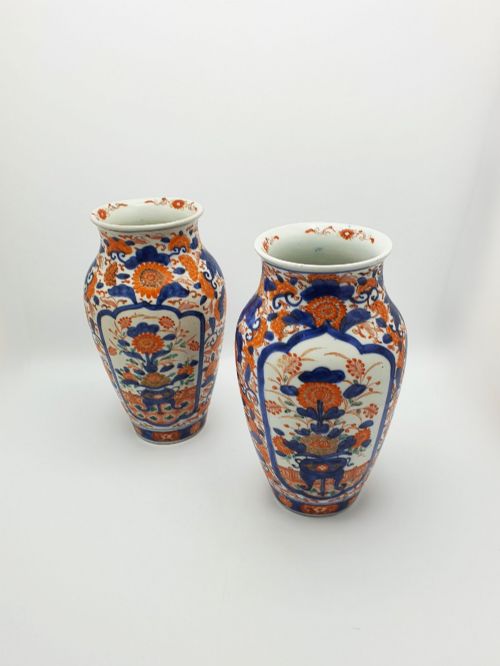
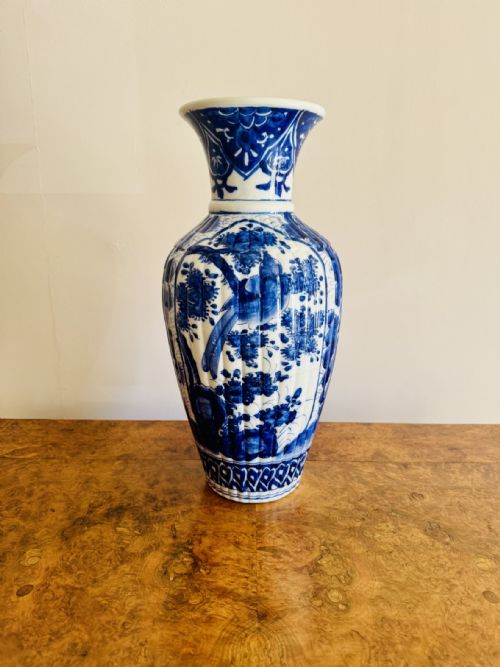
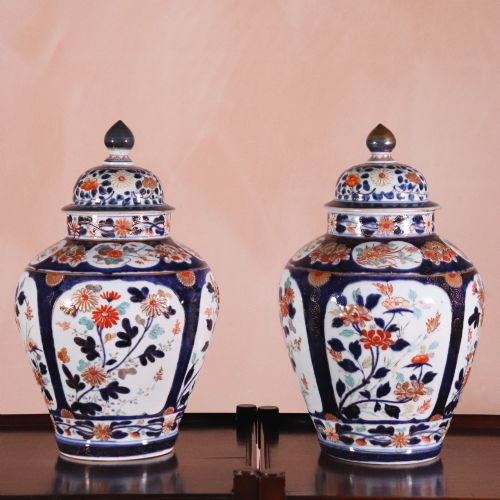
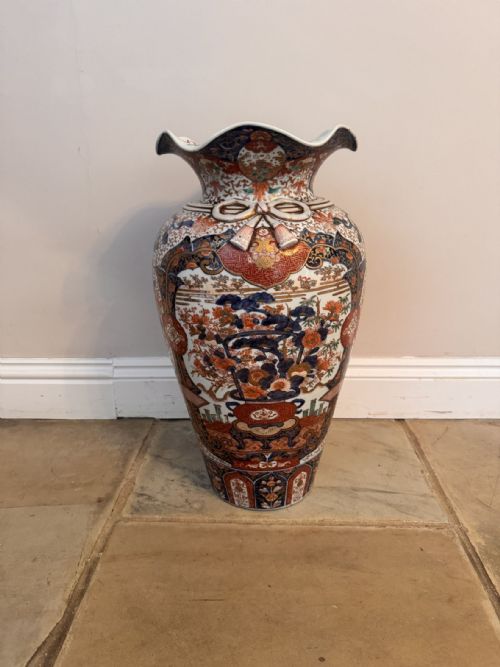
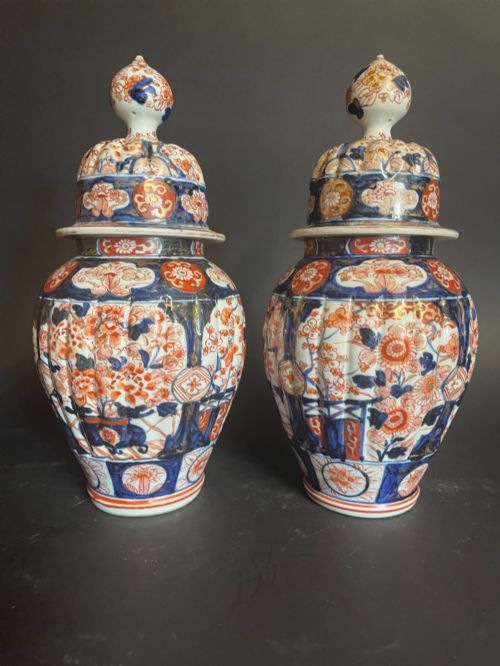
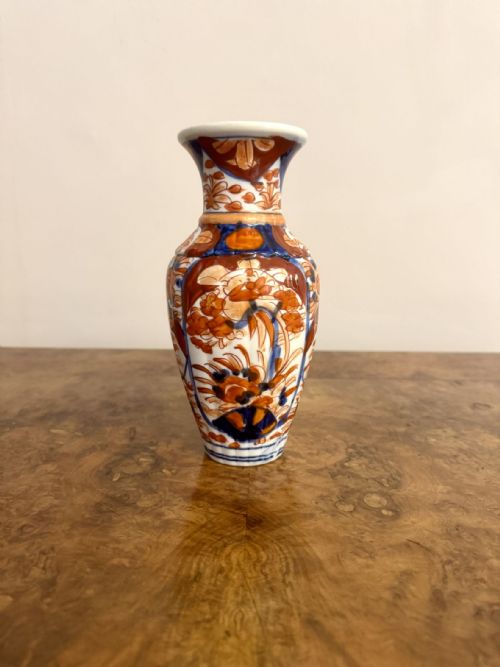
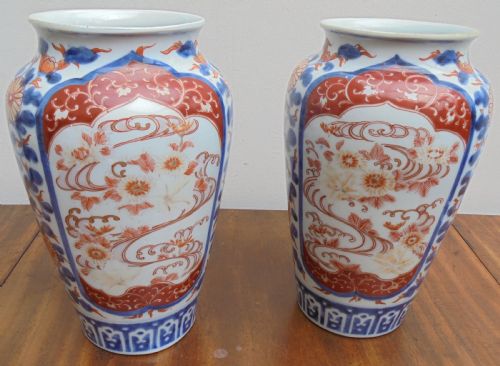
Cobalt blue arita jars are ceramic vessels originating from Japan, encompassing both lidded ginger jars and decorative vases. These pieces appear across the seventeenth, eighteenth, and nineteenth centuries, spanning the Edo period and the Meiji era. Collectors encounter items decorated in the traditional Japanese imari palette alongside blue and white porcelain designs.
The selection on this page ranges from large floor standing vases to matched pairs of lidded jars. Forms include hexagonal shapes as well as standard rounded silhouettes. Many examples integrate gilt, enamel, and gold leaf highlights over the porcelain body.
How they were made
Potters shaped these vessels from porcelain, applying cobalt blue pigments beneath a clear glaze before firing. Artisans then added details using enamel, enamel glaze, and gilding or gold leaf in subsequent decorative stages.
The physical construction varies from standard covered ginger jars to large scale floor standing vases and garnitures of three pieces. Makers utilised both underglaze painting and overglaze decoration to achieve the distinct Japanese imari style.
Cobalt Blue Arita Jars Retail Price Guide 2026
Typical asking prices for cobalt blue arita jars among the pieces listed under this phrase on Sellingantiques today, from the lower quarter to the upper quarter. They describe what is for sale here now, not the wider market.
Several jars come with covers that have stayed together through three centuries of moving house.
What varies in quality
Quality in cobalt blue arita jars rests in the precision of the underglaze cobalt painting and the crispness of the porcelain form. Pieces with well defined hexagonal shapes or balanced pairs demonstrate higher refinement in both throwing and firing.
The application of secondary decoration, such as gold leaf and enamel glaze, marks the distinction between standard production and superior examples. The complexity of the imari palette and the preservation of the gilt details shape the overall visual strength of each vessel.
The Cobalt Blue Arita Jars Glossary
- Arita
- A Japanese town and the surrounding region renowned for centuries of porcelain production. Pieces from this area form the foundation of Japanese export ceramics.
- Imari palette
- A decorative scheme typically combining underglaze cobalt blue with iron red and gilt details. This style originated in the Edo period and gained significant popularity in the West.
- Edo period
- A historical epoch in Japan spanning from the early seventeenth to the mid nineteenth century. Ceramics from this time often display traditional hand painted motifs.
- Ginger jar
- A ceramic vessel characterised by a broad shoulder and a domed lid. Originally utilised for storage, these jars became primary decorative objects in collections.
- Garniture
- A matched set of three or more vases designed to be displayed together on a mantelpiece or sideboard. These sets demonstrate uniform decorative themes.
Cobalt Blue Arita Jars: Frequently Asked Questions
What is an arita jar?
An arita jar is a porcelain vessel produced in the Japanese town of Arita, known for durable body compositions and cobalt blue decoration.
These pieces often feature lidded designs or open vase forms created for both domestic use and export.
How do I date an imari vase?
Dating relies on stylistic shifts between the Edo period and the Meiji era, alongside the specific nuances of the imari palette.
Earlier examples from the seventeenth and eighteenth centuries display different potting techniques compared to nineteenth century production.
Where were these jars displayed?
These vessels served as decorative centrepieces in historic interiors, often arranged as pairs or matching garnitures of three.
Large floor standing vases were positioned in principal rooms to showcase wealth and taste.
What is the imari palette?
The imari palette refers to a specific combination of underglaze cobalt blue, iron red, and gold leaf applied over white porcelain.
This vibrant decorative scheme was developed in Japan and heavily influenced European ceramic design.